Last Updated on March 24, 2026 by Peperomia obtusifolia
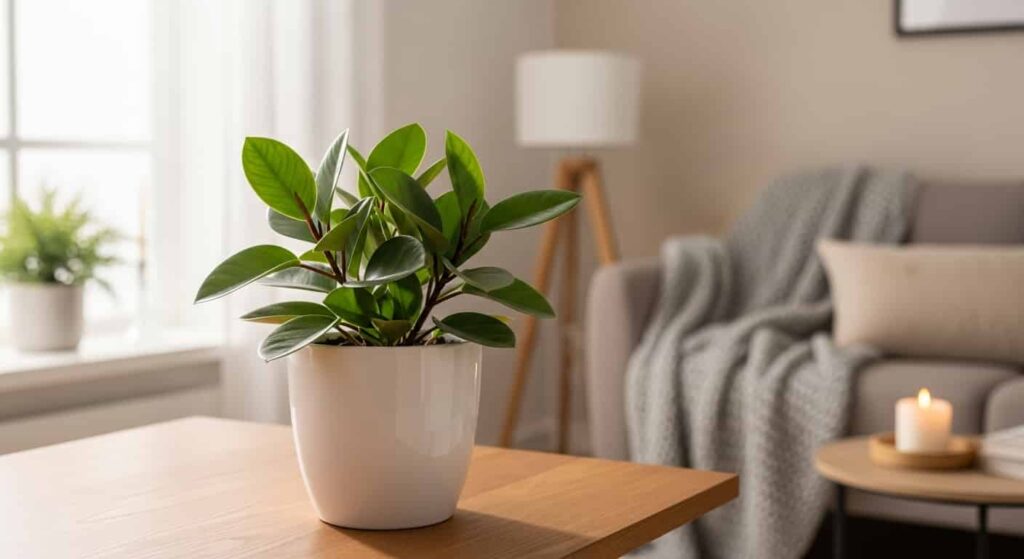
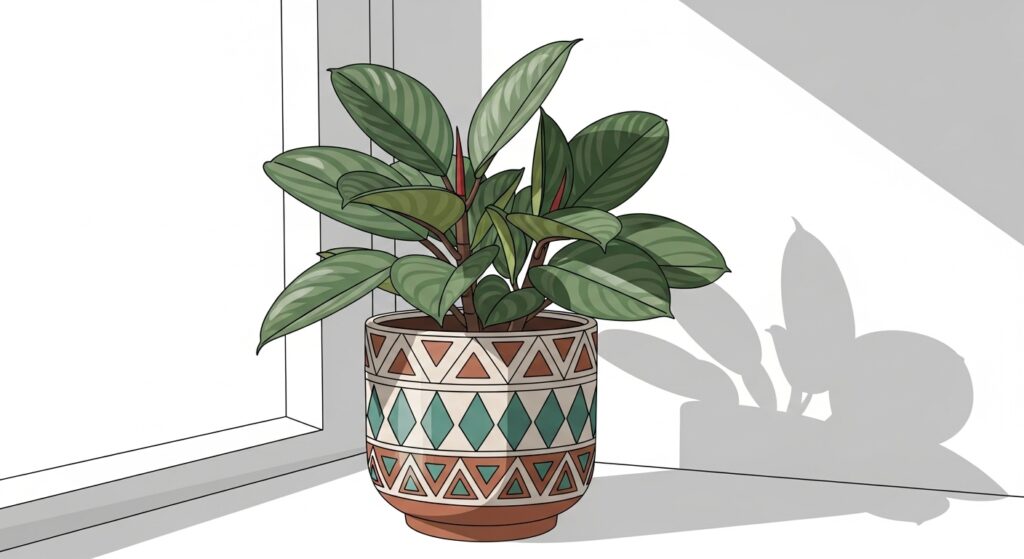
Peperomia Obtusifolia — the classic Baby Rubber Plant — is one of the most forgiving houseplants you can grow. But even easygoing plants die in the wrong pot. Choose a container that’s too large, made of the wrong material, or without proper drainage holes, and you’ll deal with root rot long before you ever see a new leaf.
This guide cuts through the noise. You’ll learn exactly what pot size, material, and drainage setup your Peperomia Obtusifolia needs — and where to find the best options without guesswork.
Why the Right Pot Matters More Than You Think
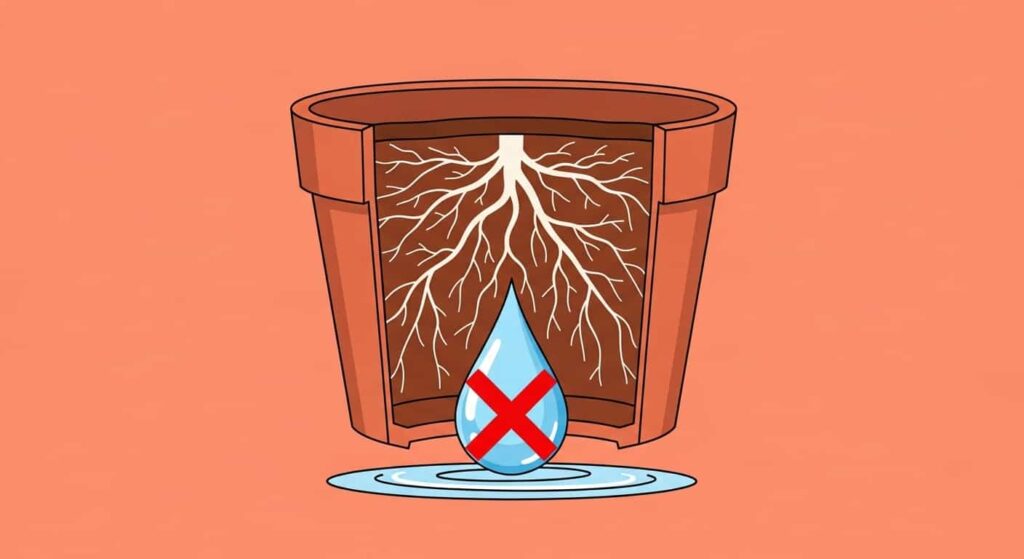
Peperomia Obtusifolia has a compact, shallow root system. It doesn’t need much room to thrive — in fact, it prefers being slightly root-bound. What it cannot tolerate is sitting in wet, poorly draining soil for extended periods.
Most beginner mistakes come down to one of three things:
- A pot that’s too big (holds excess moisture the roots can’t absorb)
- A material that stays too wet (traps humidity around the roots)
- No drainage hole (water collects at the bottom with nowhere to go)
Get these three things right, and your plant will reward you with thick, glossy leaves and steady growth all year.
What Pot Size Does Peperomia Obtusifolia Need?
The Golden Rule: Go Snug, Not Spacious
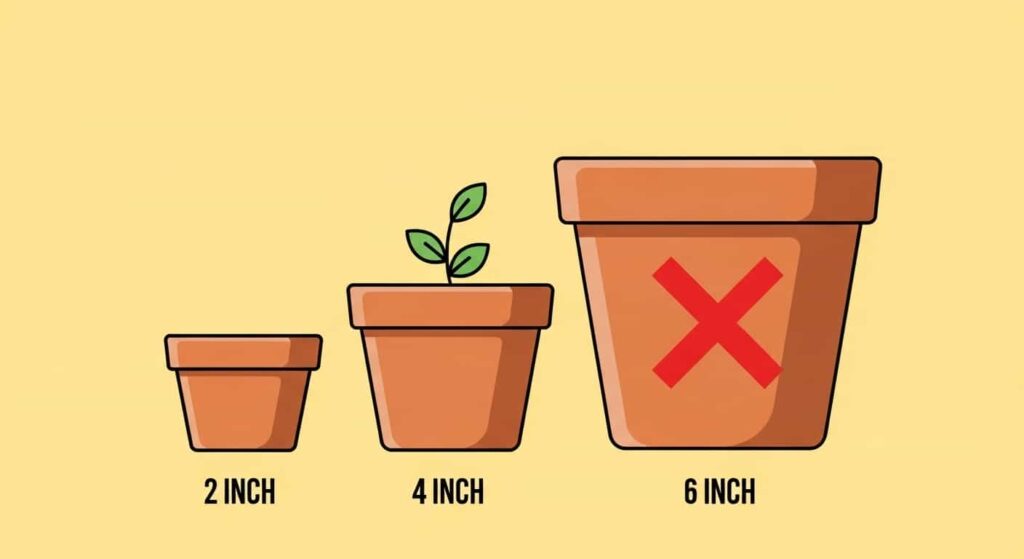
Always choose a pot that is only 1–2 inches larger in diameter than your plant’s current root ball. For most Peperomia Obtusifolia, this means:
| Plant Stage | Recommended Pot Size |
|---|---|
| Small / Cutting | 2–3 inches |
| Young plant (store-bought) | 4–5 inches |
| Established / Mature | 6–7 inches |
A pot that’s too large holds surplus soil that stays wet long after watering. Since Peperomia roots are small and compact, they simply cannot absorb moisture fast enough — and that stagnant wetness is the #1 cause of root rot in this species.
When Should You Repot?
Repot when you see roots:
- Circling the bottom of the pot
- Poking out of the drainage holes
- Pushing the plant up out of the soil
This usually happens every 1–2 years. Spring is the ideal time, right as the growing season kicks off.
💡 Pro Tip: After repotting, hold off on watering for 3–5 days to let any disturbed roots callous and settle.
Best Pot Materials for Peperomia Obtusifolia
The material your pot is made from directly affects how quickly the soil dries — and therefore how often you need to water and how vulnerable your plant is to overwatering.
1. Terracotta Pots — Best Overall Choice ✅
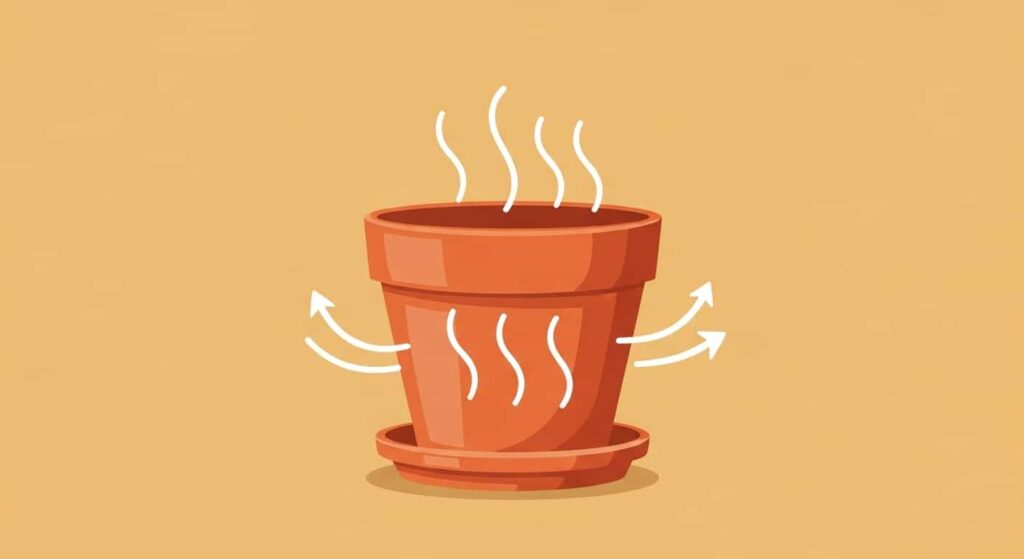
Why it works: Terracotta is porous and breathable. It wicks excess moisture away from the soil and allows air to reach the roots. For a plant as moisture-sensitive as Peperomia Obtusifolia, this natural regulation is invaluable.
Best for: Beginners, humid environments, or anyone who tends to overwater.
Downsides: Heavier, can dry out quickly in very dry climates, and salts from fertilizer can crust on the outside over time.
👉 Best-Selling Terracotta Pots — Check Price & Reviews (Recommended: 4-inch or 6-inch terracotta with drainage hole)
2. Plastic Pots — Best for Low-Maintenance Watering ✅
Why it works: Plastic is non-porous, meaning it retains moisture longer than terracotta. This is actually a benefit if you live in a dry climate, travel frequently, or tend to forget watering.
Best for: Dry environments, travel-prone plant parents, or those who are underwater.
Downsides: Can stay too wet in humid conditions or low-light setups where the plant isn’t actively growing.
👉 Top-Rated Plastic Nursery Pots with Drainage — Check Price (Look for pots with multiple drainage holes and a matching saucer)
3. Ceramic / Glazed Pots — Best for Aesthetics with Caveats ⚠️
Why it works: Glazed ceramic pots are beautiful and come in every style imaginable. They retain moisture similarly to plastic — the glaze seals the clay and prevents water loss through the walls.
Best for: Decorative display in moderate-humidity, well-lit spaces.
Downsides: Heavier than plastic, and if yours doesn’t have a drainage hole, it becomes a root rot risk immediately. Always check for drainage before buying.
👉 Stylish Ceramic Pots with Drainage Holes — Shop Now (Filter for “with drainage hole” when shopping)
4. Self-Watering Pots — Use with Caution ⚠️
Self-watering planters use a reservoir system to wick water up to the roots. In theory, this sounds ideal. In practice, Peperomia Obtusifolia’s low water needs make it easy to accidentally keep the roots too wet using this system.
Best for: Experienced plant parents who have dialed in their Peperomia’s watering rhythm.
Not recommended for beginners — stick with terracotta or standard plastic first.
5. Wooden / Woven Baskets — Decorative Only 🚫
These are not functional pots on their own. Never plant directly into a basket without a plastic liner — wood rots, and woven material provides zero drainage control. Use them as decorative cachepots (outer covers) with a nursery pot placed inside.
Material Comparison at a Glance
| Material | Moisture Retention | Breathability | Best For |
|---|---|---|---|
| Terracotta | Low | High ✅ | Beginners, humid spaces |
| Plastic | Medium | Low | Dry climates, forgetful waterers |
| Glazed Ceramic | Medium | Low | Décor-focused growers |
| Self-Watering | High | Low | Experienced growers |
| Baskets / Wood | N/A | N/A | Decorative cachepot only |
Drainage: The Non-Negotiable Rule
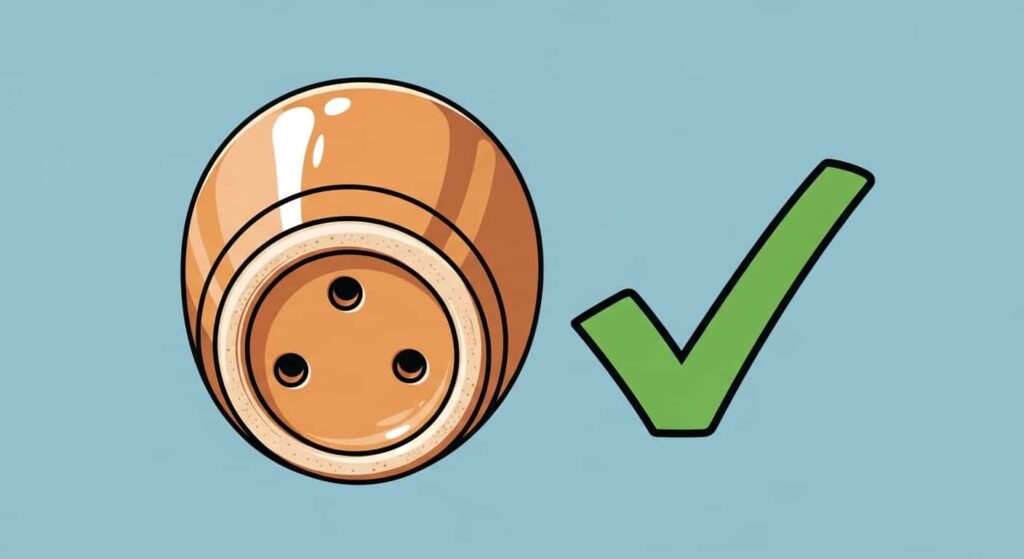
No drainage hole = no healthy roots. Full stop.
Peperomia Obtusifolia will not survive long-term in a pot without at least one drainage hole. Water that can’t escape accumulates at the bottom, creating an anaerobic (oxygen-free) environment where root rot fungi thrive.
What “Good Drainage” Actually Looks Like
A well-drained pot setup for Peperomia Obtusifolia includes:
- At least one hole at the bottom — ideally multiple small holes or one wide opening
- A saucer or tray underneath — to catch runoff water
- Empty the saucer within 30–60 minutes of watering — never let your pot sit in standing water
- Well-draining potting mix — more on this below
Should You Add Pebbles at the Bottom?
The “pebble layer” myth is widespread but has been debunked by horticultural science. Adding a layer of gravel or stones at the bottom of a pot does not improve drainage — it actually raises the water table inside the pot, keeping the soil wetter for longer.
Skip the pebbles. Use a good potting mix instead.
Best Potting Mix to Pair with Your Pot
Your pot and your soil work as a system. Even the best terracotta pot can’t overcome a heavy, water-retentive soil mix.
For Peperomia Obtusifolia, use:
- 50% standard potting mix (not moisture-control formulas)
- 25% perlite — for aeration and drainage
- 25% coarse orchid bark or coarse sand — for structure and airflow
This mix dries out quickly and evenly, which is exactly what this plant’s roots need.
Our Top Pot Recommendations (Summary)
Here’s a quick-reference list of the best pot types for Peperomia Obtusifolia based on your situation:
Best for Beginners
👉 4-inch Terracotta Pot Set with Saucers Simple, affordable, and the most forgiving material for overwatering tendencies.
Best Budget Pick
👉 Plastic Nursery Pots — Pack of 5 or 10 Functional, lightweight, and easy to find in every size you’ll need.
Best Decorative Option
👉 Glazed Ceramic Pot with Drainage Hole Elevates any shelf or windowsill display without sacrificing function.
Best Self-Watering (Advanced)
👉 Self-Watering Planter for Small Houseplants For confident growers who’ve established a consistent watering routine.
Common Potting Mistakes to Avoid
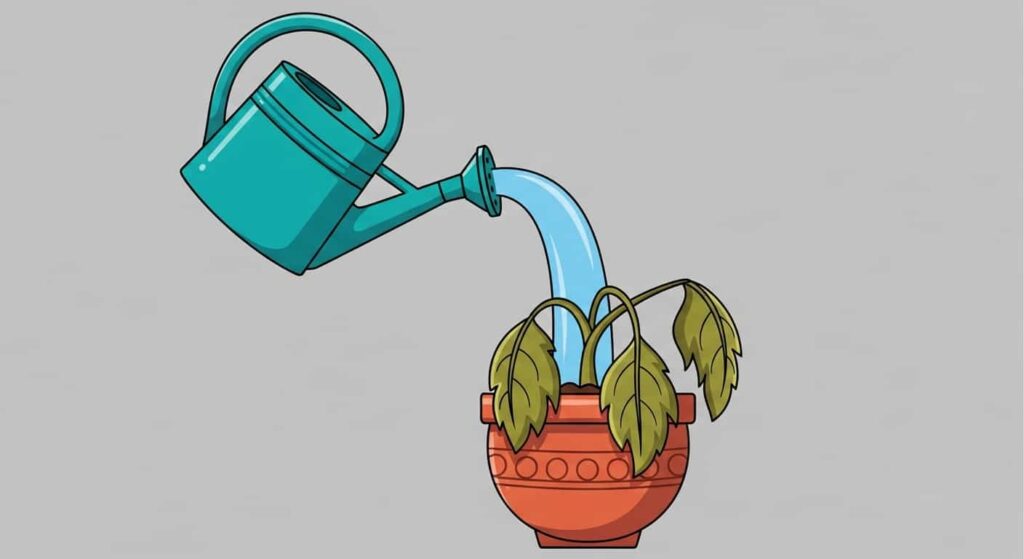
- Choosing a pot without a drainage hole. Even if it’s beautiful, a pot without drainage is a death trap for Peperomia roots. Either drill a hole yourself or use it as a cachepot.
- Going up too many sizes when repotting. Moving from a 4-inch pot to an 8-inch pot is too much. Always go 1–2 inches larger.
- Using moisture-control or “water-retentive” potting soil. These mixes are designed for outdoor plants or moisture-loving tropicals. They’ll keep your Peperomia’s roots too wet.
- Leaving water in the sauce.r Even with drainage holes, sitting water under your pot keeps the bottom of the soil saturated. Empty saucers after every watering session.
- Repotting too frequently, Peperomia Obtusifolia likes being slightly root-bound. Don’t repot just because it’s been a year — wait until you see actual root signals.
Frequently Asked Questions
Can Peperomia Obtusifolia grow in a pot without drainage holes?
No — not sustainably. Without drainage, excess water accumulates at the root zone and leads to root rot within weeks, especially if you water on any regular schedule. Always use a pot with at least one drainage hole.
What size pot should I buy for a newly purchased Peperomia Obtusifolia?
Most store-bought specimens come in 4-inch nursery pots. Repot into a 5-inch pot if you see roots circling the bottom, or leave it in the nursery pot for the first growing season while it adjusts.
Is terracotta or plastic better for Peperomia Obtusifolia?
Terracotta is generally better for beginners and anyone in humid climates because it breathes and dries out faster. Plastic works well in dry climates or for growers who underwater. Both are valid — match the material to your environment and habits.
How do I know if my pot is too big?
Signs of an oversized pot include: soil staying wet for more than 10 days after watering, yellowing lower leaves, a mushy stem base, or visible mold on the soil surface. If you see these signs, consider downsizing to a snugger pot.
Can I use a glass or metal pot?
Glass is non-porous and retains too much moisture — avoid it unless it has a drainage hole and you’re very careful with watering. Metal pots can work for short-term display but tend to heat up and cool down rapidly, which stresses roots. Both are best used as cachepots rather than direct planters.
Final Thoughts
Getting the pot right for your Peperomia Obtusifolia doesn’t have to be complicated. Remember the core principles:
- Size: 1–2 inches larger than the root ball — no more
- Material: Terracotta for most growers; plastic if you’re in a dry environment
- Drainage: Always, always, always use a pot with at least one drainage hole
Pair the right pot with a fast-draining soil mix, and you’ve given your Baby Rubber Plant everything it needs to grow lush, healthy roots for years to come.