Last Updated on April 2, 2026 by Peperomia obtusifolia
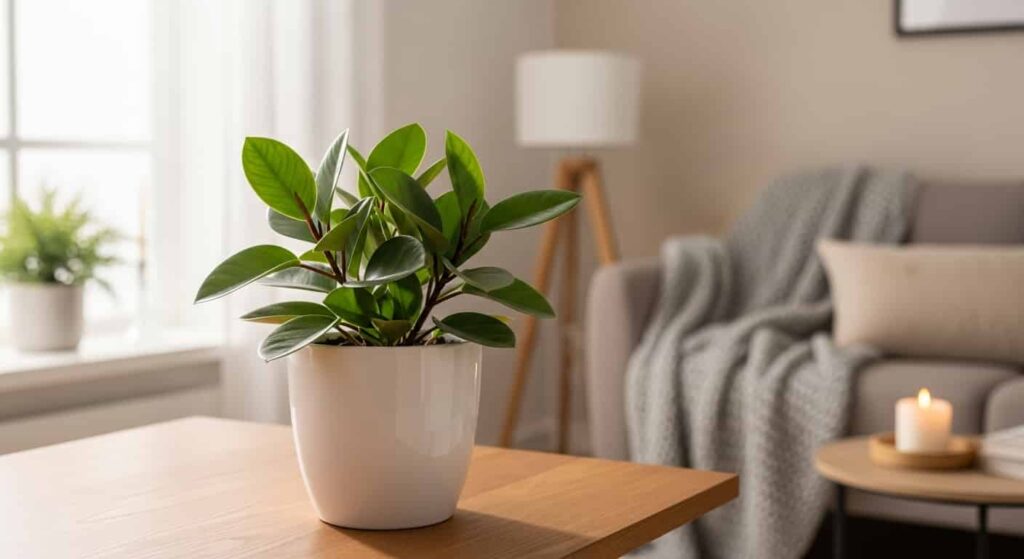
Peperomia Obtusifolia Alba (also known as the Variegated Baby Rubber Plant, Alba Pepper Face, or American Rubber Plant) is a stunning, low-maintenance houseplant prized for its thick, glossy, rounded leaves with creamy-white to pale-yellow variegation. This cultivar of the classic Peperomia obtusifolia starts with striking ivory-new growth and red-tinged stems, gradually maturing to green-edged leaves while retaining beautiful variegation when given the right conditions.
Native to tropical rainforests of South America, Mexico, and the Caribbean, it grows as a compact epiphytic perennial (typically 6–12 inches tall and wide) with succulent-like leaves that store water. It’s perfect for beginners, offices, bathrooms, or small spaces, and it’s non-toxic to pets and humans.
With proper care, this plant is forgiving, resilient, and long-lived (5–10+ years indoors). Below is the complete, step-by-step ultimate care guide optimized for real-world success.
Quick Care Summary
| Care Aspect | Requirement | Key Tip |
|---|---|---|
| Light | Bright indirect light (more than solid-green varieties) | East-facing window or grow lights for best variegation |
| Watering | Every 7–10 days (spring/summer); every 2–3 weeks (fall/winter) | Let top 1–2 inches of soil dry completely |
| Soil | Fast-draining, airy mix | 40% potting soil + 30% perlite + 20% orchid bark + 10% worm castings |
| Temperature | 65–75°F (18–24°C) | Avoid below 50°F or drafts |
| Humidity | 40–60% (tolerates average indoor) | Pebble tray or group with other plants |
| Fertilizer | Balanced liquid, half-strength, every 4–6 weeks (spring–early fall) | Skip in winter |
| Repotting | Every 2–3 years, one size up | Spring only |
| Propagation | Stem or leaf cuttings (water or soil) | Very easy and fast |
| Toxicity | Non-toxic to cats, dogs, humans (ASPCA) | Safe for households with pets |
| Growth Rate | Slow to moderate | Faster in bright indirect light |
1. Light Requirements
Peperomia Obtusifolia Alba needs bright indirect light to maintain its creamy variegation. The white/cream portions contain less chlorophyll, so the plant requires more light than the solid-green parent variety to photosynthesize effectively. In low light, variegation fades as the plant produces more green pigment.
- Ideal placement: East-facing window (gentle morning sun), or 2–4 feet from a south/west window with sheer curtains.
- Grow lights: Full-spectrum LED, 12–18 inches above the plant, 12–14 hours/day.
- Avoid: Direct afternoon sun (scorching and brown patches) or deep shade (leggy growth and loss of variegation).
- Signs of issues: Pale or faded variegation = more light needed; crispy brown edges = too much direct sun.
2. Watering Guide
This semi-succulent stores water in its thick leaves and stems, making it drought-tolerant but highly sensitive to overwatering (the #1 cause of death).
- Rule: Water only when the top 1–2 inches of soil feel completely dry (use finger test or moisture meter).
- Frequency: 7–10 days in spring/summer; 14–21 days in fall/winter.
- Method: Thorough soak until water drains out the bottom; empty saucer immediately. Bottom-watering reduces fungus gnats.
- Water quality: Room-temperature filtered, rainwater, or tap water left out overnight (avoids fluoride burn).
- Overwatering signs: Yellow mushy lower leaves, soft stems, musty soil, fungus gnats.
- Underwatering signs: Wrinkled, deflated leaves or crispy tips.
3. Soil and Potting Mix
Fast drainage is non-negotiable to prevent root rot.
Best DIY mix (highly recommended):
- 40% high-quality indoor potting soil
- 30% perlite
- 20% orchid bark
- 10% worm castings
Alternative: 60% cactus/succulent mix + 40% perlite. pH: Slightly acidic (6.0–6.5). Pot: Terracotta or ceramic with drainage holes (terracotta dries faster and is ideal).
4. Temperature and Humidity
- Temperature: 65–75°F daytime (ideal); never below 50°F. Keep away from cold drafts, AC vents, heaters, or windows in winter.
- Humidity: 40–60% is perfect. It tolerates average household levels but appreciates extra moisture.
- Boost methods: Pebble tray with water (pot sits on pebbles, not in water), plant grouping, or small humidifier.
- Skip frequent misting (can encourage fungal issues; wipe leaves with damp cloth every 3–4 weeks instead).
5. Fertilizing
Peperomia Obtusifolia Alba is a light feeder with small epiphytic roots.
- Schedule: Half-strength balanced liquid fertilizer (10-10-10 or 20-20-20) every 4–6 weeks from March to September.
- Organic options: Worm-casting tea or diluted fish emulsion.
- Never fertilize in fall/winter or on dry soil.
- Over-fertilizing signs: Brown crispy tips, white crust on soil — flush soil thoroughly if this happens.
6. Repotting
Repot only when rootbound (roots circling pot or emerging from drainage holes) — usually every 2–3 years.
- Best time: Early spring.
- Pot size: Only 1–2 inches larger.
- Steps: Water plant 1–2 days prior → gently remove → inspect and trim any mushy roots → add fresh mix → water lightly and place in bright indirect light.
- No fertilizer for 4–6 weeks after repotting.
7. Pruning and Maintenance
- Remove yellow, dead, or damaged leaves with clean scissors.
- Pinch stem tips in spring to encourage bushier growth.
- Wipe glossy leaves with a damp microfiber cloth monthly to remove dust (improves photosynthesis).
- Flowers (small greenish-white spikes) are insignificant — deadhead if desired or leave them.
8. Propagation (Super Easy!)
Peperomia Obtusifolia Alba propagates reliably from stem cuttings (best for true variegation) or leaf cuttings.
Stem Cutting in Water (Recommended):
- Take a 4–6 inch healthy stem with 2–3 leaves and at least one node.
- Remove lower leaves; place node in clean water.
- Bright indirect light; change water every 3–4 days.
- Roots appear in 2–4 weeks → pot in well-draining mix.
Stem or Leaf Cutting in Soil:
- Cut and let callous 2–4 hours (optional rooting hormone).
- Plant in moist mix; cover with plastic bag for humidity.
- Warm, bright indirect light; roots in 3–6 weeks.
Division works during repotting for multi-stem plants.
9. Common Problems and Troubleshooting
- Yellow leaves: Overwatering or poor drainage → let soil dry and improve airflow.
- Drooping/wilting: Underwatering or temperature shock.
- Leggy growth: Insufficient light.
- Brown crispy edges/tips: Low humidity, cold drafts, or over-fertilizing.
- No variegation: Too little light.
- Slow growth: Normal in winter or low light; boost with brighter indirect light and proper watering.
10. Pests and Diseases
Most issues stem from overwatering or low humidity.
- Common pests: Mealybugs (white cottony spots), spider mites (fine webbing, speckled leaves), whiteflies, fungus gnats.
- Treatment: Neem oil or insecticidal soap weekly for 3–4 applications; isolate plant.
- Diseases: Root/stem rot (from wet soil), leaf spot, botrytis (gray mold in high humidity + poor airflow).
- Prevention: Excellent drainage + good air circulation. Treat with fungicide if needed.
11. Toxicity and Pet Safety
Completely non-toxic to cats, dogs, humans, and horses (per ASPCA). Safe for any household.
Frequently Asked Questions (FAQs)
How often do I water Peperomia Obtusifolia Alba?
Every 7–10 days in growing season once top 1–2 inches of soil are dry. Always check with your finger.
Does it need high humidity?
It appreciates 40–60% but tolerates average indoor levels well. A pebble tray helps.
Why is my Alba turning green?
Insufficient light. Move to brighter indirect light to preserve creamy variegation.
Can it grow in low light?
It survives but grows slowly and loses variegation. Bright indirect is best.
Is Peperomia Obtusifolia Alba toxic to cats?
No — it is pet-safe.
How fast does it grow?
Slow to moderate; faster in bright indirect light with proper care.
Should I mist the leaves?
Not necessary. Wipe with a damp cloth instead to avoid fungal risks.
Final Tips for Long-Term Success
- Place it where you can easily check soil moisture.
- Consistency is key: stable temperature, bright indirect light, and “soak-and-dry” watering.
- This plant rewards neglect more than over-care — err on the side of underwatering.
With this ultimate care guide, your Peperomia Obtusifolia Alba will thrive, stay beautifully variegated, and become a striking addition to your indoor jungle for years to come.
Happy growing! 🌱 If your plant shows any specific symptoms, feel free to describe them for tailored troubleshooting.