Last Updated on March 24, 2026 by Peperomia obtusifolia
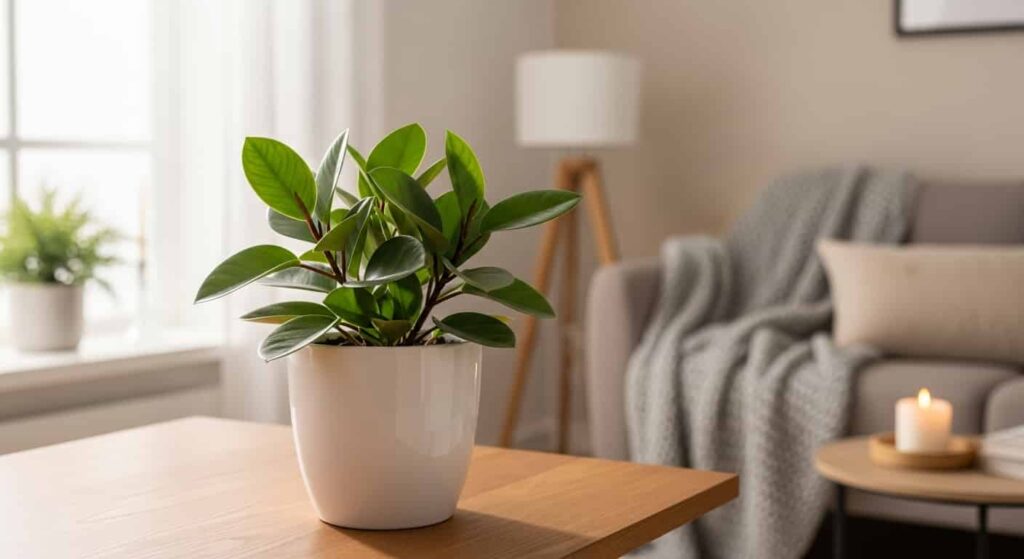
Peperomia Obtusifolia, commonly known as the baby rubber plant, has captured the hearts of plant lovers everywhere. With its thick, glossy leaves and compact growth habit, this charming houseplant brings a touch of green elegance to any space. But what happens when those beautiful leaves start falling off?
Peperomia obtusifolia dropping leaves can be alarming for plant parents. One day, your plant looks healthy and vibrant, and the next, you’re finding leaves scattered around the pot. If you’re asking “why is my peperomia obtusifolia dropping leaves?” — you’re not alone, and the good news is that peperomia obtusifolia leaf drop is usually a sign that your plant needs a small adjustment in its care routine, not a death sentence.
This guide will help you identify the exact causes of peperomia obtusifolia leaves falling off and provide clear, actionable solutions to get your plant back to its thriving best. Whether you’re a beginner or an experienced plant parent, understanding these common peperomia obtusifolia problems will help you provide better care — and potentially save a peperomia obtusifolia dying from preventable issues.
Quick note on varieties: This guide applies to all popular forms of this plant, including peperomia obtusifolia variegata, variegated peperomia obtusifolia, peperomia obtusifolia marble, and peperomia obtusifolia lemon lime. Care needs are nearly identical across varieties, with minor differences in light sensitivity for variegated types.
Is Peperomia Obtusifolia a Succulent? (And Why It Matters for Leaf Drop)
A common question is: is peperomia obtusifolia a succulent? Technically, no — but it shares succulent-like traits. Its thick, waxy leaves store water, which means it’s drought-tolerant and particularly vulnerable to overwatering. Understanding this helps explain many of the leaf drop causes below.
Common Causes of Peperomia Obtusifolia Leaf Drop
1. Overwatering: The Silent Plant Killer
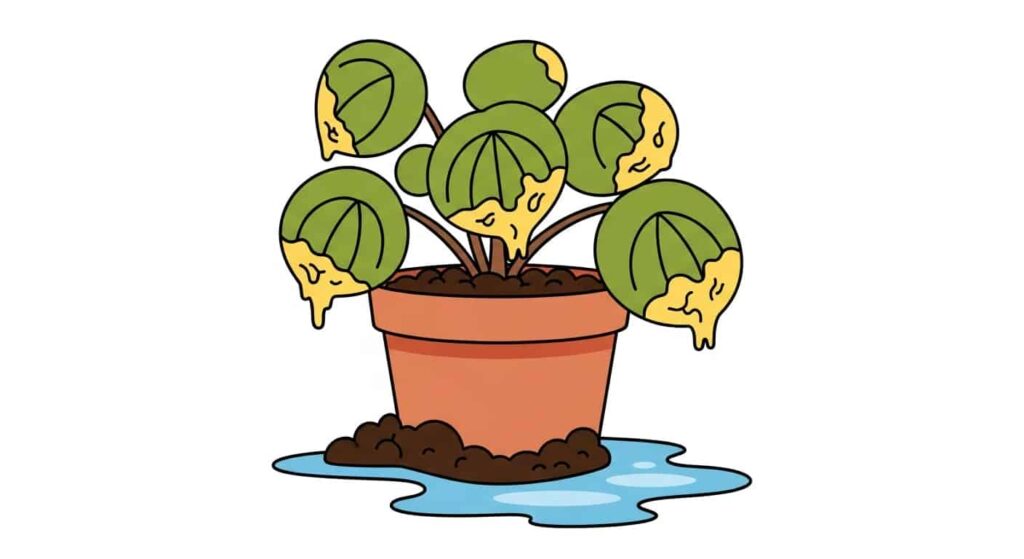
Overwatering peperomia obtusifolia is the single most frequent cause of leaf drop. These plants prefer their soil to dry out between waterings, and too much moisture creates serious problems fast.
When you water too frequently, the roots become waterlogged and can’t absorb oxygen. This leads to peperomia obtusifolia root rot, which blocks nutrient uptake and forces the plant to shed leaves in order to survive.
Signs of overwatering include:
- Yellow, mushy leaves that fall off easily — a classic case of peperomia obtusifolia yellow leaves
- Soft brown spots on leaves (peperomia obtusifolia brown spots)
- A foul smell coming from the soil
- Black or brown, mushy roots when you check the root ball
If you suspect root rot, act quickly. Remove the plant from its pot, trim any black or mushy roots with sterile scissors, and repot in fresh, well-draining soil.
2. Underwatering: When Your Plant Gets Too Thirsty
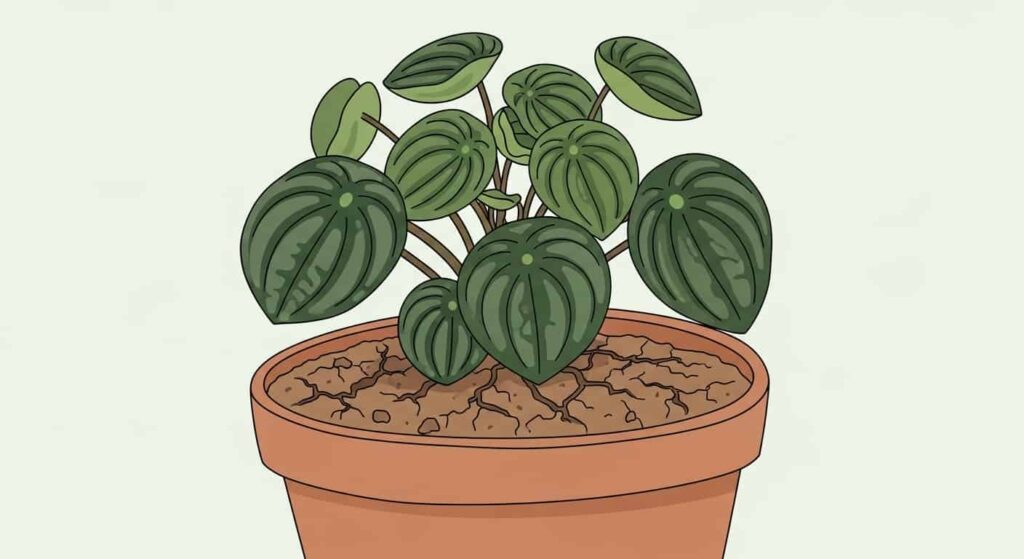
While peperomia obtusifolia care does favor a drier soil, severe underwatering peperomia obtusifolia can also trigger leaf drop. When the plant runs critically low on water, it sheds leaves to reduce water loss through transpiration.
Signs of underwatering include:
- Leaves becoming wrinkled or shriveled — early signs of peperomia obtusifolia drooping
- Dry, crispy leaf edges
- Leaves falling off while still green
- Soil visibly pulling away from the edges of the pot
The fix is straightforward: water thoroughly, allow it to drain fully, and establish a consistent schedule going forward.
3. Temperature Stress: Finding the Sweet Spot
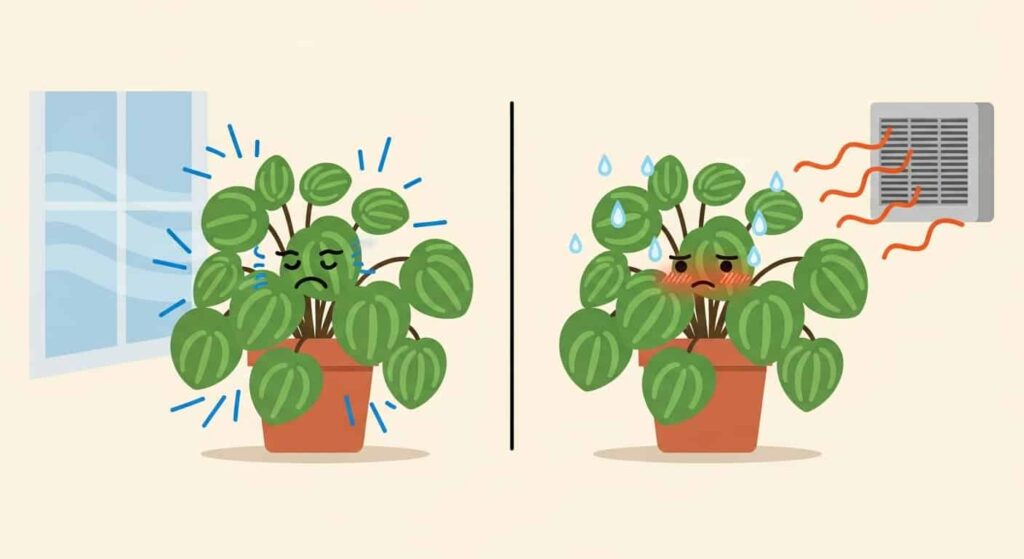
Peperomia obtusifolia temperature preferences are fairly specific. This plant thrives between 65–75°F (18–24°C), and sudden swings or prolonged exposure to temperatures outside that range will cause stress and leaf drop.
Common temperature-related problems include:
- Placing the plant near heating vents or air conditioning units
- Moving the plant from a warm indoor space to a cold area suddenly
- Exposure to temperatures below 50°F (10°C)
- Cold drafts from windows or exterior doors in winter
Use a simple indoor thermometer to monitor your plant’s environment, especially through seasonal transitions.
4. Light Issues: Too Much or Too Little
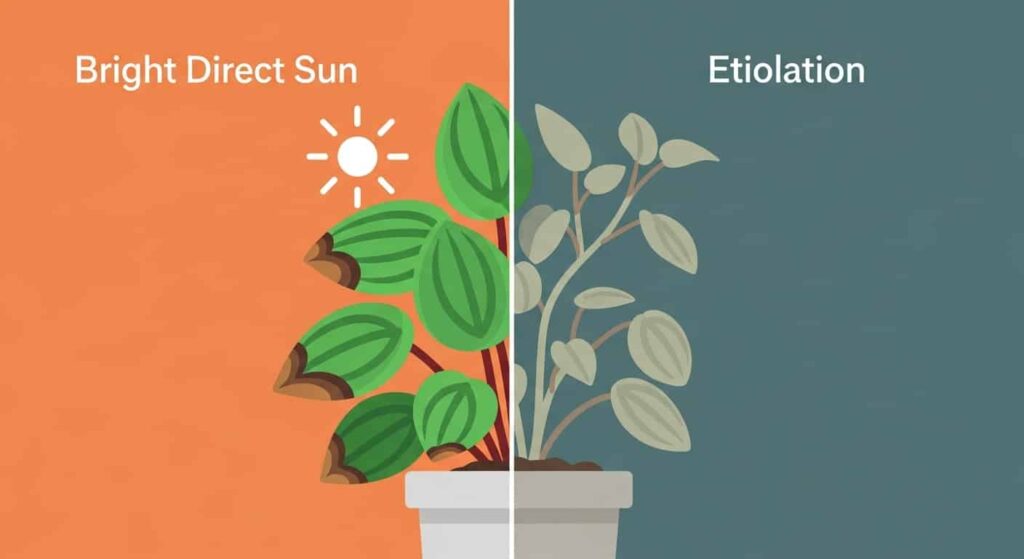
Peperomia obtusifolia light requirements sit in the bright, indirect range. Problems arise at both extremes — and baby rubber plant leaf drop is a common outcome of getting light wrong.
Too Much Direct Light:
- Leaves develop brown, crispy patches — contributing to brown spots on peperomia obtusifolia variegata in particular
- Leaves turn pale or yellowish before dropping
- The plant appears wilted or stressed even with adequate water
Too Little Light:
- Leaves lose their glossy appearance and become pale
- The plant grows leggy and weak
- Lower leaves drop first as the plant redirects energy upward
Variegated varieties like peperomia obtusifolia variegata and lemon lime are more sensitive to low light, as their reduced chlorophyll content means they need slightly brighter conditions to maintain healthy growth.
5. Humidity Levels: Creating the Right Environment
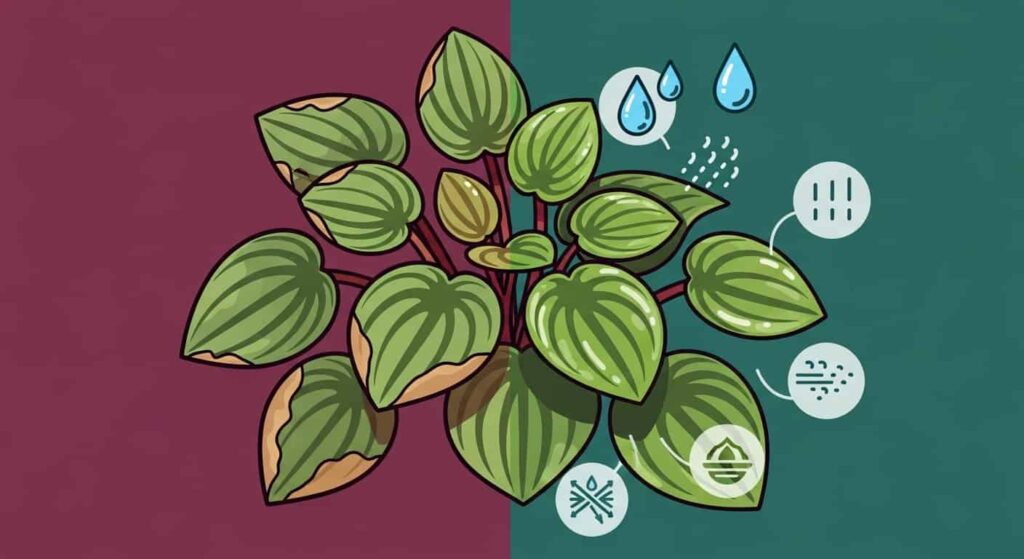
Peperomia obtusifolia humidity needs sit around 40–50% — moderate by tropical plant standards. Low humidity, especially during winter when heating systems run constantly, is a stealthy cause of peperomia obtusifolia losing leaves that many growers overlook.
Signs of low humidity stress include:
- Brown, crispy leaf edges
- Leaves curling inward
- Slower growth rate
- Increased susceptibility to peperomia obtusifolia pests
6. Nutrient Deficiency: When Your Plant Needs Food
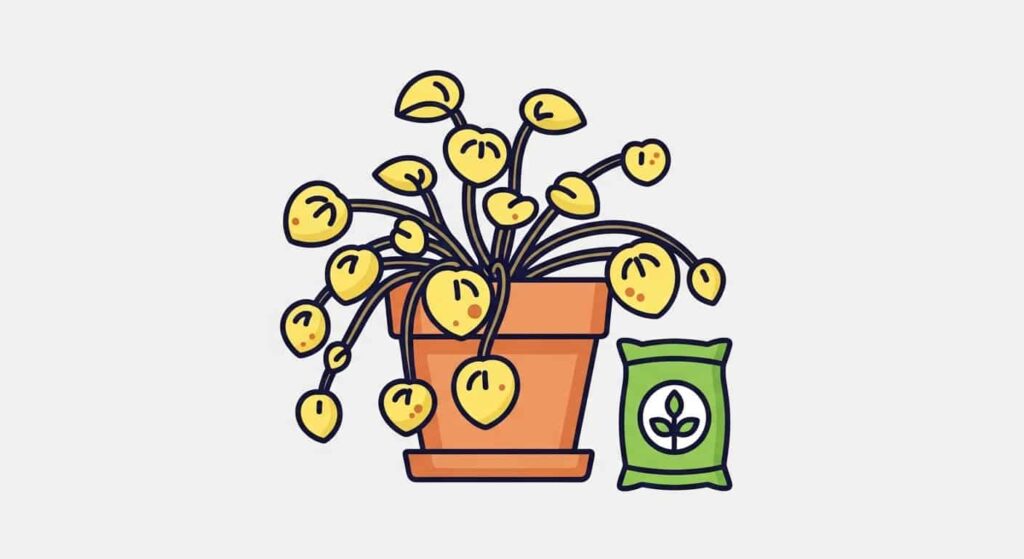
Peperomia obtusifolia nutrient deficiency develops gradually, particularly in plants that haven’t been fertilized in a long time or have been in the same soil for years.
Common deficiency symptoms include:
- Peperomia obtusifolia leaves turning yellow and dropping, starting from the lower leaves
- Pale or washed-out leaf color
- Slow or stunted growth
- Weak, thin stems
A consistent peperomia obtusifolia fertilizer schedule during the growing season addresses this effectively (see solutions below).
7. Pest Infestation: Unwanted Guests
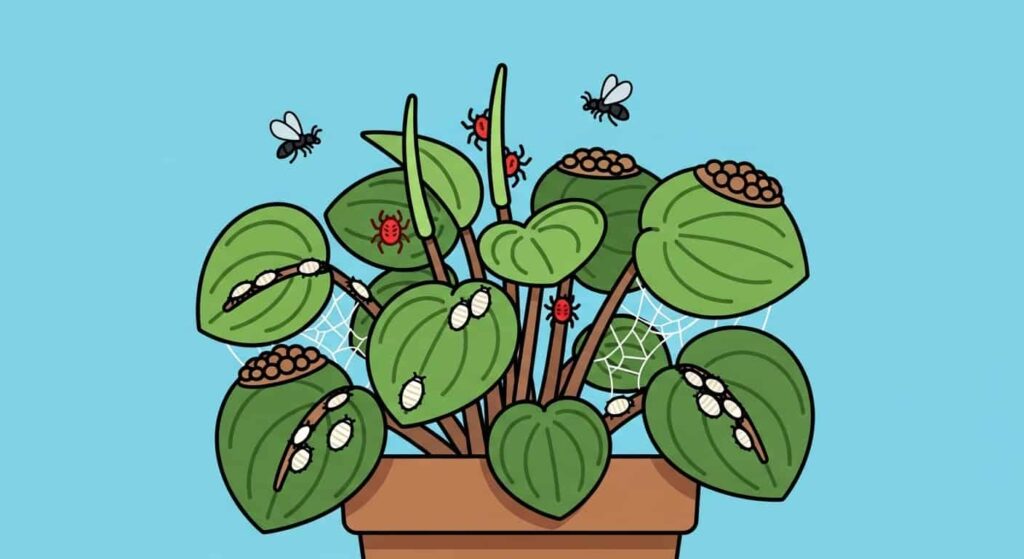
Several pests can attack this plant and cause leaf drop by feeding on its sap and weakening it over time. Peperomia obtusifolia pests are more common than many growers expect, especially in dry indoor environments.
Common pests include:
- Spider mites: Create fine webbing; cause stippled, yellowing leaves
- Mealybugs on peperomia obtusifolia: Appear as white, cotton-like clusters on leaves and stems — one of the most reported pest issues
- Scale insects: Look like small brown bumps on leaves and stems
- Fungus gnats: Small flies hovering near the soil, typically a sign of overwatering
Solutions and Prevention Strategies
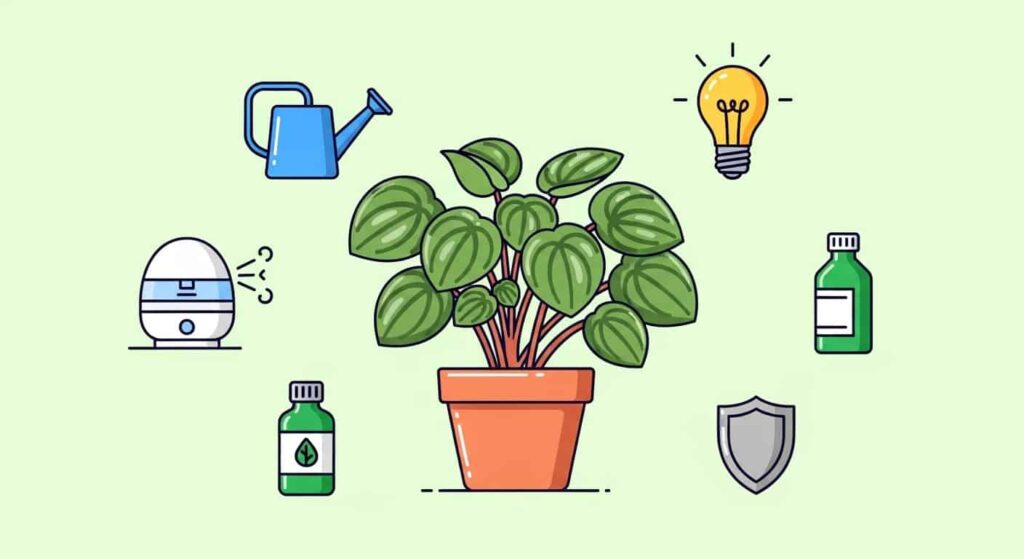
Mastering Watering Technique
Learning how to water peperomia obtusifolia correctly is the single most impactful thing you can do for this plant’s health.
- Check the soil first: Push your finger about an inch into the soil. Only water when the top inch is dry to the touch.
- Water thoroughly: Add water slowly until it drains from the bottom holes — this ensures even moisture distribution.
- Empty the saucer: Remove standing water from the drainage tray within 30 minutes to prevent root rot.
- Use room-temperature water: Cold water can shock the roots and contribute to stress-related leaf drop.
In winter, reduce watering frequency — growth slows significantly and the risk of overwatering peperomia obtusifolia increases.
How to fix an overwatered peperomia obtusifolia:
- Remove the plant from its pot and inspect the roots
- Trim any black, mushy roots with sterile scissors
- Let the root ball air-dry for a few hours
- Repot in fresh, well-draining soil with added perlite
- Resume watering only when the top inch is fully dry
Temperature and Light Adjustments
Temperature tips:
- Keep the plant away from heating vents, radiators, and air conditioning units
- Maintain consistent temperatures between 65–75°F (18–24°C)
- Avoid placing the plant near frequently opened doors or windows
- Use a thermometer to monitor temperature fluctuations
Light solutions:
- Place near an east or west-facing window with a sheer curtain for filtered light
- If natural light is limited, use a grow light positioned 6–12 inches above the plant
- Rotate the plant weekly for even exposure
- Move further from windows during the hottest summer months to prevent scorching
Humidity Management
Boosting peperomia obtusifolia humidity doesn’t require expensive setups:
- Pebble tray method: Fill a shallow tray with pebbles, add water just below pebble level, and sit the pot on top (not submerged in water)
- Group plants together: Nearby plants raise each other’s local humidity through transpiration
- Use a humidifier: A small cool-mist humidifier set to 40–50% is the most reliable option
- Mist the surrounding air (not the leaves directly) for a temporary boost
Proper Fertilization Schedule
A proper peperomia obtusifolia fertilizer routine prevents nutrient deficiency and supports healthy, resilient foliage:
- Use a balanced, water-soluble fertilizer diluted to half strength
- Fertilize monthly during spring and summer (growing season)
- Reduce to every 6–8 weeks during fall and winter
- Always water the plant before fertilizing to prevent root burn
- Flush the soil with plain water every few months to clear accumulated salts
Effective Pest Control
Prevention first:
- Inspect your plant weekly, checking under leaves and along stems
- Use a magnifying glass to spot tiny insects early
- Quarantine any new plants before introducing them to your collection
Treatment options for peperomia obtusifolia pests:
- Insecticidal soap: Spray all affected areas; repeat every 5–7 days
- Neem oil: Effective for mealybugs on peperomia obtusifolia and spider mites; apply every 7–10 days until clear
- Rubbing alcohol: Dab individual pests with a cotton swab
- Yellow sticky traps: Useful for catching fungus gnats
Isolate any infested plant immediately to prevent spreading to other houseplants.
Taking Action to Save Your Plant
Peperomia obtusifolia losing leaves is almost always reversible with the right adjustments. Start by identifying the most likely cause based on your plant’s symptoms and care routine. Most issues stem from watering problems, so begin by evaluating your watering schedule and soil moisture levels.
Remember that peperomia obtusifolia care is about finding balance. Your baby rubber plant wants consistent, moderate attention rather than dramatic changes. Make one adjustment at a time and give your plant 2–3 weeks to respond before making additional changes.
With proper attention to watering, lighting, temperature, and humidity, your Peperomia Obtusifolia will stop dropping leaves and return to its naturally healthy, glossy appearance. These resilient plants are forgiving and will reward your improved care with steady growth and beautiful foliage.
Frequently Asked Questions
Why is my peperomia obtusifolia dropping leaves suddenly?
Sudden leaf drop is most often caused by overwatering, a drastic temperature change, or repotting shock. Check your watering routine first — root rot from excess moisture is the leading cause.
What causes leaf drop in peperomia obtusifolia during winter?
In winter, low humidity from heating systems, reduced light, and overwatering (since the plant needs less water when growth slows) are the primary culprits.
How do I save a dying peperomia obtusifolia?
Start by checking the roots for rot. If present, trim, dry, and repot in fresh soil. Then evaluate light, temperature, and humidity — address one issue at a time rather than making multiple changes at once.
Are peperomia obtusifolia leaves turning yellow and dropping a sign of root rot?
Often, yes. Yellow, mushy leaves that fall easily — especially combined with a musty soil smell — strongly indicate root rot from overwatering.
Is peperomia obtusifolia toxic to cats?
No. Peperomia obtusifolia is non-toxic to cats, dogs, and humans, making it one of the safer houseplant choices for pet owners. This applies to all varieties including the variegata, marble, and lemon lime forms.
Does peperomia obtusifolia wilting mean it’s dying?
Not necessarily. Peperomia obtusifolia wilting is usually a stress response to underwatering, overwatering, or temperature extremes. Identify the cause and correct it — most plants recover well with prompt attention.