Last Updated on April 2, 2026 by Peperomia obtusifolia
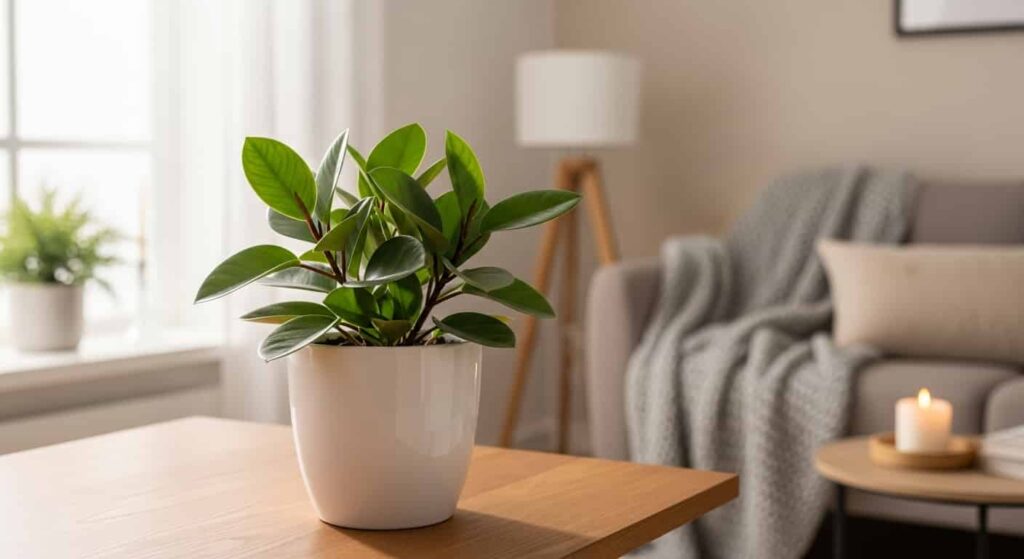
Quick answer: Peperomia obtusifolia (baby rubber plant) is a slow to moderate grower compared with many tropical houseplants. Indoors, mature plants commonly reach about 8–12 inches (20–30 cm) tall and can spread 12–24 inches (30–60 cm) wide over several years. Growth is not linear—most visible expansion happens in spring and summer; winter growth is minimal.
At a glance
| Topic | Summary |
|---|---|
| Typical growth speed | Slow to moderate; not a “fast climber” or rapid filler |
| Indoor height (mature) | Often ~8–12 in (20–30 cm); can exceed with ideal care & time |
| Spread / width | Often wider than tall; 12–24 in (30–60 cm) typical for established pots |
| Time to “full” look | Often 2–4+ years from a small nursery plant in stable home conditions |
| Peak growth season | Spring through early fall (warmer, longer days) |
| Key size limiters | Pot size, light, nutrients, humidity, and genetics (cultivar) |
What is Peperomia obtusifolia?
Peperomia obtusifolia is a compact, succulent-like Peperomia species valued for thick, glossy, often rounded leaves. It is commonly called baby rubber plant (unrelated to true rubber trees, Ficus elastica). Understanding its natural habit helps set realistic expectations: it is adapted to understory conditions—steady but not blazing light—and tends toward bushy, low mounds rather than rapid vertical stretching.
How fast does Peperomia obtusifolia grow?
Direct answer: Most indoor specimens add a modest amount of new leaves per growing season rather than doubling in size every few months. In bright, indirect light and consistent care, you might see noticeable new growth several times per year. In low light or cold, dark winters, growth can nearly pause.
Factors that speed up growth
- Bright indirect light (avoid harsh midday sun on leaves)
- Stable warm temperatures (roughly 65–80°F / 18–27°C is comfortable for active growth)
- Appropriate watering (let soil dry slightly between waterings; avoid chronic soggy soil)
- Well-draining potting mix and a pot with drainage
- Light feeding in spring and summer (if using fertilizer, follow label rates—overfeeding does not “force” large size and can harm roots)
Factors that slow growth
- Low light (etiolation may occur—stretched stems, smaller leaves)
- Overwatering or poor drainage (root stress stops growth)
- Small pots for long periods (can restrict size; also reduces stress from excess moisture in some setups)
- Winter dormancy or slowdown in many homes (shorter days, cooler rooms)
How big does Peperomia obtusifolia get?
Indoors (typical home):
- Height: Often ~8–12 inches (20–30 cm) for many mature potted plants; taller specimens are possible with age, repotting, and excellent conditions.
- Width / spread: Frequently 12–24 inches (30–60 cm) as stems branch and leaves fill out—many plants grow wider than tall.
In nature or ideal greenhouse conditions, plants can grow larger than typical indoor specimens, but most houseplant discussions use the indoor range above.
Does variety affect size?
Yes. Variegated forms (for example cream- or yellow-edged types) sometimes grow a bit slower than solid-green forms because variegated tissue has less chlorophyll per leaf area. Overall mature size can still be similar, but time to reach that size may be longer.
Peperomia obtusifolia size vs. other popular houseplants
For context (approximate, environment-dependent):
| Plant | Typical indoor growth habit | Rough size comparison |
|---|---|---|
| Peperomia obtusifolia | Compact, bushy, slow–moderate | Small tabletop to medium shelf |
| Monstera deliciosa | Vine/climber, faster in good light | Much larger over time |
| Pothos (Epipremnum) | Trailing, moderate to fast | Often faster spread/longer stems |
| Snake plant (Sansevieria) | Upright, slow | Taller forms; different shape |
Peperomia obtusifolia is often chosen when someone wants controlled size and minimal pruning.
Will pot size limit how big it gets?
Yes, to a degree. Roots in a very small pot for years may keep the plant smaller (sometimes called “root-bound” behavior in hobby terms). Moving to a slightly larger pot (small step up in diameter) after roots fill the current container can support healthy new growth—but oversized pots hold moisture longer and increase overwatering risk, which can stunt or kill the plant.
Practical rule: Repot when roots clearly fill the pot or growth stalls despite good care; choose one size up, not a huge jump.
Pruning and shaping (does it affect “size”?)
Pruning removes length and can encourage bushier growth from nodes. It does not change the plant’s genetic maximum in a single season, but it controls the footprint on your shelf or table. Use clean scissors; remove leggy stems or damaged leaves as needed.
Frequently asked questions
How long does it take for Peperomia obtusifolia to grow full size?
From a small nursery plant, expect roughly 2–4 years to reach a full, mature houseplant look under average indoor care. Faster in bright, stable conditions; slower in low light or with root or watering stress.
Is Peperomia obtusifolia a fast grower?
No—it is generally slow to moderate. It is not considered a fast grower compared with pothos, many philodendrons, or Monstera in typical home settings.
How tall can Peperomia obtusifolia get indoors?
Many indoor plants stay around 8–12 inches (20–30 cm) tall, with wider spread. Taller plants are possible with age and optimal care, but it remains a compact species relative to large houseplants.
Why is my Peperomia obtusifolia growing so slowly?
Common causes include insufficient light, overwatering or poor drainage, cool winter temperatures, nutrient imbalance (including over-fertilizing), or being root-bound without repotting when truly needed. Rule out pests (check leaf undersides and stems) if growth stops suddenly.
Does Peperomia obtusifolia need a big pot?
No. It prefers snug, well-draining conditions. Use a pot proportional to the root ball with drainage holes; avoid very large decorative pots unless you manage watering carefully.
Can I keep Peperomia obtusifolia small on purpose?
Yes. Moderate light, annual light pruning, and avoiding oversized pots help keep it compact. Do not rely on severe underwatering—stress reduces health, not just size.
Summary (for quick reference)
- Growth rate: Slow to moderate; seasonal spurts in warm, bright months.
- Typical indoor size: ~8–12 in tall, 12–24 in wide for many mature plants.
- Best for: Spaces needing compact, manageable greenery with thick, attractive leaves.
- To maximize healthy size: Bright indirect light, warm stable temps, well-draining soil, careful watering, appropriate pot, light feeding if used.
This guide is for general houseplant care information. Growth varies by environment, genetics, and care history.