Last Updated on April 2, 2026 by Peperomia obtusifolia
Peperomia obtusifolia, commonly known as the Baby Rubber Plant or Pepper Face, is one of the most popular and forgiving houseplants for beginners and experienced plant parents alike. With its thick, glossy, rounded leaves and compact growth habit, this tropical beauty adds instant lushness to any indoor space. Whether you’re wondering how to repot Peperomia obtusifolia, nail the perfect care routine, or troubleshoot common issues, this ultimate guide covers everything you need to know in 2026.
What Is Peperomia Obtusifolia?
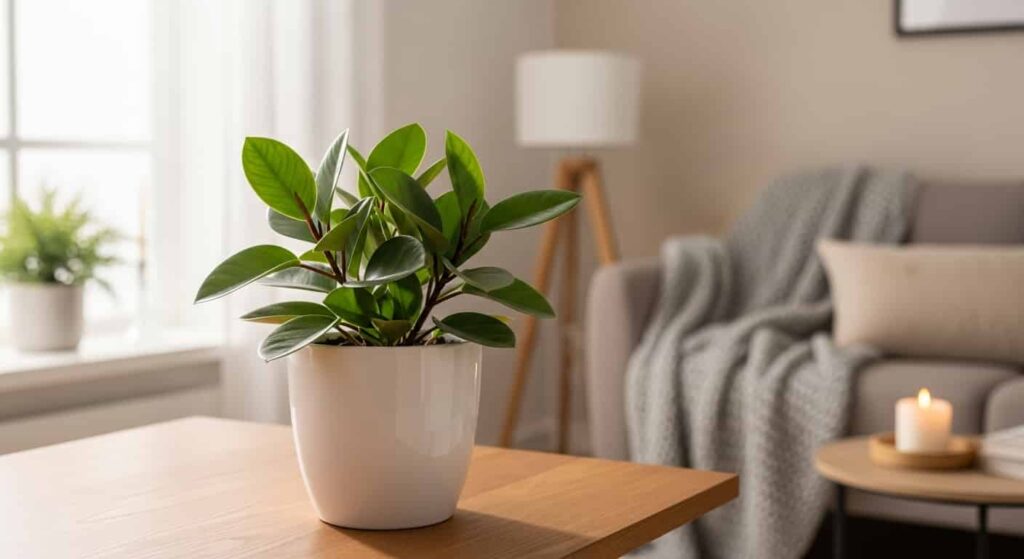
Peperomia obtusifolia is a compact, evergreen perennial in the Piperaceae family, native to South America. It typically grows 6–12 inches tall and wide, making it ideal for tabletops, shelves, and small spaces. The leaves are fleshy, waxy, and dark green (or variegated with cream and pink edges in cultivars like ‘Variegata’). It’s often called the “Baby Rubber Plant” because of its rubbery, succulent-like leaves that store moisture.
This plant is pet-friendly, low-maintenance, and slow-to-moderate growing—perfect for busy households. It rarely flowers indoors, but when it does, it produces inconspicuous white spikes that you can leave or prune.
Peperomia Obtusifolia Care Guide
Follow this complete care routine to keep your Baby Rubber Plant thriving year-round.
Light Requirements
- Best light: Bright, indirect light (east or west window with sheer curtains).
- Tolerates: Medium/low light (growth slows).
- Avoid: Direct, hot afternoon sun—it scorches the thick leaves and fades variegation.
- Pro tip: Variegated varieties need slightly brighter indirect light to maintain their patterns. Rotate the plant weekly for even growth.
Watering Schedule
- Water when the top 1–2 inches of soil feel dry (every 7–10 days in summer, 14–18 days in winter).
- Use room-temperature water and water thoroughly until it drains out the bottom.
- Key rule: Err on the side of underwatering. The succulent-like leaves and stems store water, so it forgives occasional dry spells better than soggy soil.
- Overwatering is the #1 killer—always check soil moisture with your finger or a moisture meter.
Soil and Potting Mix
- Needs a well-draining, chunky, aerated mix rich in organic matter.
- Ideal DIY mix: ½ potting soil + ½ succulent/cactus mix + extra perlite, pumice, or orchid bark for drainage.
- Alternative proven recipe: 2 parts succulent/cactus mix + 1 part ¼-inch pumice (prevents compaction and root rot).
- pH: Slightly acidic to neutral (6.0–6.5).
- Always use a pot with drainage holes (terracotta is excellent for faster drying).
Temperature and Humidity
- Ideal temperature: 65–80°F (18–27°C). Never below 50°F.
- Avoid drafts, heaters, or AC vents.
- Humidity: Average household levels (40%+) are fine, but it loves 50–60%+. Mist leaves occasionally or use a pebble tray in dry climates.
Fertilizer
- Light feeder. Apply diluted balanced liquid fertilizer (e.g., ½ strength) once or twice a month during spring and summer only.
- Skip fertilizing in fall and winter.
- Over-fertilizing causes brown leaf tips or salt buildup—less is more.
Pruning and Maintenance
- Pinch stem tips to encourage bushier growth.
- Remove yellow or dead leaves promptly.
- Wipe leaves with a damp cloth to keep them glossy and dust-free.
How to Repot Peperomia Obtusifolia (Step-by-Step)
Peperomia obtusifolia has a small root system and actually prefers being slightly rootbound. Repot only every 2–4 years (or up to 4–6 years) when necessary.
When to Repot
- Roots circling the bottom or poking out drainage holes.
- Soil drying out extremely fast.
- Stunted growth or plant looking too big for its pot.
- Best time: Spring or early summer (active growing season).
Step-by-Step Repotting Guide
- Prepare: Water the plant 24 hours before repotting. Choose a new pot only 1–2 inches larger in diameter (e.g., 4″ → 6″).
- Remove the plant: Gently turn the pot sideways and slide the plant out. Loosen the root ball slightly with your fingers—do not remove all old soil.
- Add fresh mix: Place a layer of new soil mix at the bottom of the new pot. Position the plant at the same depth as before.
- Fill and firm: Add soil around the sides, gently pressing to eliminate air pockets. Leave ½ inch of space at the top.
- Water thoroughly: Settle the soil and place in bright indirect light. Avoid fertilizing for 4–6 weeks.
Best soil mix reminder: 2 parts succulent/cactus mix + 1 part pumice (or perlite) for perfect drainage and aeration.
Propagating Peperomia Obtusifolia
Super easy and beginner-friendly! Best done in spring/summer.
- Stem cuttings (easiest): Cut a 4–6 inch healthy stem with at least 2 leaves and a node. Place in water or moist soil mix. Roots appear in 2–4 weeks.
- Leaf cuttings: Cut a healthy leaf with a small stem piece and plant in soil.
- Water propagation: Change water weekly; transplant once roots are 2–3 inches long.
- Division: Separate offsets when repotting.
Common Problems and Solutions
| Problem | Cause | Fix |
|---|---|---|
| Yellow leaves | Overwatering/root rot | Let soil dry more; improve drainage |
| Drooping/wilting | Underwatering | Water thoroughly; check soil |
| Brown leaf tips | Over-fertilizing or cold | Reduce fertilizer; move from drafts |
| Leggy growth | Insufficient light | Move to brighter indirect spot |
| Pests (mealybugs, spider mites, scale) | Poor airflow or stressed plant | Wipe with neem oil or insecticidal soap |
The plant is very pest-resistant when healthy. Root rot is the most common issue—always prioritize drainage.
Is Peperomia Obtusifolia Toxic to Pets?
No. It is non-toxic to cats, dogs, and humans. Safe for households with pets, though it’s still best to discourage nibbling large amounts.
Frequently Asked Questions (FAQs)
How often should I water Peperomia obtusifolia?
Every 7–10 days in summer and 14–18 days in winter, or when the top 1–2 inches of soil are dry.
Does Peperomia obtusifolia need direct sunlight?
No—bright indirect light is best. Direct sun burns the leaves.
Why is my Baby Rubber Plant dropping leaves?
Usually sudden temperature changes, overwatering, or drafts.
Can I grow Peperomia obtusifolia outdoors?
Yes, in USDA zones 10–12 during warm, humid months. Bring indoors before temperatures drop below 50°F.
How big does Peperomia obtusifolia get?
Typically 6–12 inches tall and wide indoors.
Should I mist my Peperomia?
Optional but beneficial in dry homes. Mist a couple of times a week.
Is Peperomia obtusifolia a succulent?
Not a true succulent, but it behaves like one with thick, water-storing leaves.
How do I make my Peperomia bushier?
Pinch stem tips regularly and provide bright indirect light.
What’s the best fertilizer for Peperomia obtusifolia?
Diluted balanced liquid houseplant fertilizer used sparingly in spring/summer.
Can I propagate in winter?
It’s possible but slower. Spring/summer gives the best success rate.
Final Thoughts
Peperomia obtusifolia is the ultimate low-maintenance houseplant—forgiving, stylish, and easy to propagate. Master the “less is more” approach to watering and repotting, give it bright indirect light, and you’ll enjoy this glossy beauty for years. Whether you’re repotting for the first time or troubleshooting yellow leaves, this guide has you covered.