Last Updated on April 2, 2026 by Peperomia obtusifolia
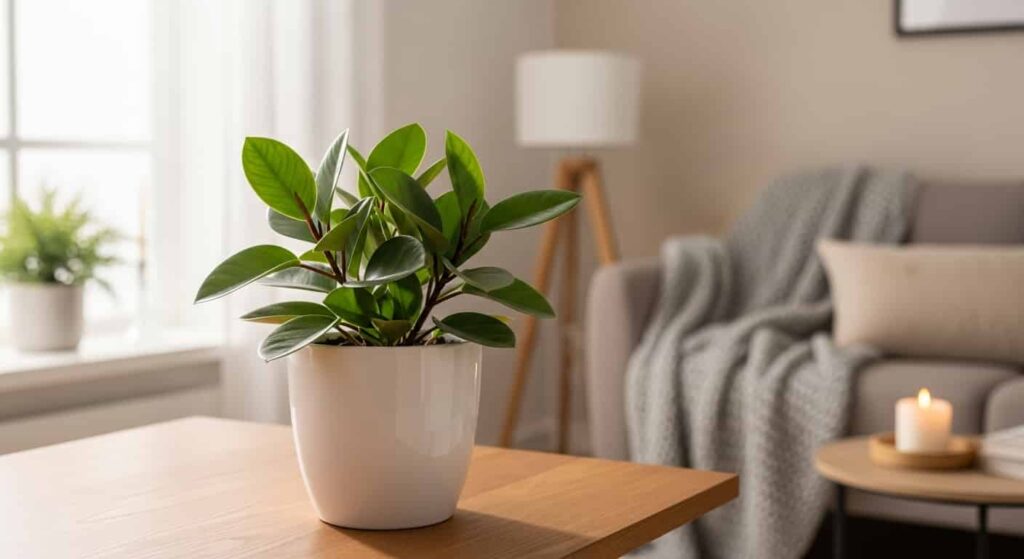
Peperomia obtusifolia Variegata, commonly known as the Variegated Baby Rubber Plant or Variegated Pepper Face, is one of the most rewarding and beginner-friendly houseplants you can grow. With its thick, glossy, succulent-like leaves marbled in creamy white, pale green, and deep green, this compact tropical plant adds instant elegance to any indoor space. It stays relatively small (typically 12–18 inches tall and wide), grows upright or slightly trailing, and is incredibly forgiving once you understand its simple needs.
This ultimate care guide answers every question plant parents ask about Peperomia obtusifolia Variegata. Whether you’re a complete beginner or an experienced collector, you’ll learn exactly how to keep your plant thriving, maintain its stunning variegation, and avoid the most common mistakes.
Quick Care Summary for Peperomia Obtusifolia Variegata
| Care Aspect | Ideal Conditions | Key Tip |
|---|---|---|
| Light | Bright indirect light | More light = better variegation |
| Watering | Every 1–2 weeks (top 1–2 inches dry) | Under-water rather than over-water |
| Soil | Well-draining, chunky mix | Add perlite/pumice for aeration |
| Temperature | 65–80°F (18–27°C) | Avoid drafts below 55°F |
| Humidity | Average to 60%+ | Tolerates dry air but loves moisture |
| Fertilizer | Balanced, diluted, every 4 weeks in spring/summer | Stop in winter |
| Propagation | Stem cuttings in water or soil | Extremely easy |
| Toxicity | Non-toxic to pets and humans | Safe around cats & dogs |
What Does Peperomia Obtusifolia Variegata Look Like and Why Is It So Popular?
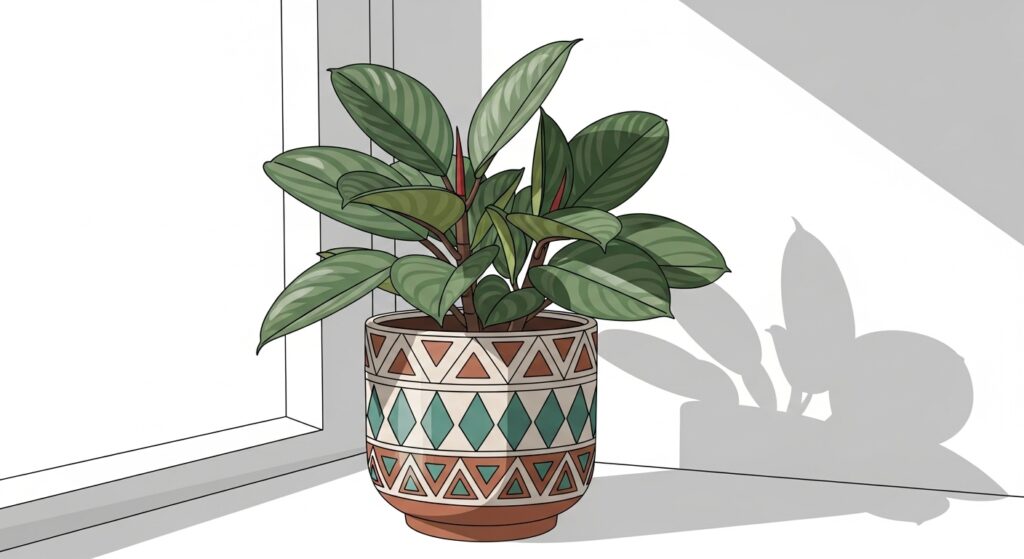
This plant features rounded, blunt-tipped leaves (hence “obtusifolia”) that feel thick and rubbery. The variegated form displays beautiful marbling of creamy white and green, often with pinkish edges on new growth. Unlike many other Peperomias with textured or ruffled leaves, this one has smooth, glossy foliage that reflects light beautifully.
It’s popular because it’s low-maintenance, compact, air-purifying, and pet-safe. Variegated varieties are especially sought after for their striking contrast, but they do require slightly brighter conditions than the solid-green version to prevent the variegation from fading.
How Much Light Does Peperomia Obtusifolia Variegata Need?
Best answer: Bright indirect light is perfect. Place it 3–5 feet from an east- or north-facing window, or near a west-facing window with sheer curtains.
- Variegated varieties need more light than solid-green ones to keep the creamy white markings vibrant. Insufficient light causes leggy stems, smaller leaves, and loss of variegation (leaves may revert to mostly green).
- Avoid direct afternoon sun — it will scorch the delicate white portions of the leaves, causing brown spots or crispy edges.
- It tolerates medium/low light but grows slowly and looks less vibrant.
- Pro tip: Rotate the plant every few weeks for even growth.
Outdoors in summer? Keep it in bright shade under a tree or patio.
How Often Should You Water Peperomia Obtusifolia Variegata?
This is the #1 reason people lose their Peperomia — overwatering.
Rule of thumb: Water thoroughly only when the top 1–2 inches of soil feel dry (or 50–75% of the soil volume is dry). In most homes this means every 7–14 days in spring/summer and every 14–21 days in winter.
- The thick, succulent-like leaves and stems store water, so it’s very forgiving if you forget to water occasionally.
- Signs it needs water: Slightly droopy leaves or the pot feels noticeably lighter.
- Signs of overwatering: Yellow leaves, mushy stems, or leaf drop.
- Always use room-temperature water and ensure the pot has drainage holes. Empty the saucer after 30 minutes.
What Is the Best Soil for Peperomia Obtusifolia Variegata?
It must be well-draining and chunky — never heavy or moisture-retentive potting soil alone.
Recommended mix:
- 50% good-quality all-purpose potting soil
- 30% perlite or pumice
- 20% orchid bark, coco chips, or coarse sand
This mimics its natural epiphytic habitat and prevents root rot. Commercial succulent/cactus mixes also work well when amended with extra perlite.
What Temperature and Humidity Does It Prefer?
- Temperature: 65–80°F (18–27°C) during the day. Never let it drop below 55°F (13°C) for long periods. Protect from cold drafts, air conditioners, and heating vents.
- Humidity: Average household humidity (40–60%) is fine, but it loves 60%+ for lush growth. In dry winter air, use a pebble tray, group it with other plants, or run a small humidifier. Occasional misting is okay but not essential.
How and When to Fertilize Peperomia Obtusifolia Variegata
Fertilize only during the active growing season (spring through early fall).
- Use a balanced liquid houseplant fertilizer (e.g., 10-10-10 or 20-20-20) diluted to half strength.
- Feed every 4 weeks.
- Skip fertilizing in winter when growth naturally slows.
- Over-fertilizing causes brown leaf tips or salt buildup — less is more.
How to Propagate Peperomia Obtusifolia Variegata (Super Easy!)
Propagation is one of the joys of this plant — success rate is very high.
Stem cuttings (easiest method):
- Take a 3–5 inch healthy stem cutting with 2–3 leaves.
- Remove lower leaves, leaving 1–2 at the top.
- Place in water (change every few days) or directly into moist well-draining soil.
- Keep in bright indirect light and high humidity (cover with a plastic bag if needed).
- Roots appear in 2–4 weeks. Pot up once roots are 1–2 inches long.
Leaf cuttings and division also work but are slower.
Best time: Spring or summer.
When and How to Repot Peperomia Obtusifolia Variegata
Repot every 2–3 years or when roots circle the bottom of the pot. Spring is ideal.
- Choose a pot only 1–2 inches larger in diameter (small roots + small pots = happier plant).
- Always use fresh, well-draining soil.
- After repotting, wait 2–3 weeks before fertilizing.
Pruning and Maintenance Tips
- Remove yellow or dead leaves with clean scissors.
- Pinch growing tips regularly to encourage bushier growth.
- Wipe leaves gently with a damp cloth to remove dust — this helps photosynthesis and keeps the variegation shiny.
Common Pests and Diseases
Pests to watch for:
- Mealybugs (white cottony spots)
- Spider mites (fine webs + stippling)
- Scale insects
- Fungus gnats (from overly wet soil)
Treatment: Isolate the plant, wipe with neem oil or insecticidal soap, and repeat every 7–10 days until gone. Increase humidity and airflow.
Diseases: Root rot (most common — caused by overwatering) and occasional leaf spot. Prevent by using proper soil and watering habits.
Troubleshooting Common Problems
| Problem | Likely Cause | Fix |
|---|---|---|
| Yellow leaves | Overwatering or underwatering | Check soil moisture; adjust watering |
| Leggy growth / loss of variegation | Too little light | Move to brighter indirect spot |
| Brown crispy edges / spots | Direct sun or low humidity | Relocate and increase humidity |
| Drooping leaves | Underwatered or root issues | Water thoroughly; check roots |
| Mushy stems / leaf drop | Overwatering / root rot | Repot in fresh soil, trim rotten roots |
| Slow growth | Low light or winter dormancy | Provide more light; be patient |
Is Peperomia Obtusifolia Variegata Toxic to Pets?
No! It is completely non-toxic to cats, dogs, and humans according to the ASPCA. Safe for households with curious pets.
Frequently Asked Questions (FAQs)
Can it grow in low light?
It survives but won’t thrive or keep strong variegation. Bright indirect light is best.
Why are my leaves losing their white variegation?
Not enough light. Move it closer to a bright window.
How do I make it bushier?
Regular pinching of new growth tips + adequate light.
Does it flower?
Yes — small, inconspicuous greenish-white spikes appear in summer. They’re not showy; many growers remove them to focus energy on foliage.
Can I grow it outdoors?
In warm climates (USDA zones 10–12), yes, in bright shade. Bring indoors before temperatures drop below 55°F.
Final Thoughts: Why Peperomia Obtusifolia Variegata Belongs in Every Home
This plant is the perfect combination of beauty, resilience, and ease. Once you master the “let it dry out a bit” watering rule and give it bright indirect light, it will reward you with years of lush, variegated foliage and effortless growth.
Follow this guide and your Variegated Baby Rubber Plant will become one of the stars of your plant collection. Happy growing!