Last Updated on April 2, 2026 by Peperomia obtusifolia
Peperomia obtusifolia, commonly known as the Baby Rubber Plant or Pepperface Plant, is one of the easiest and most forgiving houseplants you can own. Its thick, glossy, succulent-like leaves store water, making it naturally drought-tolerant. But winter changes everything: shorter days, drier indoor air from heating, and slower plant metabolism mean your care routine must adapt or risk yellow leaves, root rot, or leaf drop.
This complete, step-by-step guide gives you exactly what your Peperomia obtusifolia needs to stay lush, healthy, and vibrant all winter long. Follow these proven tips and your plant will thrive until spring.
Why Winter Care Is Different for Peperomia Obtusifolia
In its native tropical understory habitat, this epiphytic plant enjoys consistent warmth, humidity, and filtered light. Winter indoors flips the script:
- Light levels drop by up to 50%.
- Heating systems dry the air (often below 30% humidity).
- The plant enters semi-dormancy and uses far less water and nutrients.
The golden rule for winter: Do less—but do it smarter. Less water, more light focus, steady warmth, and humidity support.
1. Light Requirements in Winter
Best winter light: Bright, indirect light (south- or east-facing window is ideal). Your plant still needs strong light to prevent leggy growth and pale leaves, but direct afternoon sun can scorch the fleshy leaves.
Winter action steps:
- Move the plant to your brightest spot.
- Rotate it weekly for even growth.
- If natural light is low (common in northern climates or cloudy winters), add a full-spectrum grow light (10–12 hours daily on a timer).
- Early morning direct sun is usually safe and even beneficial in winter.
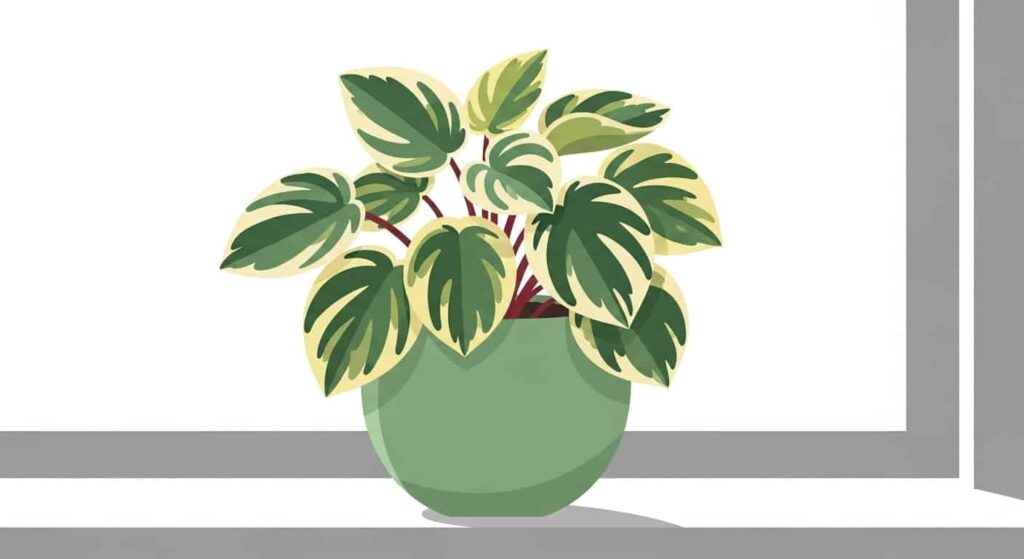
Pro tip: Variegated varieties need slightly brighter light to keep their cream-and-green patterns vivid.
2. Ideal Temperature and Draft Protection
Optimal range: 65–75°F (18–24°C) during the day. Never let nighttime temperatures drop below 55°F (13°C). Cold damage shows as brown leaf tips or sudden leaf drop.
Critical winter rules:
- Keep away from cold drafts, open windows, exterior doors, and heating/AC vents.
- Move the plant a few feet back from windows on freezing nights.
- Avoid sudden temperature swings—these trigger stress and leaf loss.
If your home runs cooler, a seedling heat mat under the pot can gently warm the roots without drying the air.
3. Humidity: Combat Dry Winter Air
Peperomia obtusifolia prefers 40–60% humidity but is surprisingly tolerant of average household levels (even as low as 25–30%). Still, dry winter heating can cause brown leaf edges or tip burn.
Easy humidity boosters:
- Place the pot on a pebble tray filled with water (roots not sitting in water).
- Run a cool-mist humidifier nearby.
- Group your plant with other houseplants to create a mini humid microclimate.
- Skip frequent misting in winter to avoid fungal issues—ambient humidity is better.
Monitor with a cheap digital hygrometer so you know exactly what your plant is experiencing.
4. Watering Guide: The #1 Winter Mistake to Avoid
Overwatering is the fastest way to kill a Peperomia obtusifolia in winter. The plant barely grows and needs far less moisture.
Winter watering schedule:
- Water every 14–18 days (or every 2–4 weeks) — much less than the summer’s 7–10 days.
- Always let the top 50–75% of the soil dry out completely before watering again.
- Use the finger test: Stick your finger 1–2 inches into the soil. Water only if it feels dry.
- Water thoroughly until it drains out the bottom, then empty the saucer—never let the pot sit in water.
Signs you’re watering correctly: Firm, plump leaves and soil that feels just barely moist an inch down. Signs of trouble: Yellow lower leaves, soft mushy stems, or a musty smell = overwatering/root rot.
Tool recommendation: A simple soil moisture meter takes the guesswork out.
5. Soil and Potting Tips for Winter
Use a well-draining, airy mix (regular potting soil is often too heavy). Ideal blend: peat or coco coir + perlite or orchid mix for extra aeration.
Winter repotting rule: Don’t repot in winter unless the plant is severely root-bound or suffering root rot. Wait until spring when growth resumes. Choose a pot only 1–2 inches larger than the current one—Peperomias like to be slightly snug.
6. Fertilizing in Winter
Skip fertilizer completely from late fall through winter. The plant is not actively growing, and extra nutrients can burn roots or cause salt buildup (brown leaf spots).
Resume balanced, diluted liquid fertilizer (half strength) only when you see new growth in spring.
7. Pruning, Cleaning, and General Maintenance
- Pruning: Trim leggy stems or yellow leaves with clean scissors to encourage bushier growth. Propagation from cuttings is easy in spring.
- Cleaning: Wipe dusty leaves gently with a damp cloth every 2–3 weeks. Clean leaves = better photosynthesis.
- Pests: Winter dryness can bring spider mites or mealybugs. Inspect regularly and treat early with neem oil or insecticidal soap.
Common Winter Problems and Quick Fixes
| Problem | Likely Cause | Fix |
|---|---|---|
| Yellow leaves | Overwatering / root rot | Let soil dry, trim bad roots, repot in fresh mix |
| Brown leaf tips | Cold drafts or low humidity | Move from drafts, boost humidity |
| Leaf drop | Cold temps or temperature swings | Stabilize temperature, avoid drafts |
| Leggy growth / pale leaves | Insufficient light | Move to brighter spot or add grow light |
| Mushy stems | Overwatering | Reduce water immediately, improve drainage |
| No growth | Normal winter dormancy | Be patient—growth resumes in spring |
Pro Tips for a Thriving Baby Rubber Plant This Winter
- Observe your specific plant and microclimate—adjust based on what you see.
- If you use forced-air heat, run a humidifier in the same room.
- South-facing windows are your best friend in winter.
- Less is truly more: less water, less fertilizer, more attention to light and warmth.
FAQ: Your Top Peperomia Obtusifolia Winter Questions Answered
Can I put my Peperomia outside in winter?
No—bring it indoors well before temperatures drop below 55°F. It is frost-sensitive.
How often should I water in winter?
Every 2–4 weeks, or when the top half of the soil is dry. Always check with your finger.
Does it need a humidifier?
Not mandatory, but highly recommended if your indoor humidity is below 40%.
Why are the leaves turning yellow?
Almost always overwatering in winter. Cut back immediately.
Can it survive low light in winter?
It will survive but may become leggy. Bright indirect light or a grow light is best for strong growth.
When should I start normal care again?
As soon as you see new growth and soil dries faster—usually March/April.
Your Peperomia obtusifolia is a tough, beautiful tropical that just needs a few smart adjustments in winter. Follow this guide, observe your plant, and you’ll enjoy its glossy green (or variegated) foliage all season long.