Last Updated on March 23, 2026 by Peperomia obtusifolia
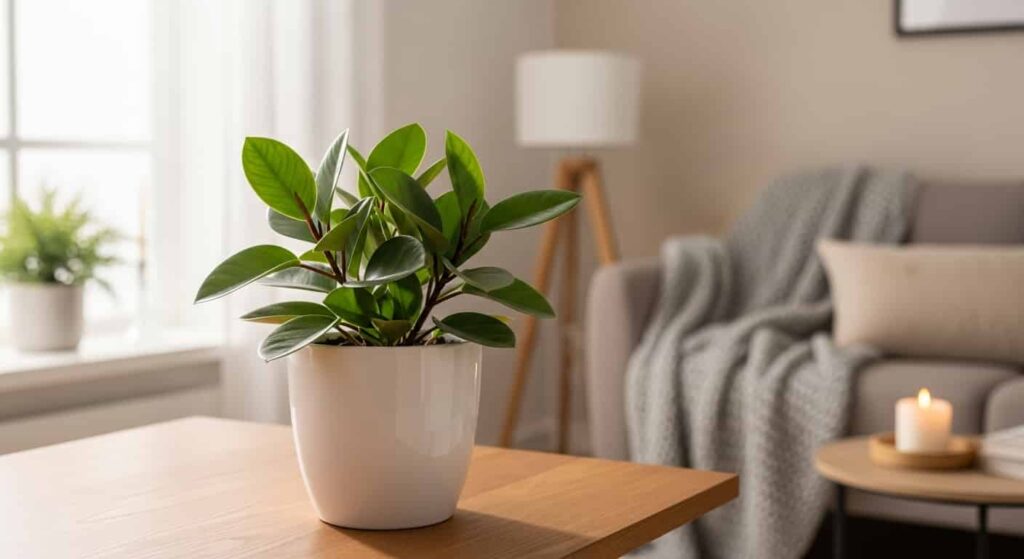
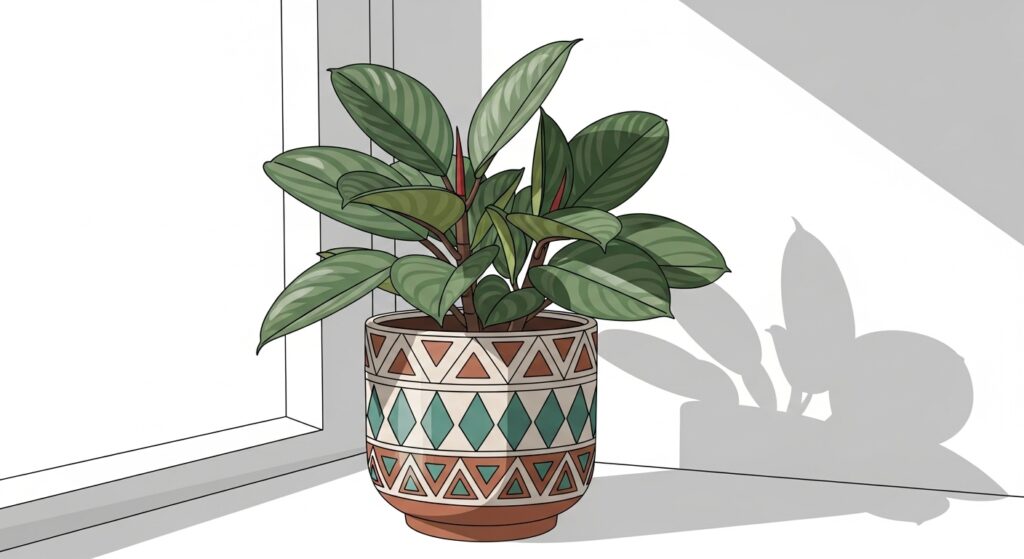
Peperomia Obtusifolia — also called the Baby Rubber Plant — is one of the easiest houseplants to propagate in water. Whether you’re a first-time plant parent or just new to propagation, this guide walks you through every step: from taking the perfect cutting to transplanting a rooted, thriving plant.
Let’s get your new plant growing today.
What Is Peperomia Obtusifolia?
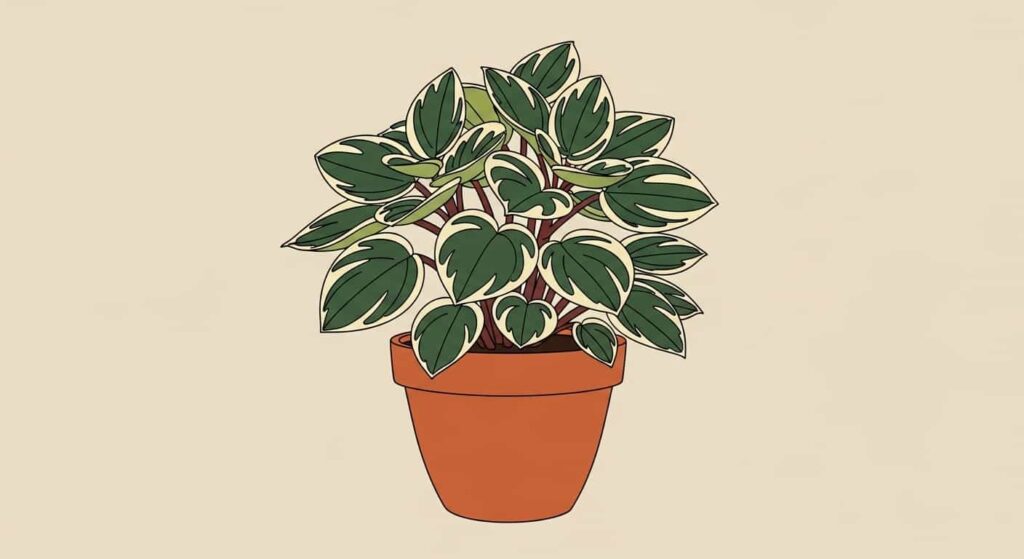
Peperomia Obtusifolia is a compact, low-maintenance tropical houseplant native to South America and the Caribbean. Its thick, glossy, dark-green leaves store water like a succulent — which is exactly why it’s so forgiving for beginners.
Key characteristics:
- Common names: Baby Rubber Plant, American Rubber Plant, Pepper Face
- Growth habit: Upright, bushy, reaching 10–12 inches tall
- Light needs: Bright indirect light (tolerates low light)
- Toxicity: Non-toxic to humans, cats, and dogs ✅
Its fleshy stems and leaves make it an ideal candidate for water propagation — it roots reliably and quickly with almost no effort.
Why Propagate in Water?
Water propagation has real advantages over soil propagation, especially for beginners:
| Benefit | Why It Matters |
|---|---|
| Visible rooting | You can watch roots grow — no guessing |
| Lower failure rate | No soil drying out and killing delicate roots |
| No special equipment | Just a jar and clean water |
| Free plants | Multiply your collection at zero cost |
| Fast results | Roots often appear in 2–4 weeks |
What You’ll Need
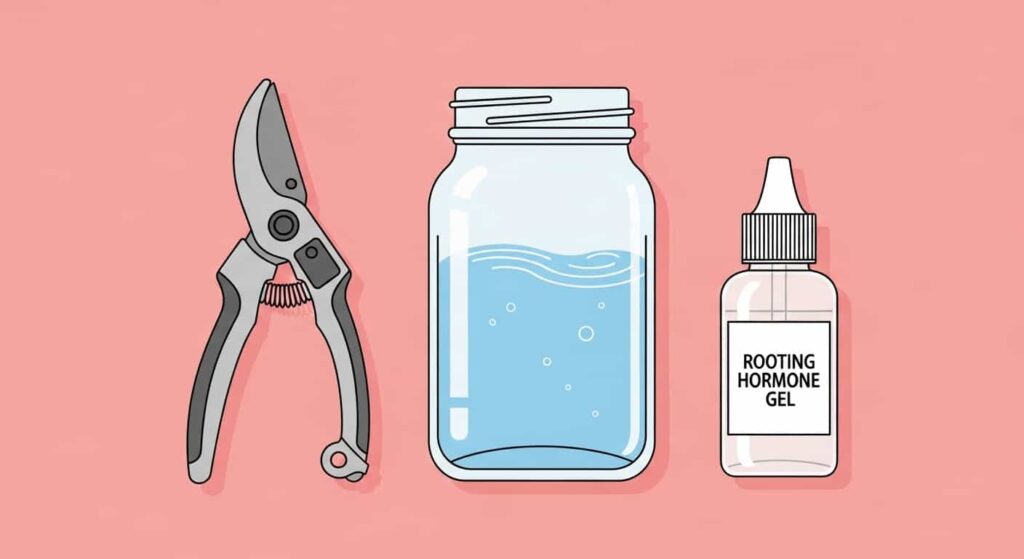
Before you start, gather these supplies. Most likely, you already own.
Essential Tools
- Sharp pruning shears or scissors — clean cuts prevent stem damage and rot
- Clean glass or jar — a narrow-necked vessel holds cuttings upright perfectly
- Room-temperature water — filtered or tap water left out overnight works great
- Bright spot away from direct sun — a windowsill with filtered light is ideal
Optional But Helpful
- Rooting hormone powder or gel — speeds up root development noticeably
- Liquid fertilizer (half-strength) — adds nutrients once roots appear
- Small pots + well-draining potting mix — for transplanting once roots are ready
💡 Recommendation: A quality pair of clean, sharp pruning shears makes a huge difference in propagation success. Dull blades crush stems and invite rot. → Check out top-rated pruning shears here
When Is the Best Time to Propagate?
Spring and early summer are the ideal seasons — this is when Peperomia Obtusifolia is in active growth, and cuttings root fastest.
That said, this plant is adaptable. You can propagate year-round indoors with success, as long as:
- Indoor temperatures stay between 65–80°F (18–27°C)
- The parent plant is healthy and actively growing
- You’re providing adequate indirect light
Avoid taking cuttings from a stressed, overwatered, or recently repotted plant.
How to Take the Perfect Cut
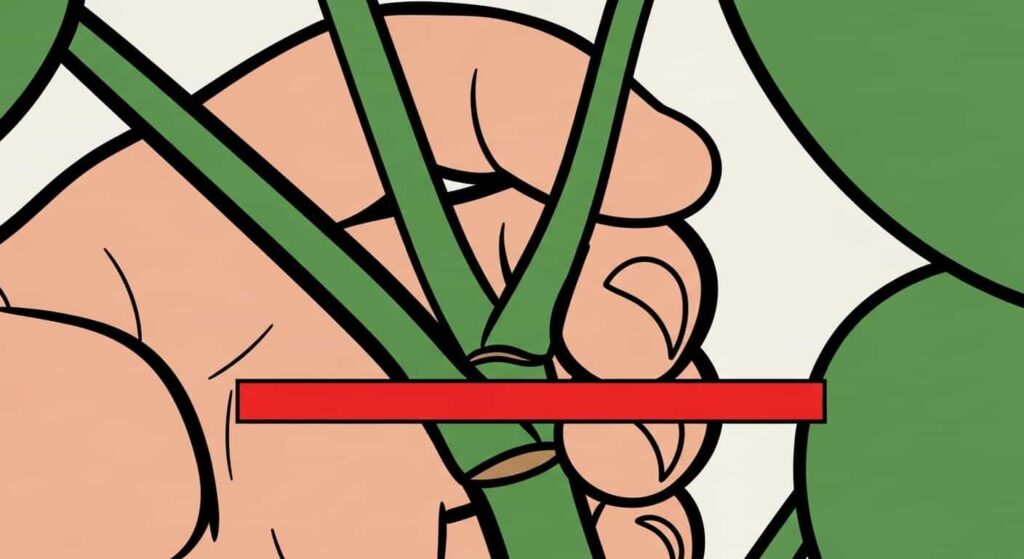
This is the most important step. A good cutting = fast, healthy roots.
Stem Cuttings (Most Reliable Method)
- Choose a healthy stem with at least 2–3 leaves and no signs of yellowing, rot, or pests
- Cut just below a leaf node (the bump where a leaf connects to the stem) using clean, sharp scissors
- Aim for 3–5 inches (7–12 cm) in length — long enough to submerge the lower portion, short enough to stay stable
- Remove the bottom 1–2 leaves to expose a clean section of the stem for the water
Leaf + Petiole Cuttings (Alternative Method)
You can also propagate using a single leaf with its petiole (the small stalk attaching the leaf to the stem) still attached:
- Gently pull or cut the leaf off with the petiole intact
- Place the petiole in water, leaf resting above the waterline
- This method is slower but useful if you only want to take a minimal cut
⚠️ Important: A leaf without the petiole will not propagate successfully. The petiole is essential.
Step-by-Step: Propagating in Water
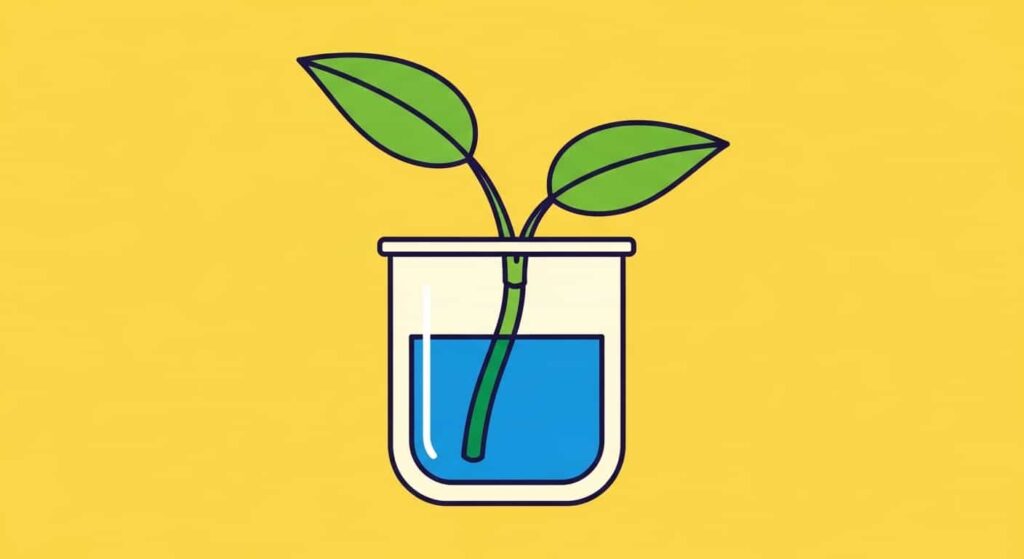
Follow these steps precisely, and you’ll have rooted cuttings in 2–5 weeks.
Step 1 — Prepare Your Cutting
Take your cutting using the method above. Let the cut end sit in the open air for 30–60 minutes to callus slightly. This small step reduces the chance of rot in water.
Step 2 — Fill Your Vessel
Fill a clean glass or jar with room-temperature water. Avoid cold water directly from the tap — it can shock the cutting.
If using tap water, let it sit uncovered for 24 hours to allow chlorine to off-gas. Alternatively, use filtered water.
💡 Recommendation: A set of propagation stations (stylish glass vases designed specifically for water propagation) keeps cuttings upright, receives great light, and looks beautiful on a shelf. → Browse our favorite propagation station sets here
Step 3 — Place the Cutting in Water
Submerge the bottom 1–2 inches of the stem in water. The leaves must stay above the waterline — submerged leaves will rot quickly and contaminate the water.
The narrow neck of a bottle or propagation vase helps hold the cutting at the right depth without it sinking.
Step 4 — Optionally Apply Rooting Hormone
For faster results, dip the cut end in rooting hormone gel or powder before placing it in water. This mimics the natural hormones that stimulate root cell development.
💡 Recommendation: Rooting hormone gel is inexpensive and can cut rooting time nearly in half. → See the best-reviewed rooting hormone gels here
Step 5 — Place in Bright, Indirect Light
Set your jar in a warm spot with bright, indirect light — near a north or east-facing window is ideal. Avoid:
- Direct sun (heats the water, promotes algae and rot)
- Dark corners (slows rooting dramatically)
Step 6 — Change the Water Regularly
Replace the water every 5–7 days with fresh, room-temperature water. This is non-negotiable — stagnant water becomes depleted of oxygen and breeds bacteria that rot stems.
Rinse the jar each time you change water.
Step 7 — Wait and Watch
Roots typically begin emerging in 2–4 weeks, sometimes sooner in warm conditions. You’ll first see tiny white nubs forming at nodes or the cut end — these will grow into full roots over the following weeks.
Once roots reach 1–2 inches (2.5–5 cm) long, your cutting is ready to transplant.
How to Care for Your Cuttings During Rooting
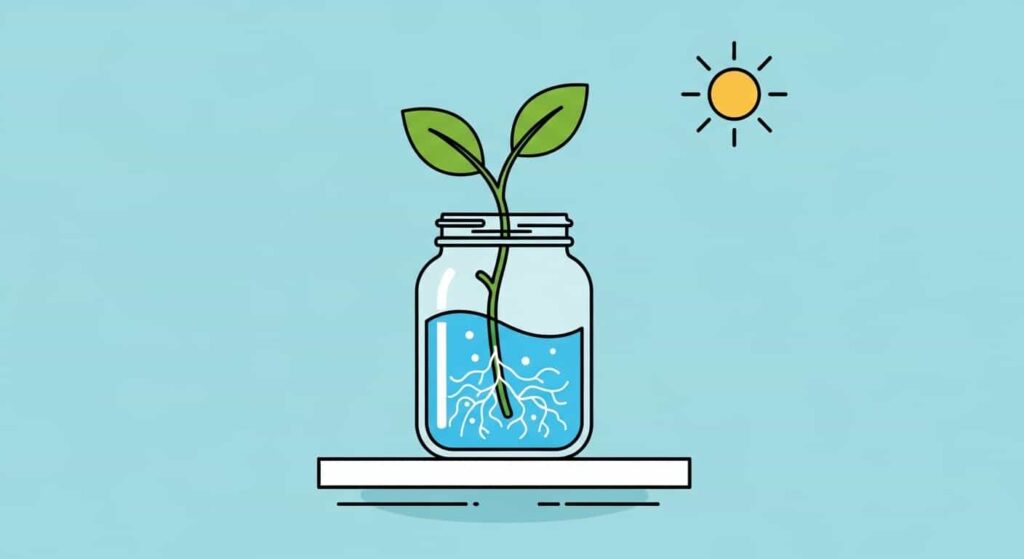
While waiting for roots, keep conditions stable:
- Temperature: 65–80°F (18–27°C). Warmer = faster rooting.
- Humidity: Normal household humidity is fine. Higher humidity helps, but isn’t required.
- Light: Consistent, bright, indirect light. Rotate the jar occasionally for even growth.
- Water level: Top up between changes if the level drops below the stem.
- Fertilizer: Once roots are 1 inch long, add a few drops of half-strength liquid fertilizer to the water to support growth. Do not fertilize before roots appear.
💡 Recommendation: A gentle, balanced liquid houseplant fertilizer used at half-strength gives water-propagated cuttings a nutrition boost at the right time. → Find our recommended liquid fertilizers here
When and How to Transplant to Soil
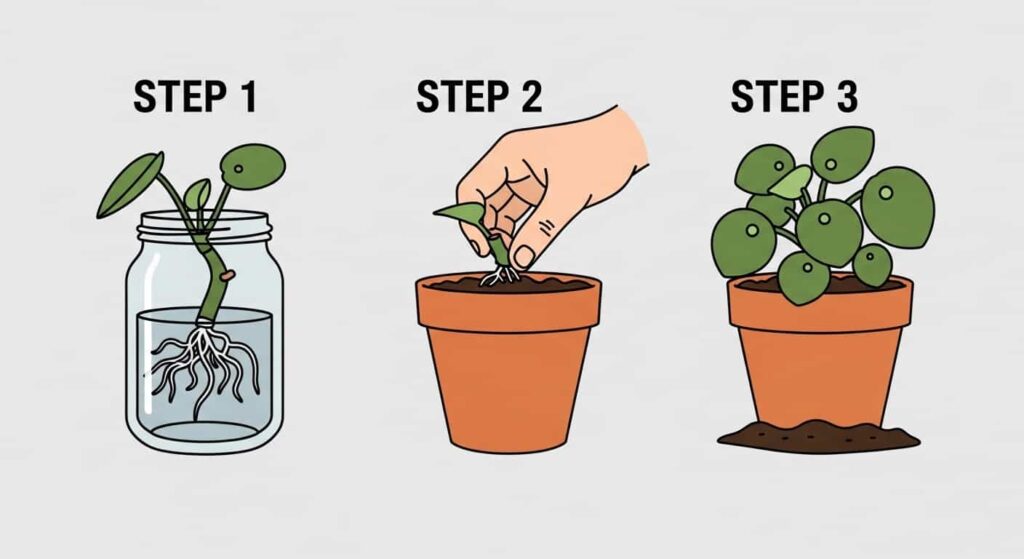
Don’t leave your cutting in water indefinitely. Water roots are structurally different from soil roots — the longer you wait, the harder the transition becomes.
When to Transplant
Transplant when roots are 1–2 inches (2.5–5 cm) long, and you can see multiple healthy white roots. Avoid waiting until roots become long and tangled.
How to Transplant
- Prepare a small pot (3–4 inches / 7–10 cm) with drainage holes
- Use a well-draining potting mix — a mix of standard potting soil + perlite (50/50) works well for Peperomia
- Make a small hole in the center of the soil with your finger
- Gently place the rooted cutting into the hole, keeping roots intact
- Firm soil lightly around the base — don’t compact it
- Water lightly — just enough to settle the soil
- Keep in bright, indirect light and avoid fertilizing for 3–4 weeks while the plant adjusts
Transition Care
Expect a brief adjustment period of 1–2 weeks as the plant adapts from water to soil. You may notice temporary drooping — this is normal. Resume normal watering once the top inch of soil dries out.
💡 Recommendation: A quality potting mix blended for succulents and tropical plants (with built-in perlite) takes the guesswork out of getting the right soil drainage for Peperomia. → Shop top-rated Peperomia potting mixes here
Common Mistakes to Avoid
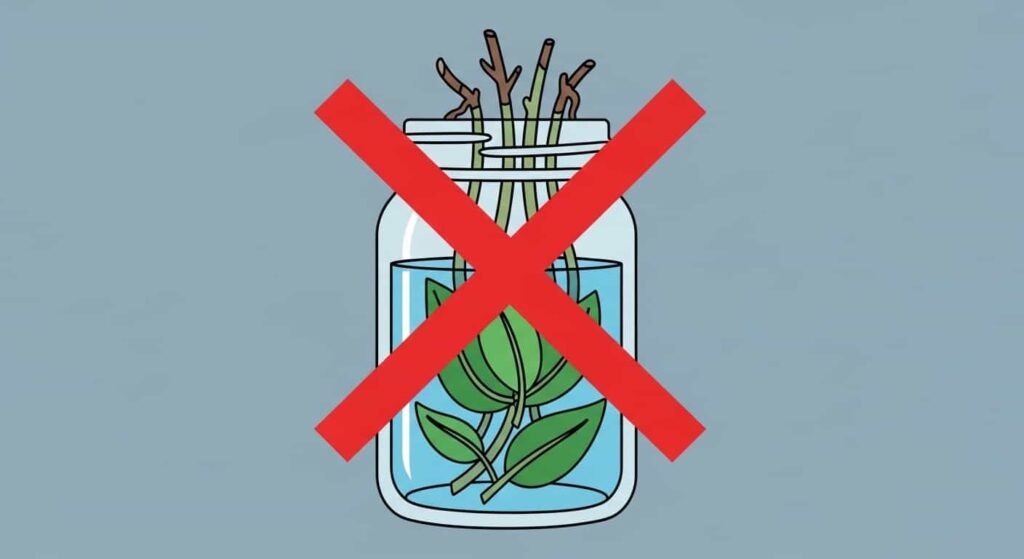
These are the most frequent reasons water propagation fails:
❌ Submerging Leaves in Water
Leaves rot fast in water and will contaminate your entire jar. Always ensure all leaves sit above the waterline.
❌ Using Dirty Scissors or Jars
Bacteria on unsterilized tools or containers transfer directly to your cutting. Wipe scissors with rubbing alcohol before each use and wash jars with soap.
❌ Not Changing the Water
Stagnant water depletes oxygen and breeds rot-causing bacteria. Change it every 5–7 days without fail.
❌ Direct Sunlight
Direct sun heats the water rapidly, promotes algae blooms, and can bleach or stress your cutting. Bright indirect light is the goal.
❌ Taking Cuttings from an Unhealthy Plant
A sick or stressed parent plant produces weak cuttings. Always propagate from healthy, vigorous growth.
❌ Transplanting Too Early or Too Late
Too early (roots under 1 inch): not enough root mass to support the plant in the soil. Too late (roots over 3–4 inches): water roots become brittle and tangled, making the soil transition harder.
Troubleshooting: Why Aren’t My Cuttings Rooting?
| Problem | Likely Cause | Fix |
|---|---|---|
| No roots after 6+ weeks | Too cold, too dark | Leaves touching water, or cutting unhealthy ones |
| Stem turning brown/mushy | Rot from bacteria or submerged leaves | Start fresh, clean jar, remove all leaves from water |
| Cloudy/smelly water | Not changed often enough | Change every 5–7 days minimum |
| Leaves yellowing | Leaves touching water, or cutting unhealthy | Trim submerged leaves, re-cut from healthy stem |
| Roots growing but then dying | Water not changed, or contaminated jar | Clean jar, refresh water, consider filtered water |
Frequently Asked Questions
How long does it take Peperomia Obtusifolia to root in water?
Most cuttings develop visible roots within 2–4 weeks in warm (70–75°F), bright conditions. Cooler temperatures or lower light can extend this to 5–6 weeks.
Can I leave Peperomia Obtusifolia in water permanently?
You can grow it hydroponically long-term, but the plant will grow more vigorously and healthily in well-draining soil. Water-grown plants often remain smaller and may eventually decline without supplemental nutrients.
Do I need rooting hormone for water propagation?
No — Peperomia Obtusifolia roots readily in water without it. However, rooting hormone does speed up the process noticeably and can improve success rates, especially in lower-light conditions.
What’s the best container for water propagation?
A narrow-necked glass bottle or dedicated propagation vase that holds the cutting upright with the stem submerged and leaves above water. Clear glass lets you monitor root development easily.
Can I propagate a leaf without a stem?
A leaf with its petiole (the small stalk) can be propagated. A bare leaf without any petiole will not root successfully.
Why is my cutting wilting in water?
Some initial wilting is normal in the first 1–2 days as the cutting adjusts. If wilting persists beyond 3–4 days, check for rot at the base of the stem. Ensure leaves are not in the water and that the water is fresh.
How many cuttings can I take from one plant?
Take no more than 20–25% of the plant’s stems at one time to avoid stressing the parent plant. You can always take more cuttings a few weeks later, once the parent has recovered.
Final Thoughts
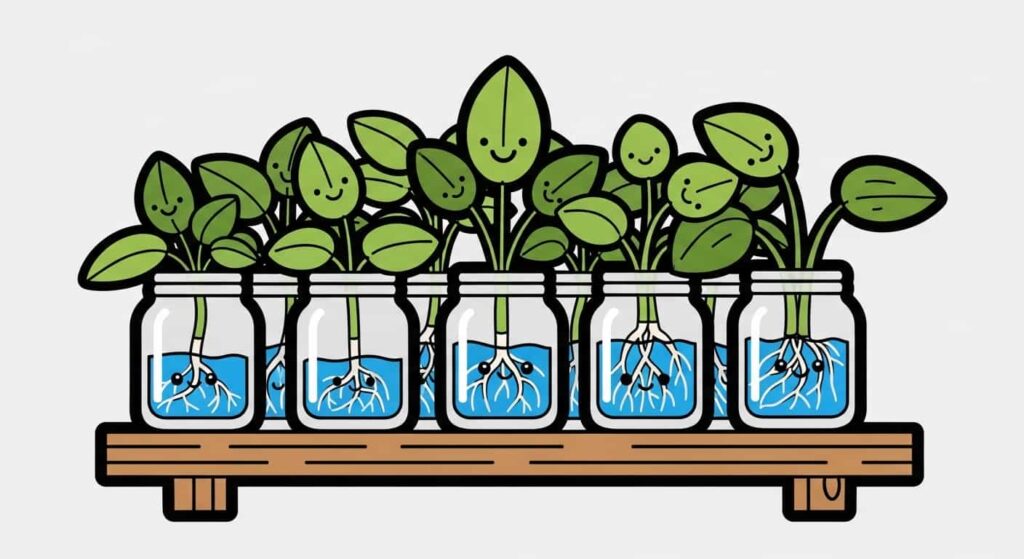
Propagating Peperomia Obtusifolia in water is one of the most rewarding and beginner-friendly projects in houseplant care. With sharp scissors, a clean jar, fresh water, and a bright windowsill, you can turn a single healthy plant into many — entirely for free.
The keys to success are simple: clean tools, consistent water changes, the right light, and patience.
Try it this weekend — you’ll have rooted cuttings in a matter of weeks.
Happy growing! 🌿
Quick Reference — Propagation Checklist
- [ ] Healthy stem cutting, 3–5 inches, node intact
- [ ] Bottom leaves removed
- [ ] Cut end calloused 30–60 min
- [ ] Clean jar, room-temp water
- [ ] Stem submerged 1–2 inches, leaves above water
- [ ] Bright, indirect light location
- [ ] Water changed every 5–7 days
- [ ] Transplant when roots reach 1–2 inches