Last Updated on April 2, 2026 by Peperomia obtusifolia
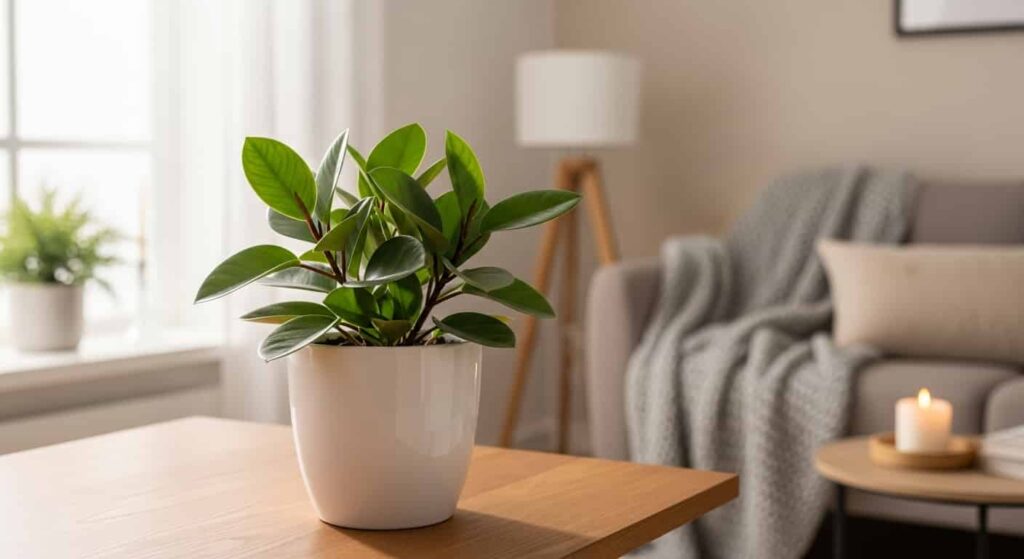
Peperomia obtusifolia, commonly known as the Baby Rubber Plant, is one of the easiest and most forgiving houseplants for beginners. Its thick, fleshy, glossy leaves and succulent-like stems allow it to store water, making it drought-tolerant yet highly sensitive to overwatering. The number one cause of failure with this plant is root rot from soggy soil.
In this complete AEO-optimized guide, you’ll learn exactly how to water Peperomia obtusifolia the right way, how often to do it, how to check soil moisture, signs of overwatering vs. underwatering, seasonal adjustments, and pro tips to keep your plant thriving for years.
Why Proper Watering Matters for Peperomia Obtusifolia
Peperomia obtusifolia is an epiphytic semi-succulent native to tropical regions. It stores water in its leaves, stems, and roots rather than relying on constant soil moisture. Overwatering is far more dangerous than slight underwatering. When watered correctly, this plant grows moderately fast with plump, vibrant leaves and rarely has pest or disease issues.
Quick answer: Water your Peperomia obtusifolia only when the top 1–2 inches (or 75% of the soil) feel completely dry. In most homes, this means every 7–14 days in spring/summer and every 14–21+ days in fall/winter.
How Often Should You Water Peperomia Obtusifolia?
There is no fixed calendar schedule — always check the soil instead of guessing.
Typical watering frequency:
- Growing season (spring & summer): Every 7–10 days
- Dormant season (fall & winter): Every 14–18 days (sometimes longer)
- Bright, warm, low-humidity homes: Water slightly more often
- Low light or cool rooms: Water less often
Key rule: Let the soil dry out almost completely between waterings. Baby Rubber Plant can tolerate drying out fully without damage, unlike some other Peperomia species.
How to Check If Your Peperomia Obtusifolia Needs Water (3 Easy Methods)
- Finger test (most reliable): Insert your finger 2 inches deep into the soil. If it feels dry all the way down, it’s time to water. If it still feels moist, wait 3–4 more days.
- Leaf feel test: Healthy, well-watered leaves feel firm and plump. When the plant is thirsty, leaves become softer, slightly flexible, and less rigid.
- Moisture meter (optional for beginners): Use a cheap soil moisture meter and water when it reads “dry” in the root zone.
Never water on a strict schedule — your plant’s needs change with season, light, pot size, and indoor climate.
Step-by-Step: How to Water Peperomia Obtusifolia Correctly
Follow these steps every time:
- Check soil moisture using the methods above.
- Take the plant to a sink or bathtub.
- Water thoroughly at the base of the plant (avoid wetting the leaves to prevent fungal issues).
- Use room-temperature water (never cold straight from the tap).
- Water until it drains freely from the bottom holes — usually about ¾ cup for a 6-inch pot.
- Let it drain completely for 10–15 minutes. Never let the pot sit in a saucer of water.
- Empty the saucer so roots never sit in standing water.
Pro tip: Bottom watering is excellent for Peperomia obtusifolia. Place the pot in a shallow tray of water for 20–30 minutes so the soil absorbs moisture from below while keeping leaves dry.
Best Water for Peperomia Obtusifolia
- Room-temperature tap water is usually fine (let it sit out 24 hours if your water is heavily chlorinated).
- Filtered or rainwater is ideal.
- Avoid softened water (high salt content) and ice-cold water.
Signs of Overwatering vs. Underwatering
Overwatering (most common problem):
- Yellowing lower leaves that feel soft or translucent
- Mushy stems or leaves
- Soil stays wet for many days
- Drooping even though soil is wet
- Fungus gnats or mold on soil surface
- Root rot (dark, smelly roots when checked)
Fix: Stop watering immediately. Move to brighter light, improve airflow, and repot in fresh well-draining soil if roots are affected. Remove damaged leaves.
Underwatering:
- Wilting or drooping leaves
- Leaves feel thin, soft, or crispy
- Soil is bone-dry
- Leaf edges may turn brown and crispy
Fix: Water thoroughly right away. Leaves usually perk up within a few hours.
Seasonal Watering Adjustments
- Spring/Summer: Higher light and warmth = faster drying = more frequent watering.
- Fall/Winter: Lower light and cooler temperatures = slower drying = water much less often.
- Heating season: Indoor heating dries air and soil faster — check soil weekly.
Factors That Affect Watering Needs
- Pot type: Terracotta and unglazed pots dry out faster than plastic or ceramic.
- Pot size: Smaller pots dry out quicker.
- Light levels: Bright indirect light (ideal) increases watering frequency. Low light decreases it.
- Soil mix: Must be well-draining (see below).
- Humidity: Average household humidity (40–60%) is perfect. No misting required.
Best Soil Mix for Proper Watering
Use a chunky, fast-draining mix so water doesn’t stay around the roots:
- 50% good-quality potting soil
- 30% perlite or pumice
- 20% orchid bark or coco coir
Or simply use a commercial succulent/cactus mix. Excellent drainage prevents overwatering issues.
Common Watering Mistakes to Avoid
- Watering on a fixed schedule instead of checking soil
- Keeping the plant in a pot without drainage holes
- Letting it sit in water
- Watering when soil is still moist
- Using cold water
- Over-misting the leaves
FAQs About Watering Peperomia Obtusifolia
How do I know if I’m overwatering my Baby Rubber Plant?
Yellow, mushy lower leaves and constantly wet soil are the clearest signs.
Can Peperomia obtusifolia dry out completely?
Yes — unlike many houseplants, it tolerates full dry-out very well because of its water-storing leaves.
Should I mist my Peperomia obtusifolia?
No. It prefers average household humidity and misting can encourage leaf issues.
What if my plant is drooping?
Check soil first. If bone-dry → underwatered. If wet → overwatered. Most drooping in this species is from lack of water.
How much water does a 6-inch pot need?
Usually ¾–1 cup until it drains freely.
Can I use tap water?
Yes, after letting it sit out overnight to remove chlorine.
Is Peperomia obtusifolia good for beginners?
Absolutely — its watering tolerance makes it one of the most forgiving houseplants.
Final Tips for Long-Term Success
- Always use pots with drainage holes.
- Place in bright indirect light (east or west window is perfect).
- Fertilize lightly only during spring/summer (every 4–6 weeks) with a balanced houseplant fertilizer at half strength.
- Repot only every 3–5 years when roots fill the pot.
Master the “let it dry out” rule and your Peperomia obtusifolia will reward you with lush, glossy foliage and easy care for many years.
Your plant will thank you — happy watering!