
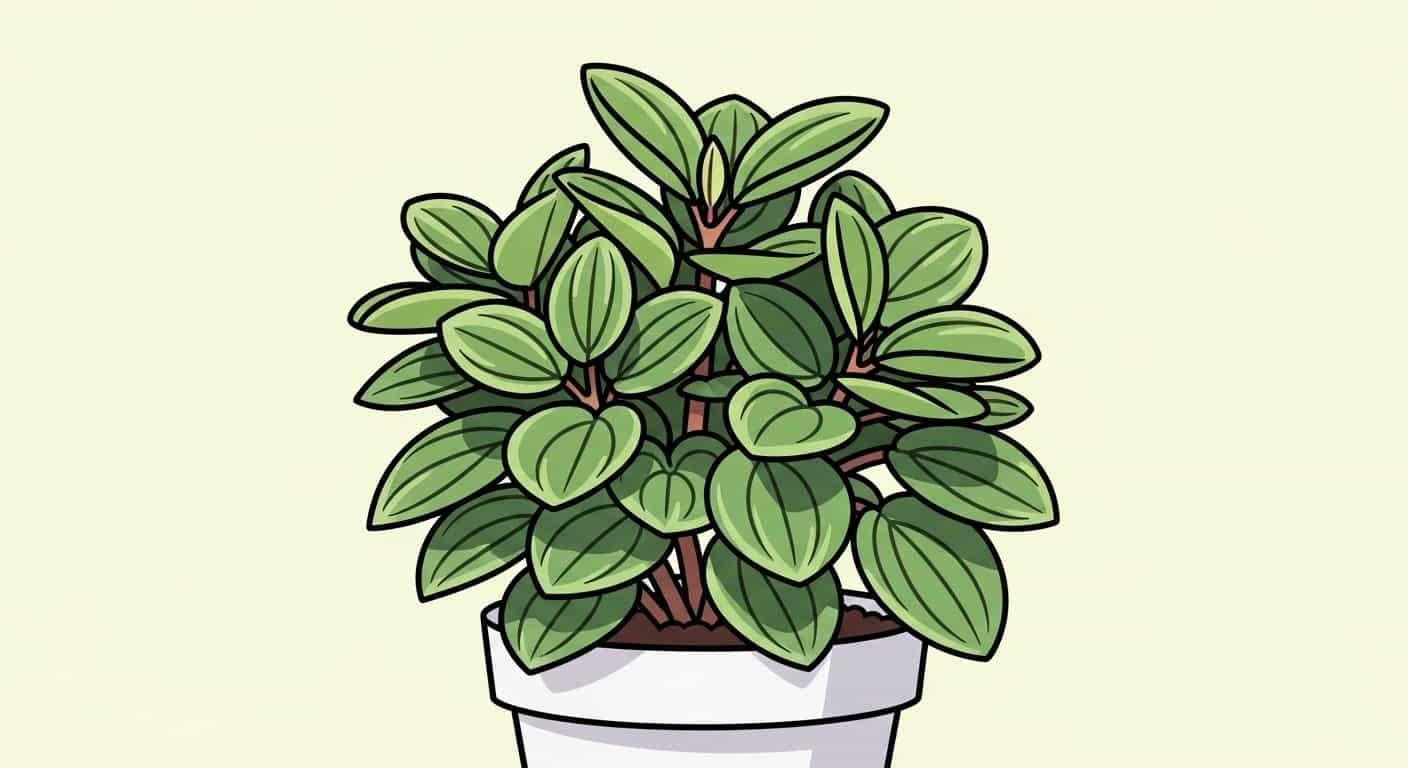
The Peperomia obtusifolia, often called the baby rubber plant, is a favorite among houseplant enthusiasts. With its thick, glossy, spoon-shaped leaves and compact growth, it brings a touch of lush greenery to any space without demanding much in return. It’s known for being relatively low-maintenance, making it a great choice for both beginners and seasoned plant parents.
However, even the most resilient plants can run into trouble. If your once-vibrant baby rubberplant is looking a little sad—perhaps its leaves are yellowing, drooping, or falling off—don’t panic. Most common Peperomia obtusifolia problems are easy to diagnose and fix. This guide will walk you through the most frequent issues, help you identify the cause, and provide simple solutions to get your plant back to its healthy, happy self.
Common Problems with Peperomia Obtusifolia
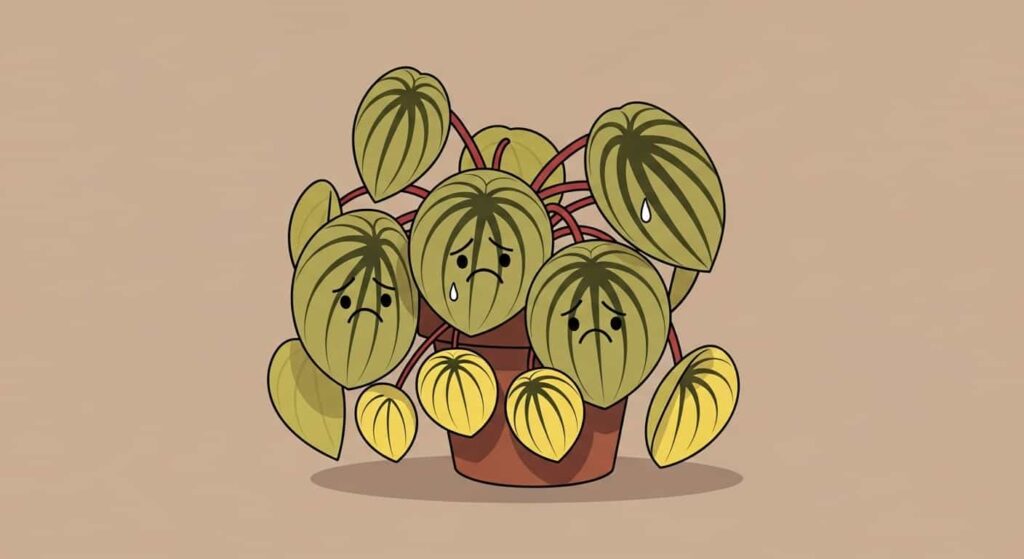
Your plant can’t talk, but it can show you when something is wrong. Droopy leaves, discoloration, or pests are all signs that your Peperomia needs a little extra attention. Let’s explore the most common culprits.
Overwatering
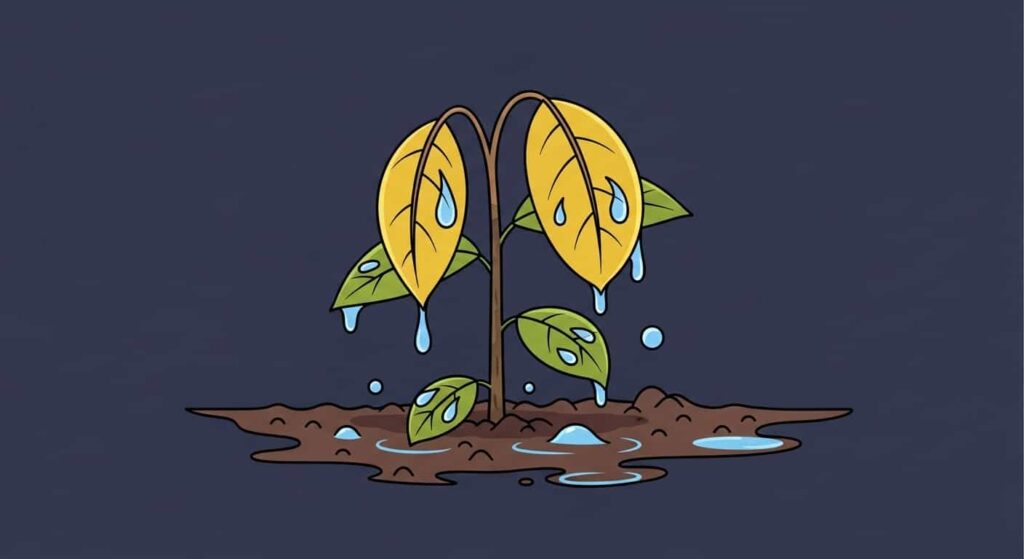
This is, by far, the most frequent issue for Peperomia owners. These plants have succulent-like leaves that store water, meaning they don’t need to be watered as often as other tropical plants. When they get too much water, their roots can’t breathe and begin to rot.
Signs of Overwatering Peperomia:
- Yellowing leaves, especially lower ones.
- Drooping or wilting leaves that feel soft and mushy.
- Leaf drop.
- A foul, musty smell is coming from the soil, indicating root rot.
- Black stems or black spots at the base of the plant.
Underwatering
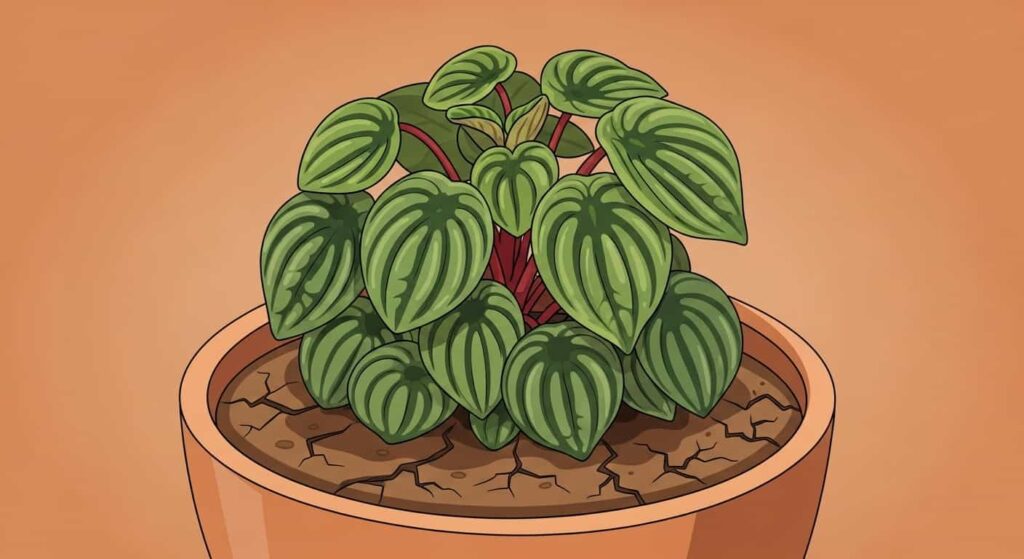
While less common than overwatering, forgetting to water your baby rubber plant can also cause stress. Because they store water in their leaves, they can tolerate short periods of drought, but they will eventually show signs of thirst.
Signs of Underwatering:
- Drooping or wilting leaves that feel thin and wrinkled.
- Dry, crispy leaf edges.
- Slowed or stunted growth.
- The soil is completely dry and pulling away from the sides of the pot.
Pest Infestation
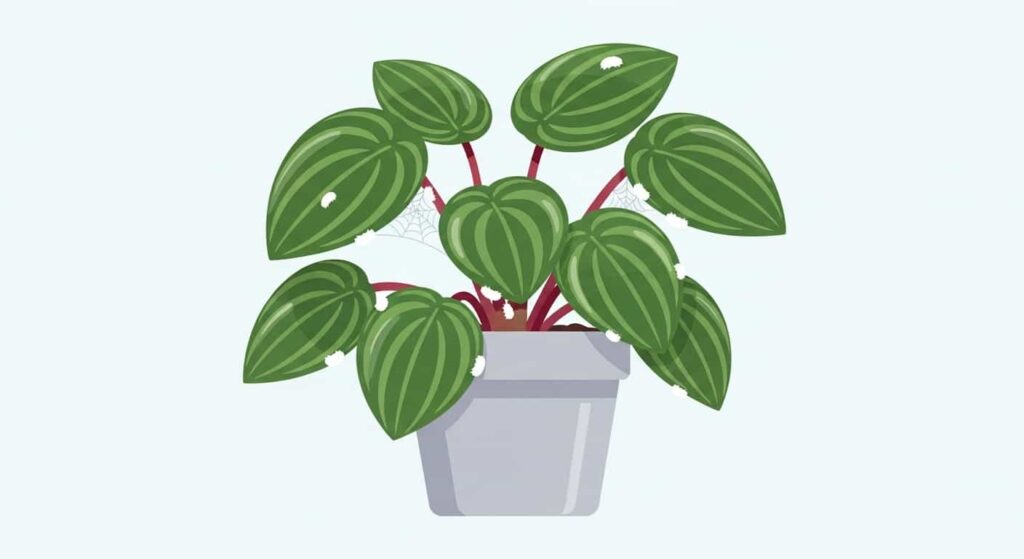
Peperomia obtusifolia is generally pest-resistant, but it can occasionally fall prey to common houseplant pests. These tiny invaders feed on the plant’s sap, weakening it over time.
Common Pests:
- Spider Mites: Look for fine, web-like material on the undersides of leaves and tiny white or red dots.
- Mealybugs: These pests appear as small, white, cottony clusters, usually in the nooks where leaves meet the stem.
- Fungus Gnats: These are small, dark flies buzzing around the soil. While the adults are mostly an annoyance, their larvae can damage the roots.
Lack of Sunlight
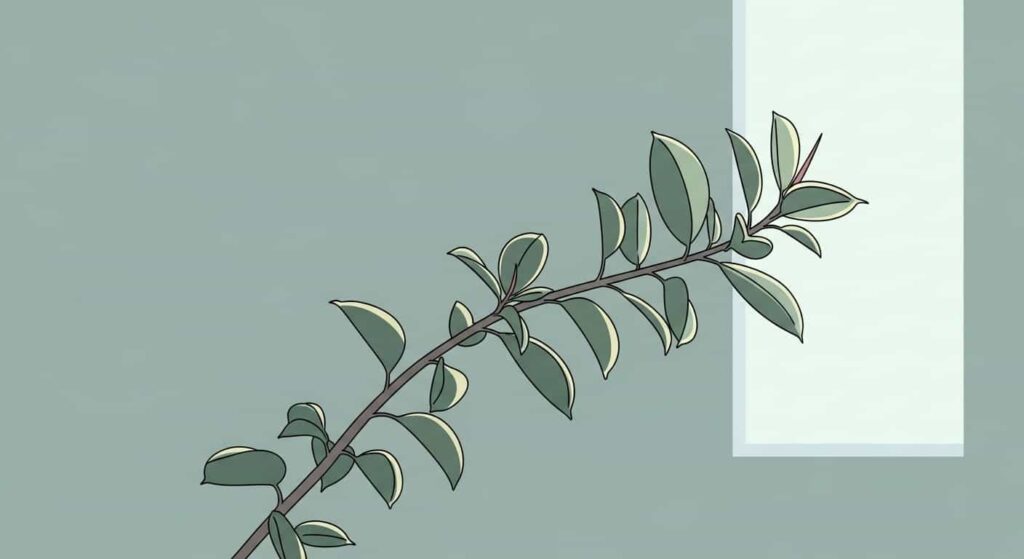
Peperomia obtusifolia thrives in bright, indirect light. While it can tolerate lower light conditions, insufficient light will affect its growth and overall health.
Signs of Inadequate Light:
- Leggy growth: The stems become long and stretched out with sparse leaves as the plant reaches for more light.
- Loss of variegation in varieties like the ‘Variegata’. The leaves may turn solid green.
- Slow or no new growth.
- Leaning heavily toward a light source.
Diagnosing the Issue: What’s Wrong with My Plant?
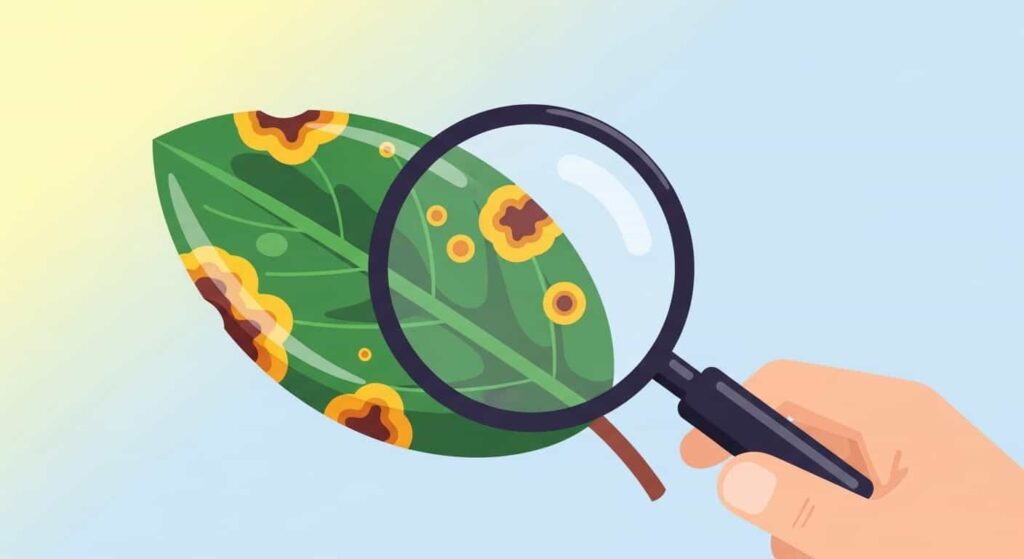
To provide the right care, you first need to play detective. The symptoms your plant displays are clues to the underlying problem.
Start by examining your plant closely.
- Check the leaves: Are they yellow, brown, or spotted? Do they feel mushy or crispy? Look at the top and bottom of the leaves for any signs of pests.
- Inspect the stems: Are they firm or have they turned black and soft at the base? Leggy stems can indicate a lack of light.
- Feel the soil: Stick your finger about two inches into the soil. Is it soggy, damp, or bone-dry? A bad smell is a strong indicator of overwatering Peperomia and potential root rot.
- Look at the roots: If you suspect root rot, gently remove the plant from its pot. Healthy roots should be firm and white or light-colored. Rotted roots will be brown or black, soft, and mushy.
Solutions and Prevention: A Guide to Peperomia Obtusifolia Care
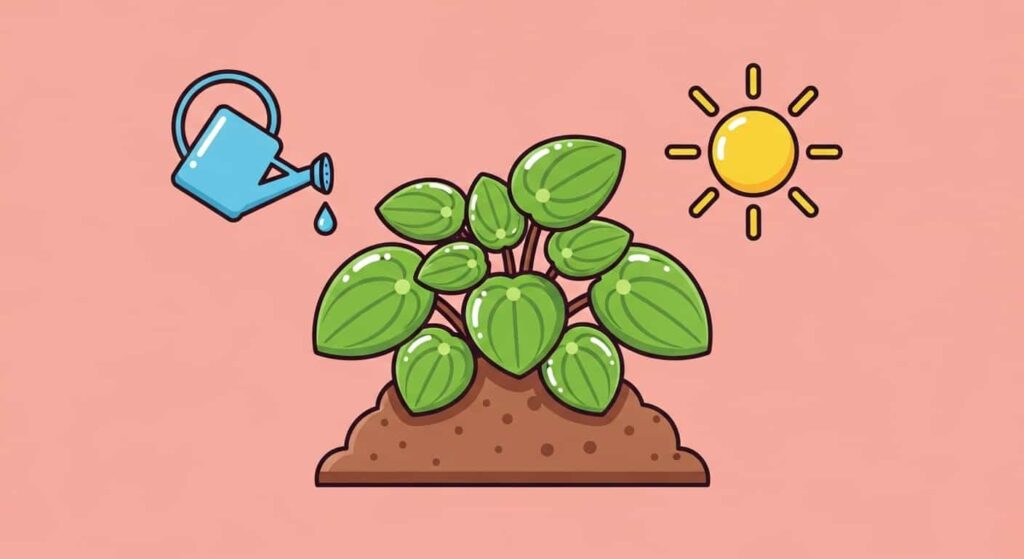
Once you’ve identified the problem, you can take action. Here are the solutions for the most common baby rubberplant problems and tips to prevent them from happening again.
Solving Water-Related Issues
For Overwatering:
- Stop watering immediately. Allow the top 50-75% of the soil to dry out before watering again.
- Improve drainage. Ensure your pot has drainage holes. If it doesn’t, repot your plant into one that does.
- Treat root rot. If you find rotted roots, use clean scissors to trim them away. Repot the plant in fresh, well-draining soil. A mix of potting soil, perlite, and orchid bark works well.
- Adjust your watering schedule. Water only when the soil is mostly dry. This might be every 1-2 weeks, but it depends on your home’s temperature and humidity.
For Underwatering:
- Give it a good soak. Water the plant thoroughly until water runs out of the drainage holes.
- Try bottom-watering. Place the pot in a saucer of water and let it absorb water for about 30 minutes. This ensures the roots get a deep drink.
- Check the soil more frequently. While you don’t want to overwater, don’t forget about it completely. Set a reminder to check the soil weekly.
Getting Rid of Pests
- Isolate the plant: Move the infested plant away from your other houseplants to prevent the pests from spreading.
- Wash them off: Use a steady stream of water to dislodge pests like spider mites and mealybugs.
- Use insecticidal soap or neem oil: Spray the plant thoroughly, making sure to cover the undersides of the leaves. You may need to repeat this treatment every few days for a couple of weeks.
- For fungus gnats: Let the soil dry out more between waterings, as the larvae thrive in moist conditions. You can also use sticky traps to catch the adults.
Providing the Right Amount of Light
- Move your plant: Place your Peperomia in a spot where it will receive bright, indirect light. An east-facing window is ideal, but a spot a few feet from a south or west-facing window also works.
- Rotate your plant: Turn your plant every week or so to ensure all sides get an even amount of light, preventing it from leaning.
- Consider a grow light: If your home doesn’t have enough natural light, a simple LED grow light can provide the boost your plant needs to thrive.
A Healthy Plant for a Happy Home
Caring for a Peperomia obtusifolia should be a rewarding and straightforward experience. By learning to recognize the signs of common problems like overwatering, pest infestations, and improper lighting, you can provide the exact care your baby rubber plant needs. A little attention to its watering schedule and environment will ensure your plant remains a beautiful, low-maintenance addition to your home for years to come. With these tips, you’re well-equipped to master Peperomia obtusifolia care and enjoy your thriving plant.
Leave a Reply