
Peperomia Obtusifolia, commonly known as the Baby Rubber Plant, has become a favorite among houseplant enthusiasts for its thick, glossy leaves and easy-care nature. While these charming plants are known for being low-maintenance, proper fertilization can make the difference between a surviving plant and a thriving one. Understanding how to feed your Peperomia Obtusifolia correctly will help you achieve lush, vibrant foliage and steady growth throughout the growing season.
Many plant parents wonder if their Baby Rubber Plant really needs fertilizer, especially given its reputation as a hardy houseplant. The truth is that while Peperomia Obtusifolia can survive without regular feeding, providing the right nutrients at the right time will unlock its full potential. This guide will walk you through everything you need to know about Peperomia Obtusifolia fertilizer, from choosing the right product to creating a feeding schedule that works.
Understanding Peperomia Obtusifolia
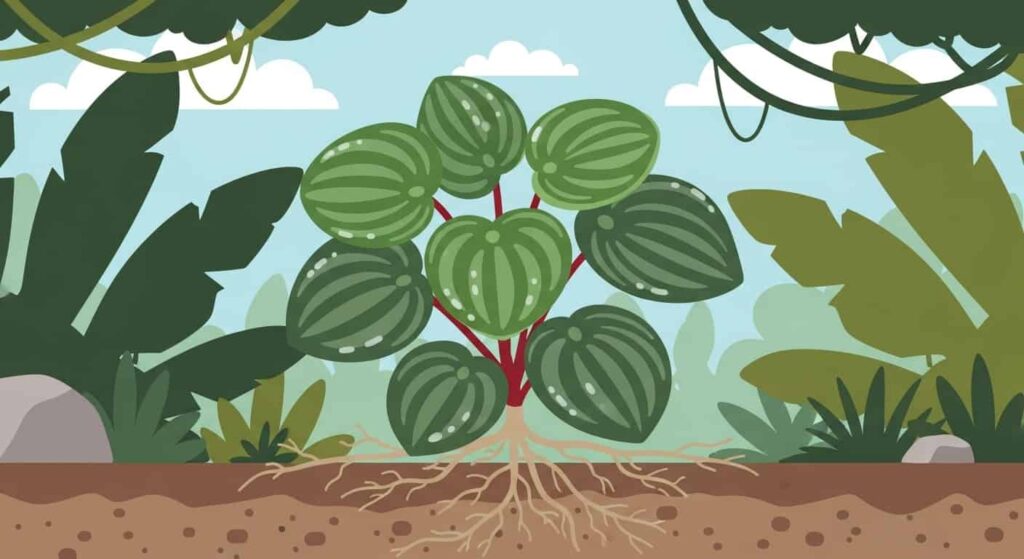
Native to the rainforests of South America, particularly Venezuela and Colombia, Peperomia Obtusifolia grows naturally as an epiphyte or ground cover in nutrient-rich, well-draining environments. In its natural habitat, this plant receives nutrients from decomposing organic matter and occasional rainfall, which helps us understand its fertilizer needs in our homes.
The Baby Rubber Plant is characterized by its succulent-like thick leaves, compact growth habit, and slow to moderate growth rate. These characteristics influence how we should approach plant care and fertilization. Unlike fast-growing plants that consume nutrients quickly, Peperomia Obtusifolia has modest nutritional requirements that align with its steady growth pattern.
Why Fertilize Peperomia Obtusifolia?
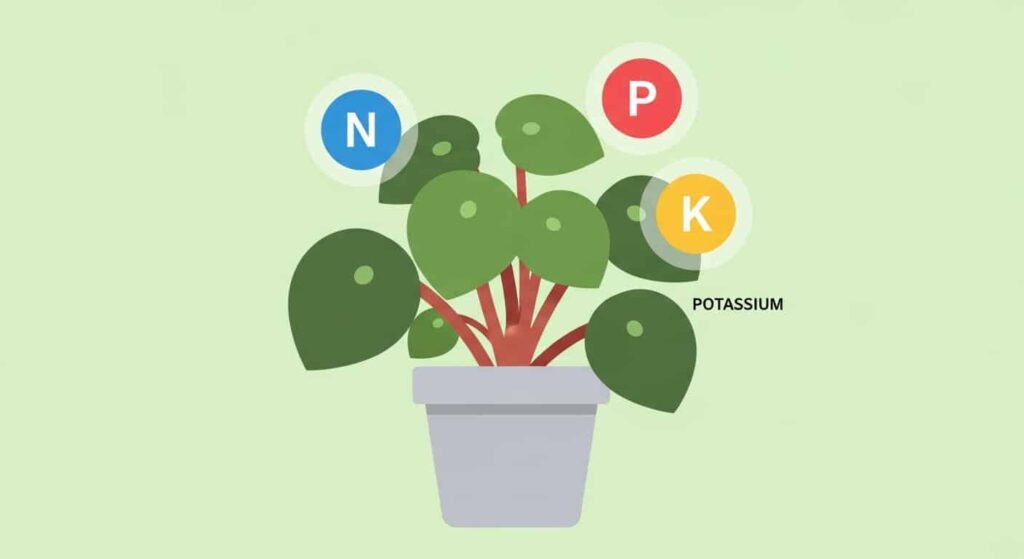
Your Baby Rubber Plant needs three primary nutrients to thrive: nitrogen for leaf development, phosphorus for root health, and potassium for overall plant function. While potting soil provides some initial plant nutrients, these become depleted over time through watering and plant uptake.
Signs your Peperomia Obtusifolia may need fertilizer include yellowing leaves (especially older ones), slower than normal growth, smaller new leaves, or pale coloration. However, it’s important to distinguish nutrient deficiency from other issues like overwatering or insufficient light, which can cause similar symptoms.
Regular fertilization supports healthy leaf production, maintains the plant’s characteristic glossy appearance, and promotes steady growth. Well-fed plants are also more resistant to pests and diseases, making fertilization an important part of overall plant care.
Choosing the Right Fertilizer
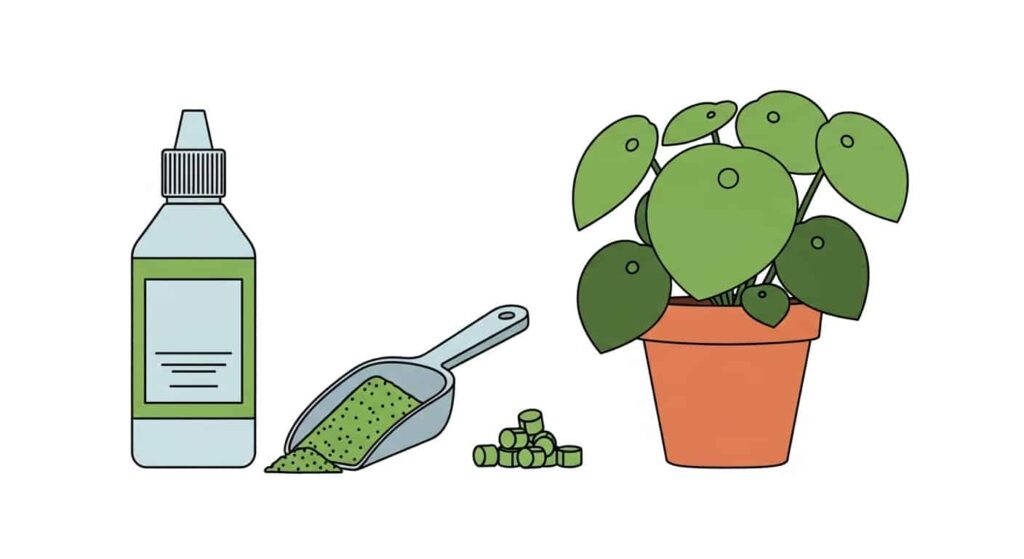
When selecting a Peperomia fertilizer, you have several options: liquid fertilizers, granular fertilizers, and slow-release formulations. Liquid fertilizers are the most popular choice for houseplants because they’re easy to control and distribute evenly.
The NPK ratio (nitrogen-phosphorus-potassium) is crucial for Obtusifolia care. A balanced fertilizer with an NPK ratio of 10-10-10 or 20-20-20 works well, though you can also use a slightly higher nitrogen formula like 3-1-2 to support leaf growth. Avoid fertilizers with very high numbers, as these can burn your plant’s roots.
Look for fertilizers specifically designed for houseplants or foliage plants. These typically contain the right balance of nutrients and are formulated at appropriate concentrations for indoor growing conditions. Water-soluble fertilizers that you dilute yourself offer the most control over nutrient concentration.
How to Fertilize Your Baby Rubber Plant
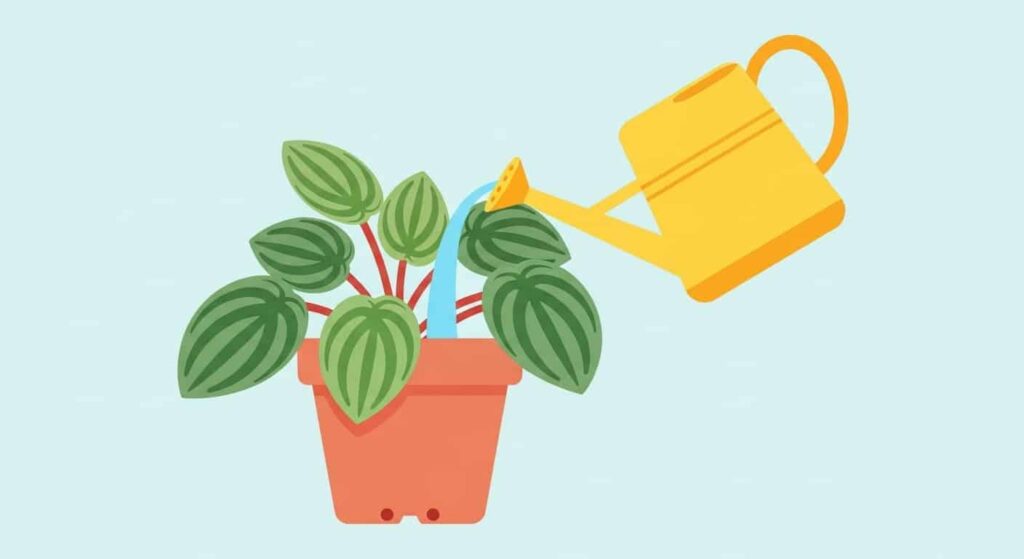
Start by diluting your chosen fertilizer to a quarter or half strength of the package recommendations. Peperomia Obtusifolia prefers gentle feeding rather than strong doses. Mix the fertilizer with room-temperature water in a watering can or container.
Water your plant thoroughly with the fertilizer solution, allowing it to drain from the bottom holes. This ensures even distribution of nutrients throughout the root zone. Never apply fertilizer to dry soil, as this can cause root burn. Always water with plain water first if the soil is dry.
Apply the fertilizer solution during your regular watering routine, but only when the top inch of soil feels dry. This prevents overwatering while ensuring your plant receives consistent nutrition. Remove any excess water from saucers or decorative pots after 30 minutes to prevent root rot.
Creating a Fertilizing Schedule

During the growing season (spring and summer), fertilize your Peperomia Obtusifolia every 2-4 weeks. This frequency provides steady nutrition without overwhelming the plant. In fall and winter, reduce fertilization to once every 6-8 weeks or stop altogether, as growth slows significantly in lower light conditions.
Seasonal adjustments are important because your plant’s nutritional needs change with growth cycles. Spring is the perfect time to resume regular feeding as new growth begins. Summer maintains peak growing conditions, while fall preparation helps the plant transition to its dormant period.
Monitor your plant’s response to fertilization and adjust accordingly. If you notice rapid growth or very dark green leaves, you may be fertilizing too frequently. Pale leaves or slow growth might indicate the need for more frequent feeding.
Common Fertilizing Mistakes to Avoid
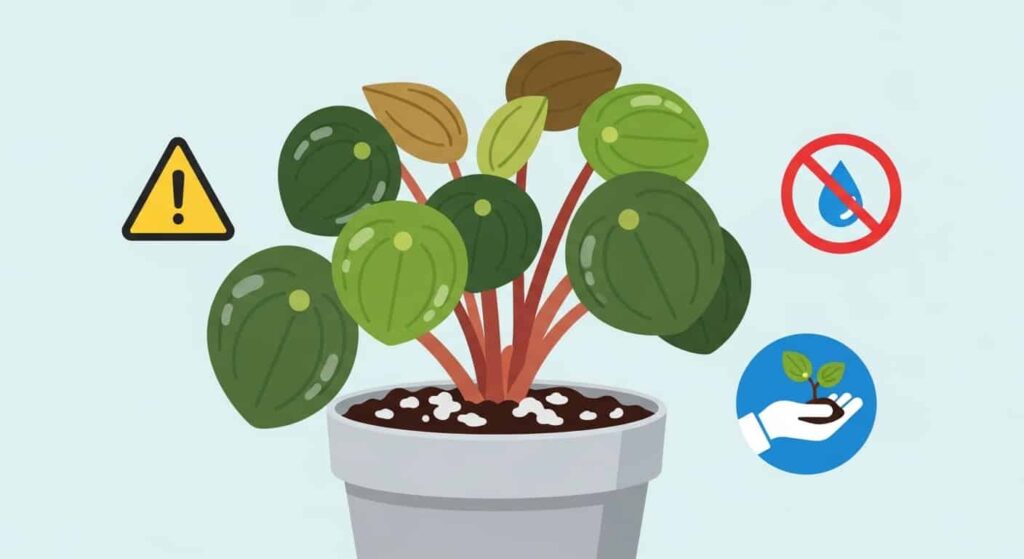
Over-fertilizing is the most common mistake with Peperomia Obtusifolia fertilizer. Signs include brown leaf tips, white crusty deposits on soil, or sudden leaf drop. If this happens, flush the soil with plain water and reduce your fertilization frequency.
Using the wrong type of fertilizer can also cause problems. Avoid fertilizers designed for outdoor plants or those with very high concentrations. Stick to houseplant-specific formulas that provide gentle, consistent nutrition.
Never fertilize a stressed plant. If your Baby Rubber Plant is dealing with pests, disease, or environmental stress, focus on resolving these issues before resuming fertilization. Stressed plants cannot properly process nutrients and may be further damaged by feeding.
Additional Plant Care Tips
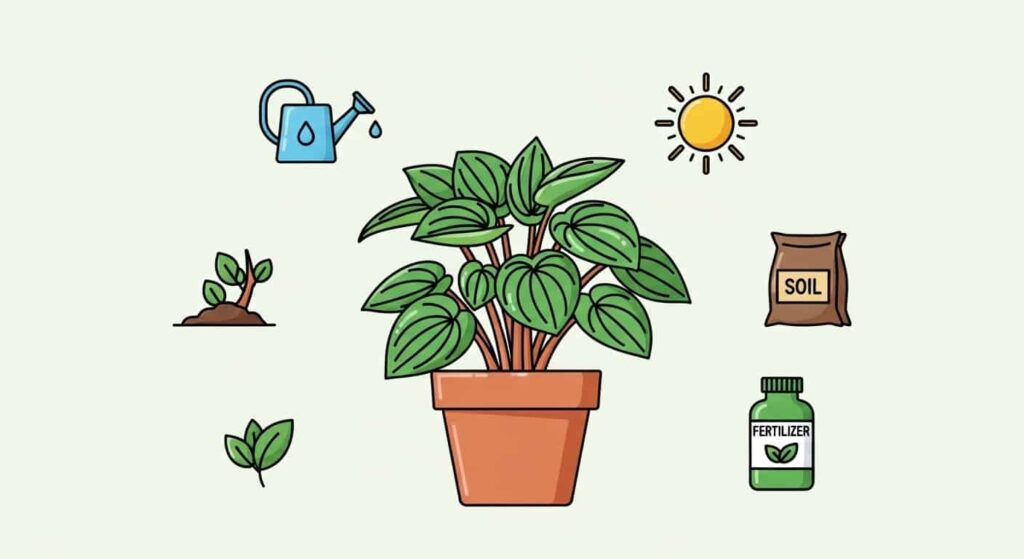
Proper watering practices complement your fertilization routine. Water when the top inch of soil feels dry, and ensure good drainage to prevent root problems. Use room-temperature water to avoid shocking the roots.
Choose well-draining potting soil that retains some moisture but doesn’t become waterlogged. A standard houseplant mix with added perlite works well for Peperomia Obtusifolia. Good soil drainage is essential for nutrient uptake and root health.
Provide bright, indirect light to support your plant’s ability to process nutrients effectively. Too little light can slow growth and reduce the plant’s nutritional needs, while too much direct sun can stress the plant and interfere with proper feeding.
Maximizing Your Plant’s Potential
Proper fertilization transforms your Peperomia Obtusifolia from a surviving houseplant into a thriving centerpiece. By understanding your Baby Rubber Plant’s nutritional needs and following a consistent feeding schedule, you’ll enjoy healthier growth, more vibrant foliage, and a more resilient plant overall.
Remember that successful plant care combines good fertilization practices with proper watering, appropriate lighting, and quality soil. Start with a gentle approach to feeding, observe your plant’s response, and adjust your routine as needed. With these guidelines, your Peperomia Obtusifolia will reward you with steady growth and beautiful, glossy leaves for years to come.
Leave a Reply