
Disclosure: This post contains affiliate links. If you make a purchase through these links, I may earn a small commission at no additional cost to you. I only recommend products I genuinely believe will add value to your plant care routine.
There’s something special about a plant that rewards you with glossy, coin-shaped leaves while asking for very little in return. The Peperomia Obtusifolia—commonly known as the Baby Rubber Plant or Pepperface Plant—is exactly that kind of easygoing companion. Whether you’re a first-time plant parent or a seasoned collector, this hardy beauty fits right into any indoor jungle. In this guide, I’ll share everything I’ve learned over years of growing these plants, from spotting the perfect time to repot to keeping them thriving for years to come.
Part 1: When to Repot Your Baby Rubber Plant
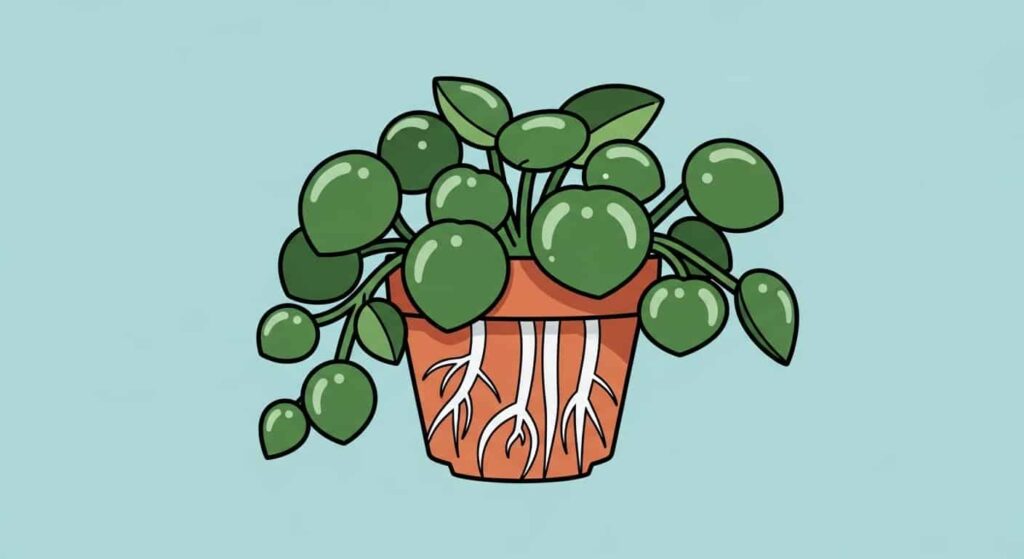
Knowing when to repot is just as important as knowing how. Repotting too often can stress your plant, while waiting too long can stunt its growth. Your Peperomia will give you a few clear signs that it’s ready for a change of scenery.
Key Signs Your Peperomia Needs Repotting:
- Roots Circling the Pot: This is the most obvious sign. If you see roots growing out of the drainage holes or coiling tightly at the bottom of the pot, your plant is “root-bound.” (Consider adding a photo here of a root-bound plant with roots circling the bottom.) Inspecting the Peperomia Obtusifolia roots regularly is a good habit to get into.
- Slowed or Stalled Growth: If you notice your once-thriving plant has stopped producing new leaves during its growing season (spring and summer), it might be a signal that it has exhausted the nutrients in its current soil.
- Water Drains Too Quickly: When soil becomes old and compacted, it loses its ability to retain moisture. If water runs straight through the pot, the roots aren’t getting the hydration they need.
- The Plant Looks Too Big for Its Pot: If your Peperomia looks like it’s about to tip over its container, it’s a good time to upgrade.
Typically, you should plan on repotting your Peperomia Obtusifolia every 2-3 years during the spring or early summer. Having the right tools on hand makes this process much smoother. A comprehensive kit like the Melphoe 25Pcs Mini Garden Hand Transplanting Succulent Tools Set includes everything from a thick repotting mat to keep your space clean, to stainless steel transplanting tools and even a small watering bottle, making it perfect for the job.
Part 2: Choosing the Right Pot and Soil
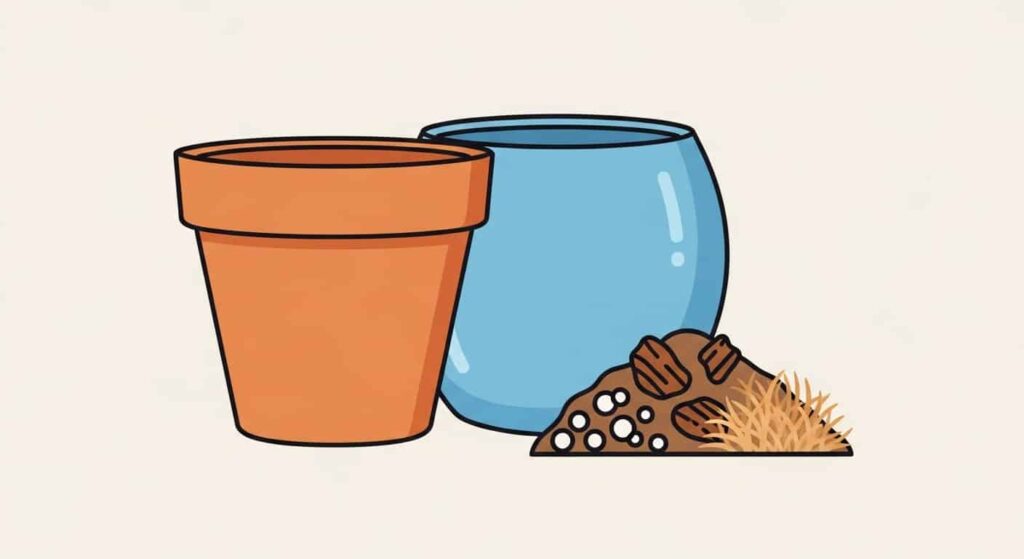
Selecting the correct pot and soil mix is fundamental for a successful transplant. Because Peperomia are susceptible to root rot, your main focus should be on ensuring excellent drainage. A common question we hear is, “is a rubber plant a succulent?” While they store water in their thick leaves like succulents, they are not technically one, but their soil needs are very similar: light and airy.
Pot Selection
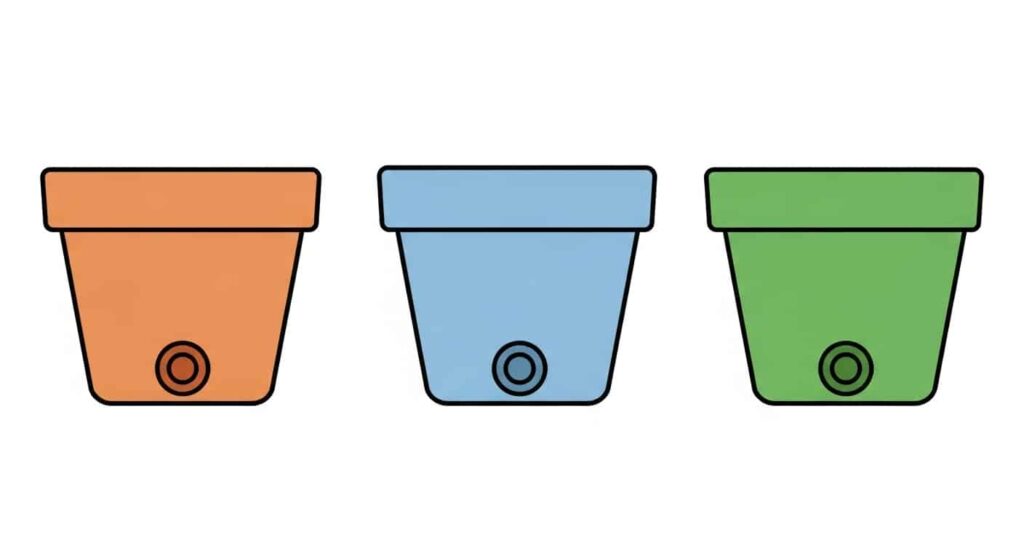
Choose a container that is only 1-2 inches larger in diameter than the current one. Ensure the new pot has drainage holes. Materials like terracotta are great because they are porous and help soil dry out faster. Don’t forget a saucer to catch excess water and protect your surfaces. For a stylish and functional option, the The HC Companies Flower Pot Saucers are durable and come in attractive colors. If you want rapid absorption to prevent overwatering issues, the Johamoo Plant Saucer for Indoors made of diatomaceous earth is an excellent choice, as it dries instantly.
The Best Baby Rubber Plant Soil
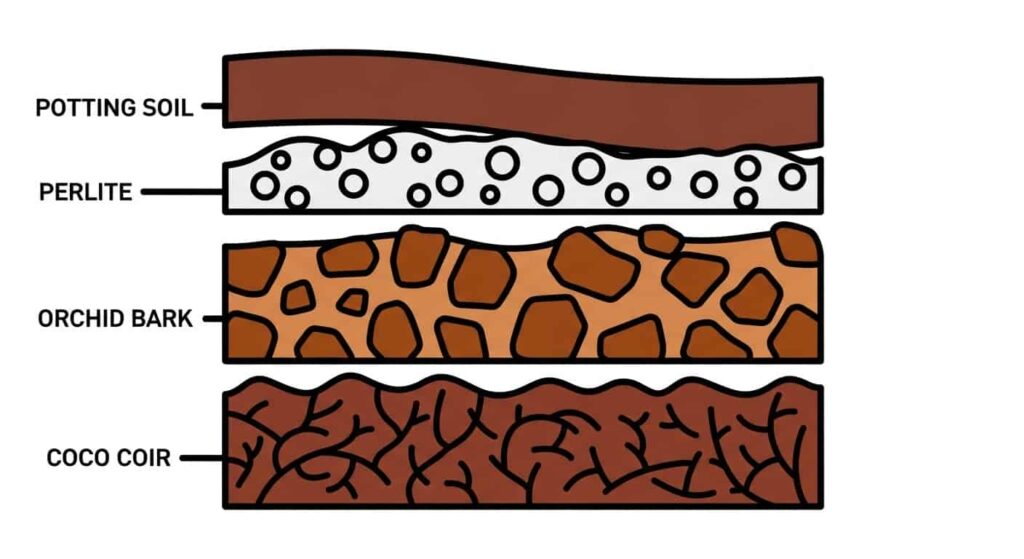
Peperomia Obtusifolia are epiphytic in their natural habitat, meaning they prefer an airy, well-draining mix. Standard potting soil is usually too heavy. Create your own ideal baby rubber plant soil by combining:
- 1 part potting soil
- 1 part perlite or pumice (for aeration)
- 1 part orchid bark or coco coir (for chunkiness)
This combination mimics the plant’s natural growing conditions. If you prefer a ready-made mix, there are fantastic options available. Rosy Soil Indoor Potting Soil for House Plants is an organic, peat-free blend enriched with biochar and beneficial fungi that promote root health. For a mix specifically designed for plants that need extra aeration, the Craft Aroid Potting Mix from Grow Queen is peat and perlite-free, using lava rock and pumice for superior drainage—ideal for your Peperomia. The orchid bark component is crucial for chunkiness, and you can find a high-quality option like Better-Gro Special Orchid Mix , which is primarily Western fir bark, perfect for creating that airy environment epiphytic plants love.
Part 3: A Step-by-Step Repotting Guide
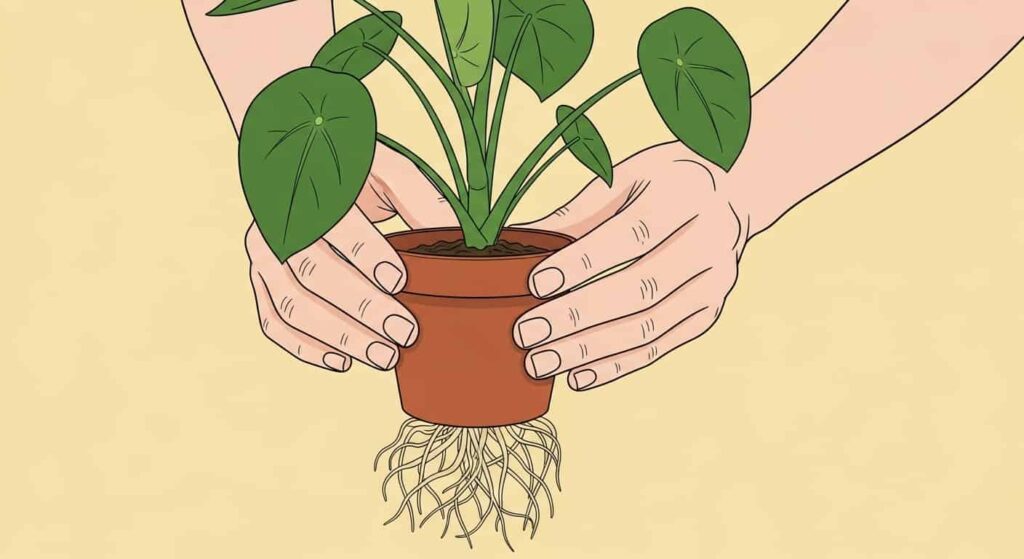
With your new pot and soil ready, you can begin the process. (Adding step-by-step photos here would be incredibly helpful for readers.)
- Water Your Plant: A day or two before, give your plant a good drink. Using a precise tool like the AORAKI Watering Can Indoor , with its long spout and 1-liter capacity, allows you to direct water exactly where it’s needed without making a mess. It even comes with a bonus plant mister!
- Remove the Plant: Gently tip the pot and slide the plant out.
- Inspect the Roots: Shake off old soil and check the roots. Healthy roots are firm and white. Trim away any black or mushy roots (root rot) with clean scissors. (A photo comparing healthy white roots vs. rotting black roots would be powerful here.) If the roots are tightly wound, gently tease them apart.
- Prepare the New Pot: Add a layer of fresh soil to the bottom.
- Position the Plant: Place it in the center, ensuring the top of the root ball sits about an inch below the rim.
- Add New Soil: Fill around the roots, gently patting down to remove air pockets. Your Melphoe tool kit comes in handy here for working the soil around the roots in tight spaces.
- Water Lightly: Give it a light watering to settle the soil. For very small or delicate plants, a BEADNOVA Squeeze Bottle Plant Watering Bottle offers maximum control, allowing you to water the soil directly without splashing the leaves.
Part 4: Baby Rubber Plant Care After Repotting
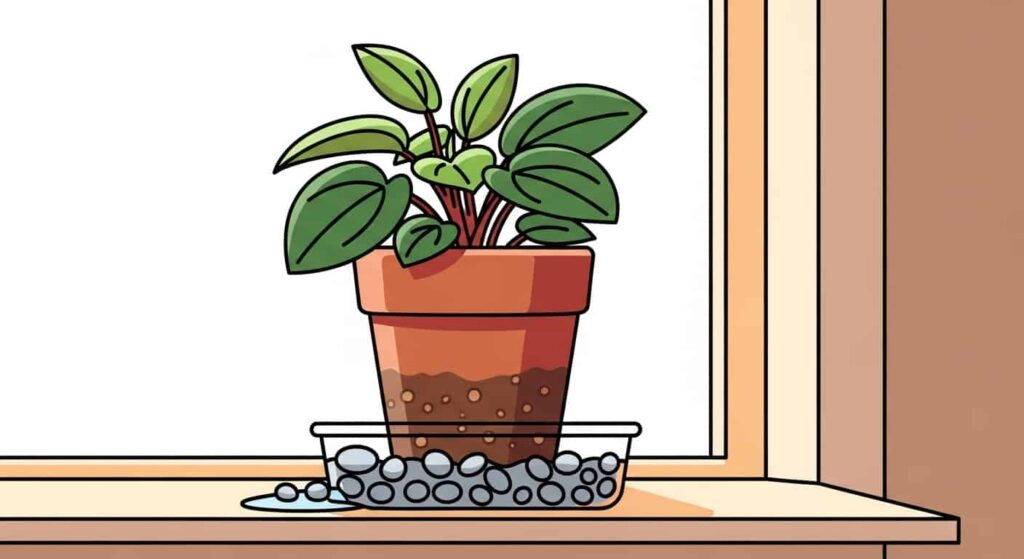
Your plant needs a little extra care for the next few weeks to recover from transplant shock. This is also a great time to consider products that can support its recovery and long-term health.
- Light: Place it back in bright, indirect light. Proper Peperomia lighting is crucial for recovery.
- Watering: Wait a week before resuming your regular schedule. Baby rubber plant watering should be done thoroughly, but allow the top few inches of soil to dry out completely between waterings.
- Fertilizing: Hold off on fertilizing for at least 4-6 weeks. When it’s time to resume, a gentle, balanced fertilizer is key. GARDENWISE Liquid Plant Food has a balanced 4-3-6 NPK ratio with chelated micronutrients, perfect for indoor houseplants. If you ever transfer a cutting to a hydroponic setup, this formula is ideal for those systems as well.
- Mitigating Transplant Shock: To help your plant settle in and encourage strong root development after the stress of repotting, you can use a product like WJunHua Root Drops . This liquid IBA rooting hormone is a dual-action formula that mitigates transplant shock and supports root growth, and it’s compatible with both soil and hydroponic setups.
Part 5: Common Questions Answered (FAQ)
To make this the ultimate resource, let’s address the questions people ask most often.
Is Baby Rubber Plant Toxic to Cats?
This is one of the most common concerns for pet owners. The good news is that the Baby Rubber Plant is non-toxic to cats, dogs, and horses, according to the ASPCA’s list of non-toxic plants. However, while it is safe, ingestion can still cause mild gastrointestinal upset, so it’s best to keep it out of reach of curious nibblers. So, if you’re searching for “are baby rubber plants toxic to cats” or “is baby rubber plant toxic to cats,” you can rest easy.
Does the Peperomia Obtusifolia Flower?
Yes, it does! While grown primarily for its foliage, a healthy Peperomia Obtusifolia flowering is not uncommon. It produces tiny, greenish-white flowers on long, slender spikes that resemble rat tails. (A photo of your own plant flowering would be a fantastic addition here.) They are not showy, but they are a sign of a very happy plant. To keep your plant in peak blooming condition, a healthy diet helps. When it’s time to fertilize, a phosphorus-rich option like Farmer’s Secret Fruit Tree Booster Fertilizer can support overall vitality and blooming potential, even though it’s labeled for fruit trees, its nutrient profile benefits flowering plants too.
How Do I Care for Variegated Varieties?
Variegated Peperomia Obtusifolia (sometimes called Peperomia Obtusifolia Variegata or Peperomia Variegata) have the same care needs as the standard green variety, with one key exception. Because they have less chlorophyll, they need a little more bright, indirect light to maintain their beautiful white and green patterns. Variegated peperomia care is easy once you find that bright spot.
Can Peperomia Grow in Water?
Yes, you can root cuttings in water, which is a fascinating process to watch. (A photo of cuttings rooting in a glass jar would be visually appealing here.) However, for long-term health, soil is recommended. A plant grown in water long-term may struggle to adapt if ever transferred to soil, and it’s harder to provide the nutrients it needs.
What About Pests?
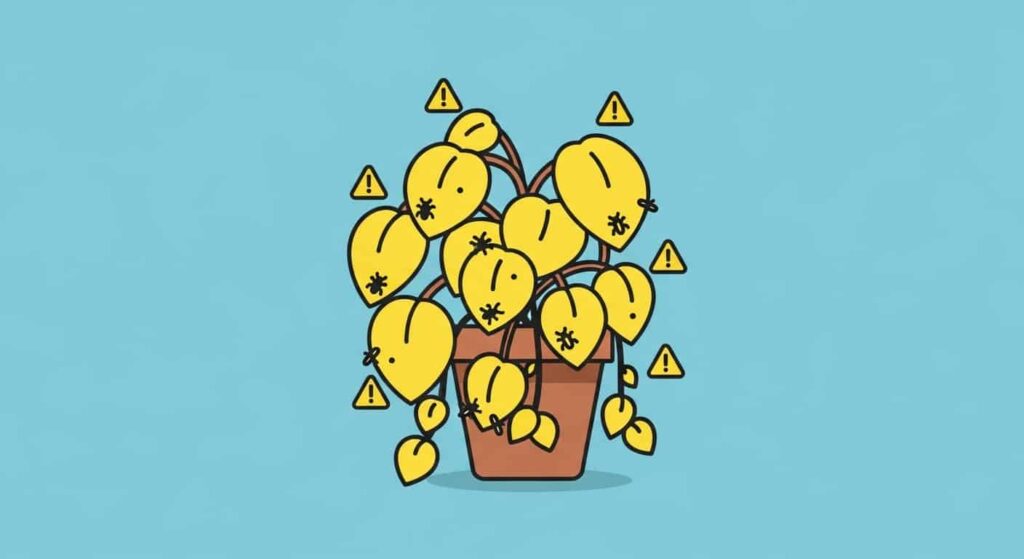
Like all houseplants, Peperomia can be susceptible to pests, especially when stressed. Keep an eye out for scale on peperomia, which looks like small brown bumps on the stems and leaves, as well as mealybugs and spider mites. Treat any infestations immediately.
There are several effective treatments available. For a versatile, 3-in-1 solution that tackles insects, mites, and diseases, Ortho Insect Mite & Disease 3-in-1 is a reliable ready-to-use spray. If you prefer an organic option, HARRIS Neem Oil Spray for Plants is cold-pressed and ready to use, effectively controlling pests while also shining the foliage. For a powerful, rainproof option that you can apply with your hose, BioAdvanced All-In-One Rose and Flower Plant Spray offers long-lasting protection against a wide range of pests and diseases.
My Plant Looks Droopy, What’s Wrong?
If your plant looks droopy, it could be one of two things:
- Underwatering: The leaves will feel thin and limp. Give it a good drink.
- Overwatering (Root Rot): The leaves may feel soft and mushy, and the stems might look black at the base. This is a sign of root rot, and you may need to repot it into fresh, dry soil after trimming away the damaged Peperomia Obtusifolia roots.
Part 6: Common Problems Troubleshooting
Even with the best care, issues can sometimes arise. Here’s a quick guide to diagnosing and fixing common Peperomia problems:
| Problem | Likely Cause | Solution |
|---|---|---|
| Yellow leaves | Overwatering or poor drainage | Check roots for rot, repot in fresh, well-draining soil if needed |
| Leaf drop | Temperature stress or cold draft | Move to a spot away from AC vents, drafty windows, or heat sources |
| Leggy growth | Not enough light | Move to a brighter location with indirect light |
| Brown leaf tips | Low humidity or fertilizer buildup | Increase humidity with a pebble tray or mister; flush soil with water |
| Black stems near base | Advanced root rot | Immediate repotting needed—trim affected roots and replace soil |
| Faded leaves on variegated varieties | Insufficient light | Move to a brighter spot to restore variegation |
Part 7: Expanding Your Collection
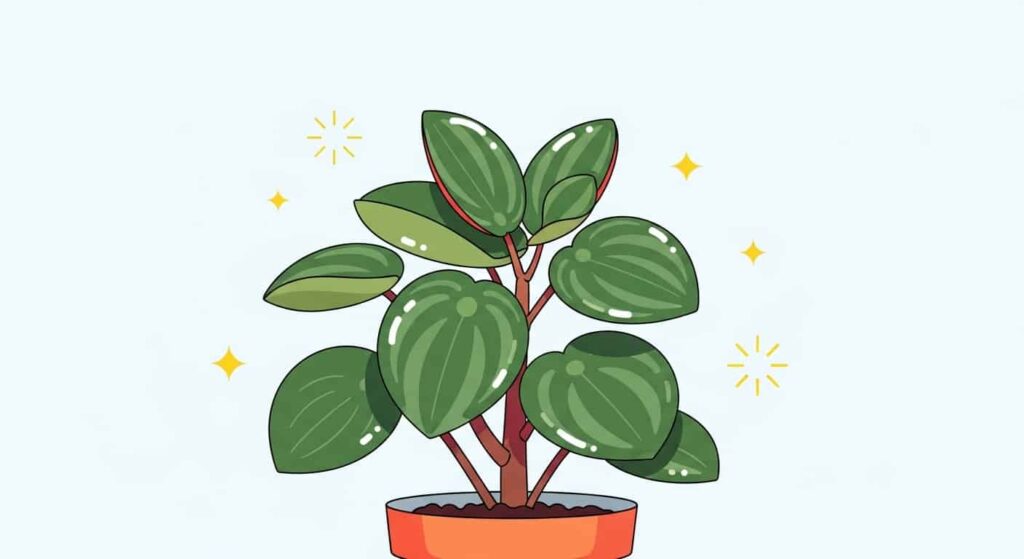
Once you’ve mastered repotting, you might want more plants! The good news is that Peperomia Obtusifolia propagation is very easy. You can propagate stem cuttings or even single leaves in water or directly in soil. Spring is the best time to try this, and you can even do it while you have the plant out for repotting.
To increase your success rate with cuttings, consider using a rooting hormone. WJunHua Root Drops , mentioned earlier for transplant shock, is also excellent for encouraging fast root growth from your cuttings placed in water or soil.
Part 8: Quick Reference Care Summary
Bookmark this section for quick reference whenever you need a refresher on Baby Rubber Plant care:
| Care Aspect | Recommendation |
|---|---|
| Light | Bright, indirect light (more for variegated varieties) |
| Water | Allow top 2-3 inches of soil to dry completely between waterings |
| Soil | Chunky, well-draining mix (potting soil + perlite + orchid bark) |
| Repotting | Every 2-3 years in spring or early summer |
| Fertilizer | Balanced liquid fertilizer, wait 4-6 weeks after repotting |
| Humidity | Average household humidity is fine; appreciates occasional misting |
| Temperature | 65-80°F (18-27°C); avoid cold drafts |
| Propagation | Stem or leaf cuttings in water or soil, best done in spring |
Repotting your Peperomia Obtusifolia is a straightforward task that yields big rewards. By providing your plant with fresh soil, the right pot, and answering common questions about its care and safety, you’re setting it up for years of healthy, beautiful foliage. Whether you have the classic green variety or a stunning variegated peperomia, regular care and attention will ensure your Baby Rubber Plant remains a happy and vibrant addition to your indoor garden.
Conclusion
Repotting your Peperomia Obtusifolia is a straightforward task that yields big rewards. By providing your plant with fresh soil, the right pot, and answering common questions about its care and safety, you’re setting it up for years of healthy, beautiful foliage. Whether you have the classic green variety or a stunning variegated peperomia, regular care and attention—aided by the right tools and products—will ensure your Baby Rubber Plant remains a happy and vibrant addition to your indoor garden.
Leave a Reply