
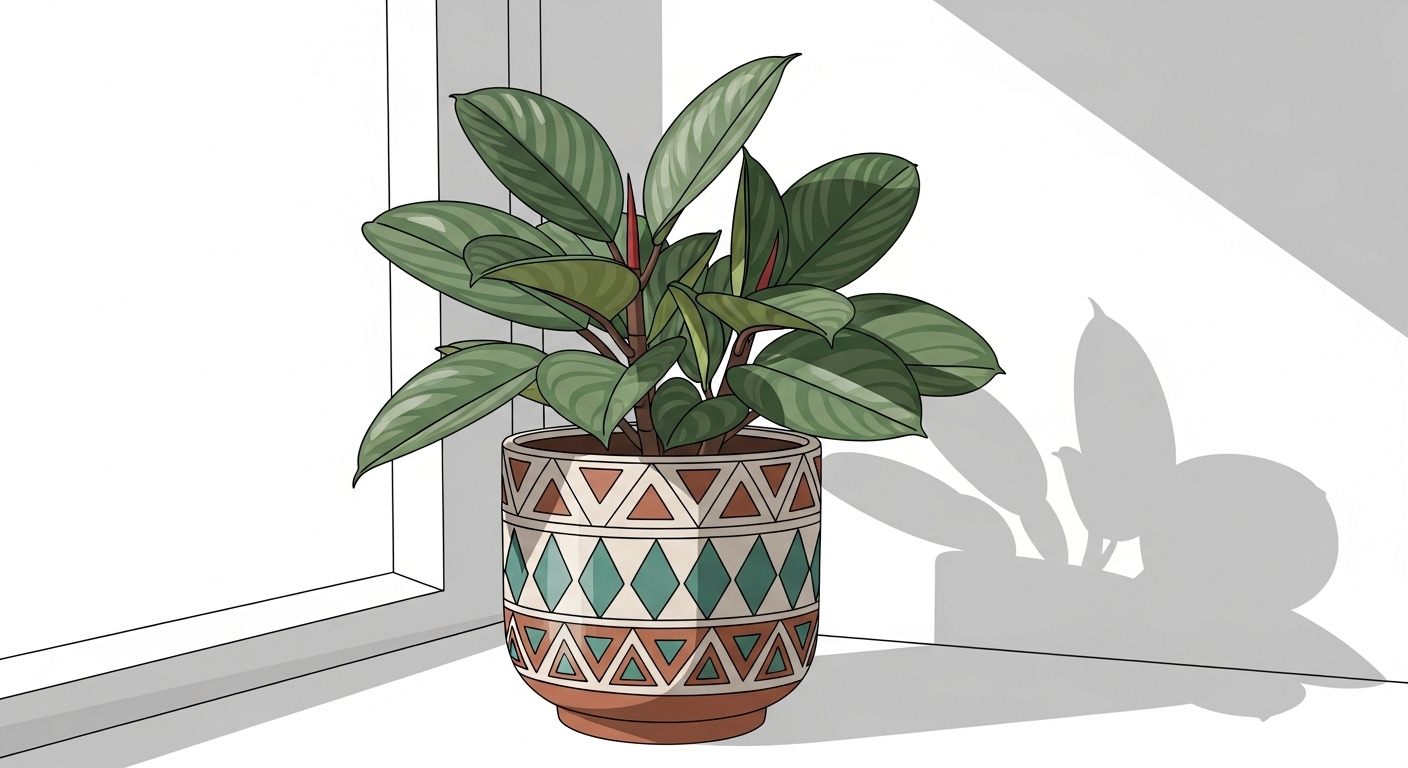
The baby rubber plant has captured the hearts of plant enthusiasts everywhere, and for good reason. Peperomia obtusifolia stands out as one of the most rewarding indoor plants you can grow, offering lush foliage without demanding constant attention.
This charming houseplant appeals to beginners who want something nearly foolproof and experienced gardeners seeking reliable greenery. Its thick, glossy leaves store water efficiently, making it forgiving if you occasionally forget to water. The compact size fits perfectly on desks, shelves, or windowsills, while its air-purifying qualities add functional benefits to its aesthetic appeal.
What makes Peperomia obtusifolia truly special is its variety of stunning forms. From striking variegated patterns to unique color combinations, these easy houseplants offer something for every taste and decor style.
Popular Varieties of Peperomia Obtusifolia
Peperomia Obtusifolia ‘Variegata’
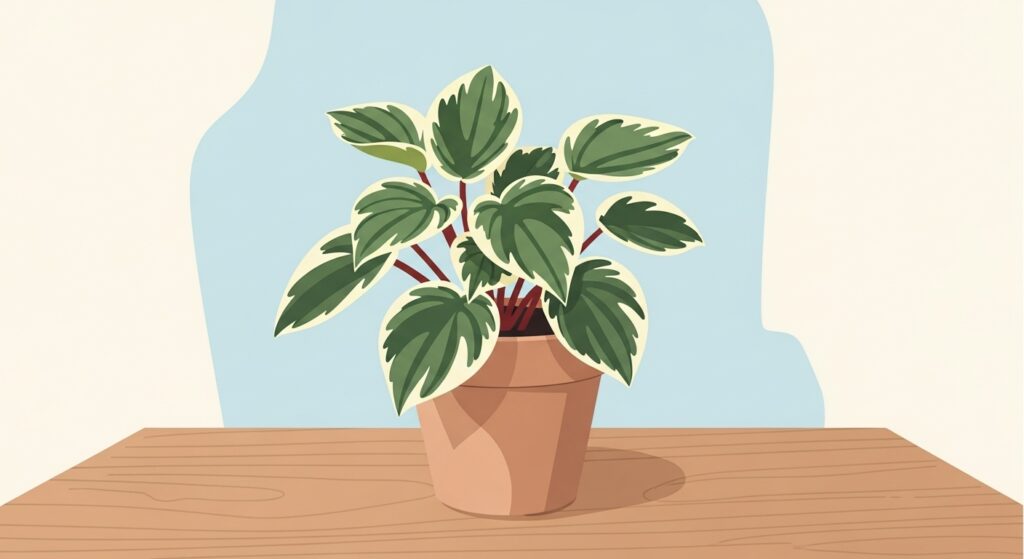
The ‘Variegata‘ variety showcases the most dramatic leaf patterns in the Peperomia obtusifolia family. Its thick, succulent-like leaves feature creamy white or pale yellow edges that contrast beautifully with deep green centers. Each leaf displays unique variegation patterns, making every plant slightly different.
This variety grows slowly but steadily, reaching about 6-8 inches in height. The variegated sections contain less chlorophyll, so ‘Variegata’ requires brighter light than solid green varieties to maintain its striking patterns. Without adequate light, the variegation may fade or new growth may revert to solid green.
Care requirements remain straightforward despite its showy appearance. Water when the top inch of soil feels dry, and provide bright, indirect light near a north or east-facing window. The variegated leaves are slightly more sensitive to direct sunlight, which can cause scorching on the lighter sections.
Peperomia Obtusifolia ‘Alba’
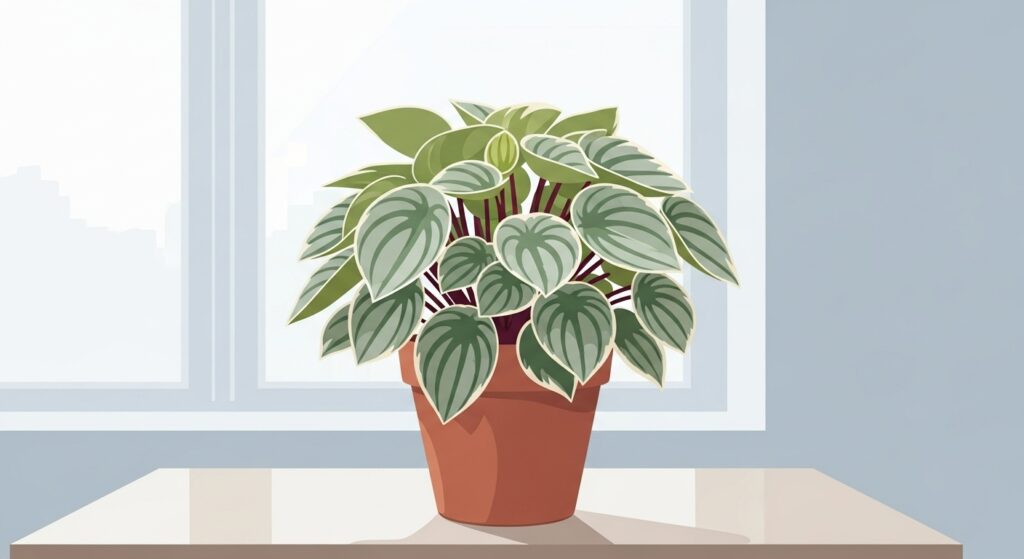
The ‘Alba‘ variety offers a softer, more subtle beauty with its pale green to almost white foliage. This unique coloring creates an ethereal appearance that complements modern, minimalist decor perfectly. The leaves maintain the same thick, waxy texture as other varieties but with a ghostly, silvery-green hue.
‘Alba’ tends to be more compact than other varieties, typically staying under 6 inches tall. Its light coloration means it contains less chlorophyll, similar to variegated varieties, so it needs bright, filtered light to photosynthesize effectively. Too little light will cause the plant to stretch and lose its compact form.
The pale coloring makes ‘Alba’ particularly susceptible to sunburn, so keep it away from harsh, direct sunlight. A spot with bright, indirect light will keep the unique coloration vibrant while preventing leaf damage.
Peperomia Obtusifolia ‘Lemon Lime’
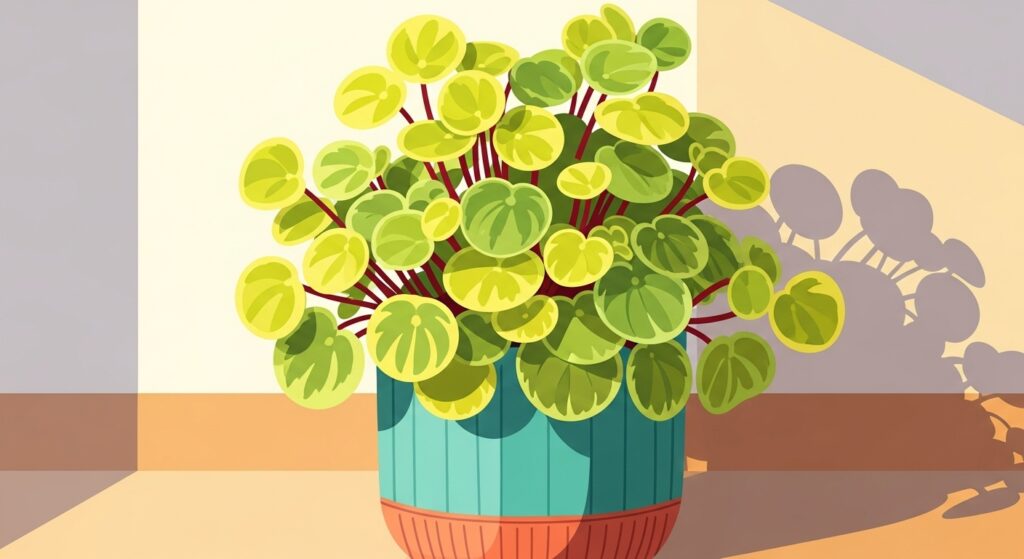
‘Lemon Lime‘ brings cheerful, citrusy tones to your plant collection with its bright yellow-green foliage. The leaves display various shades of chartreuse, golden yellow, and lime green, often with subtle variegation throughout. This variety adds a pop of sunny color that brightens any space.
The vibrant coloring intensifies with proper light exposure. ‘Lemon Lime’ performs best in bright, indirect light where its yellow tones can develop fully. In lower light conditions, the leaves may appear more uniformly green and lose their distinctive citrusy appearance.
This variety maintains the same compact growth habit as other Peperomia obtusifolia varieties, making it perfect for small spaces. The bright foliage pairs beautifully with other houseplants, creating interesting color combinations in plant groupings.
Care Tips for Peperomia Obtusifolia Varieties
Light Requirements
All Peperomia obtusifolia varieties thrive in bright, indirect light. Place your baby rubber plant near a window with filtered sunlight, such as through sheer curtains or a few feet back from a south-facing window. North and east-facing windows typically provide ideal conditions.
Variegated varieties like ‘Variegata’, ‘Alba’, and ‘Lemon Lime’ need slightly more light than solid green varieties to maintain their unique coloring. However, direct sunlight can scorch their leaves, especially the lighter-colored sections.
If natural light is limited, these plants adapt well to fluorescent or LED grow lights placed 12-18 inches above the foliage. Signs of insufficient light include stretched growth, loss of variegation, and smaller leaves.
Watering Best Practices
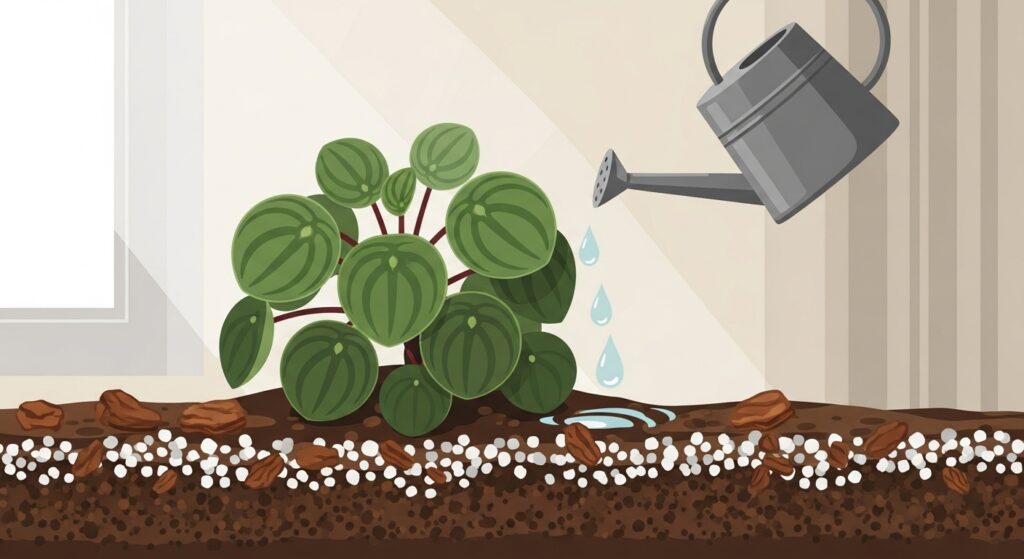
Proper watering is crucial for healthy Peperomia obtusifolia varieties. These plants prefer to dry out between waterings, making them more drought-tolerant than many other houseplants. Water when the top inch of soil feels dry to the touch.
During the growing season (spring and summer), you’ll typically water every 7-10 days. In winter, reduce watering frequency to every 10-14 days as growth slows and soil stays moist longer.
Always water thoroughly until water drains from the bottom, then empty any excess from the saucer. Peperomias are susceptible to root rot, so avoid letting them sit in standing water. Yellow, mushy leaves often indicate overwatering, while wrinkled, droopy leaves suggest the plant needs water.
Ideal Soil Conditions
Well-draining soil is essential for all Peperomia obtusifolia varieties. A standard potting mix combined with perlite or bark creates the perfect growing medium. The soil should hold some moisture but never become waterlogged.
A good mix combines two parts quality potting soil with one part perlite and one part orchid bark. This combination provides drainage while retaining enough moisture for healthy root development. Avoid heavy, clay-based soils that stay wet for extended periods.
The soil pH should be slightly acidic to neutral, around 6.0-7.0. Most commercial potting mixes fall within this range, making them suitable for indoor plant care without additional amendments.
Temperature and Humidity
Peperomia obtusifolia varieties prefer temperatures between 65-75°F (18-24°C), which aligns well with typical indoor conditions. They can tolerate temperatures as low as 50°F (10°C) but growth will slow significantly.
Avoid placing your baby rubber plant near heat sources like radiators, heating vents, or fireplaces, which can cause rapid moisture loss and stress. Similarly, keep them away from cold drafts from windows or air conditioning units.
These plants adapt to average household humidity levels (30-50%) but appreciate slightly higher humidity around 40-60%. If your home is very dry, especially during winter, place a humidifier nearby or use a pebble tray filled with water to increase local humidity.
Growing Your Indoor Plant Collection
Peperomia obtusifolia varieties offer endless possibilities for creating beautiful indoor gardens. Their compact size and easygoing nature make them perfect starter plants for beginners, while their unique varieties provide enough diversity to keep experienced plant parents engaged.
These resilient houseplants prove that you don’t need complicated care routines to enjoy stunning foliage. Whether you choose the dramatic patterns of ‘Variegata’, the ethereal beauty of ‘Alba’, or the sunny disposition of ‘Lemon Lime’, you’re adding a reliable, beautiful companion to your home.
Start with one variety and watch how easy indoor plant care can be. Once you experience the joy of growing these adaptable plants, you’ll likely find yourself collecting multiple varieties to create your own mini Peperomia garden.
Leave a Reply