
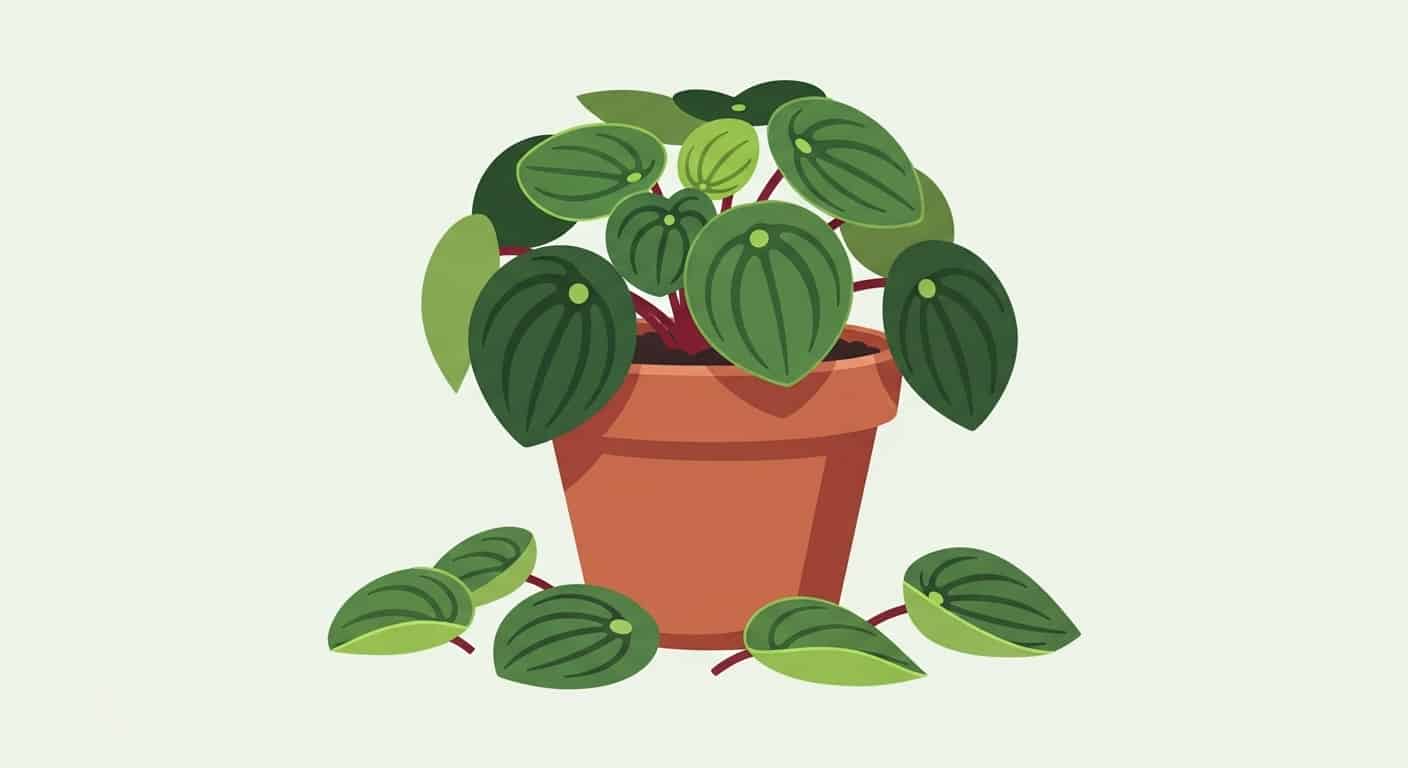
Peperomia Obtusifolia, commonly known as the Baby Rubber Plant, has captured the hearts of plant lovers everywhere. With its thick, glossy leaves and compact growth habit, this charming houseplant brings a touch of green elegance to any space. But what happens when those beautiful leaves start falling off?
Leaf drop in Peperomia Obtusifolia can be alarming for plant parents. One day, your plant looks healthy and vibrant, and the next, you’re finding leaves scattered around the pot. The good news is that leaf drop is usually a sign that your plant needs a small adjustment in its care routine, not a death sentence.
This guide will help you identify why your Peperomia Obtusifolia is dropping leaves and provide simple solutions to get your plant back to its thriving best. Whether you’re a beginner or experienced plant parent, understanding these common causes will help you provide better plant care.
Common Causes of Leaf Drop in Peperomia Obtusifolia
Overwatering: The Silent Plant Killer
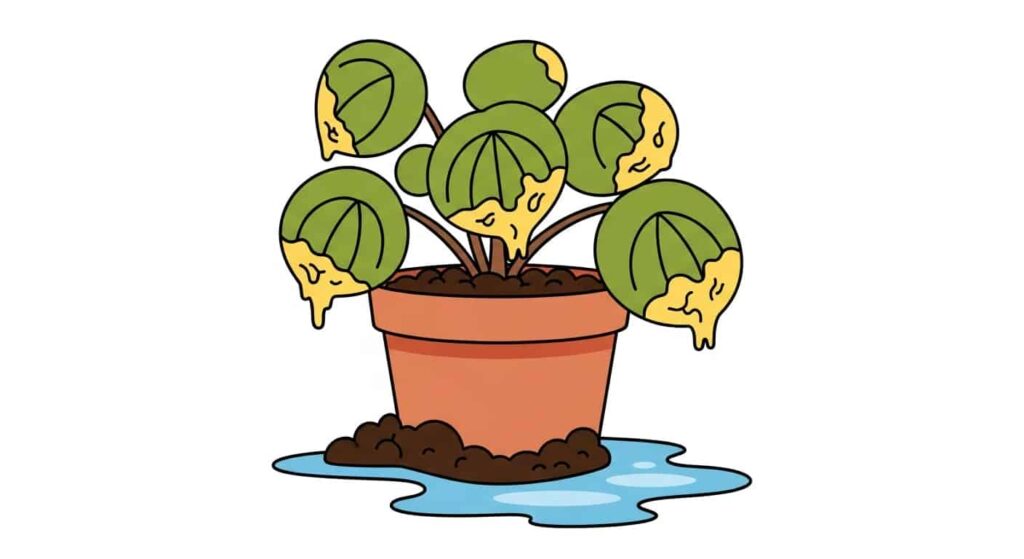
Overwatering is the most common reason for leaf drop in Peperomia Obtusifolia. These plants prefer their soil to dry out between waterings, and too much moisture can quickly lead to problems.
When you water too frequently, the roots become waterlogged and can’t breathe properly. This leads to root rot, which prevents the plant from absorbing nutrients effectively. As a result, the plant drops leaves to conserve energy.
Signs of overwatering include:
- Yellow, mushy leaves that fall off easily
- Soft, brown spots on leaves
- A foul smell is coming from the soil
- Black or brown, mushy roots
Underwatering: When Your Plant Gets Too Thirsty
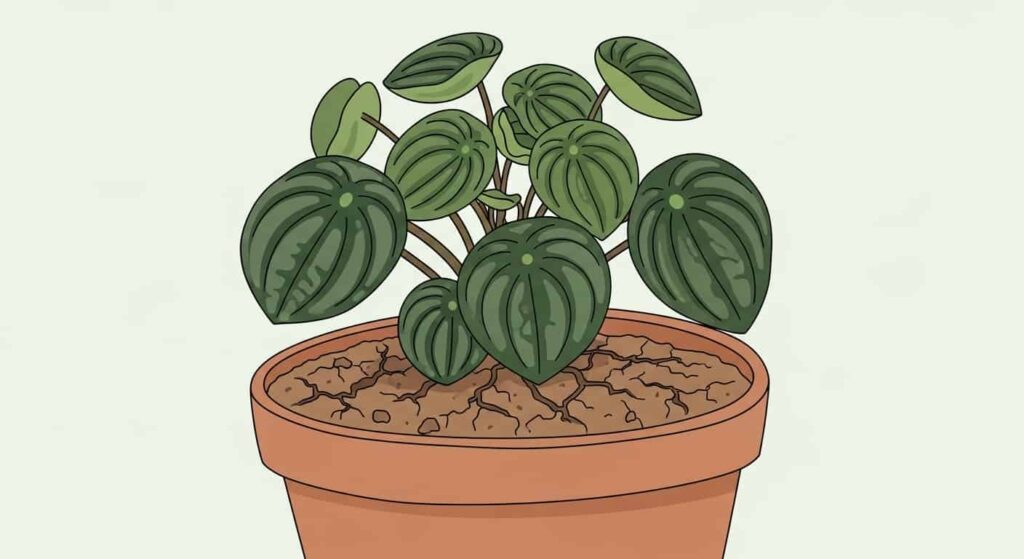
While Peperomia Obtusifolia is drought-tolerant, severe underwatering can also cause leaf drop. When the plant doesn’t receive enough water, it sheds leaves to reduce water loss through transpiration.
Signs of underwatering include:
- Leaves are becoming wrinkled or shriveled
- Dry, crispy leaf edges
- Leaves falling off while still green
- Soil is pulling away from the pot edges
Temperature Stress: Finding the Sweet Spot
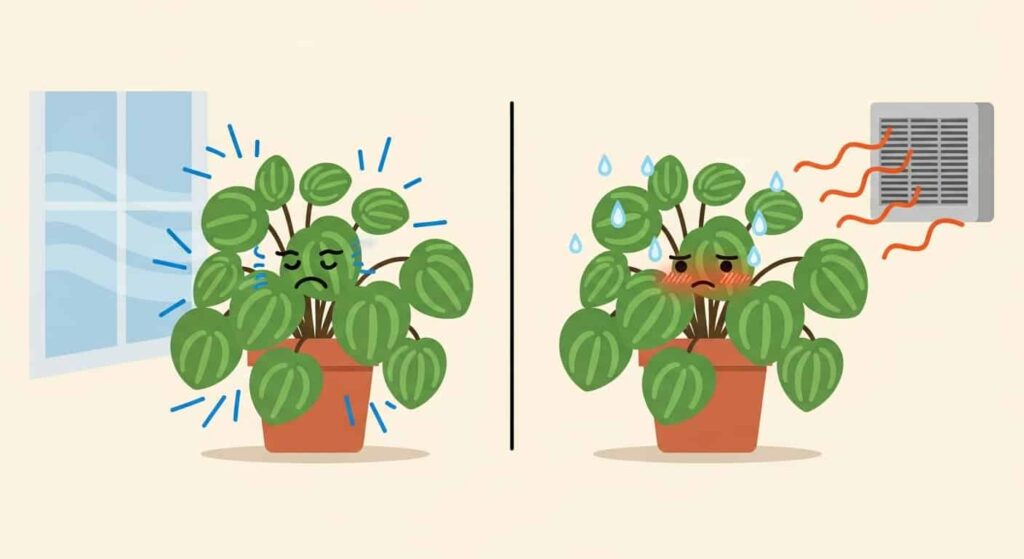
Peperomia Obtusifolia thrives in temperatures between 65-75°F (18-24°C). Sudden temperature changes or exposure to extreme temperatures can shock the plant, causing it to drop leaves.
Common temperature-related problems include:
- Placing the plant near heating vents or air conditioning units
- Moving the plant from a warm indoor space to a cold area
- Exposing the plant to temperatures below 50°F (10°C)
- Drafts from windows or doors
Light Issues: Too Much or Too Little
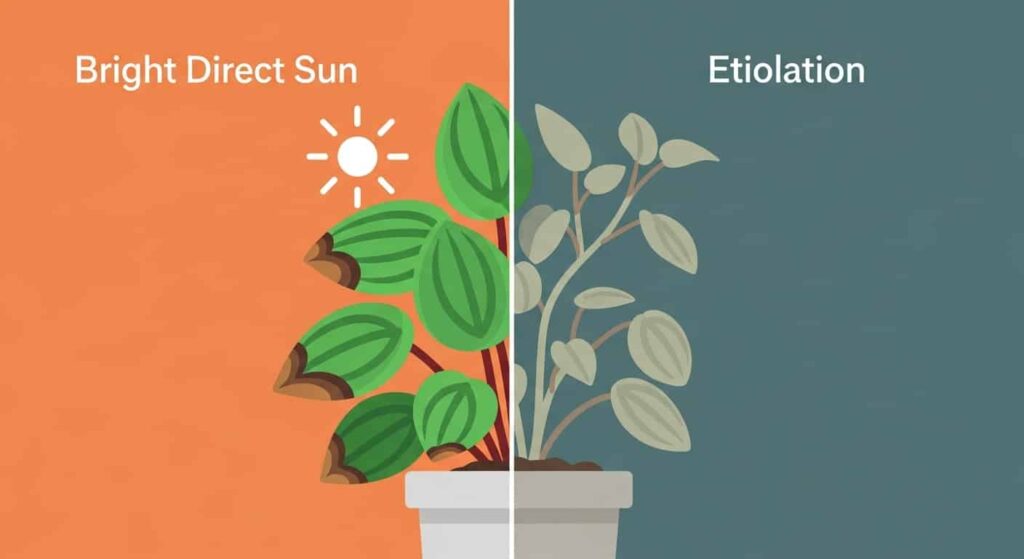
Proper lighting is crucial for healthy Peperomia Obtusifolia. These plants prefer bright, indirect light and can struggle when their lighting conditions are incorrect.
Too Much Light:
- Leaves develop brown, crispy patches
- Leaves turn pale or yellow before dropping
- The plant appears stressed and wilted
Too Little Light:
- Leaves become pale and lose their glossy appearance
- The plant becomes leggy and weak
- Lower leaves drop first
Humidity Levels: Creating the Right Environment
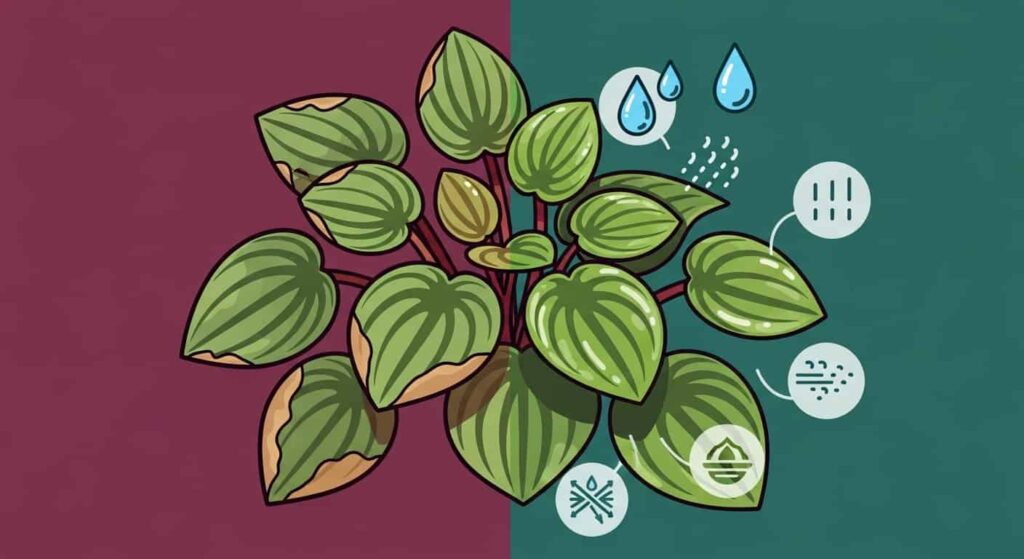
Peperomia Obtusifolia prefers moderate humidity levels around 40-50%. Low humidity, especially during winter months when indoor heating systems run constantly, can stress the plant and cause leaf drop.
Signs of low humidity stress include:
- Brown, crispy leaf edges
- Leaves curling inward
- Slower growth rate
- Increased susceptibility to pests
Nutrient Deficiency: When Your Plant Needs Food
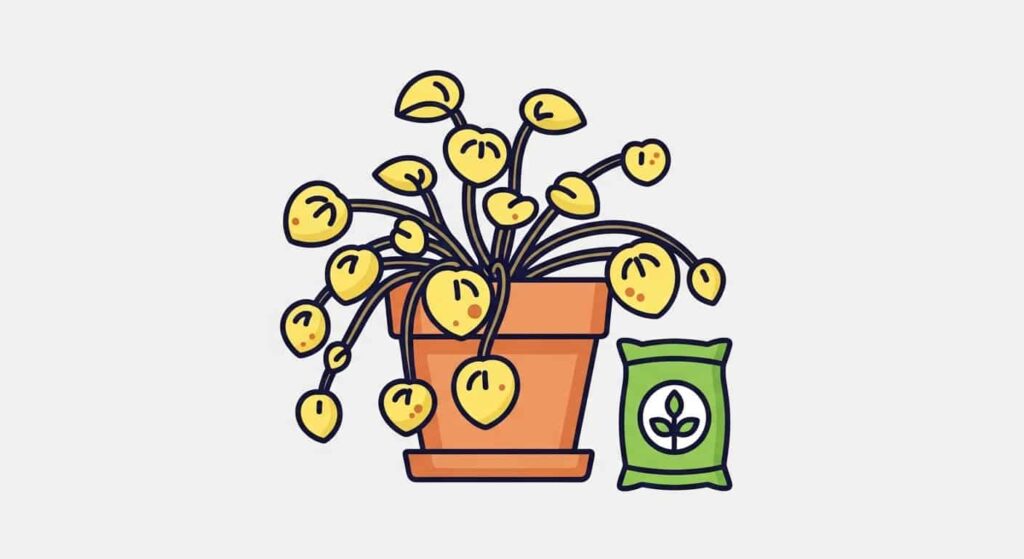
Like all plants, Peperomia Obtusifolia needs proper nutrition to maintain healthy foliage. Nutrient deficiencies can develop over time, especially if the plant hasn’t been fertilized regularly.
Common deficiency symptoms include:
- Yellowing leaves that start from the bottom of the plant
- Pale or washed-out leaf color
- Slow or stunted growth
- Weak, thin stems
Pest Infestation: Unwanted Guests
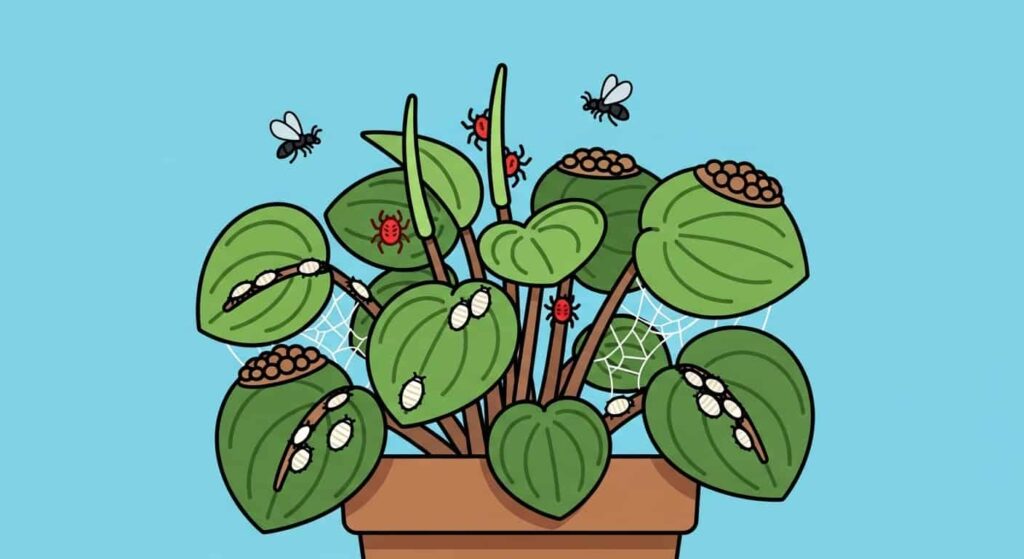
Several pests can attack Peperomia Obtusifolia and cause leaf drop. These tiny invaders feed on plant juices, weakening the plant and causing leaves to fall.
Common pests include:
- Spider mites: Create fine webbing and cause stippled, yellow leaves
- Mealybugs: Appear as white, cotton-like masses on leaves and stems
- Scale insects: Look like small, brown bumps on leaves and stems
- Fungus gnats: Small flies around the soil that indicate overwatering
Solutions and Prevention Strategies
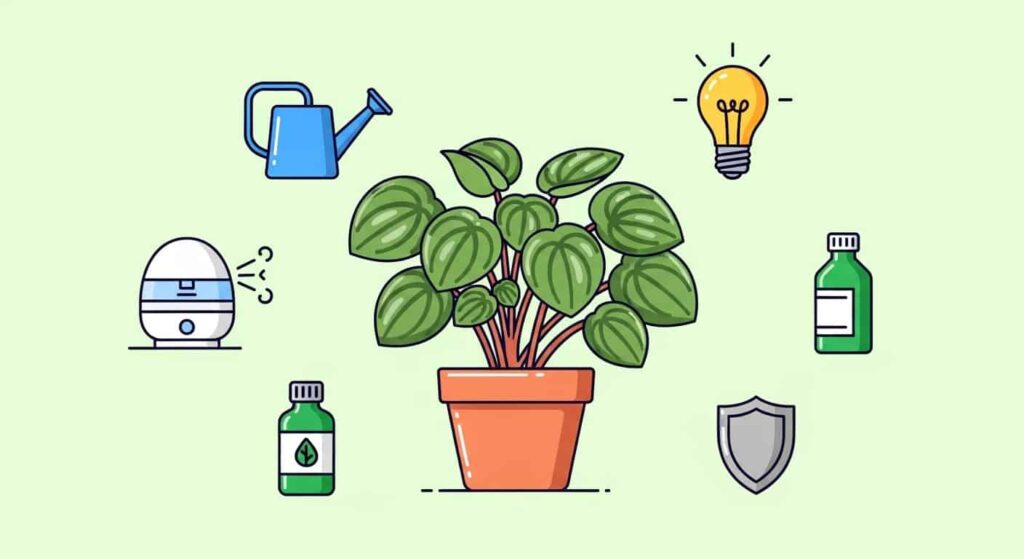
Mastering Watering Techniques
Proper watering is the foundation of good Peperomia Obtusifolia plant care. Follow these simple steps:
- Check the soil: Stick your finger about an inch into the soil. Only water when the top inch feels dry.
- Water thoroughly: When you water, add enough so that water drains from the bottom holes.
- Empty the saucer: Remove excess water from the drainage tray after 30 minutes.
- Use room temperature water: Cold water can shock the roots.
During winter, reduce watering frequency as the plant’s growth slows down and it needs less water.
Temperature and Light Adjustments
Creating the right environment for your Peperomia Obtusifolia is easier than you might think:
Temperature Tips:
- Keep your plant away from heating vents, radiators, and air conditioning units
- Maintain consistent temperatures between 65-75°F (18-24°C)
- Avoid placing the plant near frequently opened doors or windows
- Use a thermometer to monitor temperature fluctuations
Light Solutions:
- Place your plant near an east or west-facing window with a sheer curtain
- If natural light is limited, use a grow light positioned 6-12 inches above the plant
- Rotate the plant weekly to ensure even light exposure
- Move the plant further from windows during the intense summer months
Humidity Management
Increasing humidity around your Peperomia Obtusifolia doesn’t require expensive equipment:
- Pebble tray method: Place pebbles in a shallow tray, add water just below the pebble tops, and set your plant on top.
- Group plants together: Plants naturally increase humidity around each other.
- Use a humidifier: Set it to maintain 40-50% humidity in the room.
- Mist the air: Spray water in the air around the plant (not directly on leaves) to temporarily increase humidity.
Proper Fertilization Schedule
Feed your Peperomia Obtusifolia regularly, but don’t overdo it:
- Use a balanced, water-soluble fertilizer diluted to half strength
- Fertilize monthly during spring and summer (growing season)
- Reduce fertilizing to every 6-8 weeks during fall and winter
- Always water the plant before fertilizing to prevent root burn
- Flush the soil with plain water every few months to prevent salt buildup
Effective Pest Control
Prevention is the best pest control strategy:
Regular Inspection:
- Check your plant weekly for signs of pests
- Look under leaves and along stems
- Use a magnifying glass to spot tiny insects
Natural Treatment Options:
- Insecticidal soap: Spray affected areas according to package directions
- Neem oil: Apply every 7-10 days until pests are gone
- Alcohol solution: Dab individual pests with a cotton swab dipped in rubbing alcohol
- Yellow sticky traps: Place near the plant to catch flying insects
When to Quarantine:
If you discover pests, immediately isolate the affected plant from other houseplants to prevent spreading.
Taking Action to Save Your Plant
Leaf drop in Peperomia Obtusifolia is almost always reversible with the right adjustments. Start by identifying the most likely cause based on your plant’s symptoms and care routine. Most issues stem from watering problems, so begin by evaluating your watering schedule and soil moisture levels.
Remember that plant care is about finding balance. Your Peperomia Obtusifolia wants consistent, moderate care rather than dramatic changes. Make one adjustment at a time and give your plant a few weeks to respond before making additional changes.
With proper attention to watering, lighting, temperature, and humidity, your Peperomia Obtusifolia will stop dropping leaves and return to its naturally healthy, glossy appearance. These resilient plants are forgiving and will reward your improved care with steady growth and beautiful foliage.
Leave a Reply