
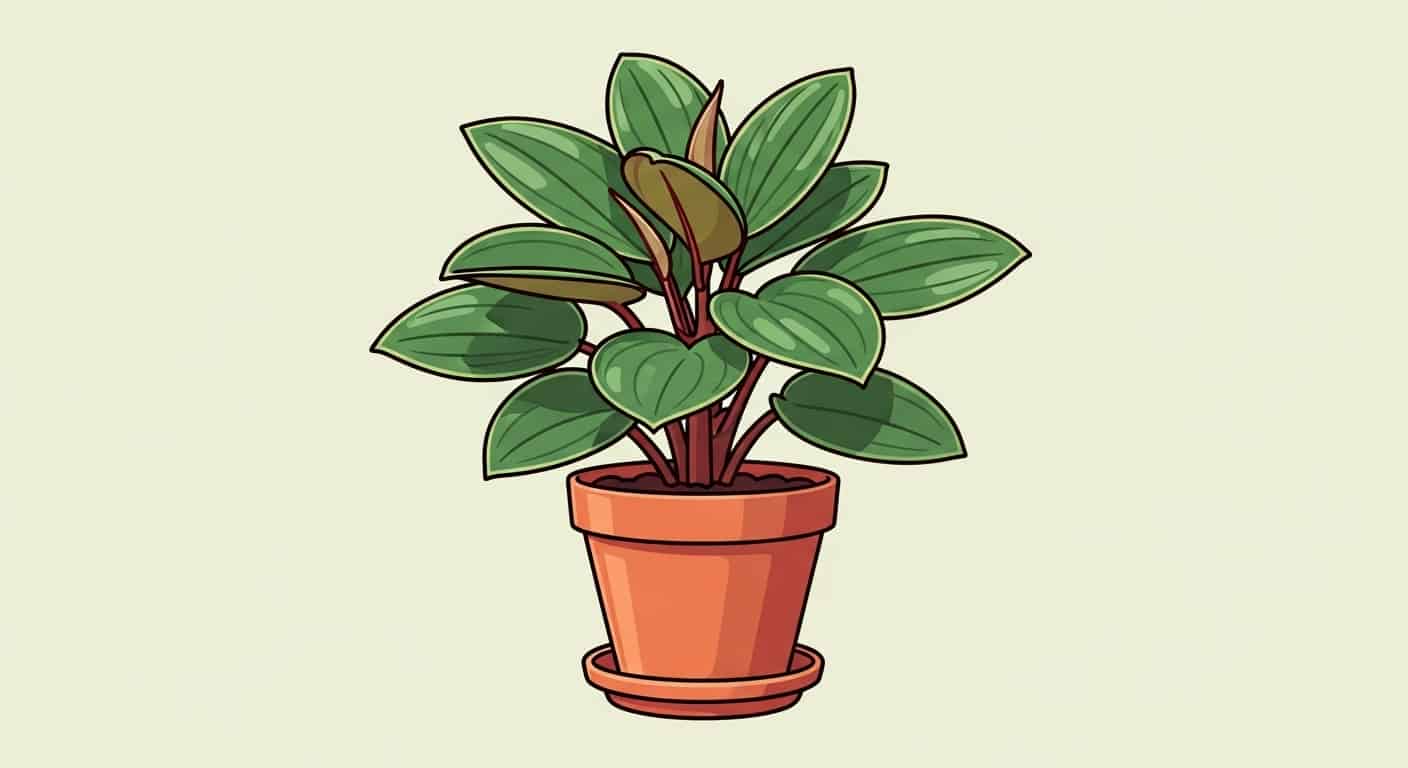
The Peperomia obtusifolia, commonly known as the baby rubber plant, has become a favorite among houseplant enthusiasts worldwide. This charming succulent-like plant wins hearts with its thick, glossy leaves and compact growth habit. While this plant is easy to care for overall, understanding its humidity needs can make the difference between a surviving plant and a thriving one.
Humidity plays a crucial role in keeping your Peperomia obtusifolia healthy and vibrant. Getting this aspect of plant care right will reward you with lush foliage, steady growth, and a plant that brings joy to your indoor space for years to come.
Understanding Your Peperomia Obtusifolia
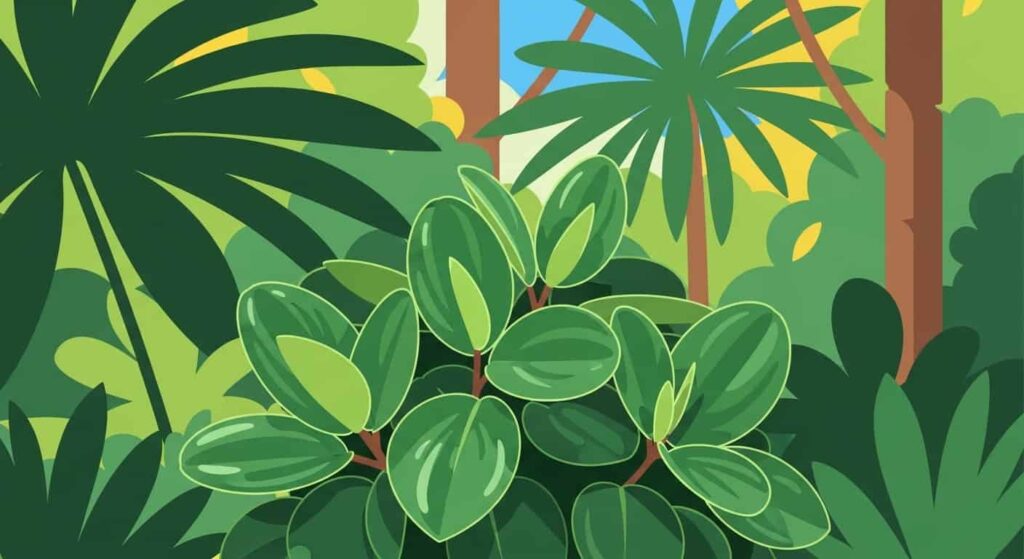
The Peperomia obtusifolia originates from the tropical regions of South America, where it naturally grows as an epiphyte or ground cover in humid forest environments. This background gives us important clues about what this plant needs to flourish in our homes.
What makes this plant special is its thick, waxy leaves that store water, similar to succulents. The leaves are typically round to oval-shaped with a glossy finish that reflects light beautifully. Mature plants can reach 10-12 inches in height and width, making them perfect for tabletops, shelves, or as part of a plant grouping.
Plant enthusiasts love the baby rubber plant because it’s forgiving and adaptable. However, this doesn’t mean you can ignore its basic needs. Understanding that it comes from high-humidity environments helps explain why proper moisture levels in the air are so important for optimal growth.
Humidity Needs for Optimal Growth
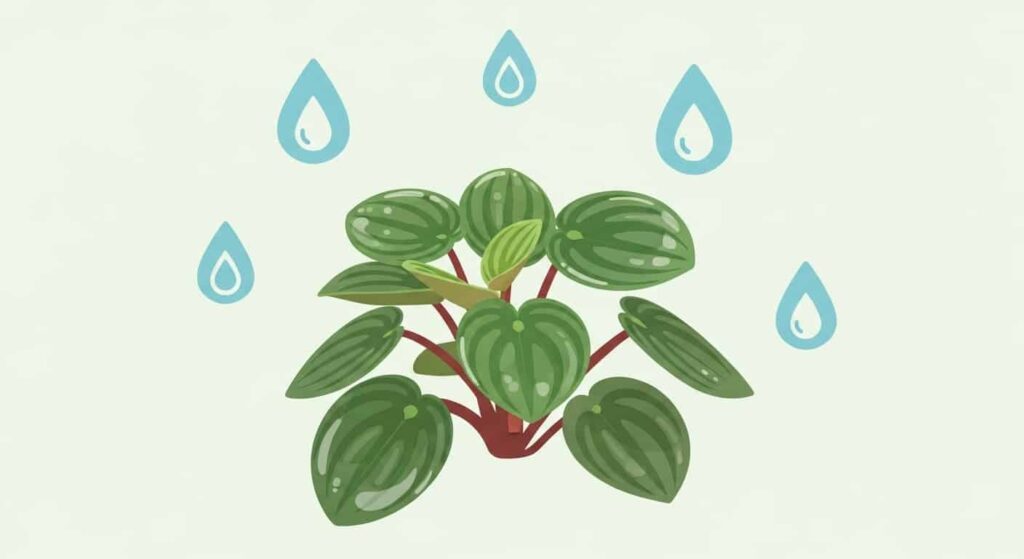
Peperomia obtusifolia thrives in humidity levels between 40-60%. This range mimics its natural tropical habitat while being achievable in most home environments. While the plant can tolerate lower humidity levels down to 30%, you’ll notice much better growth and appearance when you maintain higher humidity.
High humidity benefits your plant in several ways. It helps prevent the leaf edges from browning, supports healthy new growth, and keeps the leaves looking glossy and vibrant. The moisture in the air also helps the plant’s natural processes, including photosynthesis and nutrient uptake through the leaves.
Most homes maintain humidity levels between 30-40%, especially during winter when heating systems dry out the air. This means you’ll likely need to take some steps to increase humidity around your plant for the best results.
Signs Your Plant Needs More Humidity
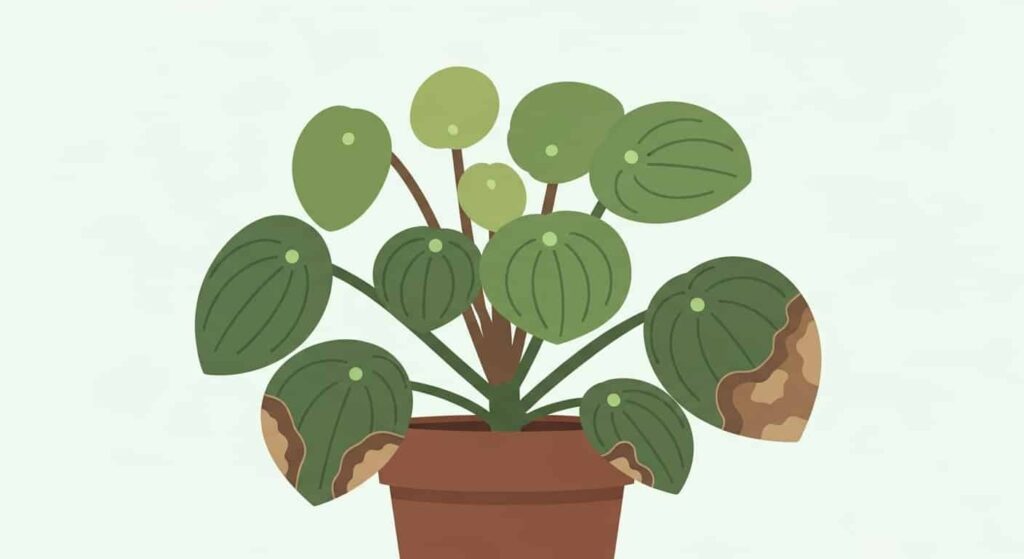
Your Peperomia obtusifolia will show clear signs when humidity levels are too low. Brown or crispy leaf edges are the most common indicator. These brown tips start small but can spread if the dry air problem continues.
Stunted growth is another sign to watch for. When humidity is inadequate, your plant may stop producing new leaves or grow much more slowly than expected. The existing leaves might also lose their glossy appearance and look dull or slightly wrinkled.
You might also notice leaves dropping more frequently than normal. While some leaf drop is natural as plants age, excessive dropping often indicates stress from low-humidity conditions.
The plant’s overall appearance becomes less vibrant when humidity needs aren’t met. Instead of the lush, full look that healthy Peperomias are known for, your plant might look sparse or lackluster.
Effective Methods to Increase Humidity
Using a Humidifier
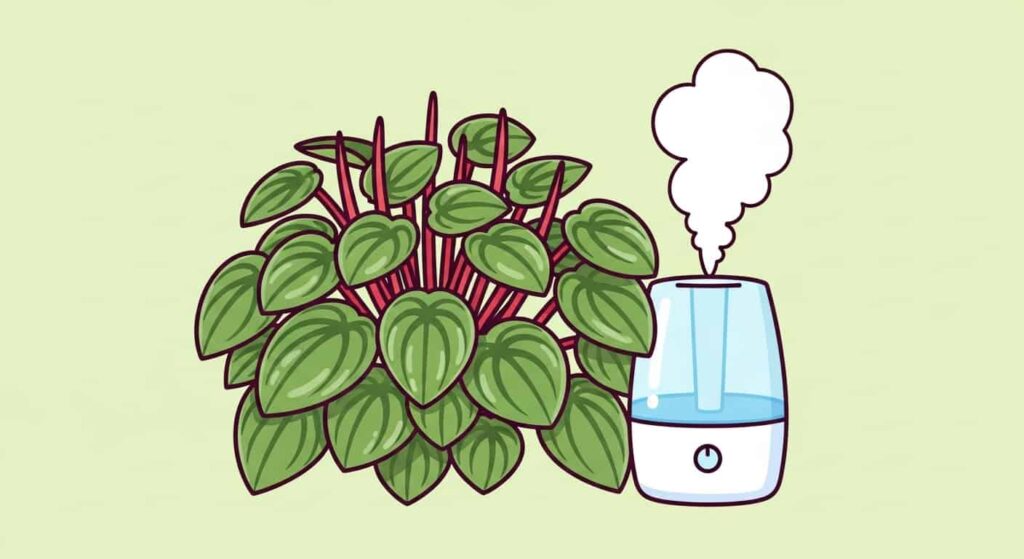
A humidifier offers the most reliable way to increase humidity around your Peperomia obtusifolia. Small, personal-sized humidifiers work well for individual plants or small plant collections. Position the humidifier 3-4 feet away from your plant to ensure even moisture distribution without creating overly wet conditions.
Cool mist humidifiers work best for houseplants because they don’t raise the temperature around your plants. This method allows you to control humidity levels precisely and maintain consistent moisture in the air.
Creating a Pebble Tray
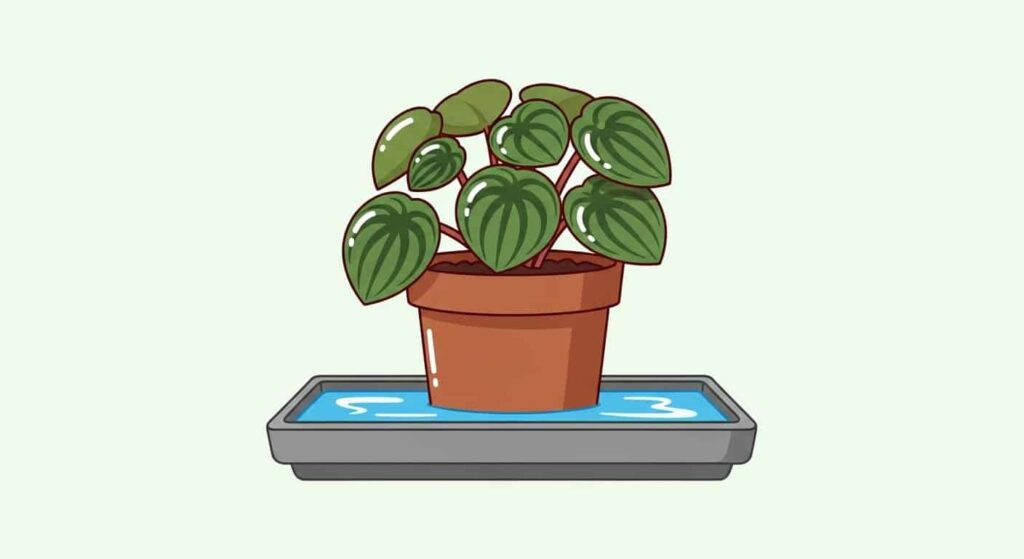
A pebble tray provides a simple, cost-effective way to boost humidity around your plant. Fill a shallow dish or saucer with small stones or pebbles, then add water until it reaches about halfway up the stones. Place your plant pot on top of the stones, making sure the bottom of the pot doesn’t sit in water.
As water evaporates from the tray, it creates a microclimate of higher humidity around your plant. Refill the tray as needed to maintain consistent moisture levels.
Grouping Plants Together
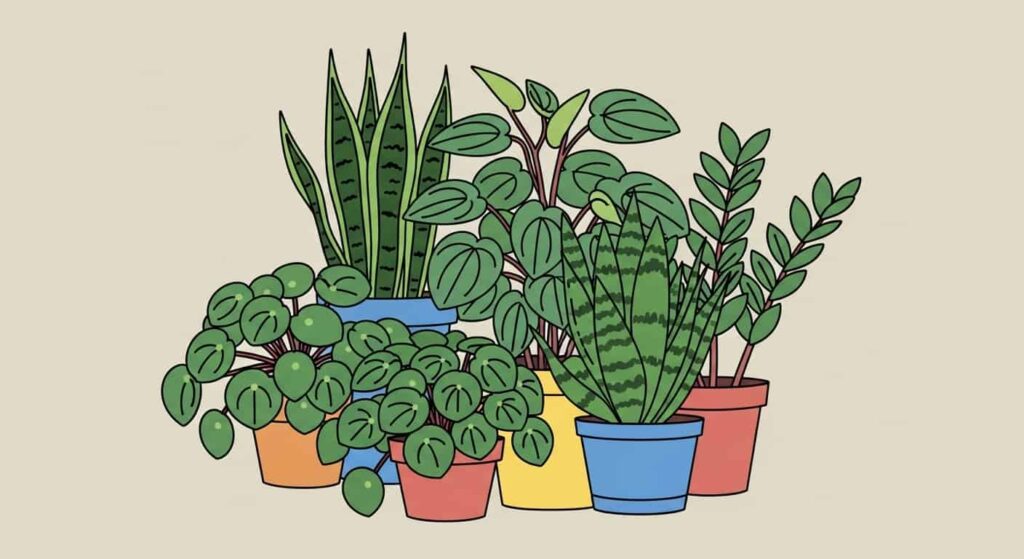
Plants naturally release moisture through their leaves in a process called transpiration. Grouping your Peperomia obtusifolia with other houseplants creates a beneficial microclimate where plants help each other maintain higher humidity levels.
This method works best when you group plants with similar care requirements. The combined transpiration from multiple plants can increase local humidity by 10-15%, which often makes a noticeable difference in plant health.
Misting: Pros and Cons
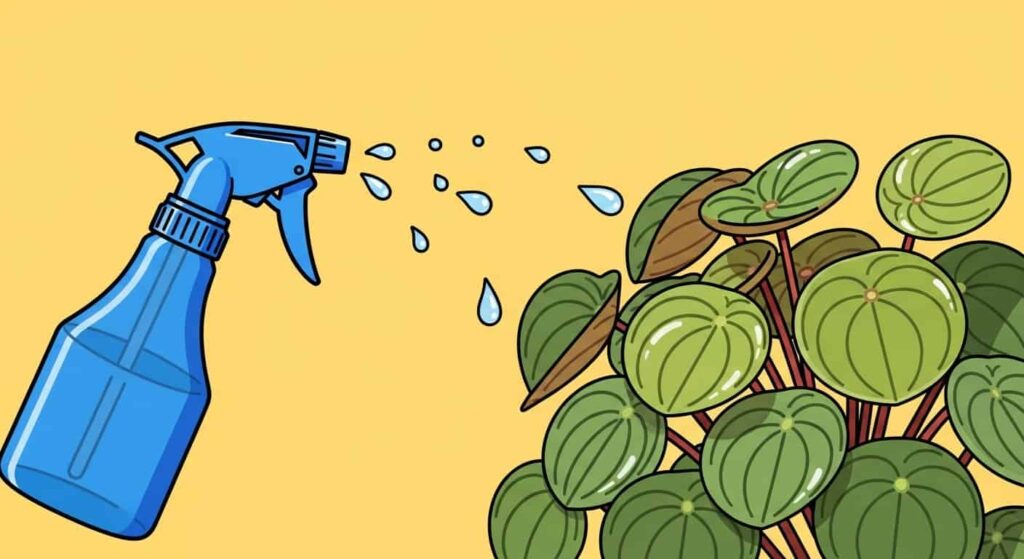
Misting can provide temporary humidity increases, but it requires careful consideration. Light misting in the morning allows leaves to dry before evening, reducing the risk of fungal problems. However, misting isn’t always the best choice for Peperomia obtusifolia because water can collect in the stem joints and cause rot.
If you choose to mist, use distilled water and spray lightly around the plant rather than directly on the leaves. This approach increases air moisture without creating wet conditions on the plant itself.
Complete Care for Healthy Growth
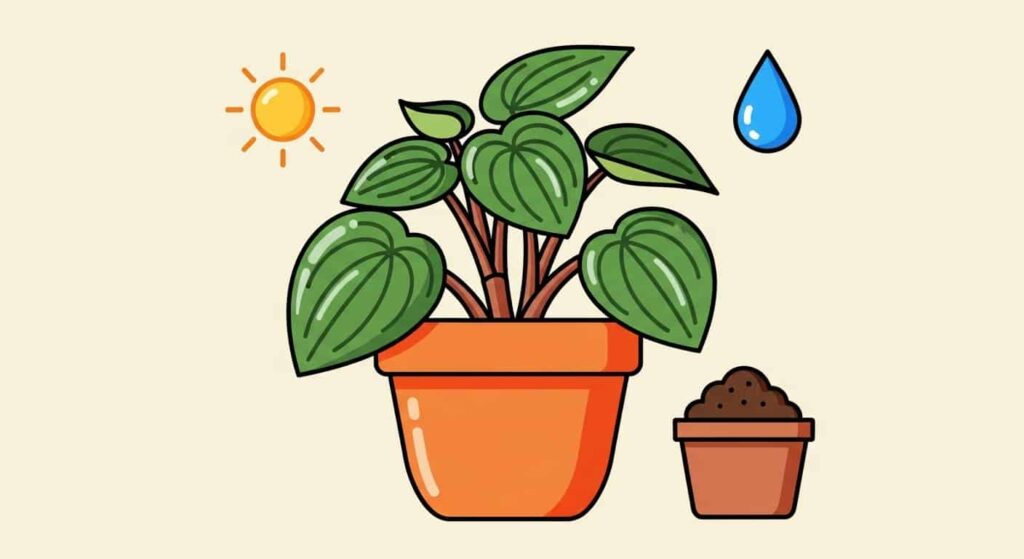
While humidity is important, your Peperomia obtusifolia needs proper care in other areas, too. Water when the top inch of soil feels dry, typically every 1-2 weeks, depending on your home’s conditions. These plants prefer to dry out slightly between waterings rather than staying constantly moist.
Bright, indirect light works best for maintaining that glossy leaf appearance. Direct sunlight can scorch the leaves, while too little light leads to leggy growth and loss of the plant’s compact shape.
Use a well-draining potting mix that allows excess water to flow away from the roots. A standard houseplant potting mix works well, or you can add some perlite to improve drainage.
Troubleshooting Common Humidity Problems
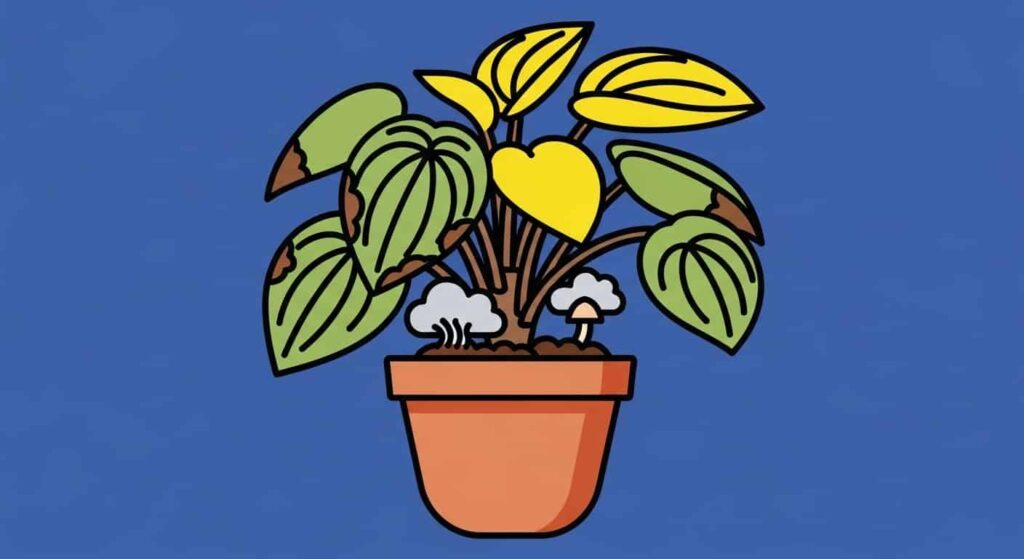
If you notice persistent brown leaf edges despite increasing humidity, check your watering routine. Overwatering combined with high humidity can cause root problems that show up as leaf browning.
Fungal issues like powdery mildew sometimes develop when humidity is high, but air circulation is poor. Ensure good airflow around your plants by avoiding overcrowding and using a small fan if necessary.
Yellow leaves can indicate either too much or too little humidity, combined with other stress factors. Look at your overall care routine to identify what might need adjustment.
Creating the Perfect Environment
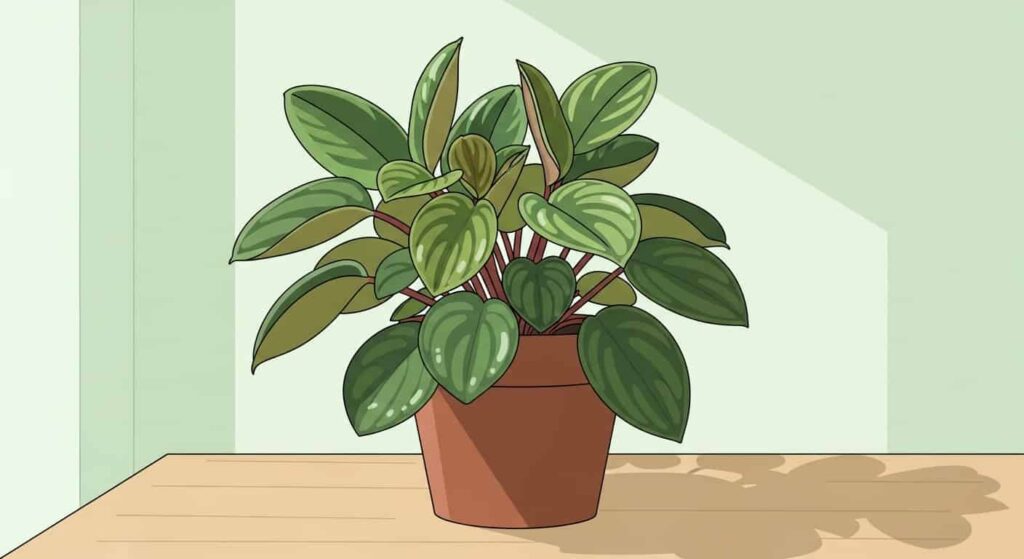
Understanding your Peperomia obtusifolia’s humidity needs sets the foundation for successful plant care. By maintaining humidity levels between 40-60% and combining this with proper watering, lighting, and soil conditions, you’ll have a healthy, attractive plant that grows steadily.
Start with one humidity method that fits your lifestyle and budget. Whether you choose a humidifier, pebble tray, or plant grouping, consistency matters more than perfection. Your Peperomia obtusifolia will reward your attention to its humidity needs with glossy leaves, steady growth, and years of beautiful foliage to enjoy.
Leave a Reply