
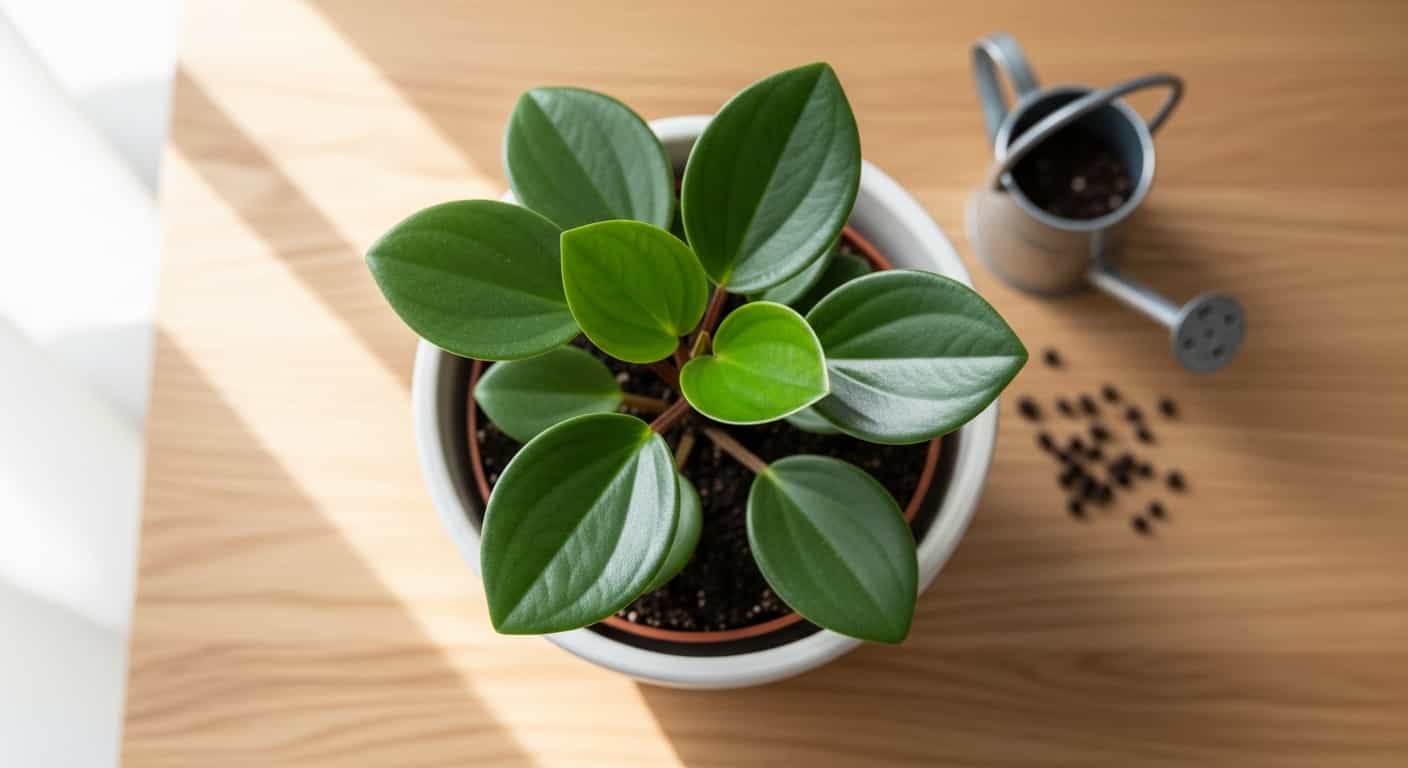
Last Updated on March 9, 2026 by Peperomia obtusifolia
If you’ve been searching for a low-maintenance, gorgeous houseplant that thrives even when you occasionally forget to water it, Peperomia obtusifolia might just be your perfect match.
Also called the Baby Rubber Plant or American Rubber Plant, this compact tropical beauty has earned a permanent spot on windowsills and desks around the world. Glossy, deep-green leaves. A forgiving nature. Zero drama. What’s not to love?
This ultimate care guide covers absolutely everything — from light and watering to soil, propagation, pests, and common problems. Whether you’re a first-time plant parent or a seasoned collector adding a new specimen to your roster, you’ll find everything you need right here.
What Is Peperomia Obtusifolia?
Peperomia obtusifolia is a tropical perennial plant native to the rainforests of South America, particularly found in Mexico, the Caribbean, and Florida. It belongs to the large Piperaceae family — the same family as black pepper — and is one of over 1,000 species within the Peperomia genus.
The name “obtusifolia” comes from Latin, meaning “blunt-leaved,” which perfectly describes its rounded, thick, succulent-like foliage. In its natural habitat, it grows as an epiphyte or ground dweller beneath dense forest canopies, which explains its exceptional tolerance for lower light conditions.
Common Names
- Baby Rubber Plant
- American Rubber Plant
- Pepper Face Plant
- Blunt-leaved Peperomia
Despite sharing the nickname “rubber plant” with Ficus elastica, the two plants are entirely unrelated. The resemblance is purely in their glossy, rubbery-looking leaves.
Why Gardeners Love It
- Easy care — tolerates neglect better than most houseplants
- Compact growth — rarely exceeds 12 inches tall, perfect for small spaces
- Air-purifying — recognized in NASA clean air studies for filtering indoor air
- Non-toxic — safe around children and pets
- Long-lived — with basic care, these plants can thrive for decades
Peperomia Obtusifolia Quick Care Overview
| Care Factor | Requirement |
|---|---|
| Light | Bright indirect light; tolerates low light |
| Watering | Balanced liquid fertilizer monthly during the growing season |
| Soil | Well-draining, slightly acidic mix |
| Temperature | 65–80°F (18–27°C) |
| Humidity | 40–60%; adaptable to average household humidity |
| Fertilizer | Balanced liquid fertilizer monthly during growing season |
| Repotting | Every 2–3 years or when rootbound |
| Toxicity | Non-toxic to humans and pets |
| Growth Rate | Slow to moderate |
| USDA Hardiness | Zones 10–12 outdoors |
Light Requirements
Getting the light right is one of the most important aspects of Peperomia obtusifolia care, and fortunately, this plant is wonderfully flexible.
Ideal Light Conditions
Peperomia obtusifolia thrives in bright, indirect light. An east- or north-facing windowsill is ideal. A few feet back from a south- or west-facing window (where direct rays are filtered by a sheer curtain or diffused by distance) also works beautifully.
In bright indirect light, the plant grows at its healthiest pace and maintains the richest leaf color.
Can It Handle Low Light?
Yes — this is where Peperomia obtusifolia really shines compared to many other houseplants. It can survive and even look decent in low light conditions, making it one of the best options for offices, bathrooms, or rooms with small windows.
That said, “surviving” isn’t the same as “thriving.” In consistently low light, expect slower growth and slightly less vibrant foliage. The plant won’t die on you, but it won’t exactly put on a show either.
What About Direct Sun?
Avoid placing your Peperomia obtusifolia in harsh, direct afternoon sunlight. Prolonged direct sun exposure will scorch the leaves, leaving bleached, crispy patches that won’t recover. Morning sun (gentle, low-intensity rays) is usually fine and can even be beneficial.
Variegated Varieties Need More Light
If you have the popular variegated form (green leaves edged with creamy yellow or white), note that it requires more light than the solid green variety. Without adequate brightness, variegated leaves tend to revert to plain green as the plant compensates by producing more chlorophyll.
Grow Light Option
If your home doesn’t get much natural light, a full-spectrum LED grow light placed 6–12 inches above the plant for 12–14 hours per day works well. Peperomia obtusifolia responds very positively to grow lights and will reward you with compact, lush growth.
Watering Guide
Overwatering is the single most common reason Peperomia obtusifolia struggles or dies. Understanding how this plant uses water is the key to keeping it healthy for years.
How Often to Water
A general rule of thumb: water every 7–14 days during the growing season (spring and summer), and cut back to every 2–4 weeks in fall and winter when growth slows.
But don’t rely on a fixed schedule. Instead, always check the soil before watering.
The Finger Test
Push your finger about 1–2 inches into the soil. If it still feels even slightly damp, wait a few more days. If it feels completely dry at that depth, it’s time to water. Peperomia obtusifolia stores water in its thick, fleshy leaves, so it has a buffer against drought — something it decidedly lacks against soggy roots.
How to Water Properly
When you do water, water thoroughly — pour slowly and evenly until water drains freely from the bottom drainage holes. This encourages roots to grow deep and ensures the entire root zone is hydrated. Then let the soil fully dry before watering again.
Bottom watering is also an excellent technique. Set the pot in a tray of water for 20–30 minutes, allow the soil to absorb moisture from below, then remove and let it drain. This method keeps the top of the soil drier (reducing the risk of fungus gnats) and ensures even moisture distribution.
Signs of Overwatering
- Yellowing leaves, especially lower ones
- Soft, mushy stems at the base
- Wilting despite wet soil
- Foul odor from the soil
- Root rot (dark, mushy roots when you unpot the plant)
Signs of Underwatering
- Wrinkled or slightly shriveled leaves
- Dry, pulling-away-from-sides soil
- Wilting with dry soil
- Crispy leaf tips or edges
Water Quality
Peperomia obtusifolia is sensitive to the salts and fluoride found in tap water. If possible, use filtered water, rainwater, or tap water left out overnight so chlorine can dissipate. This is especially important if you notice brown leaf tips despite appropriate watering frequency.
Soil and Potting Mix
Because overwatering is this plant’s biggest enemy, the soil you use matters enormously. The goal is a mix that drains fast, dries out reasonably quickly, yet still retains just enough moisture to support healthy roots.
Best Soil for Peperomia Obtusifolia
A well-draining, slightly acidic mix with a pH of 6.0–6.5 is ideal. You can achieve this a few ways:
Option 1 – Modified Potting Soil (Easy)
- 50% quality all-purpose potting mix
- 25% perlite
- 25% coarse sand or additional perlite
Option 2 – Cactus/Succulent Mix (Even Better Drainage)
- 60% cactus/succulent mix
- 40% perlite
Option 3 – DIY Mix (Best Overall)
- 40% potting soil
- 30% perlite
- 20% orchid bark (improves aeration)
- 10% worm castings (adds gentle nutrition)
What to Avoid
- Dense, peat-heavy mixes — retain too much moisture
- Garden soil — too compacted, lacks drainage
- Mixes with moisture-retaining crystals — significantly increases overwatering risk
The Importance of Drainage Holes
Never plant Peperomia obtusifolia in a pot without drainage holes. No matter how perfect your soil or watering habits, excess water needs somewhere to go. A pot with no drainage is an invitation for root rot.
Temperature and Humidity
Temperature
Peperomia obtusifolia is a tropical plant, but it’s surprisingly comfortable in typical household temperatures.
Ideal range: 65–80°F (18–27°C)
It will tolerate temperatures down to about 50°F (10°C) briefly, but anything lower causes cold stress — you’ll notice leaf drop or darkened patches on the foliage. Frost is fatal.
Keep the plant away from:
- Cold drafts near windows in winter
- Air conditioning vents blowing directly on leaves
- Heating vents (dry, hot air causes stress too)
- Doors that open to cold outdoor air regularly
Humidity
One of the great things about this plant is its flexibility with humidity. While it hails from humid tropical environments, it has adapted well to the drier air of most homes.
Ideal humidity: 40–60%
Average household humidity (typically 30–50%) is usually fine. If your home is particularly dry — common in winter when heating runs constantly — consider:
- Grouping plants together (they naturally raise humidity through transpiration)
- Placing a small humidifier nearby
- Setting the pot on a pebble tray filled with water (ensure the pot sits above the waterline)
Misting is often recommended but is actually less effective than the above methods, and can occasionally promote fungal issues if water sits on leaves too long.
Fertilizing
Peperomia obtusifolia is not a heavy feeder. In fact, over-fertilizing causes more harm than good — excessive salts build up in the soil, burning roots and causing brown leaf tips.
When to Fertilize
Feed only during the active growing season: spring and summer (roughly April through September). Do not fertilize in fall and winter when the plant’s growth naturally slows.
What to Use
A balanced, water-soluble fertilizer (such as 10-10-10 or 20-20-20) diluted to half the recommended strength works well. Apply once a month during the growing season.
Alternatively, a slow-release granular fertilizer worked into the top layer of soil in spring provides gentle, steady nutrition throughout the season with no risk of fertilizer burn.
Organic options like diluted worm casting tea or fish emulsion are also excellent — they feed more gently and improve soil microbiology at the same time.
Signs of Over-Fertilizing
- Brown, crispy leaf edges
- White crusty residue on the soil surface or pot rim (salt buildup)
- Wilting despite proper watering
- Sudden leaf drop
If you suspect over-fertilization, flush the soil thoroughly with plain water several times to leach out excess salts. Let it drain completely before returning to a normal care routine.
Repotting
Peperomia obtusifolia has a small, compact root system and genuinely prefers being somewhat root-bound. Resist the urge to repot too frequently — this plant dislikes unnecessary disturbance.
When to Repot
Repot every 2–3 years, or when you notice:
- Roots circling the bottom of the pot or emerging from drainage holes
- The plant drying out much faster than usual (roots have displaced most of the soil)
- Noticeably stunted growth despite good care
Choosing the Right Pot Size
Always go up just one pot size (1–2 inches larger in diameter) when repotting. A pot that’s too large holds excess moisture around the roots, greatly increasing the risk of root rot.
How to Repot Step by Step
- Water the plant 1–2 days before repotting — moist soil clings better to roots and reduces transplant shock.
- Gently tip the plant out of its current pot. If stuck, squeeze the sides of a plastic pot or run a thin knife around the inside of a ceramic one.
- Shake off excess soil and examine the roots. Trim any dark, mushy, or dead roots with clean, sterilized scissors.
- Place a small amount of fresh, well-draining mix in the bottom of the new pot.
- Center the plant and fill in around the roots, pressing gently but not compacting the soil.
- Water lightly and place in bright indirect light. Hold off on fertilizing for 4–6 weeks to let the plant settle.
Best Pot Materials
- Terracotta — excellent choice; the porous walls allow soil to breathe and dry out faster, perfectly matching this plant’s preference
- Plastic — works fine, but soil dries more slowly, so adjust watering accordingly
- Ceramic/glazed — attractive but retains moisture; pair with very fast-draining soil
Pruning and Maintenance
Peperomia obtusifolia is naturally tidy and compact, so heavy pruning isn’t usually needed. Occasional light grooming, however, keeps the plant looking its best and encourages bushy, full growth.
When and How to Prune
- Remove dead or yellowing leaves promptly — this keeps the plant healthy and prevents potential fungal issues.
- Trim leggy stems in spring to encourage branching. Cut just above a leaf node using clean, sharp scissors or pruning shears.
- Pinch growing tips on young plants to encourage a bushier shape rather than tall, sparse growth.
Cleaning the Leaves
The glossy leaves of Peperomia obtusifolia are a big part of its charm — but they’re also dust magnets. Dusty leaves look dull and, more importantly, reduce the plant’s ability to photosynthesize effectively.
Wipe leaves gently with a damp cloth every few weeks. Avoid commercial leaf shine products — they clog the stomata (tiny pores the plant uses to breathe) and can cause long-term damage.
Propagation Methods
One of the most rewarding aspects of growing Peperomia obtusifolia is how easy it is to propagate. You can create new plants from cuttings and share them with friends — or simply expand your own collection.
Method 1: Stem Cutting in Water
Best for: beginners; highly reliable
- Using clean scissors, cut a healthy stem with 2–3 leaves, leaving at least 1–2 inches of bare stem below the lowest leaf.
- Remove the lower leaves to expose the stem node.
- Place the cutting in a glass of water, ensuring the node is submerged but no leaves are touching the water.
- Set in bright indirect light and change the water every 3–4 days to keep it fresh.
- Roots typically appear within 2–4 weeks. Once roots are 1–2 inches long, pot up in your standard Peperomia mix.
Method 2: Stem Cutting in Soil
Best for: those who want to skip the water stage
- Take a stem cutting as above and allow the cut end to callous for a few hours.
- Optionally dip in rooting hormone powder (speeds things up but isn’t necessary).
- Insert into a small pot of lightly moistened, well-draining mix.
- Cover loosely with a plastic bag or clear dome to retain humidity.
- Place in warm, bright indirect light. Roots typically form in 3–6 weeks. You’ll know it’s rooted when you feel gentle resistance if you tug lightly.
Method 3: Leaf Cutting
Most unique method for Peperomia
- Cut a healthy, mature leaf from the plant with its short petiole (leaf stem) attached.
- Allow the cut end to dry for a few hours.
- Insert the petiole into moist propagation mix at a slight angle.
- Keep warm (around 70–75°F) and humid. Baby plantlets will emerge from the base of the leaf in 4–8 weeks.
Note: This method works best with the solid green variety. Variegated forms may not reliably pass on their variegation through leaf propagation — stem cuttings are preferred to preserve variegation.
Method 4: Division
If your plant has grown into a wide, multi-stemmed clump, you can divide it at repotting time. Simply separate sections of the plant (each with its own roots) and pot them individually. This is the fastest way to get full-looking new plants since you’re not starting from scratch.
Common Pests and Diseases
Peperomia obtusifolia is relatively pest-resistant, especially compared to many other tropical houseplants. Still, no plant is entirely immune, and knowing what to look for helps you act fast before a small problem becomes a big one.
Common Pests
Fungus Gnats The most common pest for Peperomia obtusifolia — and directly linked to overwatering. Fungus gnats are tiny flying insects whose larvae live in moist soil and feed on organic matter (and sometimes fine roots).
Fix: Let soil dry out more thoroughly between waterings. Apply a layer of sand or fine gravel on top of the soil (the gnats can’t lay eggs in dry, gritty material). Yellow sticky traps catch adults. For serious infestations, a soil drench with Bacillus thuringiensis israelensis (Bti) or diluted hydrogen peroxide solution is effective.
Mealybugs White, cotton-like clusters in leaf axils and along stems. Mealybugs suck sap, weakening the plant over time.
Fix: Remove visible mealybugs with a cotton swab dipped in rubbing alcohol. Spray the entire plant with a neem oil solution or insecticidal soap, repeating every 7–10 days for at least 3–4 treatments.
Spider Mites Tiny, spider-like pests that thrive in hot, dry conditions. Look for fine webbing between leaves and a speckled, faded appearance on foliage.
Fix: Increase humidity. Rinse the plant thoroughly in the shower to dislodge mites. Follow with neem oil or insecticidal soap spray treatments.
Scale Brown, waxy bumps on stems and undersides of leaves. Scale insects are immobile once they’ve attached, making them easy to miss.
Fix: Scrape off visible scale with a soft toothbrush. Treat with neem oil or horticultural oil sprays. Consistent treatment over several weeks is usually required.
Common Diseases
Root Rot (Pythium, Phytophthora) By far the most common disease issue — caused by persistently soggy soil and poor drainage. Symptoms include yellowing leaves, soft/mushy stems, and a foul odor from the soil.
Fix: Remove the plant from its pot, trim all rotted roots, let the root system air dry for a few hours, then repot in fresh, well-draining soil. Cut back on watering going forward.
Leaf Spot (Cercospora, bacterial) Dark, water-soaked spots on leaves, sometimes with yellow halos. Usually linked to overwatering, high humidity, or water sitting on leaves.
Fix: Remove affected leaves. Improve air circulation. Avoid getting leaves wet when watering. Apply a copper-based fungicide if widespread.
Common Problems and Solutions
Even with the best care, you’ll occasionally encounter issues. Here’s a practical troubleshooting guide for the most common Peperomia obtusifolia problems.
Yellowing Leaves
Most likely cause: Overwatering or root rot.
Check the soil moisture and root health immediately. Other possible causes include nutrient deficiency (less common), too little light, or cold temperatures.
Brown Leaf Tips or Edges
Most likely cause: Low humidity, fluoride/salt sensitivity from tap water, or fertilizer burn.
Switch to filtered or rainwater, flush the soil to remove salt buildup, and consider a small humidifier if your home is very dry.
Dropping Leaves
Most likely cause: Sudden temperature change, cold draft, or severe overwatering/underwatering.
Check the plant’s environment for drafts or temperature fluctuations. Stabilize its conditions and let it recover without overwatering.
Leggy, Stretched Growth
Cause: Insufficient light. The plant is stretching toward any available light source.
Move the plant to a brighter location (still indirect light) or supplement with a grow light.
Wilting Despite Wet Soil
Cause: Almost certainly root rot. Healthy roots can’t absorb water if they’re rotting.
Unpot the plant, inspect the roots, trim any rot, and repot in fresh, dry soil. Ease off watering.
Pale or Washed-Out Leaf Color
Cause: Too much direct sun (bleaching) or too little light (loss of color depth).
Assess the plant’s light situation and adjust accordingly.
No New Growth
Cause: Normal during winter dormancy. In other seasons, may indicate root-bound conditions, insufficient light, or lack of nutrients.
If it’s spring or summer and growth has stalled, check the root situation, bump up the light, and consider a gentle feed.
Peperomia Obtusifolia Varieties
The species has a handful of popular cultivars, each with its own visual appeal:
Peperomia Obtusifolia ‘Variegata’
The most popular variety by far. Leaves are edged with irregular cream or yellow margins against a central deep-green zone. Requires slightly more light than the standard green form to maintain its variegation.
Peperomia Obtusifolia ‘Greengold’
Displays a more pronounced yellow-green coloring throughout the leaf, with less defined margins than ‘Variegata’. A cheerful, bright-looking plant.
Peperomia Obtusifolia ‘Marble’
Features grey-green marbled patterning across the leaf surface — more subtle and sophisticated looking than the variegated forms.
Standard Green (Species Form)
The original — deep, glossy, dark green leaves with that distinctive rubbery shine. Classic, elegant, and arguably the most tolerant of lower light among all the varieties.
Is Peperomia Obtusifolia Toxic?
This is one of the most common questions new plant parents ask — and the answer is reassuring.
Peperomia obtusifolia is considered non-toxic to both humans and animals, including dogs and cats, according to the ASPCA. It’s one of the genuinely pet-safe houseplants you can display without worry.
That said, ingesting large amounts of any plant material can cause mild digestive upset, so it’s still a good idea to keep plants out of reach of curious pets and small children as a general precaution.
Frequently Asked Questions
How fast does Peperomia obtusifolia grow?
Peperomia obtusifolia is a slow-to-moderate grower. Under ideal conditions (bright indirect light, warm temperatures, regular feeding in the growing season), you can expect a few inches of new growth per season. Don’t expect rapid changes — this plant rewards patience.
How big does Peperomia obtusifolia get?
Indoors, Peperomia obtusifolia typically stays compact — most specimens reach 8–12 inches (20–30 cm) in height and spread. It’s an ideal size for shelves, desks, and windowsills.
Why is my Peperomia obtusifolia leggy?
Leggy growth with long gaps between leaves almost always means the plant isn’t getting enough light. Move it to a brighter spot (still indirect light) and pinch back leggy stems to encourage bushier regrowth.
Should I mist my Peperomia obtusifolia?
Misting isn’t necessary and offers minimal humidity benefit. If you want to raise humidity, a pebble tray or grouping plants together is more effective. Consistent misting can also occasionally promote fungal leaf spots.
Why are the leaves on my Peperomia obtusifolia turning yellow?
Yellow leaves are most commonly a sign of overwatering. Check that the soil has been allowed to dry adequately between waterings, ensure the pot has drainage holes, and inspect the roots for any signs of rot.
Can Peperomia obtusifolia grow in low light?
Yes — it’s one of the more low-light tolerant houseplants available. It won’t grow as fast or as full in low light, but it can survive and look reasonable even in dimmer corners of your home.
Can I put Peperomia obtusifolia outside?
Yes, in warm weather (above 55°F / 13°C). It does well outdoors in bright shade — a covered porch or patio with filtered light is ideal. Bring it back inside before temperatures drop in autumn. In USDA Zones 10–12, it can live outdoors year-round.
How do I know if my Peperomia obtusifolia needs water?
Check the soil by pushing your finger 1–2 inches deep. If it feels completely dry, water thoroughly. If it still feels at all moist, wait a few more days. The leaves will also look very slightly softer or wrinkled if the plant is genuinely thirsty.
Does Peperomia obtusifolia flower?
Yes! Peperomia obtusifolia produces long, slender, spike-like flower stalks (called rat tail inflorescences) that grow upright from the plant. The flowers themselves are tiny and not particularly showy — most growers choose to remove them so the plant puts its energy into foliage instead, but they’re completely harmless to leave on.
Is Peperomia obtusifolia a succulent?
It’s not a true succulent, but it has succulent-like qualities — its thick, fleshy leaves store water, which is why it tolerates periods of drought so well. It’s sometimes called a “semi-succulent” and is cared for similarly in terms of watering practices.
Final Thoughts
Peperomia obtusifolia is one of those rare plants that genuinely lives up to its reputation as an easy-care gem. Its glossy foliage brings a lush, tropical feel to any space, while its forgiving nature makes it accessible even to beginners who don’t yet have their plant-care instincts fully tuned.
The most important thing to take away from this guide: don’t overwater it. Get that right, give it decent indirect light, and your Peperomia obtusifolia will reward you with years — even decades — of beautiful, reliable growth.
Whether you’re growing the classic deep-green species or the striking variegated cultivar, this plant deserves a permanent place in your home. Happy growing!
Leave a Reply