Plumier, Linnaeus, and the Global Journey of Peperomia
The history of Peperomia obtusifolia begins with its discovery in the Caribbean by Charles Plumier. While your Peperomia obtusifolia currently sits on a modern IKEA shelf, its lineage traces back to the high-stakes world of 17th-century botanical exploration. Long before it was the "Baby Rubber Plant," it was a mystery of the Caribbean jungle, sought after by royal botanists and cataloged by the fathers of modern science.
Understanding the history of the Obtusifolia is a journey through the "Golden Age" of botanical taxonomy.
1. Peperomia History Discovery: The 1693 Discovery
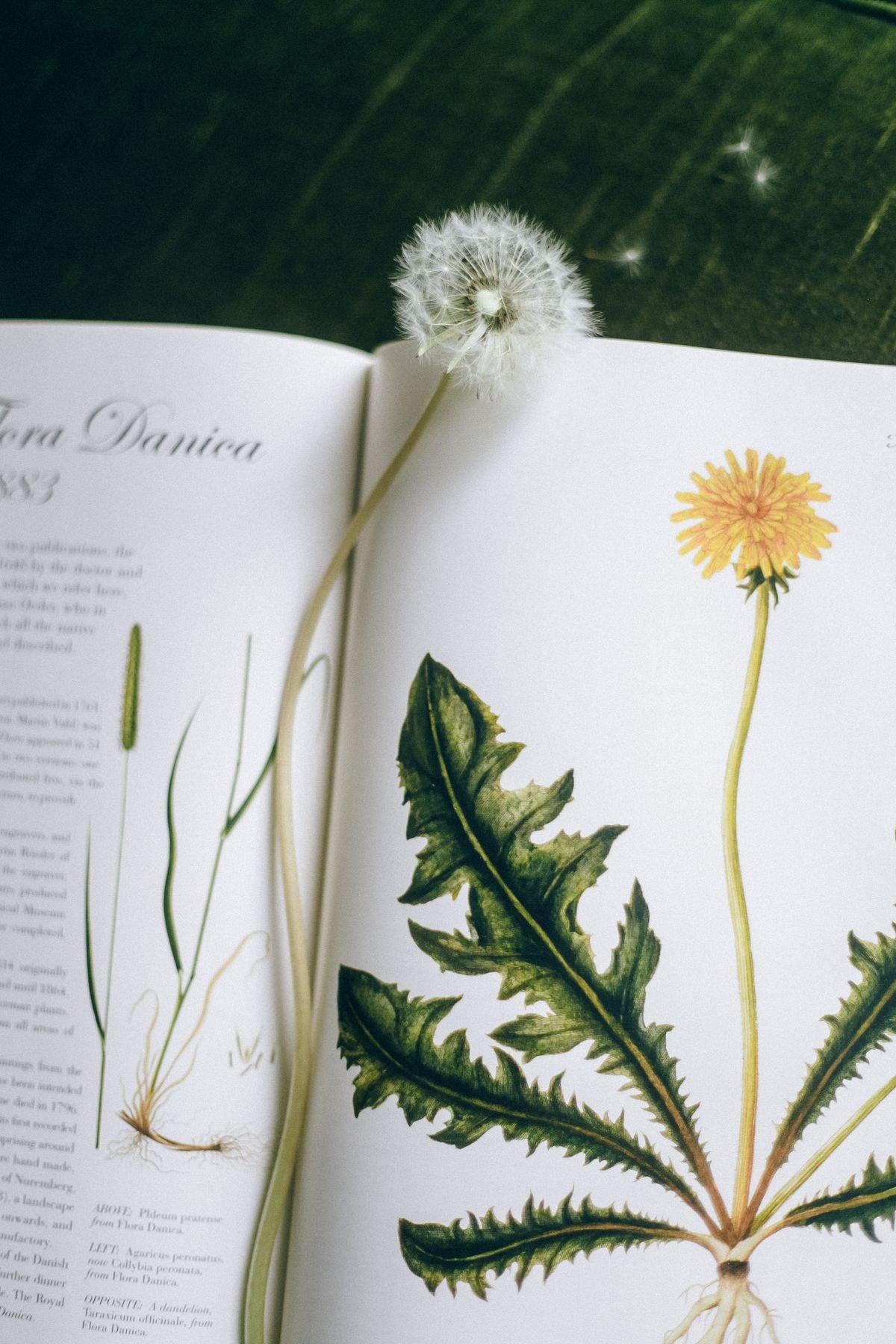
The first European record of the Peperomia obtusifolia comes from Charles Plumier (1646–1704), a French botanist and Franciscan monk commissioned by King Louis XIV.
Plumier made three perilous voyages to the West Indies to document the flora of the Americas. In his 1693 masterpiece, Description des plantes de l'Amérique, he provided a detailed illustration (Plate 70) that serves as the "lectotype"—the definitive scientific reference—for the species. To Plumier, it was an exotic marvel of the tropical understory, a succulent epiphyte that defied the categories of European botany.
2. The Linnaean Classification (1753)
By the time Carl Linnaeus (the father of modern taxonomy) began his work, the plant was known to European botanists but lacked a formal placement in the "Tree of Life."
In his seminal 18th-century work, Species Plantarum (1753), Linnaeus officially classified the plant under the name Piper obtusifolium. He recognized its clear relationship to the black pepper plant (Piper nigrum) but noted its "obtuse" (blunt) leaf shape as its defining characteristic. It wasn't until 1831 that Albert Gottfried Dietrich moved the species into the newly established genus Peperomia, giving us the name we use today: Peperomia obtusifolia (L.) A. Dietr.
3. Greek Origins: The "Pepper Mimic"
The word Peperomia is a botanical hybrid of two Greek words:
- Peperi: Meaning "pepper."
- Homoios: Meaning "resembling."
The name is a direct reference to the Piperaceae family. While the Obtusifolia has thick, succulent leaves, its reproductive structure—the long, unscented, rat-tail-like flower spikes (spadices)—is almost identical to that of true peppers. This shared anatomy is the genetic "smoking gun" that links your houseplant to the spices in your kitchen.
4. Ethnobotany: More Than Decoration
In its native regions of the Caribbean, Mexico, and Northern South America, the Obtusifolia was more than just a pretty leaf; it was a resource.
- Antiscorbutic Power: Because the thick leaves are rich in moisture and vitamins, they were traditionally used by sailors and indigenous groups as an antiscorbutic to prevent scurvy during long coastal voyages.
- Topical Analgesic: In Colombian and Caribbean traditional medicine, the crushed leaves were applied as a poultice for pain relief, specifically targeting the inflammation of Arthritis and Rheumatism. The high water content and specific alkaloids provided a cooling, soothing effect on inflamed joints.
5. The "Baby Rubber Plant" Marketing Myth
The common name "Baby Rubber Plant" is a piece of 20th-century horticultural marketing.
In the 1950s, the Ficus elastica (Rubber Tree) was the dominant trend in interior design. Because the Peperomia obtusifolia had similar glossy, thick, "rubbery" leaves but was significantly easier to keep alive in small apartments, nurseries branded it as the "Baby" version. The name stuck, despite the two plants being completely unrelated botanically.
Conclusion
The discovery record matters because it fixes the species' identity against decades of retail mislabelling. Every time you prune a leaf or check the soil of your Peperomia obtusifolia, you are interacting with a piece of history that survived the expeditions of Plumier and the rigorous cataloging of Linnaeus. It is a plant that traveled from Caribbean tree canopies to European royal courts, eventually becoming the resilient global icon it is today.
Historical & Botanical Deep Dives:
Care FAQ
Who discovered the Peperomia obtusifolia?
The plant was first documented by the French botanist Charles Plumier during his 17th-century expeditions to the West Indies. He included a detailed illustration (Plate 70) in his 1693 work, Description des plantes de l'Amérique.
What does 'Peperomia obtusifolia' actually mean?
The genus name Peperomia is Greek for 'resembling pepper' (peperi + homoios). The specific epithet obtusifolia is Latin for 'blunt-leaved' (obtusus + folium), referring to the rounded, spoon-shaped foliage that distinguishes it from other species.
Why is Peperomia obtusifolia called the Baby Rubber Plant?
The name is descriptive, not taxonomic. Its thick, glossy leaves resemble a miniature Ficus elastica, the true rubber tree. The two are unrelated: Peperomia sits in Piperaceae, Ficus in Moraceae. The resemblance is convergent, and the distinction matters because Ficus elastica is toxic to cats and dogs while P. obtusifolia is not.
Was Peperomia used medicinally?
In traditional Caribbean and South American medicine, it was utilized as an Antiscorbutic (to treat scurvy) due to its succulent, vitamin-rich leaves. Crushed leaves were also used topically for pain relief in arthritic conditions.