
Expert Care Guides
A comprehensive library of technical diagnostics, styling tips, and botanical science for the Peperomia enthusiast.
How Often to Water Peperomia? Signs and Method
Watering is the single most common cause of Peperomia obtusifolia failure, and almost always in the direction of too much rather than too little. The fix is reading the substrate and the leaf, not following a fixed schedule.
Watering Peperomia with Rainwater: Benefits & Science
Rainwater suits Peperomia obtusifolia well because it is naturally low in dissolved minerals, so it does not leave the lime and salt build-up that hard tap water does — a genuine, if modest, benefit distinct from the commonly repeated claim that rain functions as a meaningful natural fertiliser.
Is Well Water Safe for Peperomia? Dangers & Solutions Guide
Untreated well water is not automatically better for Peperomia obtusifolia than municipal tap water — it commonly runs harder and more alkaline, which drives the same mineral-lockout mechanism as hard tap water, and iron or manganese content varies enough between individual wells that testing matters more than assuming it is either safe or dangerous.
When to Repot Peperomia: 7 Clear Signs
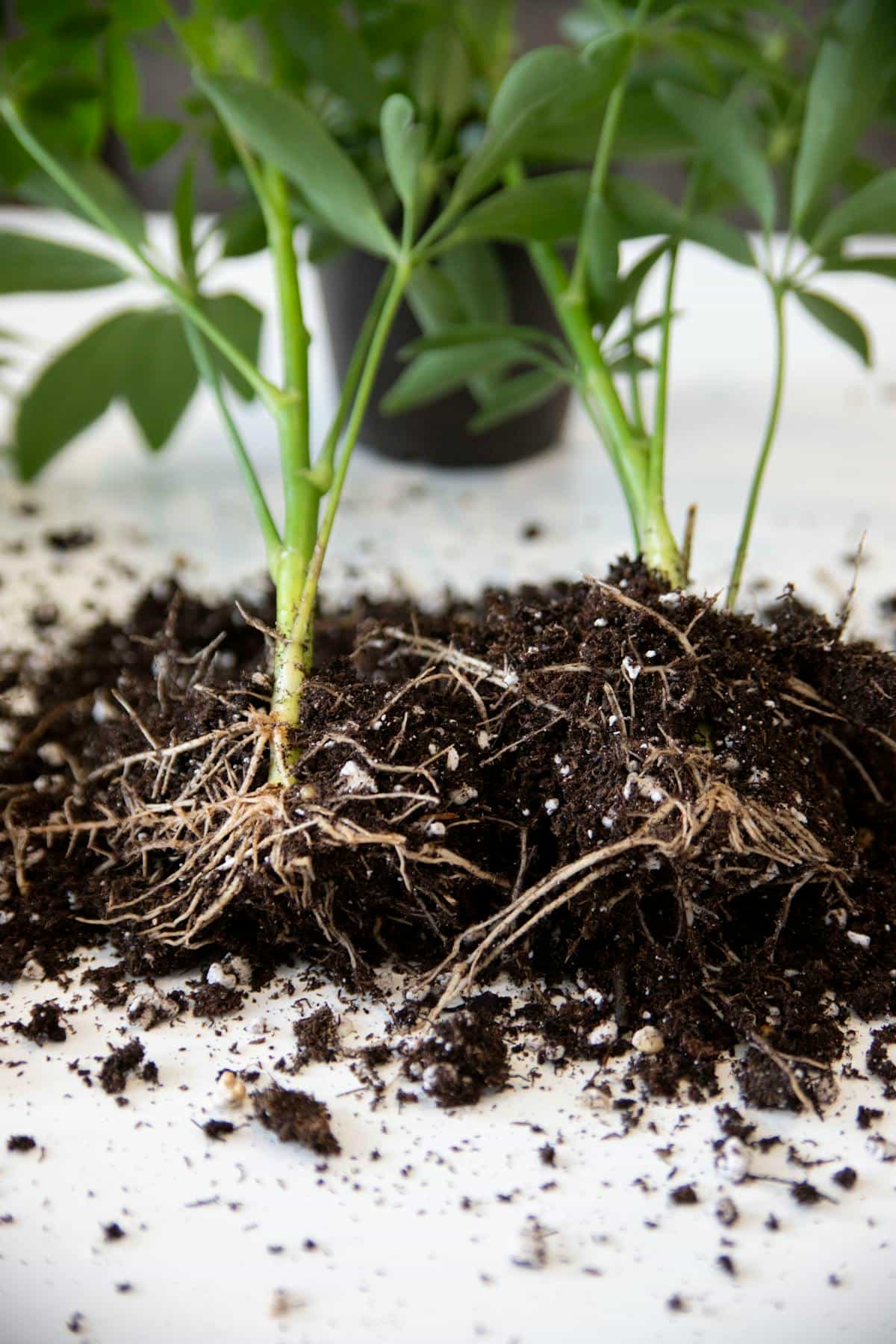
Repotting too early causes shock, but repotting too late stalls growth. Learn to read your Peperomia's hydraulic and structural signals, and the conservative one-inch rule that keeps the root zone oxygenated.
Peperomia Leaves Curling Down: Causes and Fixes
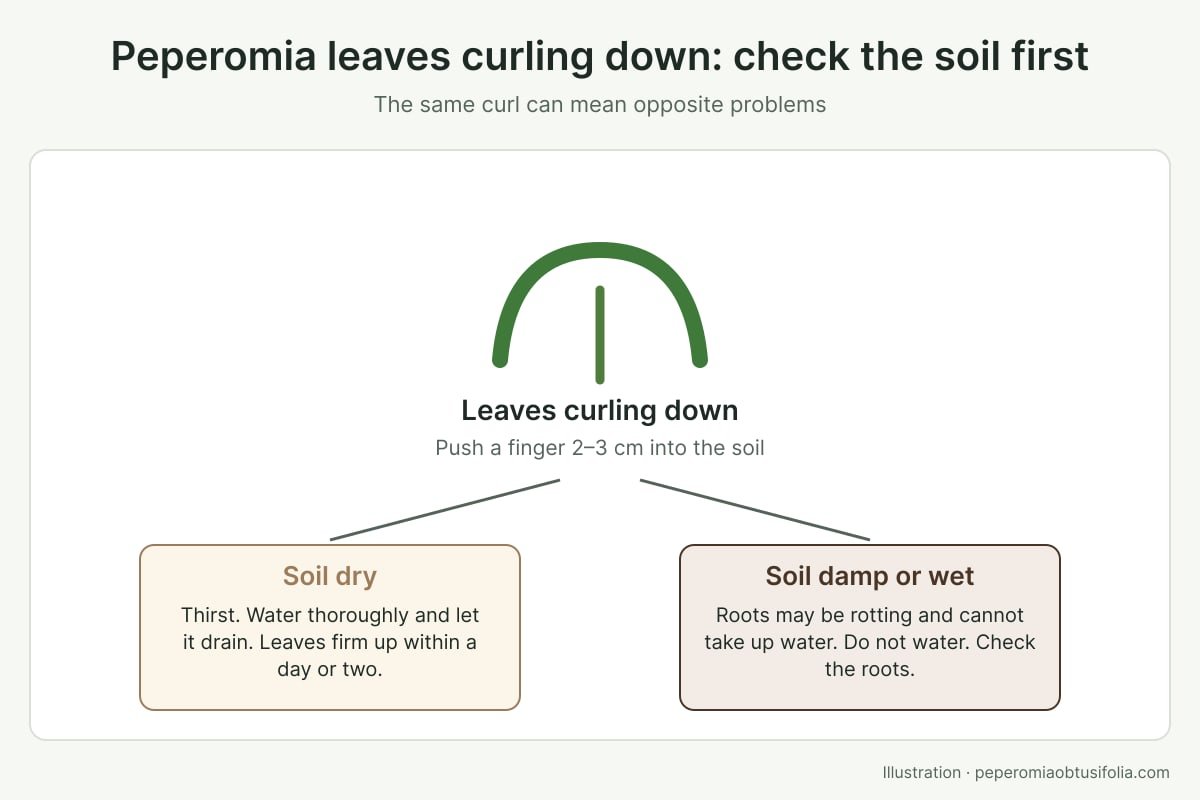
When Peperomia obtusifolia leaves curl downward, the direction is diagnostic. The soft claw signals root failure; the rigid dome signals light deficit; the firm hook signals nutrient toxicity. Adding water to the wrong cause accelerates collapse.
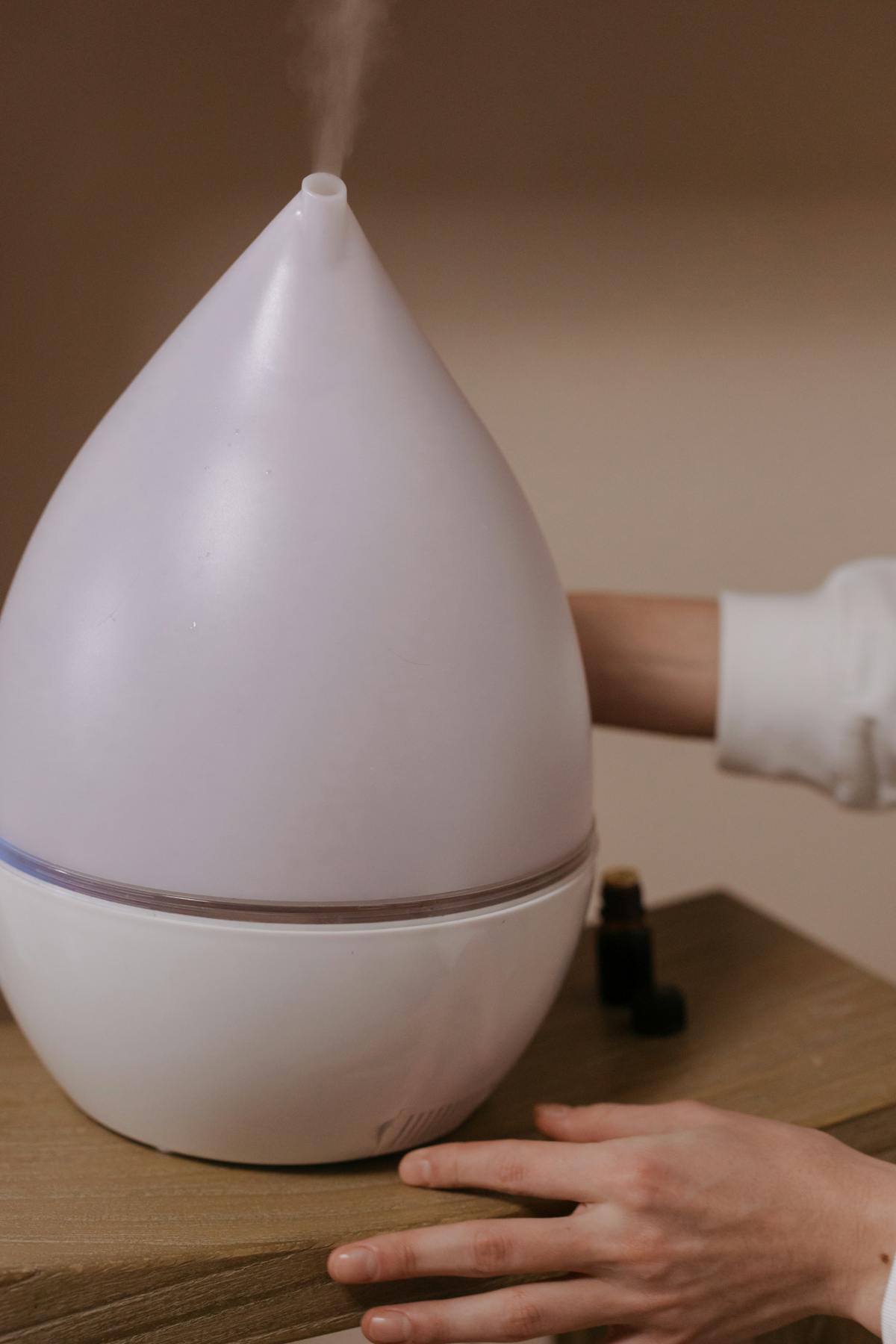
Peperomia Humidifier: Best Cool vs Warm Mist
Choosing a humidifier for Peperomia obtusifolia comes down to water quality and placement, not a single universally superior mist type — each option has a specific failure mode worth knowing before you buy.
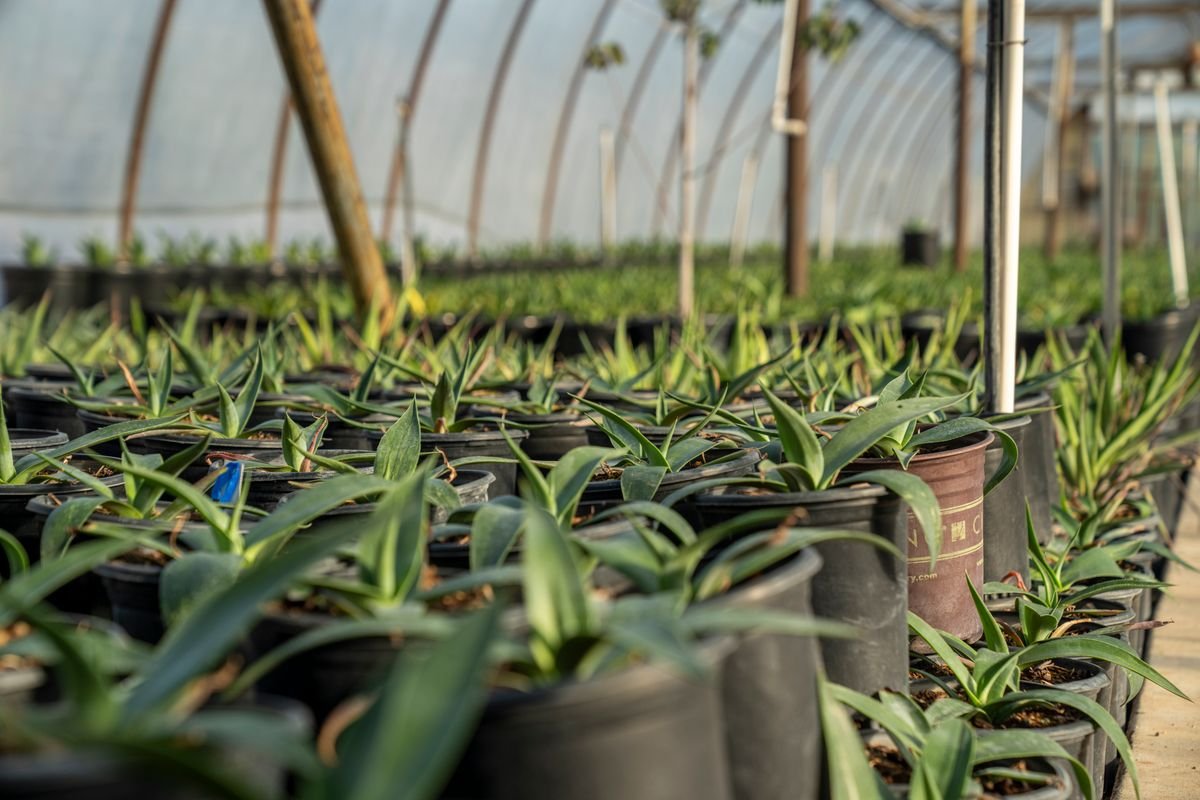
Peperomia Online Nurseries: 7 Reliable Sources for 2026
How to evaluate peperomia online nurseries in 2026: guarantee length, cultivar labelling accuracy, shipping practice, and which seller type fits starter plugs, specimen plants, or rare variegates.
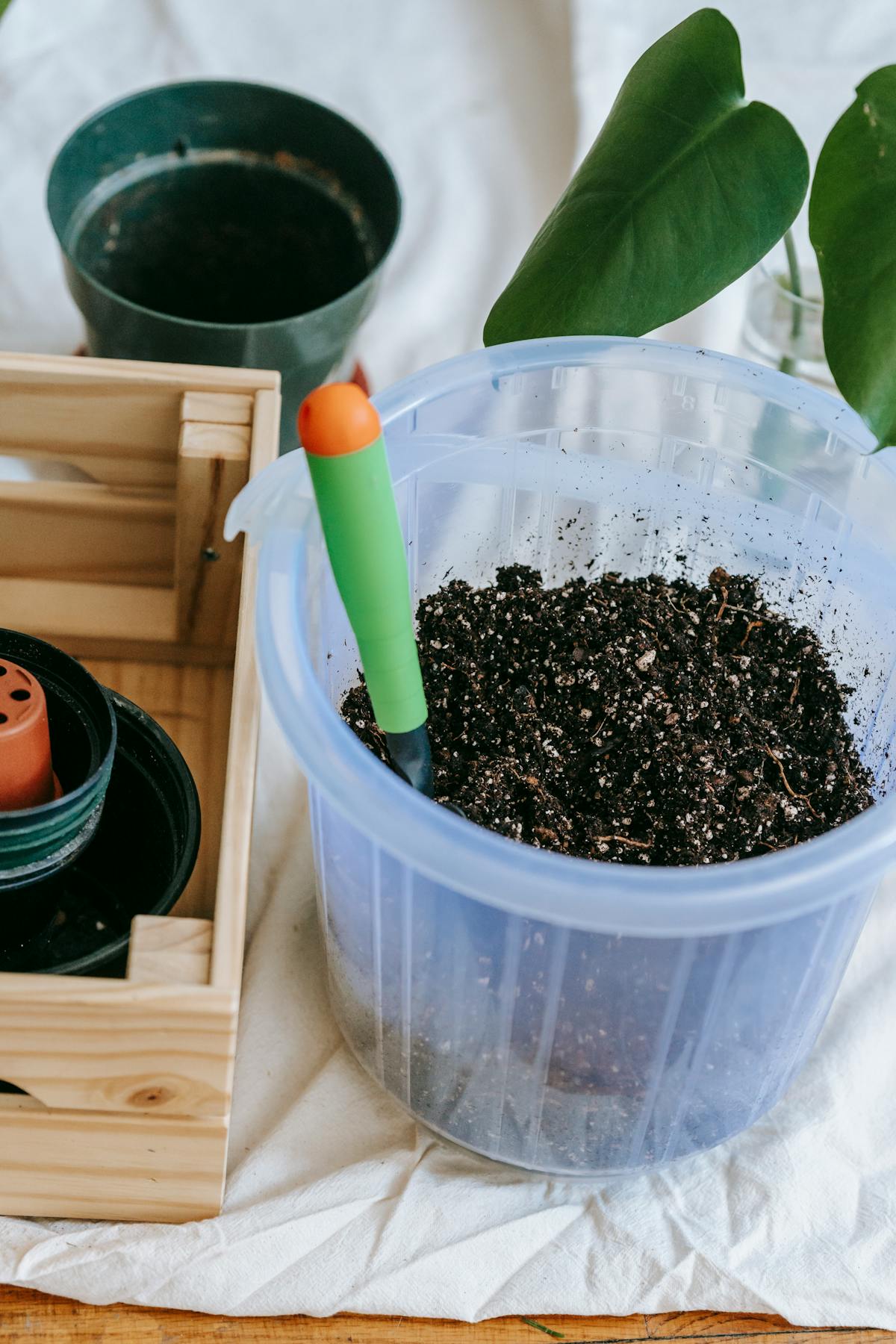
Best Soil for Peperomia: A Simple Draining Mix
The substrate is the primary driver of root rot in container-grown Peperomia obtusifolia. Learn the exact 50/30/20 recipe, the Squeeze Test for quality control, and why the drainage rock layer makes drainage worse — not better.
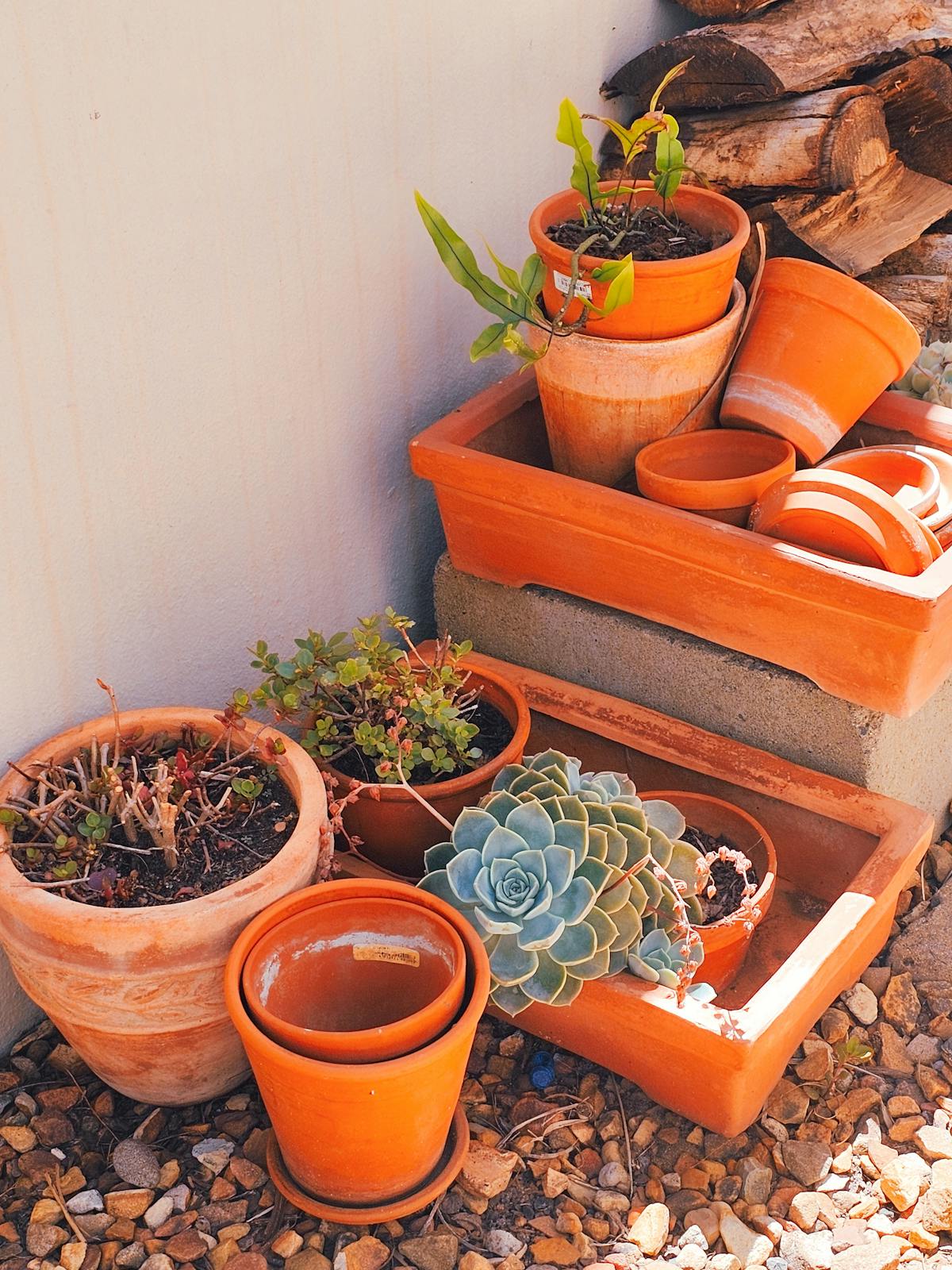
Best Pots for Peperomia: Size, Material and Drainage
The pot is not a passive container — its size, material, and drainage directly govern how long the substrate stays wet after watering, which is the single biggest lever on root rot risk for this species. This guide compares terracotta, plastic, glazed ceramic, and LECA, the correct sizing rule, and why a gravel drainage layer makes things worse rather than better.
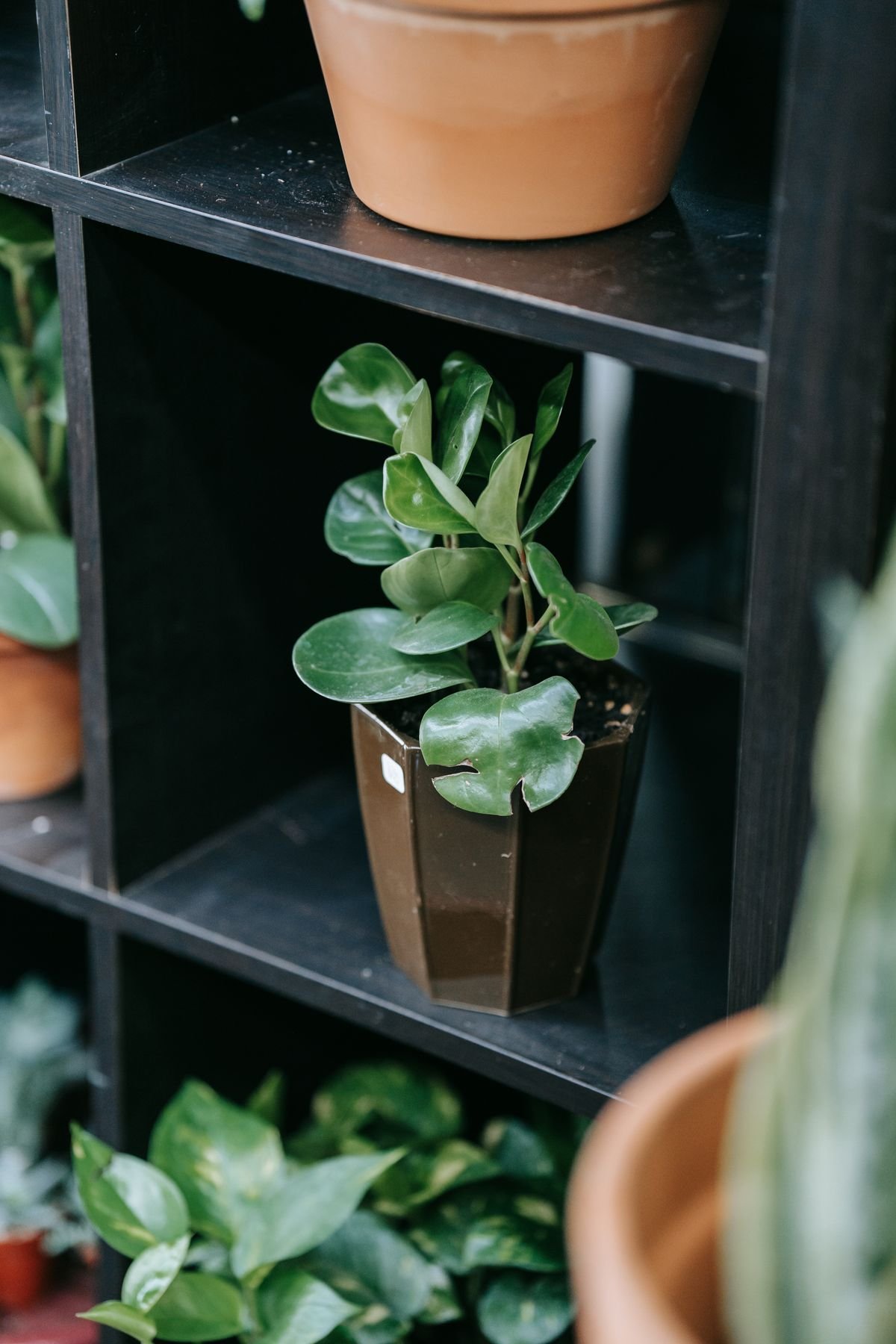
Best Time to Propagate Peperomia: Seasonal Windows Explained
When to take Peperomia obtusifolia cuttings: mid-spring to early summer as the default window, how autumn and winter change rooting lag, and which light and temperature thresholds actually drive success.
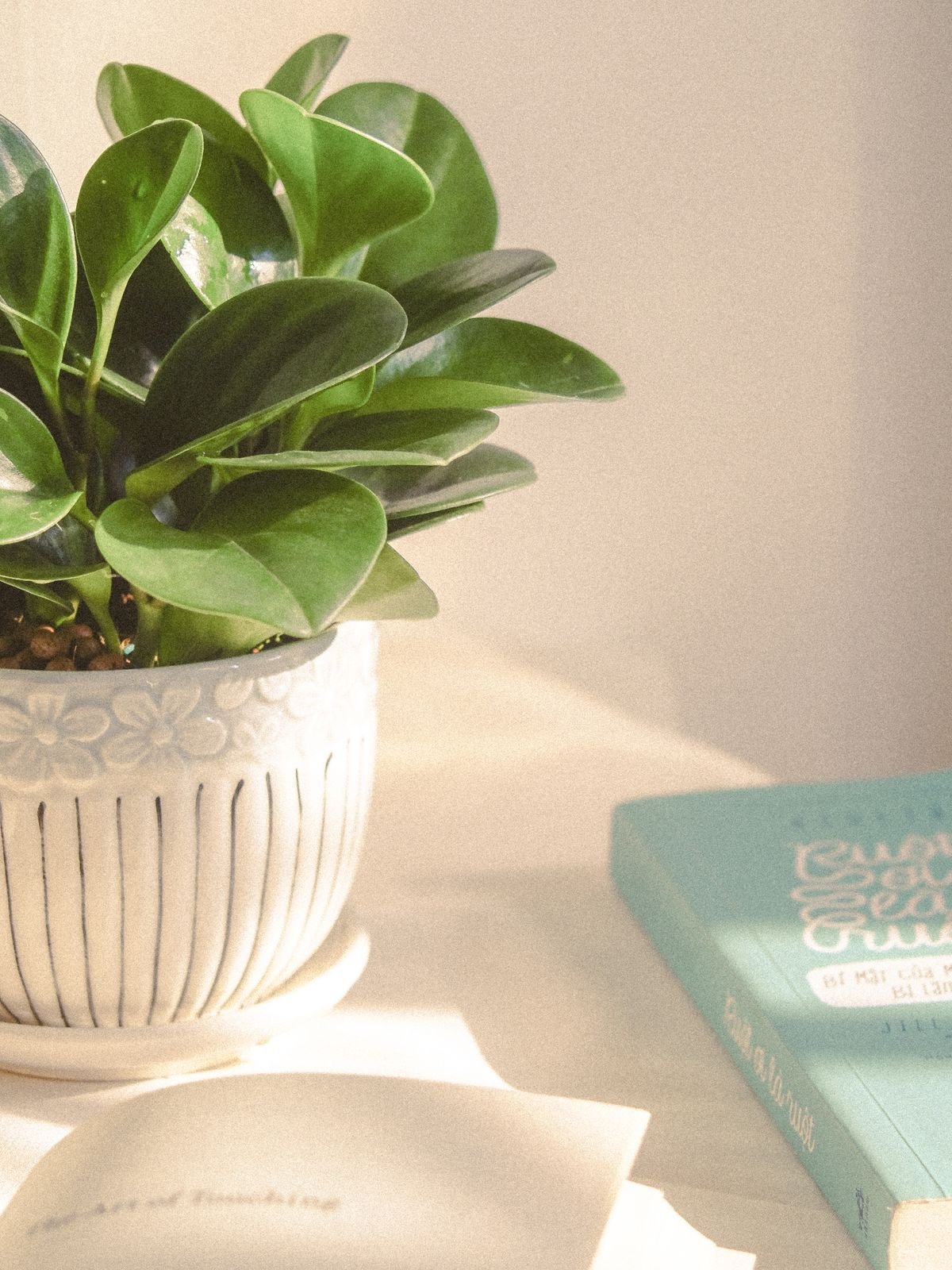
Best Window for Peperomia: Direction and Distance
Which window direction suits Peperomia obtusifolia: east as the default, how far to set back from south and west glass, north-window limits, and why hemisphere flips the high-sun wall.
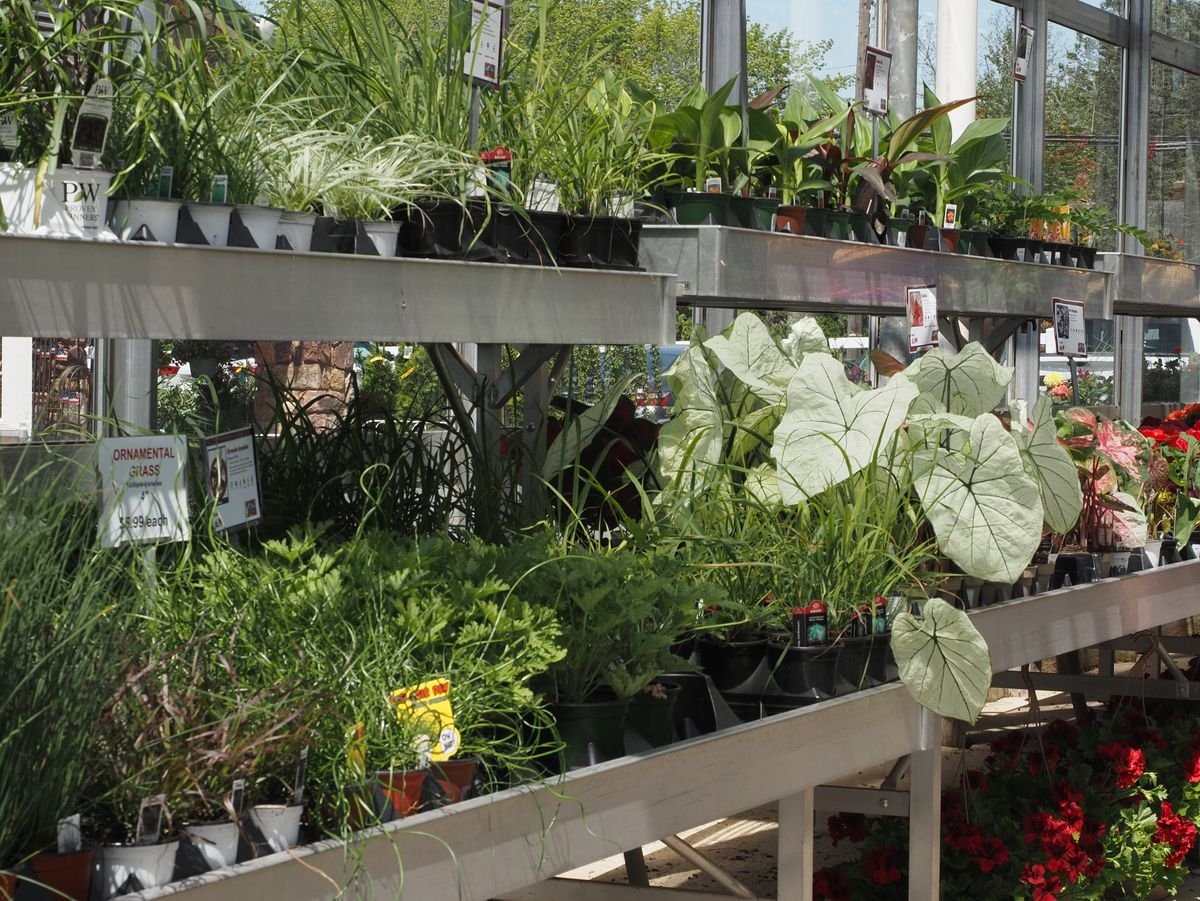
Buying Peperomia Big Box: Home Depot, Lowe’s, IKEA Checklist
How to buy Peperomia obtusifolia at Home Depot, Lowe’s, or IKEA: in-store vigor audit, pest checks, 14-day quarantine, death-plug inspection, and when to swap nursery peat.