
Is Well Water Safe for Peperomia? Dangers & Solutions Guide
Is well water safe for Peperomia? Not automatically — untreated well water commonly runs harder and more alkaline than municipal tap water, which drives the same mineral-lockout mechanism covered in the tap water guide, and some individual wells carry enough dissolved iron or manganese to cause additional problems. The lack of municipal chlorine does not make well water inherently better for this species; testing the specific water matters more than assuming either way.
Quick Decision Checklist
| Situation | Verdict |
|---|---|
| Well water tested, confirmed low hardness and neutral-to-slightly-acidic pH | Fine to use directly |
| Well water untested, plant showing white crust or pale interveinal yellowing | Test the water before assuming another cause |
| Well water known to be hard or high in dissolved iron | Filter or treat before use — see the setup below |
| Considering a household water softener as the fix | Do not — softened water introduces its own, separate problem |
What to Inspect or Prepare First
Before changing anything, get the water itself tested rather than guessing from plant symptoms — a certified water-testing service or a home hardness/pH test kit gives a concrete pH, hardness, and mineral-content reading that symptom-watching alone cannot. Check the plant for a white or chalky crust on the substrate surface or pot rim, which points toward hardness and mineral accumulation, and check new growth for pale, interveinal yellowing, which points toward pH-driven nutrient lockout rather than a simple mineral crust. Confirm whether a household water softener is in the supply line before the tap you use for watering, since that changes the diagnosis and the fix substantially.
Step-by-Step Method
- Test the water for pH and hardness before making any changes — this determines whether treatment is actually needed and which kind.
- If hardness or alkalinity is confirmed high, switch to filtered, distilled, or collected rainwater for routine watering, or install a reverse-osmosis filter if the well water is used across the whole collection.
- Never use water drawn from after a household water softener — bypass it entirely, using an outdoor or pre-softener tap for plant watering instead.
- Flush the substrate periodically with low-mineral water even after switching sources, since minerals already accumulated in the substrate from past watering don't disappear on their own — see the watering guide for the standard watering rhythm this flush sits alongside.
- Re-test periodically if well conditions are known to fluctuate seasonally — some wells vary in mineral content between wet and dry seasons.
Adjustments for Specific Situations
If iron or manganese content is confirmed elevated by testing, filtration is the more reliable fix than trying to manage around it, since these minerals accumulate in the substrate over time in the same way calcium does. If the well water is only mildly hard, a periodic substrate flush may be sufficient without full filtration — reserve reverse osmosis for cases testing confirms as genuinely high. If the household already runs water through a softener for domestic use, the practical fix is a dedicated unsoftened tap or hose bib for plant watering rather than trying to treat softened water further, since the sodium substitution is the harder problem to reverse.
Warning Signs the Setup Is Failing
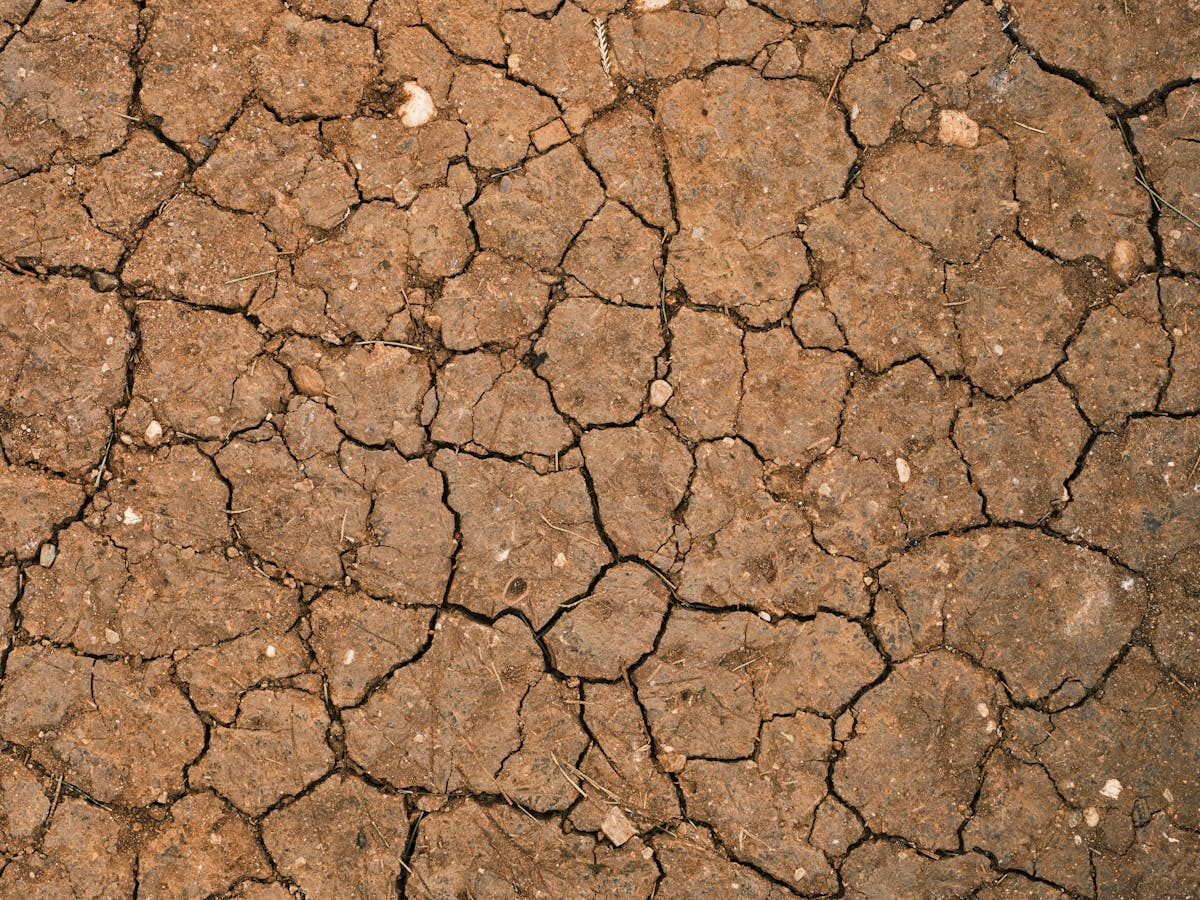
- White or chalky crust on the substrate surface or pot rim — mineral accumulation from hard water, addressed with a substrate flush and a lower-mineral water source going forward.
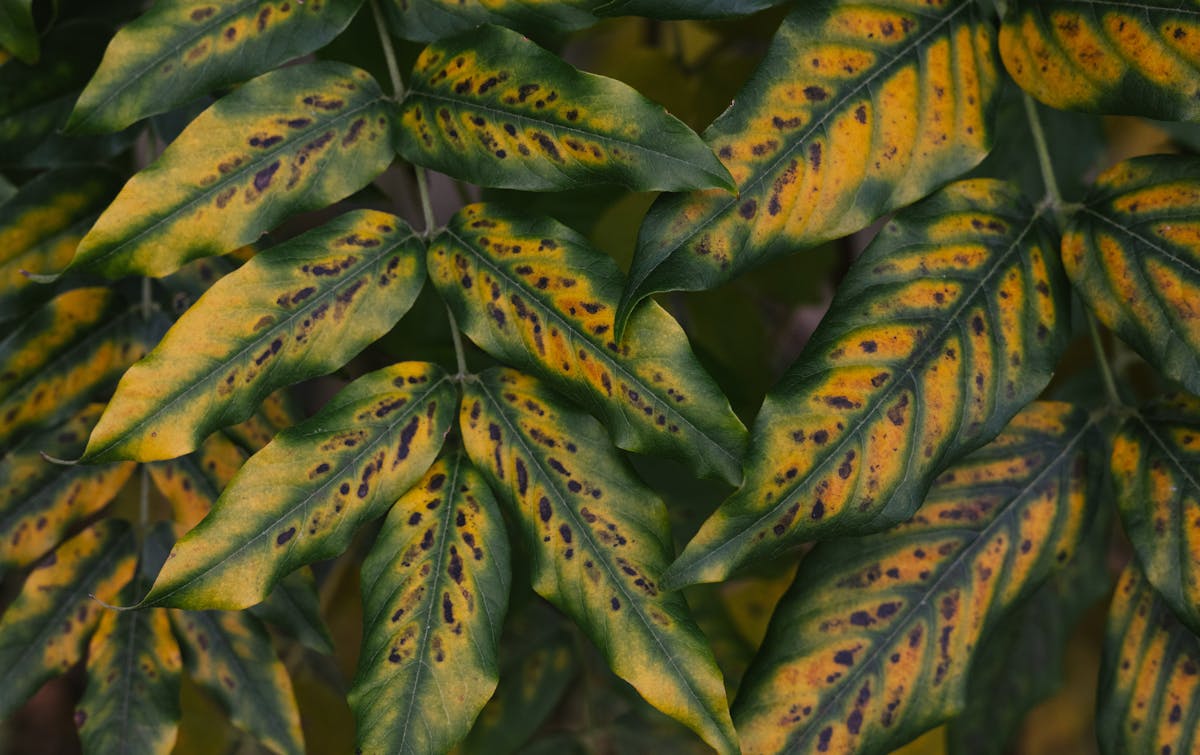
- Pale, blotchy, interveinal yellowing on new growth — consistent with alkaline pH locking out iron and other micronutrients even when the substrate contains adequate amounts.
- Leaves wilting or dehydrating despite consistently wet substrate — consistent with elevated substrate salinity pulling water out of the roots rather than allowing normal uptake, especially if a water softener is in use.
- Sudden, sharply defined dark spotting appearing shortly after a watering event — worth investigating as a possible mineral-related cause, though this pattern also overlaps with several unrelated causes, so confirm with water testing rather than assuming.
Aftercare and Monitoring
Once a filtration or water-source change is in place, monitor new growth over the following weeks rather than expecting existing damage to reverse — mineral-lockout symptoms resolve going forward, not retroactively. Keep flushing the substrate periodically even after switching water sources, since previously accumulated minerals remain in the pot until washed out. If root damage has already occurred from prolonged salt stress, the overwatering rescue guide covers the root-inspection and repotting sequence, since salt-damaged roots and waterlogged roots are treated with a similar unpot-and-assess approach.
Common Mistakes
- Assuming well water is automatically better than tap water because it lacks municipal chlorine — hardness and alkalinity are frequently a bigger issue than chlorine ever was.
- Using a household water softener as the fix for hard well water — this substitutes a sodium problem for a calcium problem rather than solving anything.
- Skipping testing and guessing from symptoms alone — several distinct causes produce similar-looking yellowing or crusting, and testing the water directly is the only way to confirm which one applies.
- Treating a one-time test as permanent — well water chemistry can shift seasonally, so periodic re-testing is worth doing if problems recur after an initial fix.
For the general watering rhythm this all sits on top of, see the watering guide and the bottom-watering guide if that's the routine in use; and if well-water quality is enough of a persistent concern that avoiding substrate entirely appeals, growing the specimen in water with a controlled nutrient solution sidesteps the substrate-mineral-accumulation question altogether, provided the water used there is filtered to the same standard.
Care FAQ
Is well water safe for Peperomia obtusifolia?
It depends on the specific well, which is why testing matters more than assuming either way. Untreated well water commonly runs harder and more alkaline than municipal tap water, and some wells carry enough dissolved iron or manganese to cause problems — but well water without municipal chlorine is not automatically safer, and it is not automatically riskier either.
Does a water softener make well water safe for Peperomia?
No — it typically makes it worse. Ion-exchange softeners replace calcium and magnesium with sodium, and elevated sodium in the root zone causes osmotic stress that pulls water out of roots rather than allowing normal uptake. Use unsoftened water, filtered water, or rainwater instead of water that has gone through a household softener.
How do I know if my well water is causing problems for my Peperomia?
A white or chalky crust on the substrate surface or pot rim points to hardness and mineral accumulation. Pale, blotchy yellowing between leaf veins points to pH-driven nutrient lockout. Testing the water directly is more reliable than guessing from symptoms alone, since several causes can look similar.
What is the most reliable way to treat problem well water for houseplants?
Reverse osmosis filtration removes the broadest range of dissolved minerals and is the most reliable single fix if testing confirms a genuine hardness or contamination issue. For a less severe case, a periodic substrate flush with plain, unsoftened water addresses mineral buildup without needing a full filtration system.