
Peperomia Water to Soil Transition: Avoid Root Shock
Move a water-rooted Peperomia obtusifolia cutting to soil once its roots reach roughly 2-3 cm with visible fine secondary branching — the biggest risk at this stage is potting up either too early, before there's enough root surface to support the plant, or abruptly into a soil that's too dry, since water-formed roots need a short adjustment period rather than an instant switch in growing medium.
Quick Decision Checklist
- Needed now: roots are 2-3 cm long with visible fine lateral branching, and the cutting has been in water for at least a couple of weeks.
- Not yet: roots are shorter than about 1 cm — wait, since there isn't enough root surface yet to reliably support the plant through the transition.
- Overdue: roots have grown into a dense, tangled mass in the container — the transition becomes harder the longer it's delayed, since more established water-adapted roots take longer to reorient once potted.
- Harmful: potting directly into bone-dry soil, or skipping the elevated-humidity period entirely — both increase the odds of the fragile new roots failing before they establish.
What to Inspect or Prepare First
Check the roots for firm, white-to-pale colouring rather than translucent or slimy tissue, which would indicate rot rather than healthy water roots — see the cuttings rotting guide if that's the case instead. Prepare a lighter transition mix than the plant's eventual growing substrate — roughly 50% standard potting mix and 50% perlite or pumice — rather than the denser long-term soil recipe, since the extra aeration gives the adjusting root system more margin for error. Have a small pot ready, sized only a little larger than the root mass, and a way to raise local humidity — a clear plastic bag or a humidity dome works for the first week or two.
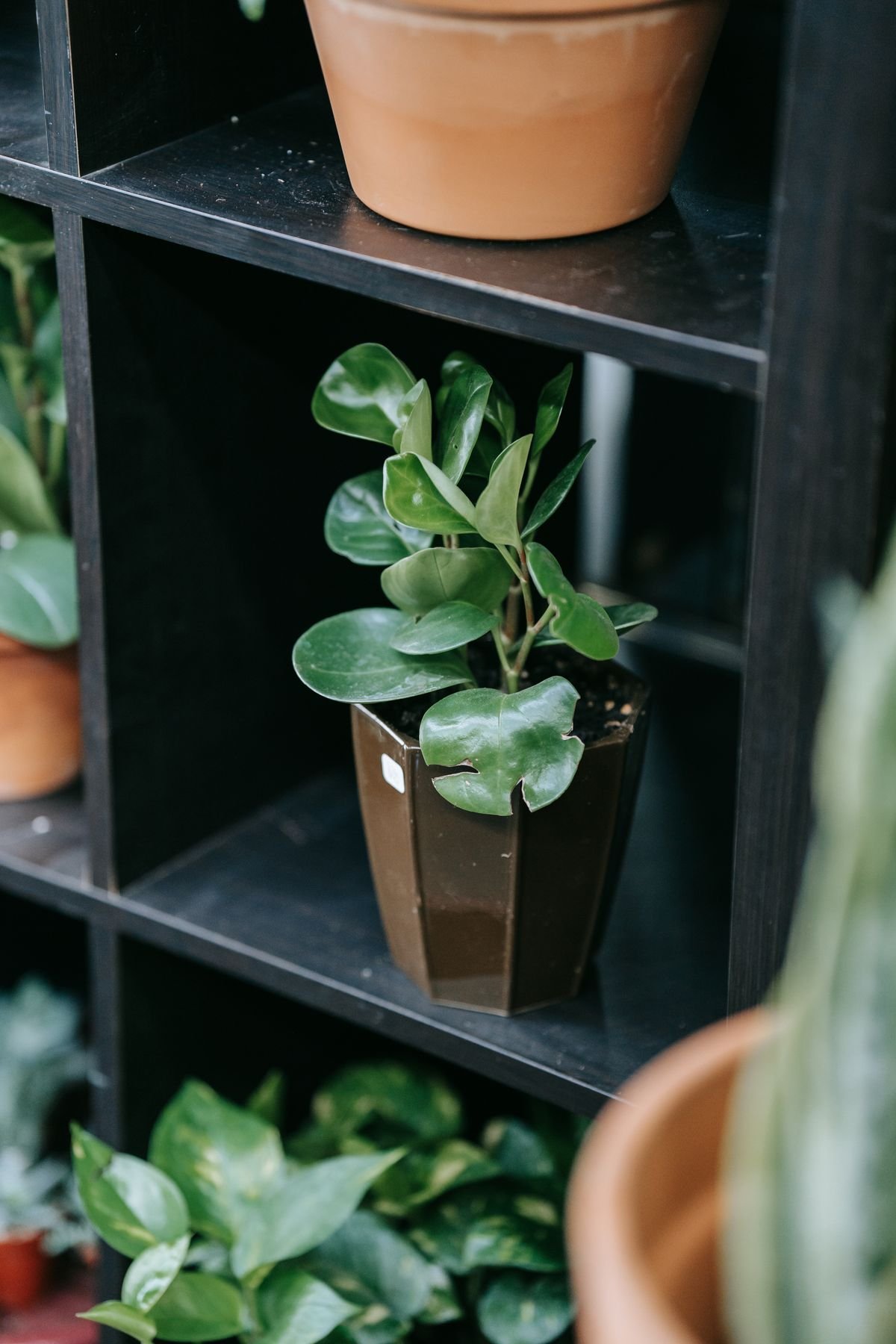
Step-by-Step Method
- Pre-moisten the transition mix until it holds together like a wrung-out sponge before planting — bone-dry soil pulls moisture straight out of fragile water roots on contact.
- Optional gradual thickening for high-value cuttings: over three to four days, stir a few teaspoons of soil into the water jar so the medium thickens gradually, easing the cutting toward solid medium before the full move — worthwhile for a variegated cutting worth extra caution, unnecessary for routine green-form propagation.
- Plant without compacting. Make a hole deep enough for the roots, spread them out rather than bunching them, backfill, and tap the pot gently to settle the mix — pressing down hard collapses the air pockets the transition mix is chosen for in the first place.
- Raise humidity for the first one to two weeks. A loosely draped clear bag or a humidity dome slows water loss through the leaves while the roots adjust to a completely different uptake mechanism than they used in water.
- Keep the soil evenly damp, not wet, during this window — noticeably moister than the plant's normal established routine, but still well short of waterlogged.
- Begin the normal dry-down routine after roots have visibly anchored, letting the top 2-3 cm dry between waterings as the plant would at any other stage, and remove the humidity cover gradually rather than all at once.
Adjustments for Season and Cutting Type
Winter transitions take longer and reward a longer humidity-cover period, since the plant's slower overall metabolism means root adjustment also proceeds more slowly — patience matters more than intervention here. Variegated cuttings benefit from the gradual slurry thickening step above and from being watched a little more closely, since they tend to carry a smaller energy reserve than solid green material. A cutting with an unusually large or heavy leaf relative to its root mass is more prone to wilting during the transition regardless of season, since the leaf's water demand outpaces what the adjusting roots can initially supply — extending the humidity period helps more here than adjusting watering does.
Warning Signs and Troubleshooting
- Wilting despite visibly moist soil: the roots have failed to establish, most likely rot — check root colour and firmness, and see the cuttings rotting guide for the rescue steps.
- Yellowing on lower leaves only: normal nutrient remobilisation as the plant redirects resources to root establishment — only a concern if it spreads to new growth.
- Soft, browning stem at the soil line: a sign of rot from an overly wet mix or an overly compacted planting — the affected cutting may need to be pulled, rinsed, and restarted in water from clean tissue above the damage.
- No new growth after several weeks with a firm, upright stem: check that humidity hasn't been removed too early and that the soil isn't oscillating between soaked and bone-dry — consistency during the adjustment window matters more than any single watering.
Aftercare and Monitoring
Once new growth appears — the clearest sign the root system has successfully adapted — resume the plant's normal watering and light routine and hold off on fertiliser until that new growth is fully expanded, since a still-adjusting root system is more vulnerable to salt stress from feeding too early. After several weeks of visible establishment, the plant can move from the lighter transition mix into the standard long-term soil mix at its next scheduled repot, rather than needing an immediate second transplant. Choosing the right pot at that point matters too — see the best pots guide for material and sizing — and the general signs it's time to repot apply from here on as the plant matures.
Common Mistakes
- Moving the cutting straight from water into the plant's normal long-term soil mix, which is denser and less forgiving than a lighter transition blend during the vulnerable adjustment period.
- Skipping the humidity period entirely, assuming a cutting that survived in water needs no further help — the uptake mechanism genuinely changes at this stage, not just the container.
- Packing the soil down firmly around the roots, which feels secure but removes the aeration the transition depends on.
- Watching for black spots or other leaf damage during this period and assuming it's transition-related — spotting unrelated to the transition itself is covered in the black spots guide, since not every symptom appearing during this window is caused by the move.
Care FAQ
When should I move a water-rooted Peperomia cutting to soil?
Once roots reach roughly 2-3 cm and show the beginnings of finer secondary branching, not before. Moving too early leaves too little root surface to support the plant in a new medium; waiting until roots form a dense, tangled mass makes the transition harder without adding any benefit.
Why do water-rooted Peperomia cuttings sometimes die after being potted in soil?
Roots formed in water are structurally adapted to a low-oxygen, fully liquid environment — thinner, with fewer root hairs than soil-adapted roots. Potted abruptly into soil, they can struggle to take up water efficiently during the adjustment period, and a soil kept too wet or too dry during that window compounds the stress.
Do I need a special soil mix for the transition, or can I use the normal potting mix straight away?
A lighter, higher-perlite mix than the plant's long-term growing substrate eases the transition, since it stays more evenly moist without waterlogging while the root system adjusts. After several weeks of establishment, the plant can move to the standard growing mix.
How long does transplant shock last after moving from water to soil?
Typically one to two weeks of reduced vigour — some yellowing on lower leaves or a brief pause in visible growth is normal during this window. Growth resuming and new leaves emerging normally afterward confirms the root system has adjusted.