
Essential Oils and Peperomia: Is Your Diffuser Harming Your Plant?
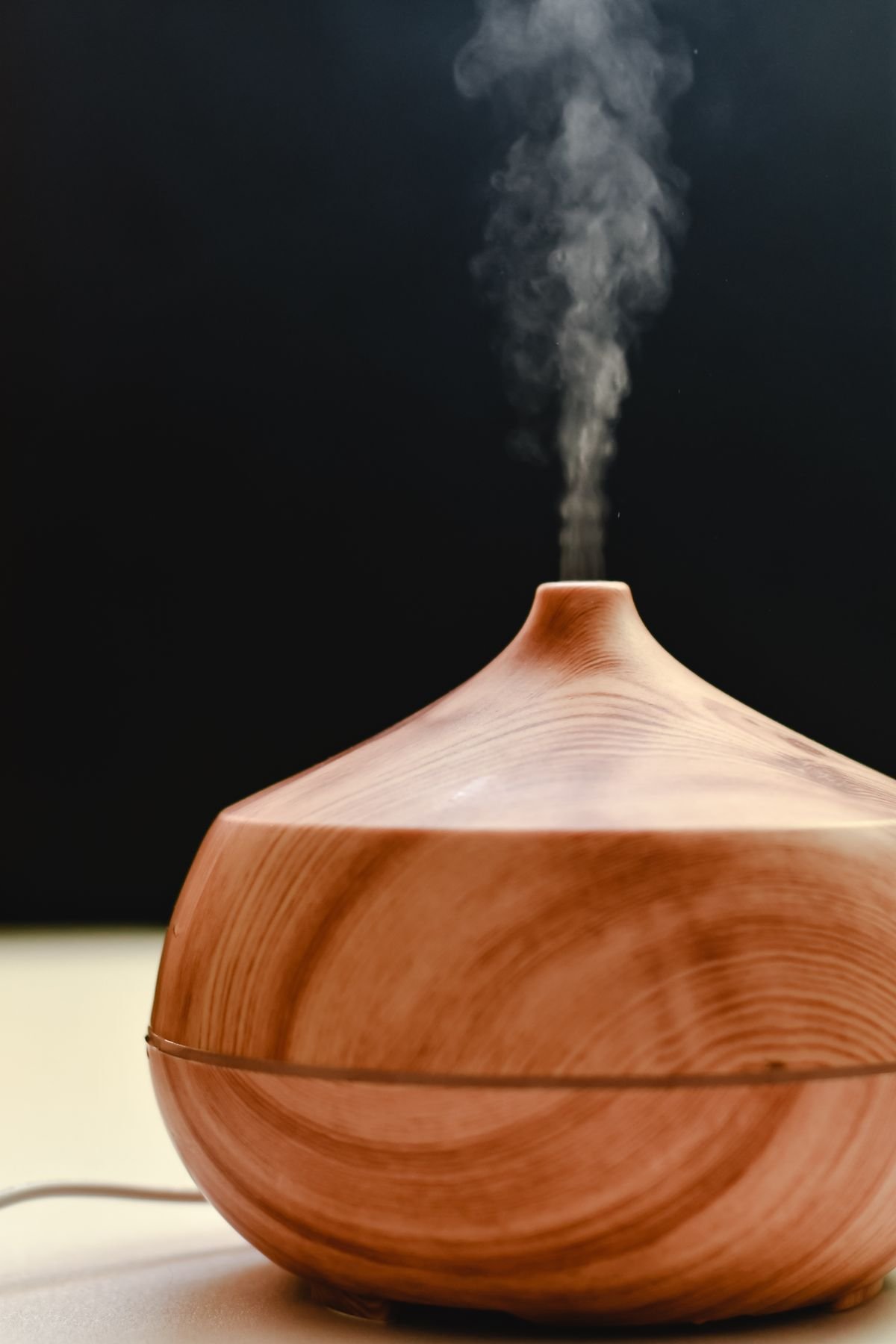
Essential oils are safe for Peperomia obtusifolia provided the diffuser is kept roughly 1-2 metres (3-6 feet) from the foliage and sessions are limited to 60 minutes or less. Concentrated airborne oils are volatile organic compounds (VOCs) that can disrupt the plant's cuticular wax and interfere with stomatal regulation. To avoid phytotoxicity, never allow a diffuser to mist directly onto the foliage, as the oil particulates can dissolve the plant's protective hydrophobic barrier.
In the modern "Home Spa" environment, we often view aromatherapy as a passive benefit. However, for a plant like the Peperomia obtusifolia, which relies on its thick, waxy leaves to survive, airborne oils are a form of chemical interaction. While your Peperomia won't "sneeze," its cellular architecture is highly sensitive to the monoterpenes and phenols found in many popular oils.
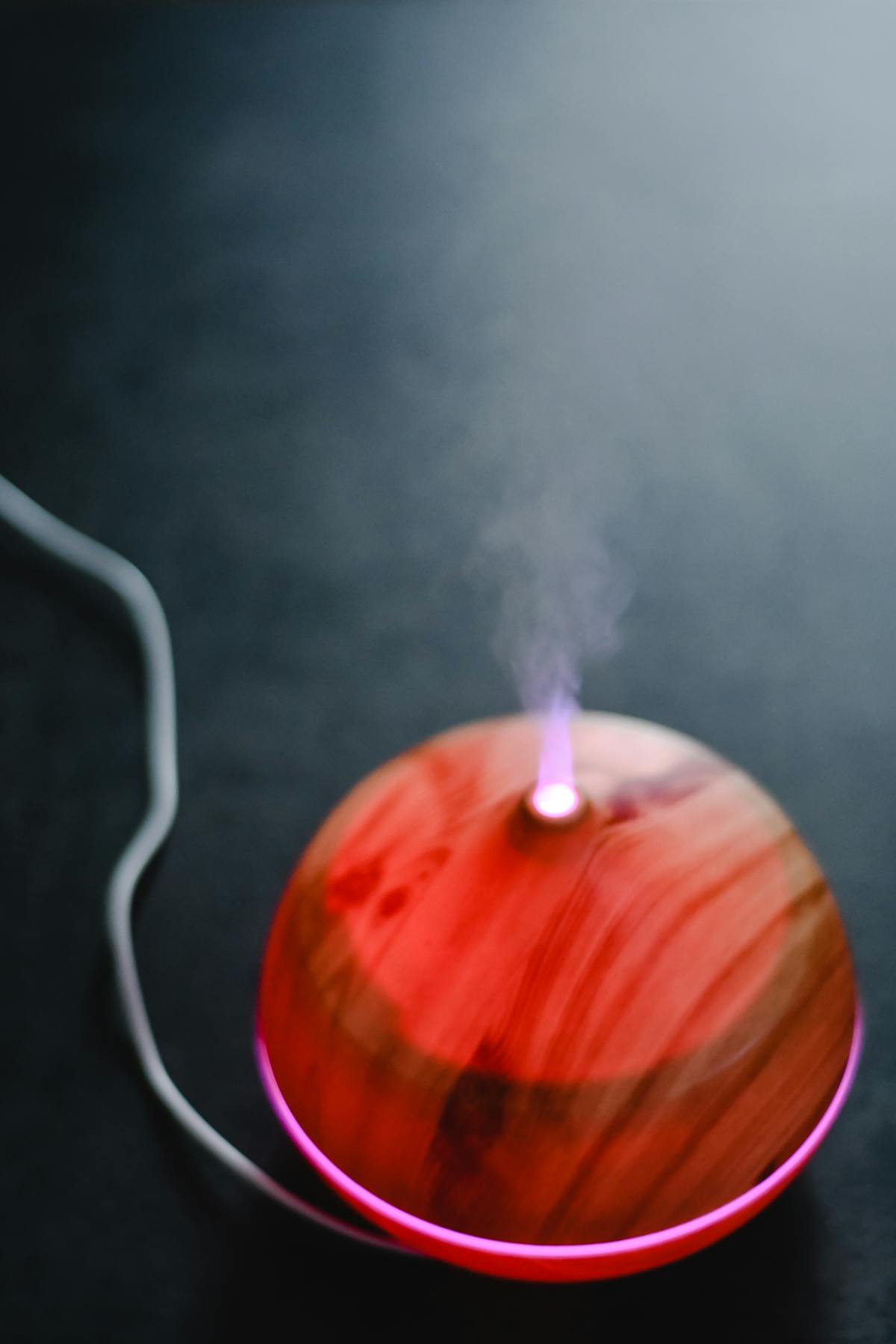
1. Are Essential Oils Safe for Peperomia: The Mechanism
The glossy sheen on a healthy Peperomia is not just for aesthetics—it is a layer of Epicuticular Wax. This wax acts as the plant's armour, preventing excessive water loss and protecting against pathogens.
- The Oil Interaction: Many essential oils (especially Peppermint and Eucalyptus) are "lipophilic," meaning they are attracted to fats and waxes.
- The Damage: When concentrated oil particulates from a diffuser settle on a leaf, they can begin to "dissolve" or reorganise this wax into platelet-like structures.
- The Result: Once the wax is compromised, the plant loses its hydrophobic protection. This leads to increased transpiration (dehydration) and leaves the plant vulnerable to secondary fungal infections. If you see unexplained brown patches, check your diffuser's proximity.
2. Are Essential Oils Safe for Peperomia Stomata? The Monoterpene Evidence
Plants breathe through stomata—microscopic valves on the underside of their leaves, regulated by a pair of guard cells that open and close in response to internal turgor pressure. A systematic review of essential-oil phytotoxicity identifies oxygenated monoterpenes and sesquiterpenes — including pinene, 1,8-cineole, and carvacrol, all common in citrus, eucalyptus, and pine oils — as the principal compounds responsible for phytotoxic effects, acting through oxidative stress on cell membranes rather than a specific "essential oil allergy."
This is allelopathy: a chemical strategy many plants evolved to suppress competing vegetation growing nearby, by releasing compounds into the soil or air that damage a rival plant's cell membranes and growth tissue. Essential oils are, in effect, allelopathic compounds concentrated by distillation — the eucalyptus or pine oil in a diffuser was never "toxic" in the sense of poisoning if touched or ingested in small amounts; it is a plant-vs-plant chemical weapon that happens to also damage the cuticle and stomata of an unrelated houseplant sitting in its path. That distinction matters for how you respond to exposure: allelopathic damage is a mechanical and oxidative injury to leaf tissue, not a systemic poisoning, so the correct response is limiting airborne contact (the distance and duration protocol below), not treating it as an ingestion emergency.
- The Science: Oxidative stress from these compounds disrupts guard cell membrane integrity, interfering with the turgor-pressure changes that let stomata close normally.
- The Action: A guard cell that cannot regulate its turgor pressure cannot reliably close its stomatal pore. This leaves the plant losing water through open stomata regardless of ambient VPD, and in cases of heavy oil-film deposition, the pore can be physically occluded by residue, blocking gas exchange entirely.
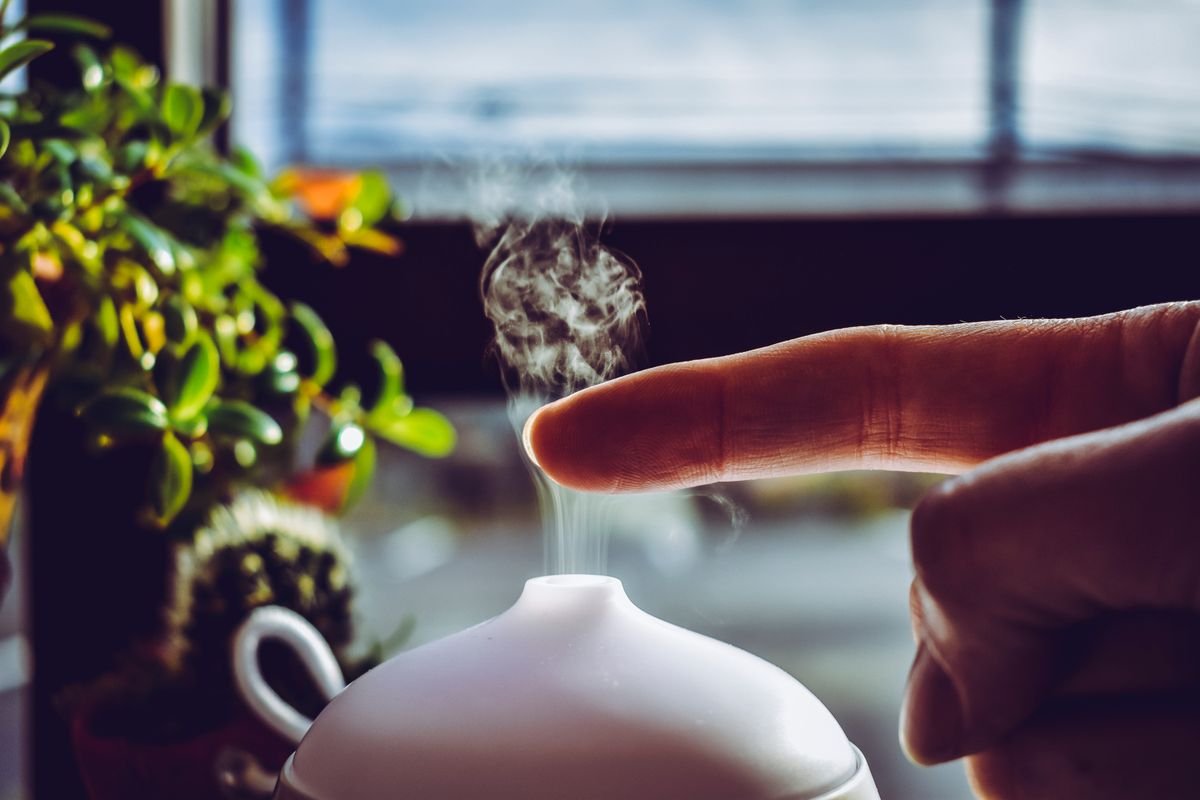
3. The "Golden Rule" of Diffusion: Proximity and Dilution
You don't have to choose between your lavender oil and your Peperomia. You just need to respect the Dilution Principle.
| Variable | Safe Protocol | Why It Matters |
|---|---|---|
| Distance | 1-2 metres (3-6 feet) | Allows particulates to disperse and dilute in the air volume. |
| Duration | 20–60 Minutes | Prevents cumulative oil buildup on the leaf surface. |
| Ventilation | Open Airflow / Fan | Moves VOCs past the plant rather than allowing them to settle. |
| Placement | Never Below a Canopy | Mist should never "bathe" the leaves in oil-water emulsions. |
4. Identifying Oil Stress in Peperomia
Because Peperomia is a hardy species, it may take weeks for oil-related stress to manifest. Watch for these signals:
- Dulled Foliage: If the normally glossy leaves become "matte" or dusty-looking, the cuticular wax may be thinning.
- Leaf Curling: A response to the rapid water loss caused by open stomata.
- Leaf Drop: The plant’s ultimate "Eject" button when it detects toxic chemical levels in its tissues.
If you suspect oil damage, wipe the leaves gently with a damp microfiber cloth to remove residues and move the plant to a different room.
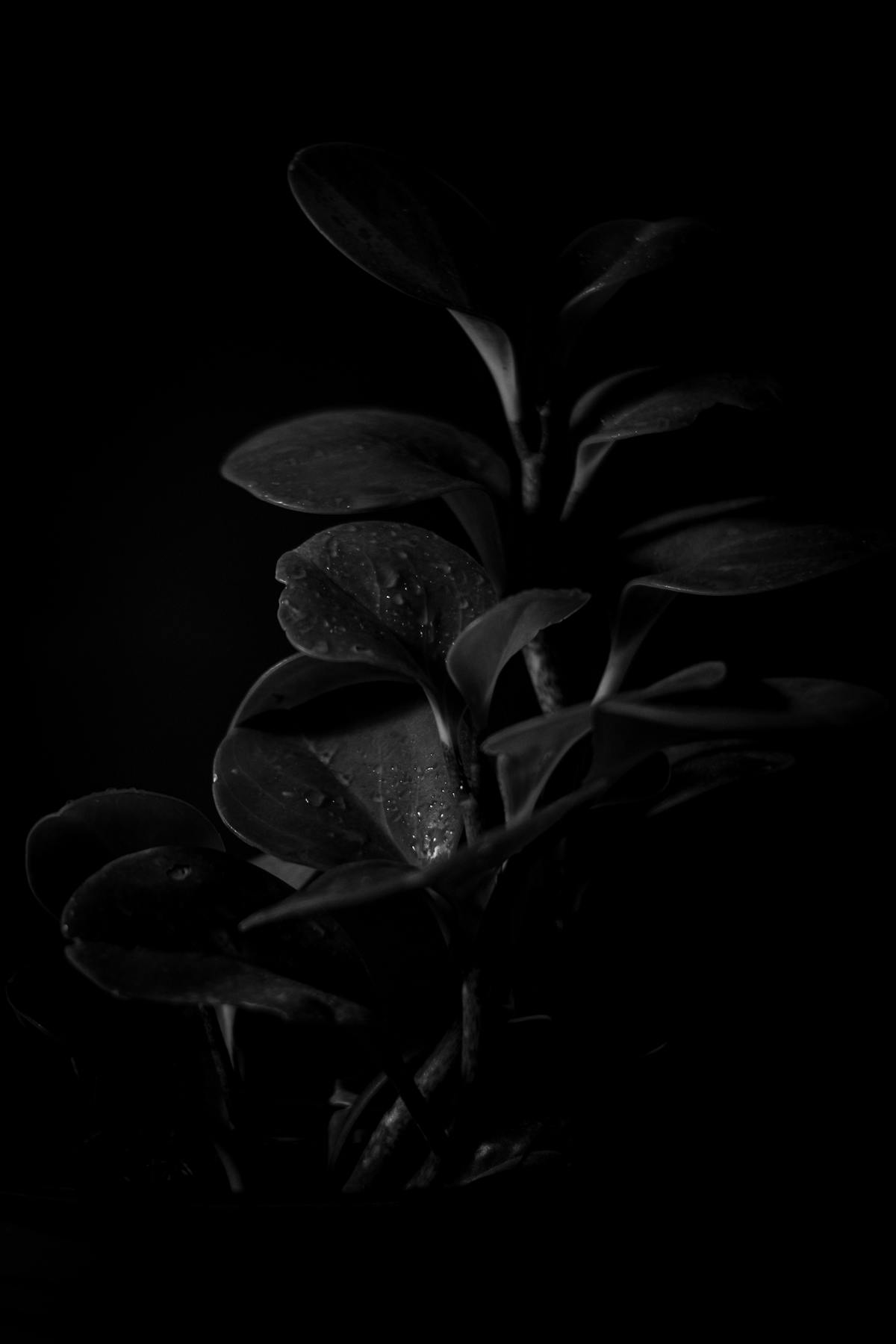
5. The Diffuser as a Humidifier?
Many indoor gardeners use ultrasonic diffusers solely for humidity control.
- The Pro: Ultrasonic diffusers create a fine cool mist that raises ambient RH, which Peperomias respond well to.
- The Con: If you add oil to that mist, you are effectively turning a humidifier into a chemical applicator.
- The Recommendation: If you want to boost humidity, use a dedicated humidifier or run your diffuser with plain distilled water only.
6. Authoritative Safety Check
While essential oils are a concern for foliage, they are not usually toxic to the plant’s core biological life (unless dumped into the soil). As confirmed by the ASPCA, Peperomia obtusifolia is non-toxic to pets, making it a safer "spa companion" than many other tropicals, but only if its own foliar architecture is respected.
7. Reed Diffusers and Candles: A Lower-Particulate Alternative
Not every scent-delivery method carries the same phytotoxic risk. The mechanism of leaf damage described above depends on oil particulates settling directly on foliage — a risk specific to ultrasonic diffusion, which aerosolises the oil into a fine mist that travels and lands on nearby surfaces.
- Reed Diffusers: Release oil through slow capillary wicking rather than aerosolisation. No airborne particulate reaches the leaf surface, so the cuticular-disruption mechanism does not apply. Distance still matters for direct oil spills or splashes during refilling.
- Candles: Combustion breaks down most terpene compounds before they reach the air as smoke rather than intact oil particulates. The residual soot and heat carry their own separate risks in a badly ventilated room but are not a cuticular-disruption pathway.
For growers who want a diffused scent in the same room as a Peperomia without managing the distance rule, a reed diffuser is the lower-maintenance choice.
Conclusion
Essential oils are safe around Peperomia obtusifolia as an ambient scent, but never as a substance that touches the leaf: the cuticle absorbs the monoterpenes on contact, and the stomata bear the consequences. By keeping roughly a metre (3 feet) of separation and understanding the mechanism of cuticular disruption, you can run a diffuser in the same room without compromising the plant's waxy defences. Treat the diffuser like any other environmental variable — manage the distance, limit the session length, and check the foliage periodically for the dulling that signals the wax layer is under load. For general leaf-health monitoring, the brown leaves guide and the humidity guide cover the other common causes of dulling or spotting worth ruling out first.
Care FAQ
Is it safe to use an essential oil diffuser near my Peperomia?
Generally, yes, provided the diffuser is kept at least 3–6 feet away. Concentrated oils are Volatile Organic Compounds (VOCs) that can cause metabolic stress or leaf damage if they settle directly on the foliage.
Which essential oils are toxic to Peperomia obtusifolia?
While Peperomia is not "allergic" to specific scents, oils high in monoterpenes (like Eucalyptus, Citrus, Cinnamon, and Peppermint) are potent allelopathic agents that can disrupt the plant's waxy protection and cause stomatal dysfunction.
Can essential oils cause brown spots on Peperomia leaves?
Yes. This is called "Phytotoxicity." When oil particulates settle on the leaf, they can dissolve the cuticular wax (the plant's skin), leading to stippling, yellowing, or necrotic brown spots.
How can I safely diffuse oils with plants in the room?
Ensure high air circulation, limit sessions to 20–60 minutes, and never place the diffuser directly underneath a plant's canopy. Maintain a minimum of 3 feet of separation to allow for particulate dilution.