Is Peperomia Obtusifolia Edible? 3 Critical Facts
Is peperomia obtusifolia edible? No. Peperomia obtusifolia (baby rubber plant / pepper face) is an ornamental, not a food plant. Registries such as the ASPCA list it as non-toxic to cats, dogs and horses — a statement about poisoning risk, not culinary clearance (RHS species profile; Missouri Botanical Garden; NC State).
Pet and toddler toxicity detail belongs in the toxicity overview, cats, and dogs articles. This page answers only the human food question.
| Claim | Meaning for P. obtusifolia |
|---|---|
| Non-toxic | No known lethal secondary metabolites at incidental doses |
| Edible / food crop | No — not bred, regulated, or sold as food |
| Culinary pepper | No — that is Piper nigrum, not this houseplant |
| Edible Peperomia relative | Other species (e.g. P. pellucida), not obtusifolia |
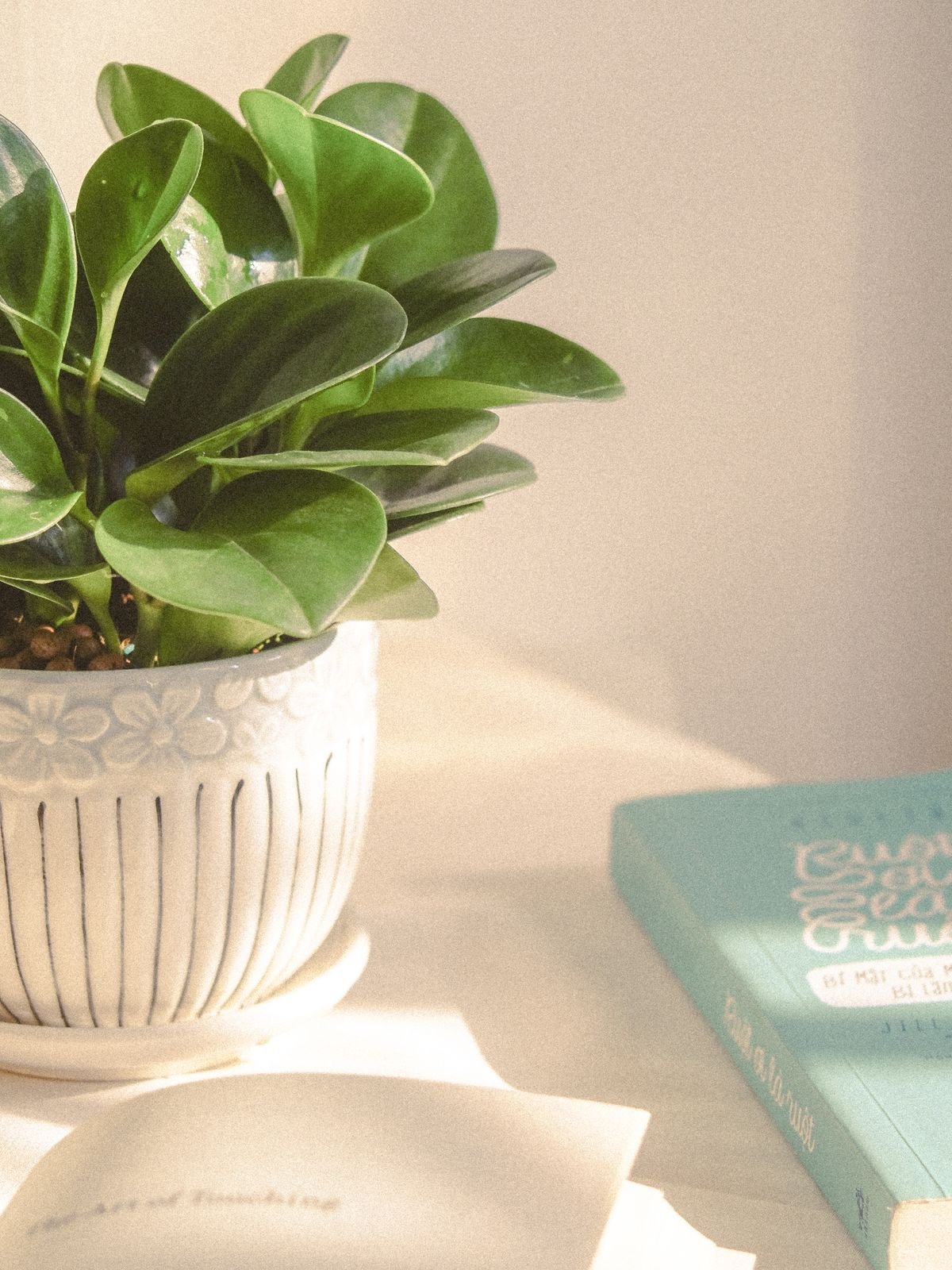
1. Is Peperomia Obtusifolia Edible? Non-Toxic Is Not Food-Safe
Opinion: Non-toxic is the wrong word if you meant “can I put this in a salad.” Toxicology registries answer accidental chewing. Food safety answers intentional eating of a crop grown for that purpose.
P. obtusifolia lacks the lethal alkaloid / glycoside profile that puts plants on poison lists. That does not make thick, waxy ornamental leaves a vegetable. Large mouthfuls of fibrous foliage can still produce mild nausea or vomiting — a mechanical gut response to indigestible plant mass, not “pepper poisoning.” Unlike Dieffenbachia or Epipremnum (pothos), ASPCA does not classify baby rubber plant as an insoluble-oxalate irritant toxicant; do not import aroid raphide lore onto this species without evidence.
Nursery reality compounds the rule: retail pots may carry leaf-shine products, residual sprays, or systemic insecticides used against mealybugs. Those residues have no place on a plate, regardless of ASPCA plant chemistry (buying from big-box is about specimen quality, not food hygiene).
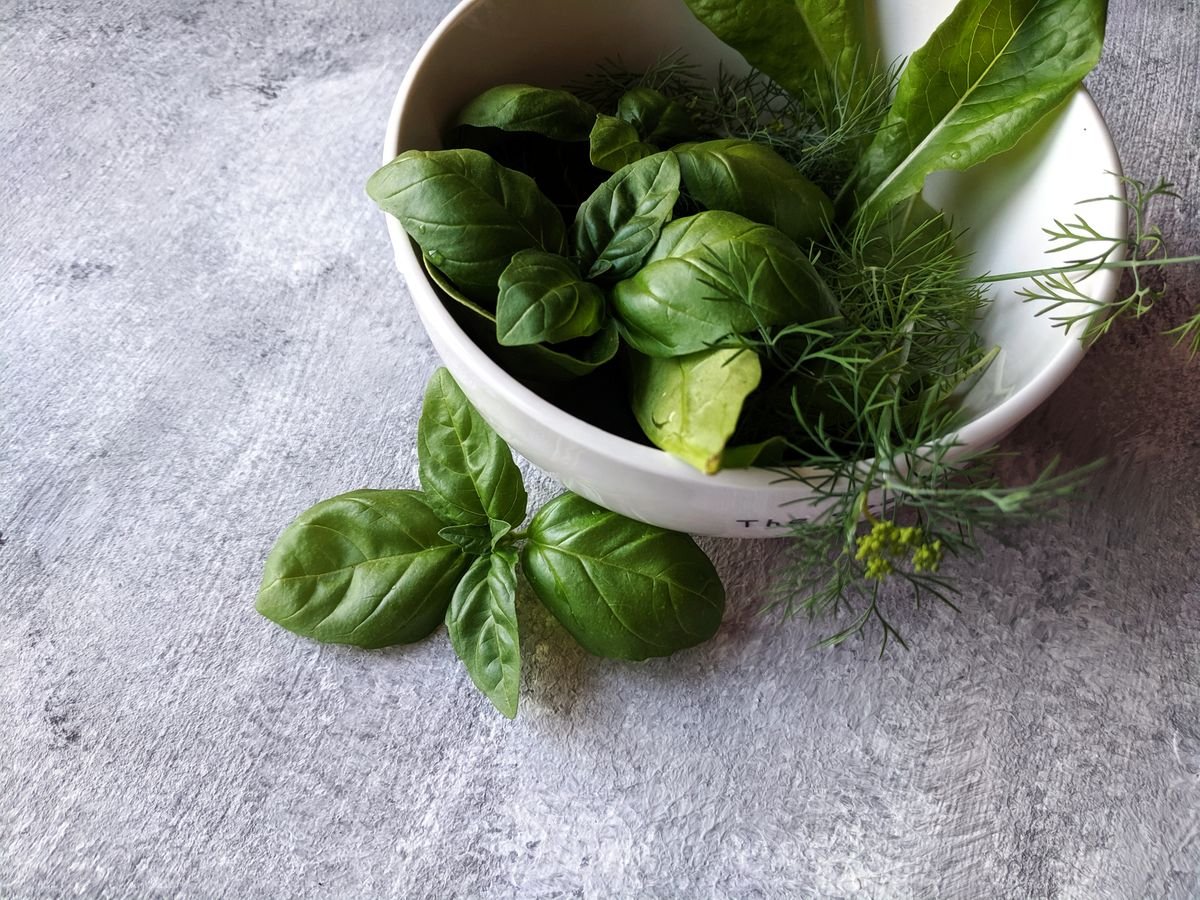
2. Why People Ask If Peperomia Obtusifolia Is Edible
Confusion starts with names and taxonomy.
- Family: Piperaceae (pepper family).
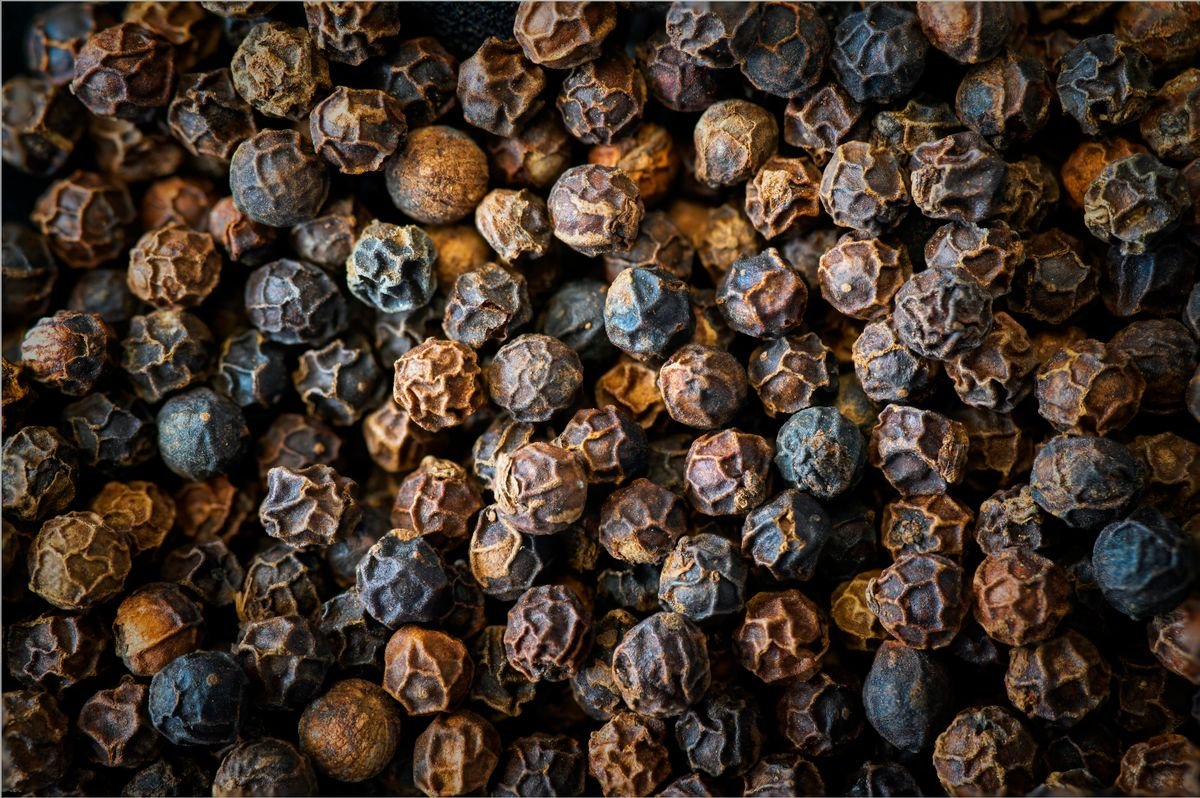
- Culinary spice: Piper nigrum — black / white peppercorns and piperine heat.
- Ornamental cousin: Peperomia obtusifolia — thick hydrenchyma leaves, waxy cuticle, houseplant cultivars.
Shared ancestry explains the “pepper face” common name. It does not mean obtusifolia leaves contain kitchen-grade pepper. Metabolic investment in this species went into water storage and cuticle gloss for understorey life, not spice production. Deeper family traits live in the Piperaceae link article; here the only job is killing the “therefore I can eat it” leap.
The “baby rubber plant” label causes a second error: people confuse it with rubber trees (Ficus), a different, unrelated plant. The ASPCA lists Ficus benjamina (“Indian rubber plant”) as toxic to cats and dogs. That misidentification is covered in baby rubber vs true rubber — relevant to safety identity, not recipes.
3. Is Peperomia Obtusifolia Edible? Three Critical Facts
Fact 1 — Not on the menu. Treat every leaf, stem, and root as non-food. No salad, tea, or “foraged houseplant” experiment. If the question is still “is peperomia obtusifolia edible after washing?”, the answer remains no — washing removes dust, not the food-crop gap.
Fact 2 — Peperomia pellucida is a different plant. P. pellucida (pepper-elder / shiny bush) is used as a tender green in some tropical kitchens. Look for thin, translucent foliage and a soft herb habit — not the thick glossy obtusifolia on your shelf. Species ID wrong → wrong safety story. Food-grade pellucida is grown outdoors for harvest; a painted ceramic pot of variegated ‘Variegata’ is not a substitute.
Fact 3 — If someone already chewed a leaf. Remove remaining bits, rinse the mouth with water, and monitor. Mild stomach upset from fibre is possible. Persistent vomiting, swelling, or distress → contact poison control or a clinician; for pets, use the species toxicity pages rather than this edible guide.
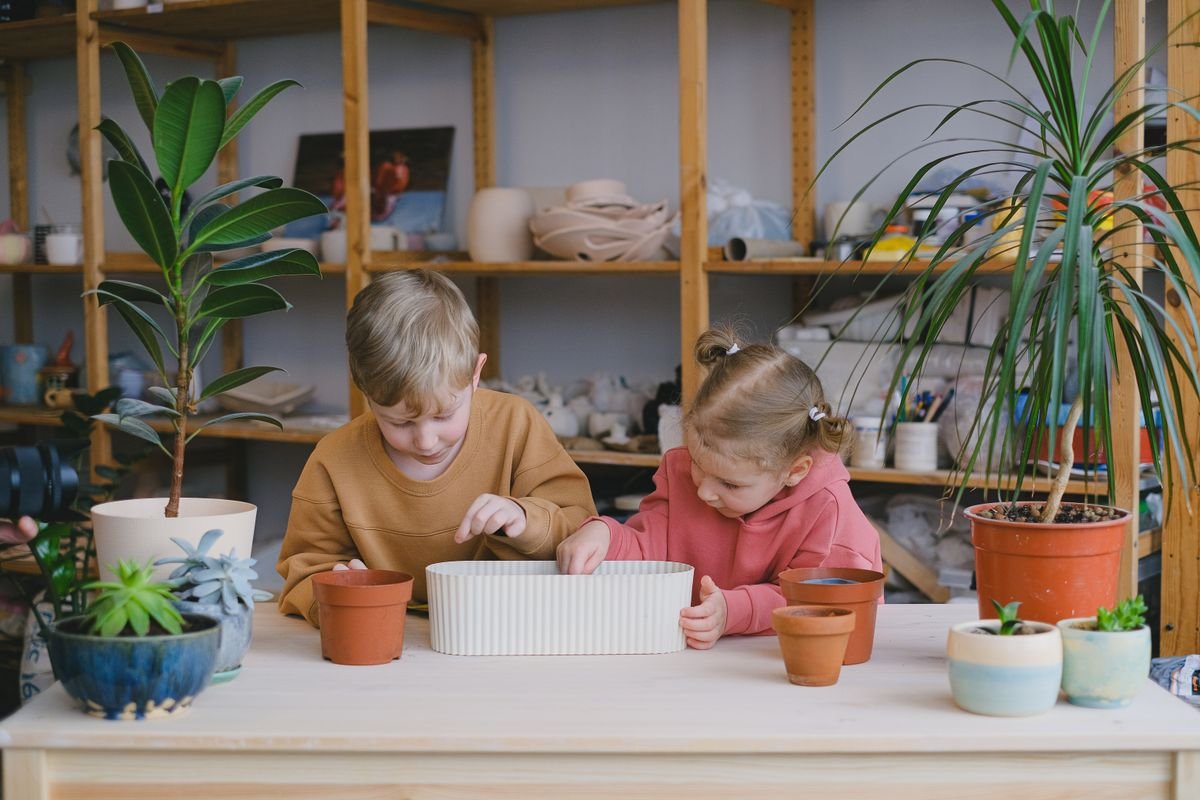
Children still face choking risk from thick leaves even when chemistry is benign — keep small pots out of unsupervised reach. This mechanical risk exists independently of the plant's chemistry: a thick, fibrous leaf torn off and swallowed whole is a choking hazard for a small child regardless of whether the species is classified as toxic, which is why supervision and placement matter even for a genuinely non-toxic specimen.
4. Extra: What This Article Does Not Cover
- Full ASPCA pet protocols → is P. obtusifolia toxic?
- Cat- or dog-specific symptoms → linked guides above
- Air-quality wellness claims → not a reason to ingest tissue; see the air-purification myth piece if that is your question
Related Animal-Specific Guidance
This page answers the human food-safety question only. For species-specific exposure guidance, see the general toxicity overview covering cats and dogs, the dedicated guide on birds and reptiles, and the rabbit-specific guide, which covers a digestive system meaningfully different from a cat's or dog's. If the concern is a lookalike houseplant rather than this species itself, Peperomia vs Pothos compares the two on toxicity specifically, since Pothos carries a real irritant risk this species does not.
Sources and Review Date
Non-toxicity status for cats, dogs, and horses is sourced from the ASPCA Animal Poison Control database; species identity and taxonomy from the RHS and Missouri Botanical Garden profiles linked above. This page does not constitute medical or veterinary advice — contact a poison control centre or veterinarian directly for an actual exposure event. Reviewed and citations verified as of the update date shown above.
Conclusion
Is peperomia obtusifolia edible? No. Non-toxic status answers accidental chewing; it does not license the plant as food. Keep baby rubber plant on the shelf, keep culinary pepper as Piper nigrum, and keep edible Peperomia experiments — if any — limited to correctly identified food species grown for that purpose, never the ornamental obtusifolia from a nursery pot.
Care FAQ
Is peperomia obtusifolia edible for humans?
No. Peperomia obtusifolia is an ornamental houseplant, not a food crop. Major registries list it as non-toxic, which means it lacks known lethal toxins — not that leaves are approved or safe as salad greens. Do not eat nursery-grown specimens.
Is non-toxic the same as edible?
No. Non-toxic is a toxicology label (no significant poisoning expected from incidental chewing). Edible means a species is grown, handled, and consumed as food. Ornamental pots may carry leaf shine, fertiliser residue, or systemic insecticides that have nothing to do with the plant’s intrinsic chemistry.
Is Peperomia related to black pepper, and can I use it as spice?
Peperomia and Piper nigrum both sit in Piperaceae, so they are botanical relatives. P. obtusifolia does not produce culinary black peppercorns or the piperine heat of spice pepper. Taxonomic kinship is not a kitchen instruction.
Which Peperomia is edible then?
Some tropical cuisines use Peperomia pellucida (pepper-elder / shiny bush) as a fresh herb. That is a different species from the thick-leaved baby rubber plant sold as a houseplant. Never substitute P. obtusifolia for pellucida recipes.
What if a child or pet eats a leaf?
Incidental nips are the scenario ASPCA non-toxic listings address. Rinse the mouth, remove remaining plant material, and watch for mild stomach upset from fibrous tissue. Large amounts or distress warrant poison-control or veterinary advice. Full pet protocols live on the toxicity guides.