Is Peperomia Safe for Birds and Reptiles?
Peperomia toxic to birds? By plant chemistry, no — Peperomia spp., including P. obtusifolia (baby rubber plant), appear on veterinary bird-safe plant lists (VCA Animal Hospitals). The same genus is widely used in reptile vivariums for structure and incidental contact. The failure mode is almost always nursery residue (systemics, leaf shine, fertiliser prills), not alkaloids in the leaf (ASPCA baby rubber plant — mammals; NC State; Missouri). This is not a substitute for veterinary advice — if a bird or reptile has ingested any plant material and shows symptoms, contact an exotic or avian veterinarian rather than relying on any plant-safety list, including this one.
Cat, dog, and human toxicity live in the toxicity overview. Closed-glass culture engineering lives in the terrarium guide. This article is avian + herp safety only.
| Question | Short answer |
|---|---|
| Toxic plant compounds? | None established for Peperomia on bird-safe lists |
| Safe as staple food? | No — enrichment / décor / vivarium plant |
| Main risk | Untreated nursery chemicals |
| Before cage / tank | Wash, bare-root, quarantine 2–4 weeks |
1. Peperomia Toxic to Birds: What the Lists Actually Say
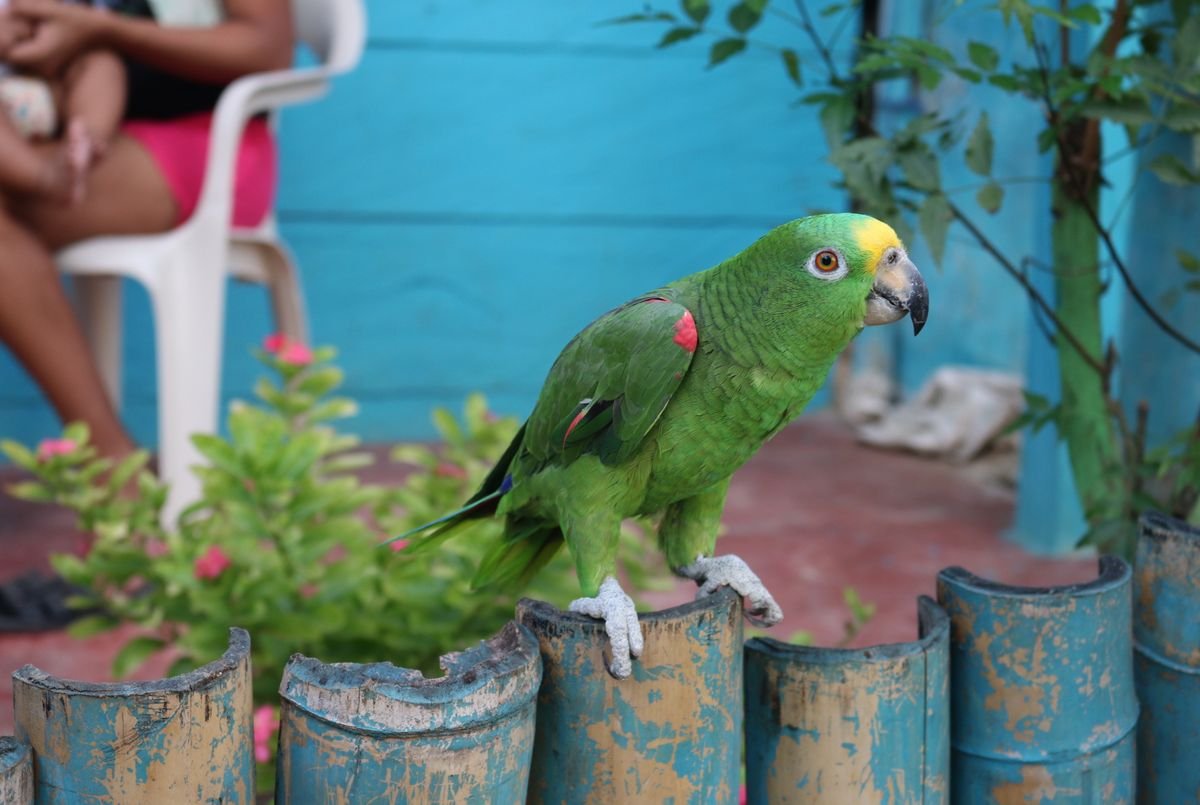
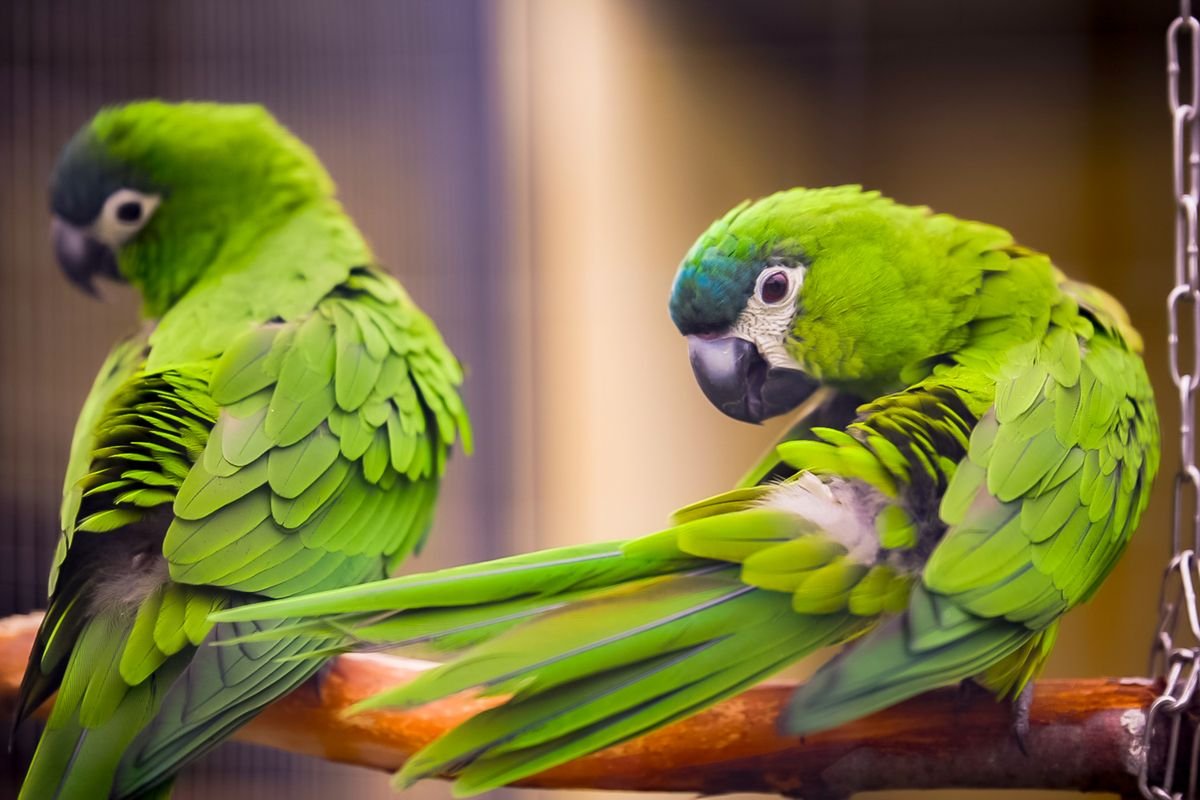
Birds — especially psittacines — combine fast metabolism with exploratory chewing. Few controlled toxicity trials exist for ornamental plants in pet birds; lists extrapolate from multi-species data and clinical reports (VCA).
- Genus status: Peperomia spp. are marked as a strongly established safe genus on the VCA bird-safe table (common names include baby rubber plant, blunt-leaf peperomia, pepper face).
- Compared with Araceae: Pothos, Philodendron, and Dieffenbachia carry insoluble calcium oxalate risk; Peperomia is not classed with those irritants on bird lists.
- Dose still matters: Any plant eaten in bulk can upset the gut. Safe ≠ unlimited forage.
- When unsure: Pet Poison Helpline or an avian veterinarian — lists are starting points, not guarantees for every species.
Verified listing versus repeated internet claim is worth distinguishing here. A veterinary institution publishing a bird-safe or reptile-safe plant list, based on aggregated clinical case data across many practices, is a meaningfully different source than a forum post or a houseplant blog repeating "Peperomia is pet-safe" without citing anything. The ASPCA's non-toxic classification for P. obtusifolia is specifically scoped to cats, dogs, and horses — it does not, on its own, constitute a bird or reptile safety claim, even though it is frequently cited as if it does. The genus-level bird-safe listing from VCA is the more directly relevant source for birds specifically, and no equivalent institutional reptile-specific toxicity database exists for this species at the same level of rigor; reptile safety guidance here is drawn from herpetoculture practice and the absence of documented adverse reports, which is a weaker form of evidence than a formal veterinary toxin listing and should be treated accordingly.
Opinion: The plant is the easy part. An unwashed big-box specimen is the hazard. Treat quarantine as mandatory, not optional enrichment.
Room plants for free-flight birds should stay pesticide-free and out of heavy shredding if you want the specimen to survive; safety and plant survival are different goals.
2. Reptiles and Vivariums: Same Chemistry, Different Job
P. obtusifolia shows up in tropical bioactive setups because thick leaves tolerate climbing and humidity better than thin foliage — not because it is a complete diet.
- Incidental ingestion: Insectivores and carnivores rarely eat leaves; omnivores (e.g. bearded dragons) may nip. Non-toxic status does not make ornamental peperomia a salad staple (edibility).
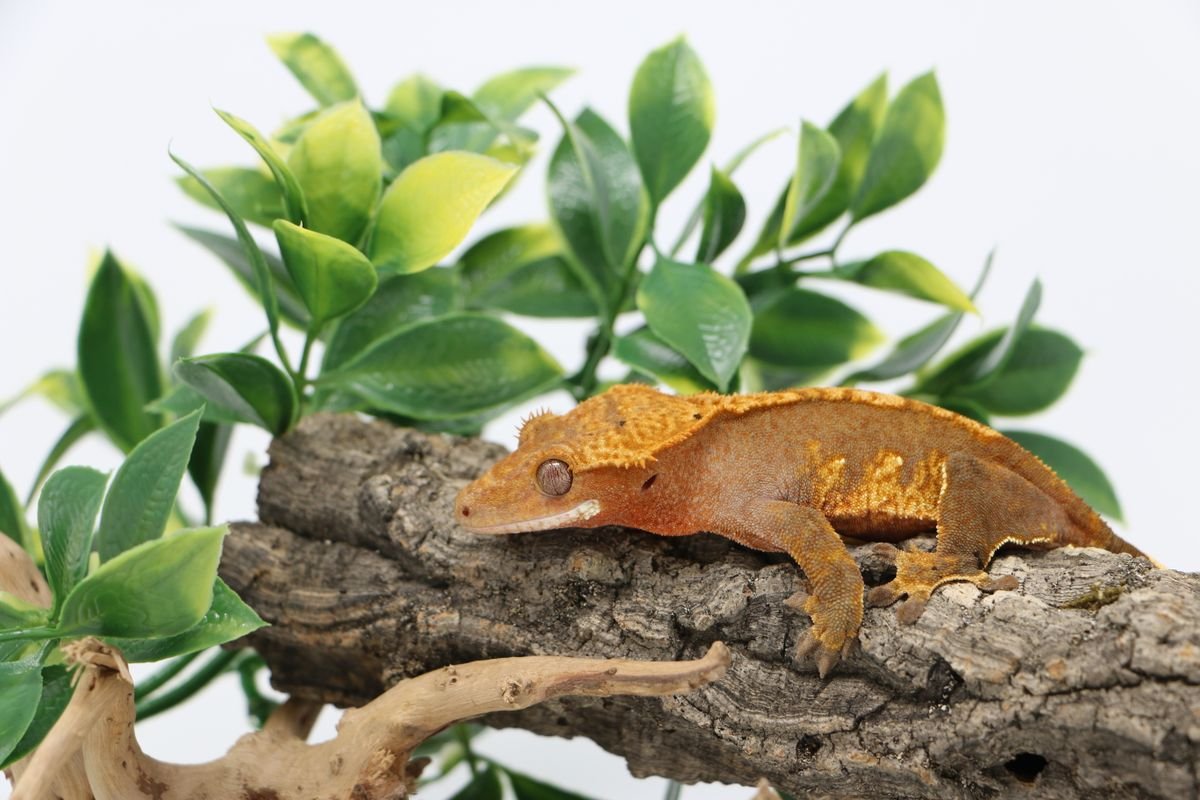
- Structure: Broad, firm blades can act as temporary ledges for small arboreal geckos; heavy snakes will crush soft stems — choose size and staking accordingly.
- Humidity: Many tropical herp enclosures run higher RH than the site’s open-room 40–60% optimum for P. obtusifolia. Enclosed glass also raises rot risk if substrate stays wet — engineer drainage and venting in the terrarium article; do not copy room-plant watering into a sealed tank.
- Bioactive role: Roots can take up nutrients from a cycling clean-up crew; that is husbandry, not proof of “detox” marketing.
| Pet context | Fit | Caveat |
|---|---|---|
| Parrots / parakeets | High (listed bird-safe) | Quarantine; limit shredding |
| Crested / day geckos | High (structure + non-toxic) | Vent / drainage in glass |
| Ball pythons | Moderate | Crushing / humidity load |
| Bearded dragons | Contact OK | Not a primary green |
| Tree frogs | Commonly used | Keep foliage clean |
3. Peperomia Toxic to Birds: 3 Critical Facts Before Cage or Tank
Fact 1 — Chemistry is favourable; residue is not. Bare-root the plant, discard nursery mix (slow-release pellets are a choke and toxin risk), wash foliage with mild soap and thorough rinses, then repot into clean, fertiliser-light substrate suitable for the enclosure.
Fact 2 — Quarantine 2–4 weeks. Hold the plant away from birds and reptiles while you watch for pests and while surface residues clear. Systemic products used against mealybugs are incompatible with exotic pets until you are confident the specimen is clean. Routine leaf hygiene for houseplants is covered separately in pet-safe cleaning.
Fact 3 — Match the enclosure. Bright indirect light, airy mix, and dry-down still apply inside vivariums; stagnant waterlogged substrate kills P. obtusifolia and fouls the tank. Many bioactive setups run humidity well above this species' 40–60% RH optimum specifically for the animal's needs, which means the plant itself is more likely to develop leaf-spot or root-rot symptoms in that environment than to pose any risk to the inhabitant — the safety direction runs opposite to what many keepers assume. Placement matters as much as the substrate: keep the plant clear of a heat lamp or basking spot close enough to scorch foliage, and clear of any area a reptile uses as a regular latrine, since waste buildup at the root zone accelerates rot independent of anything related to toxicity. For cats and dogs, use the mammal guides — this page does not replace them.
4. What Exposure May Actually Look Like
Most real-world exposure is exploratory rather than a deliberate feeding event: a bird tears at a leaf edge, a bearded dragon takes a passing nip while patrolling its enclosure, a gecko brushes against foliage while climbing. This is different from a household dog or cat swallowing a large mouthful, and the practical concern shifts accordingly. For a species with no established plant toxin risk, the more likely issues from incidental contact are mechanical or minor: mild gastrointestinal upset from fibrous plant matter in a bird's crop, a scratch or minor irritation from a torn leaf edge in a small enclosure, or — in an enclosed vivarium — surface residue from unwashed nursery stock contacting skin that absorbs more readily than mammalian skin does. None of this constitutes a documented toxic reaction to Peperomia chemistry specifically; it is the general caution warranted around any unwashed plant material introduced to a sealed or supervised animal environment.
5. What to Do After Exposure
If a bird or reptile has had contact with or ingested Peperomia foliage: remove further access to the plant, note which specific plant and cultivar was involved (a photo of the label or the plant itself is useful if you need to describe it to a vet), and observe for the signs a professional would actually want to know about — changes in appetite, lethargy, vomiting or regurgitation, diarrhoea, or laboured breathing. Contact an avian or exotic veterinarian, or a poison control service such as the Pet Poison Helpline, if any of these appear — do not wait to see if symptoms resolve on their own, and do not attempt to induce vomiting or administer a home remedy without professional guidance. In the absence of any symptoms, continued monitoring for 24–48 hours is a reasonable precaution given how little species-specific bird and reptile data exists for this genus, even though the working risk level is low.
6. Related Animal-Specific Safety Guides
This article covers birds and reptiles specifically; toxicity findings do not automatically carry across every animal or context. For cats, dogs, horses, and humans, see the main toxicity overview. Rabbits have distinct digestive physiology from both mammals covered by ASPCA listings and the birds and reptiles covered here, and are addressed separately in the rabbit safety guide. If the plant in question might actually be a lookalike rather than true Peperomia obtusifolia — a frequent point of confusion given the "rubber plant" common name — the Peperomia vs Pothos comparison covers a lookalike pairing where the toxicity profile genuinely differs between the two plants, which matters more for an animal's safety than the Peperomia side of the comparison alone.
Conclusion
Peperomia toxic to birds? Not according to established bird-safe genus lists — and reptiles share the same favourable chemistry for incidental contact. Keep P. obtusifolia as décor, enrichment, or vivarium structure, never as a formulated diet, and treat wash + bare-root + quarantine as the non-negotiable safety step. If symptoms follow ingestion of any plant, contact an exotic veterinarian or poison helpline rather than relying on a blog list alone.
Care FAQ
Is peperomia toxic to birds such as parrots and parakeets?
No known intrinsic toxins. VCA Animal Hospitals list Peperomia spp. (including baby rubber plant / pepper face) as a strongly established bird-safe genus. Excess chewing can still cause mild GI upset. Confirm with your avian vet for your species, and never introduce nursery-treated plants without washing and quarantine.
Is Peperomia obtusifolia safe for reptiles and crested geckos?
Herpetoculture sources treat Peperomia as non-toxic for incidental contact and nips. Thick leaves can serve as climbing or resting structure for small arboreal geckos. It is not a formulated reptile diet. Wash, bare-root, and quarantine before any vivarium.
Do I need to wash Peperomia before a bird cage or vivarium?
Yes. Systemic insecticides, leaf shine, and slow-release fertiliser pellets are the main hazards to birds and reptiles — not Peperomia chemistry. Bare-root, wash foliage, repot into clean substrate, and quarantine 2–4 weeks away from animals.
Can bearded dragons or other omnivores eat Peperomia?
Occasional nips are not reported as toxic events, but Peperomia obtusifolia is an ornamental, not a staple green. Keep primary nutrition on species-appropriate diets. For human food questions, see the edibility guide — the plant is not a salad crop.
Is ASPCA listing enough for birds and reptiles?
ASPCA non-toxic status covers cats, dogs, and horses. Bird and reptile risk is extrapolated from genus safety lists and clinical experience. Use avian/herp-specific sources (for example VCA bird-safe plants) and your exotic veterinarian for final calls.