
Grow Lights vs. Sunlight: A Peperomia Lighting Masterclass
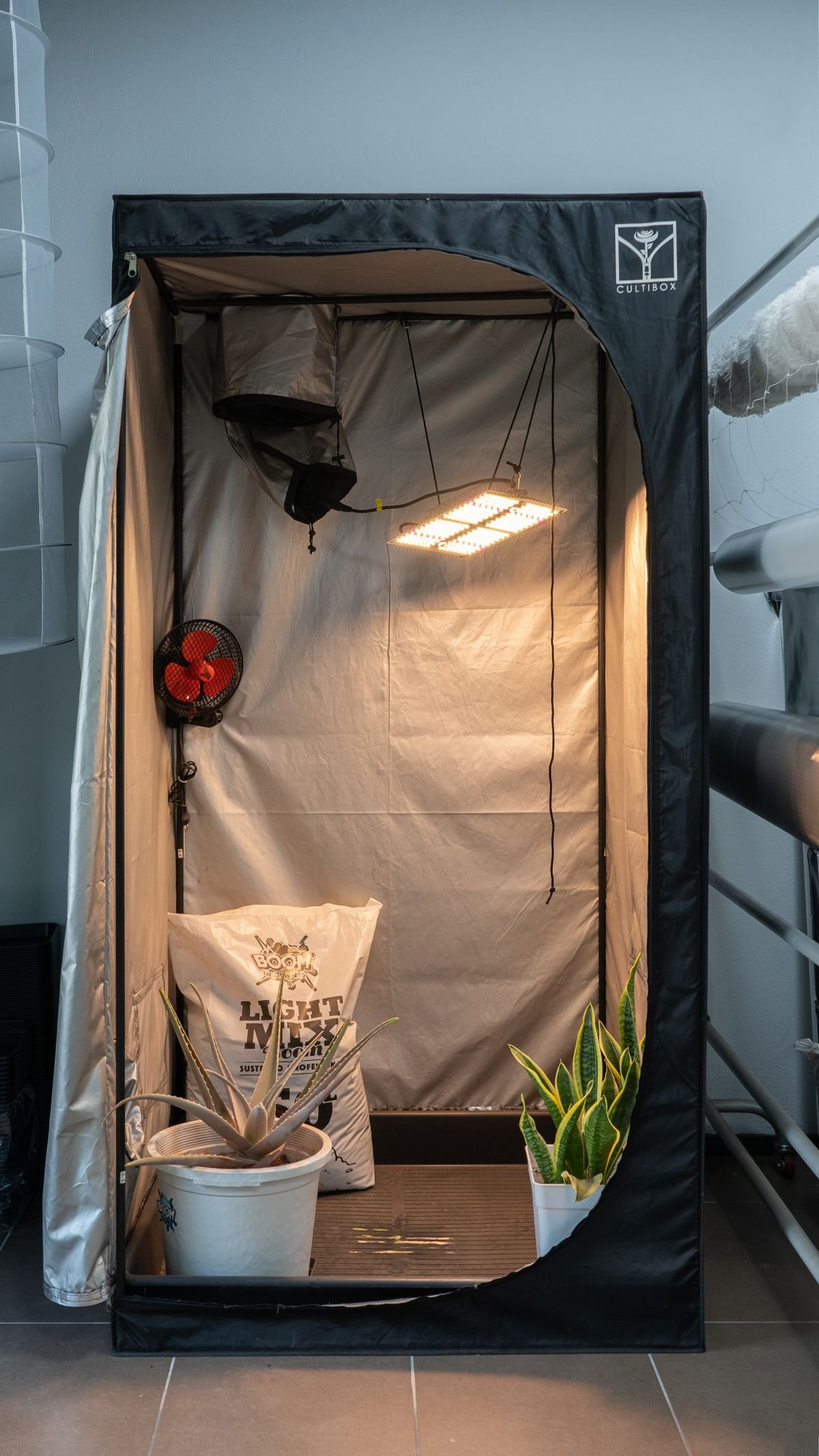
Peperomia grow lights can fully replace a window, provided the PPFD at leaf level is matched. The Peperomia obtusifolia is often marketed as a "low-light" plant, but in the world of botany, there is no such thing as "no light." All plants are biological solar panels, and their survival depends on their ability to capture photons.
As indoor gardening evolves, the debate between natural sunlight and Light-emitting diode (LED) technology has shifted. It is no longer about whether an LED can replace the sun—it’s about which one provides the most efficient energy for your plant’s specific metabolism.
1. Peperomia Grow Lights: PAR and PPFD
Our eyes see "brightness," but plants see Photosynthetically active radiation (PAR). PAR is the specific range of light wavelengths (400–700 nm) that trigger photosynthesis.
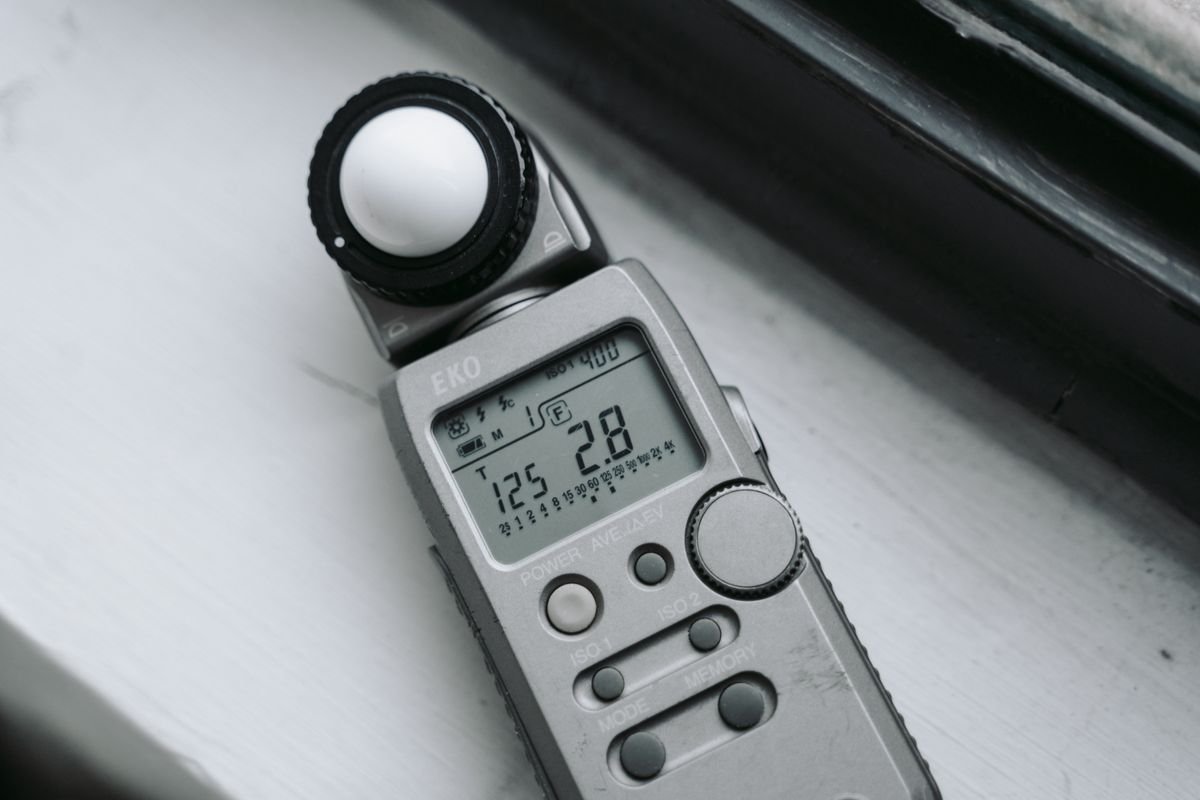
- The Problem with Lux: Most home gardeners use phone apps to measure "Lux." However, Lux measures light as humans see it (skewed toward green/yellow).
- The Solution: PPFD: To grow a high-authority Peperomia, we measure PPFD (Photosynthetic Photon Flux Density). This tells us exactly how many "photons of light" are hitting the leaf surface per second.
- The Target: For a Peperomia obtusifolia, aim for 40–100 µmol/m²/s. Sunlight through a window can provide this, but it fluctuates with clouds; an LED provides this with 100% precision.
2. The Inverse-Square Law: The Distance Factor
The most critical difference between sunlight and LEDs is the physics of distance. This is governed by the Inverse-square law.
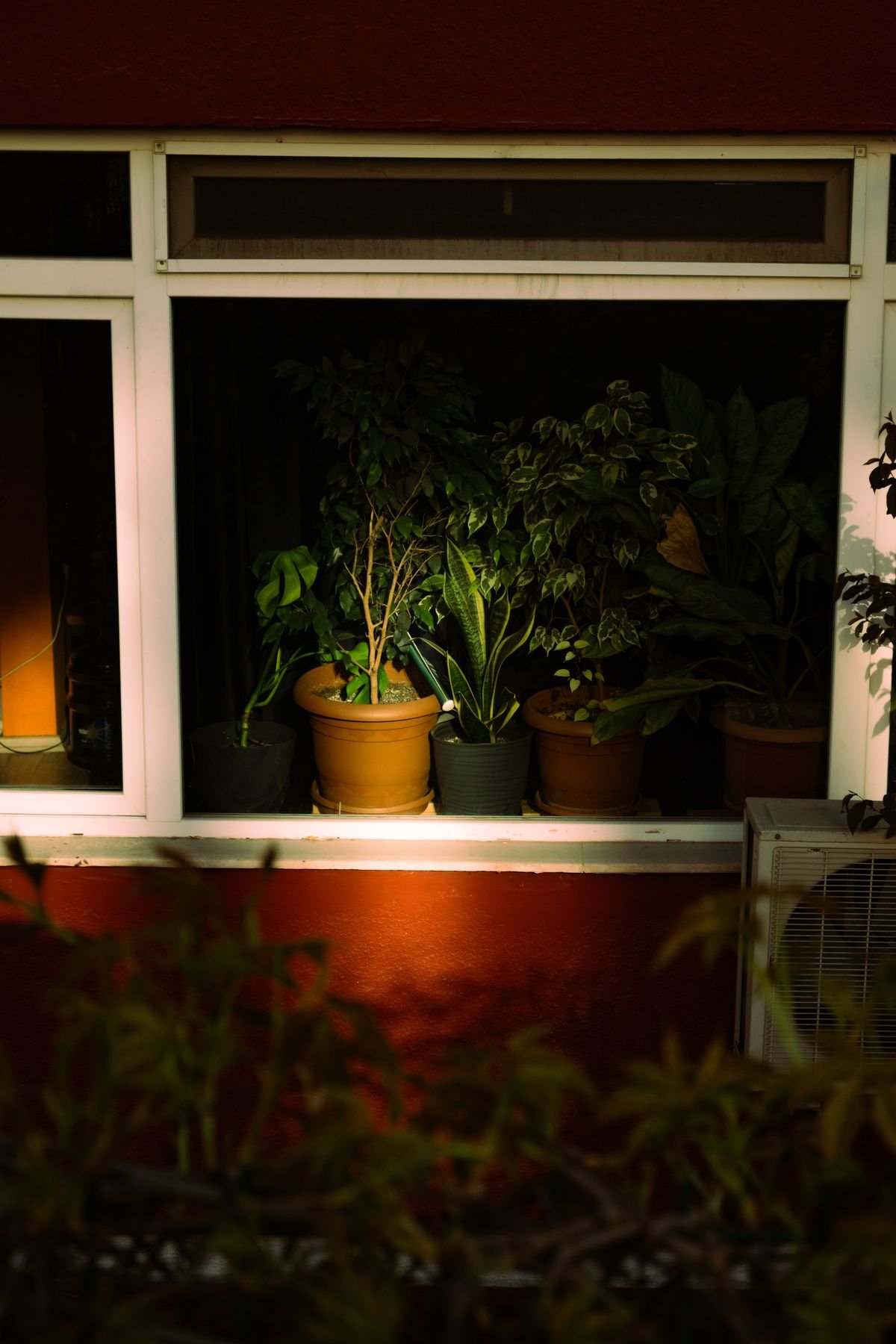
- Sunlight: Because the sun is 93 million miles away, moving your plant 2 feet further from the window doesn't change the sun's distance. However, it does change the amount of "sky" the plant can see, which reduces intensity.
- LEDs: If you double the distance between your LED and your Peperomia (e.g., from 6 inches to 12 inches), the light intensity doesn't just drop by half—it drops by 75%.
- Management: This is why "distance from the light" is a critical care variable for grow lights that doesn't exist in the same way for natural sunlight.
3. Spectral Quality: The Red/Blue Balance
Plants have an Absorption spectrum that peaks in the Blue (430-450nm) and Red (640-680nm) regions.
- Blue Light: Stimulates cryptochromes, which keep the plant compact and prevent "legginess."
- Red Light: Triggers phytochromes, which encourage stem thickness and root development.
- LED Advantage: High-quality grow lights are engineered to "spike" these exact colors. Sunlight is full-spectrum but often loses its intensity in these specific peaks when filtered through modern energy-efficient window glass (Low-E coatings).
4. Thermal Dynamics: IR vs. Convection
- Sunlight: The sun emits significant Infrared (IR) radiation. This is "radiant heat" that warms the leaf tissue directly. This is why a Peperomia in a sunny window can "cook" even if the room is cool.
- LEDs: LEDs produce almost no IR radiation. They produce heat through convection at the back of the chip (the heat sink). This means you can place an LED very close to the leaves to maximize PPFD without the risk of scorching the tissue with radiant heat.
5. The Synthetic Day: Photoperiod Control
Sunlight is limited by the rotation of the Earth. In winter, your Peperomia might only get 8 hours of usable light. With LEDs, you control the Photoperiod. By running your lights for 12–14 hours, you can compensate for lower intensity with longer duration. This is called the Daily Light Integral (DLI)—the total amount of light a plant gets in a 24-hour period.
Conclusion
Can an LED replace the sun? For a Peperomia obtusifolia, the answer is a resounding yes. While sunlight is the "original" energy source, LED technology offers a level of precision and control that natural light cannot match. By mastering PPFD targets and respecting the inverse-square law, you can grow a "sun-drenched" Peperomia in even the darkest windowless room.
Master Your Environment:
Care FAQ
Can you grow Peperomia on grow lights alone?
Yes. Peperomia obtusifolia thrives under high-quality, full-spectrum LED grow lights. Because you can control the Photosynthetically active radiation (PAR) and duration (photoperiod), LED-grown plants are often more compact and vibrant than those in inconsistent natural light.
How far should my grow light be from my Peperomia?
Due to the Inverse-square law, light intensity drops off exponentially with distance. For a typical 20W LED, place the light 8–12 inches above the leaves to maintain a PPFD of 40–100 µmol/m²/s.
Are purple grow lights bad for Peperomias?
They are not 'bad', but they are inefficient for home use. While they target the primary peaks of the Absorption spectrum (red and blue), 'full-spectrum white' LEDs are superior because they provide a broader range of wavelengths that support secondary pigments and are much easier on human eyes.
How many hours of grow light does a Peperomia need?
Aim for a photoperiod of 10–12 hours per day. Unlike sunlight, which changes in intensity throughout the day, LEDs provide a constant output. A timer ensures your plant receives a predictable energy budget every 24 hours.