
Peperomia Tap Water: How Chlorine & Fluoride Harm It
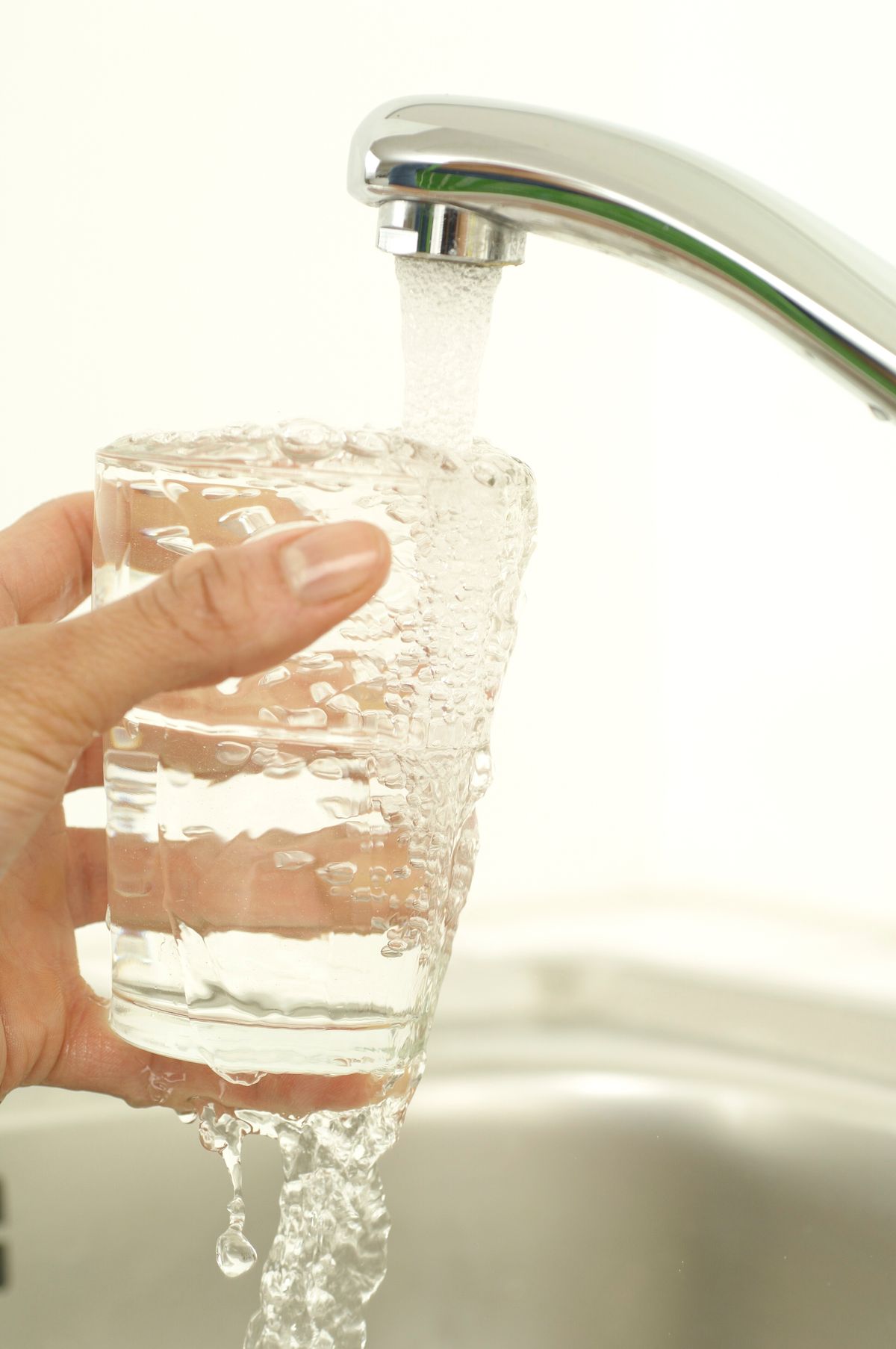
Peperomia tap water from an ordinary municipal supply is safe for this species in the vast majority of cases. The documented long-term risk is gradual mineral salt accumulation from hard water, not the chlorine added for disinfection, which is present at concentrations too low to matter for a houseplant and evaporates from standing water within roughly a day regardless.
What Reliable Sources Say
Municipal water treatment adds chlorine or chloramine at concentrations calibrated for human safety standards, and these levels are well below what causes measurable harm to established houseplants — this is standard horticultural extension guidance, not a species-specific finding for Peperomia obtusifolia. What is genuinely well-documented, including in this site's own case-pattern observations, is mineral salt accumulation from hard water and fertiliser residue building up in the substrate over months of exclusively top- or bottom-watering with untreated tap water — a slow, cumulative process rather than an acute chemical event.
Fluoride is sometimes singled out as a houseplant concern, and it is a genuine sensitivity in a specific group of plants — Dracaena, spider plant, and some prayer-plant relatives are the commonly cited examples in horticultural literature. P. obtusifolia is not typically listed among fluoride-sensitive genera, and no canonical threshold for this species exists in the literature this site draws from. Treat fluoride as a secondary, unconfirmed consideration rather than a primary cause if a specimen shows leaf-tip browning — the more probable and better-supported cause is covered next.
What the Actual Risk Looks Like
Mineral accumulation presents as a white or pale crust on the substrate surface and around the upper pot rim, sometimes accompanied by tip-browning on older leaves as ionic concentration in the root zone rises. This is the same mechanism behind the salt-encrusted bottom-watered specimen pattern documented on this site: dissolved minerals and fertiliser salts concentrate in the upper substrate because routine watering only ever moves them upward or leaves them behind as water evaporates, never flushing them out. It is a gradual process measured in months, not a sudden reaction to a single watering.
What to Do About It
If a white crust or tip-browning consistent with salt accumulation appears, flush the substrate with a generous volume of plain water — roughly three to five times the pot volume — poured through slowly and allowed to drain fully, carrying accumulated salts out through the drainage hole. Repeat this flush periodically as routine maintenance, not only once symptoms appear, since the buildup is invisible in its early stages. If local tap water is known to be particularly hard, switching to filtered, distilled, or rainwater reduces how quickly the problem recurs, though an occasional flush with plain tap water remains a reasonable baseline for most households.
Growers using bottom-watering exclusively should treat the periodic flush as non-negotiable rather than optional, since bottom-watering alone only ever moves dissolved minerals upward through capillary action and never carries them back out through the drainage hole the way a top-flush does. A specimen watered from below for many months without an occasional top-flush is the clearest case where mineral accumulation becomes a genuine, visible problem rather than a theoretical one.
Why 'Generally Safe' Does Not Mean No Precautions Needed
Ordinary tap water safety does not mean every water-related practice is equally sound. A sodium-based water softener is a genuine risk regardless of how mild the original water hardness was, since it substitutes calcium and magnesium for sodium, and elevated root-zone sodium pulls water out of root cells through osmotic stress rather than allowing normal uptake — a plant can wilt in saturated, sodium-heavy substrate for reasons unrelated to drought. Standard charcoal filtration reduces chlorine taste and odour effectively but does not reliably remove fluoride or dissolved mineral hardness, so it is not a complete substitute for a periodic flush if hardness is the actual concern.
Related Care Guidance
Salt accumulation from tap water sits alongside a handful of other care areas worth checking together: chlorosis and yellow leaves can result from the same hard-water alkalinity that drives mineral buildup, since a persistently high substrate pH locks out iron and other micronutrients regardless of whether the cause is fertiliser or tap water. For the broader picture of common issues on this species, see the problems guide. Households already checking plant-related safety information for pets sharing the same home may also find the general toxicity overview, the birds and reptiles guide, the rabbit-specific guide, and is Peperomia obtusifolia edible useful — tap water quality and pet toxicity are separate questions, but both fall under the same general household-safety review.
Sources and Review Date
General water-treatment chemistry and typical municipal chlorine/chloramine concentrations reflect standard horticultural extension guidance rather than a species-specific published study on P. obtusifolia. The salt-accumulation mechanism and flush protocol reflect documented case patterns from this site's own horticultural observation. This page is care guidance, not a water-safety certification for any specific municipal supply — consult local water-quality reports for concerns beyond general hardness. Reviewed and updated as of the date shown above.
Care FAQ
Is tap water safe for Peperomia obtusifolia?
Yes, in most municipal water systems. The genuine long-term risk is mineral salt accumulation from hard water rather than chlorine, which is present at low concentrations and evaporates from standing water within roughly 24 hours. A periodic flush addresses the salt-buildup risk directly.
Does leaving tap water out overnight remove everything harmful?
It removes most residual chlorine, since chlorine largely evaporates from standing water within about 24 hours. It does not remove dissolved minerals (calcium, magnesium) or fluoride, which stay in solution regardless of how long the water sits — those require filtration or a different water source if they are a genuine concern in a specific municipal supply.
Why do I see white crust on the soil or pot rim?
Mineral salts from tap water — chiefly calcium and magnesium in hard water — concentrate at the substrate surface and pot rim as water evaporates, leaving a visible white, chalky deposit. This is the same mechanism behind the salt-accumulation pattern documented in chronically bottom-watered specimens, and a periodic top-flush addresses it.
Should I use a water softener for my Peperomia?
No. Household water softeners typically replace calcium and magnesium with sodium, and elevated sodium in the root zone causes osmotic stress that pulls water out of root cells rather than into them. Use filtered, distilled, or rainwater instead if local tap water hardness is a genuine concern.