Wrinkled Peperomia Leaves: Causes and Recovery
Wrinkled, soft Peperomia obtusifolia leaves are a loss of turgor pressure — the internal water pressure that normally keeps the succulent leaf tissue firm and taut. Two opposite causes produce the same wrinkled look: the substrate is bone-dry with nothing left for the roots to draw on, or the substrate is wet and the roots have rotted and can no longer take water up at all. Checking substrate moisture at depth, not the leaf's appearance alone, is the first and most useful diagnostic step.
Quick Diagnosis: Wrinkled Leaves
| Leaf Appearance | Substrate | Pot Weight | Smell | Likely Cause |
|---|---|---|---|---|
| Wrinkled, papery, dull | Bone-dry at depth | Noticeably light | None | Underwatering |
| Wrinkled, soft, sometimes yellowing | Wet or moist | Heavy | Sour or musty | Root rot |
| Localised dulling, fine stippling | Within range | Normal | None | Spider mites |
| Wrinkling near leaf axils, sticky residue | Within range | Normal | None | Mealybugs |
| Brown, crisp margins plus wrinkling | Within range or salt crust visible | Normal | None | Tap water salts / chlorine |
| New growth deformed and puckered | Within range | Normal | None | Calcium or magnesium deficiency |
What Wrinkling Actually Looks Like
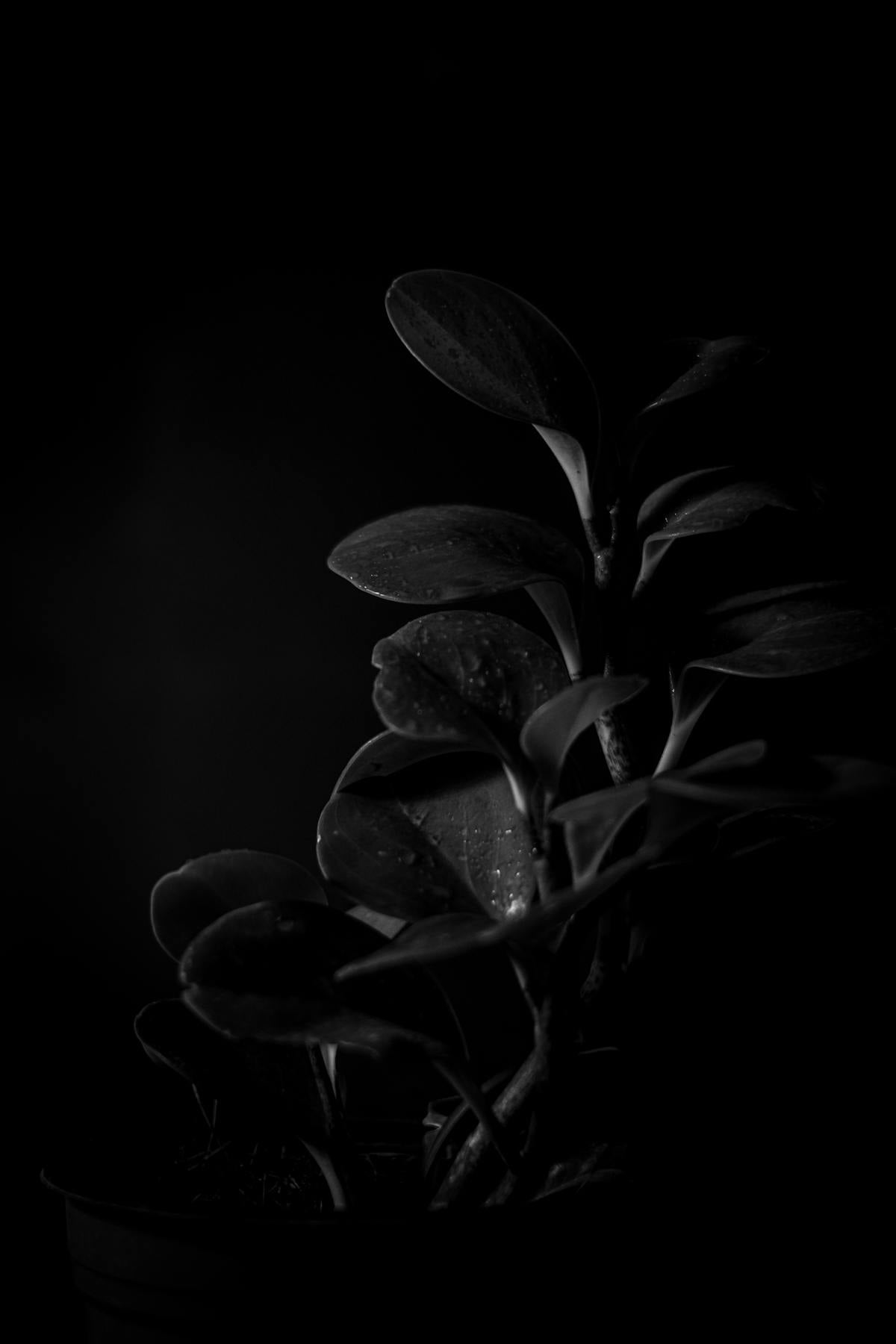
Peperomia obtusifolia stores water in the parenchyma of its thick, semi-succulent leaves, and that reservoir is what keeps the surface smooth and glossy under normal conditions. As those storage cells lose water, the plasma membrane pulls away from the rigid cell wall — a process called plasmolysis — and the leaf surface puckers rather than staying taut. Early-stage wrinkling looks like fine surface creasing near the leaf margins; advanced cases show the whole lamina folding softly, sometimes alongside a dulled, less glossy sheen. The texture — soft and pliable versus dry and papery — is often more diagnostic than the substrate reading alone, and the two are covered together below.
Causes Ranked From Most to Least Likely
1. Underwatering
If the substrate has been allowed to go bone-dry for three to four weeks or more — well beyond the species' normal drought tolerance — the leaves draw down their stored reserve until the cells can no longer hold their shape.
Confirm it: Push a wooden skewer into the substrate at mid-pot depth. If it comes out clean and dry, and the pot lifts noticeably lighter than a recently watered reference, this is the cause. A complicating factor: peat-heavy substrate that has dried out fully often becomes hydrophobic, so water poured on top runs down the inside of the pot wall and out the drainage holes without ever reaching the root zone — the plant can look "watered" while the roots receive nothing.
Rule it out: If the substrate is moist or wet at depth, this is not the cause — move to Cause 2.
2. Root Rot From Chronic Overwatering
This is the counterintuitive case: the leaves look thirsty while the substrate is wet. Soil that stays wet for long periods fills the air spaces around the roots. Root tissue suffocates and dies, and root rot sets in (NC State Extension), and dead roots can no longer draw up water for the leaves — so the plant wilts and wrinkles despite sitting in moisture it cannot use.
Confirm it: Substrate feels wet or moist at depth, the pot lifts heavy, and there is a sour or musty smell. Lower leaves may also be yellowing. This pattern is especially common after a jump to a much larger pot, since the extra unused substrate volume holds water for far longer than the existing root system can process.
Rule it out: Dry substrate and no odour rules out rot — the cause is more likely Cause 1.
3. Spider Mites
These tiny arachnids pierce individual leaf cells and draw out the fluid inside, and enough feeding across a leaf reduces its ability to hold turgor evenly, producing a dulled, faintly wrinkled surface alongside fine pale stippling.
Confirm it: Hold a sheet of white paper under a leaf and tap the stem — fine specks that move are mites. A 10x loupe on the leaf underside may show fine webbing in heavy infestations. Substrate moisture is normal.
Rule it out: No stippling, no moving specks under magnification, and normal substrate moisture point elsewhere. Full identification and treatment are in the spider mite guide.
4. Mealybugs
Mealybugs cluster in leaf axils and along the stem, siphoning sap and reducing the hydraulic pressure available to nearby leaves. Wrinkling from a mealybug infestation tends to concentrate near the feeding sites rather than appearing uniformly across the plant.
Confirm it: Check leaf axils and the underside of the stem for small, white, cottony masses, often alongside a sticky honeydew residue on nearby leaves. Full identification and treatment steps are in the mealybug guide.
Rule it out: No cottony residue or honeydew anywhere on the plant rules this out.
5. Tap Water Salts and Chlorine Sensitivity
Peperomia species, part of the Piperaceae family, are comparatively sensitive to the chlorine, fluoride, and dissolved mineral salts present in many municipal water supplies. Chronic exposure concentrates these compounds in the substrate and can damage fine root-hair tissue over months, indirectly weakening the plant's ability to maintain leaf turgor even when the watering schedule itself is correct.
Confirm it: Brown, crisp leaf margins appearing alongside the wrinkling, or a visible white mineral crust on the substrate surface or pot rim, both point toward this cause. It is more common in hard-water areas and in specimens watered exclusively from the tap for a year or more without a substrate flush.
Rule it out: No margin browning and no salt crust makes this an unlikely primary cause, though it can still compound another one. Background on tap water suitability for this species is in the tap water guide.
6. Calcium or Magnesium Deficiency
Calcium cross-links the pectin in plant cell walls, and a shortfall — common in consistently low-humidity environments where transpiration-driven calcium transport slows — produces new growth that emerges already puckered and irregular rather than smooth. Magnesium sits at the centre of the chlorophyll molecule, and a deficiency reduces the plant's capacity to generate the energy needed to maintain full leaf turgidity.
Confirm it: This cause is distinct from the others in that it affects new growth specifically — new leaves emerge already deformed, rather than older leaves gradually wrinkling. The detailed diagnostic for distinguishing a true shortage from a delivery problem is in the calcium deficiency guide.
Rule it out: If wrinkling is confined to older leaves and new growth is smooth, this is not the cause.
Step-by-Step Recovery Plan
- Check the substrate at depth first, before doing anything else. This single check determines whether the next step is watering or unpotting — the two corrective paths are opposite, and applying the wrong one accelerates the problem.
- If bone-dry: bottom-water by standing the pot in 3-5 cm of lukewarm water for 20-30 minutes, then drain fully. Do not add fertiliser during this rehydration cycle.
- If wet or sour-smelling: stop watering immediately. Unpot, trim any black, soft, or malodorous roots back to firm white tissue with sterilised scissors, and repot into a free-draining mix with at least 30% inorganic content, in a pot no more than one inch larger than the surviving root mass. The full triage steps are in the overwatering rescue guide.
- If pests are visible: isolate the plant, wipe affected areas with a cotton swab dipped in 70% isopropyl alcohol, and follow up with a neem oil application every 5-7 days for three cycles.
- What not to do: do not water a plant that is already wet "just in case," and do not fertilise a plant recovering from either drought or root rot — fresh salts on stressed tissue make the recovery slower, not faster.
Recovery Signs and Timeline
Turgor in a genuinely dehydrated but otherwise healthy plant typically improves within 24-48 hours of correct rehydration, though an already-wrinkled leaf rarely returns to a perfectly smooth state — some membrane damage from the pressure loss is permanent. Root-rot recovery is slower: expect several weeks before the plant stabilises, and new root growth typically resumes within four weeks post-repot if the intervention was timely. The reliable marker of recovery in either case is the new growth that emerges afterward — it should be firm, glossy, and unwrinkled from the moment it unfurls. If new leaves continue to emerge deformed, the underlying cause has not actually been corrected.
How to Prevent Recurrence
- Water on a moisture-triggered schedule, not a calendar one. Check the top 2-3 cm of substrate before every watering rather than watering on a fixed weekly habit regardless of conditions.
- Match pot size to the current root ball. A pot more than one inch larger than needed holds excess water the roots cannot use, recreating the exact conditions behind Cause 2.
- Inspect leaf axils and undersides monthly for early pest activity, before an infestation is heavy enough to visibly affect turgor.
- Let tap water stand uncovered for 24 hours before use in hard-water areas, or switch to filtered or rain water, to reduce chlorine and mineral load reaching the roots over time.
- Feed with a balanced, micronutrient-inclusive fertiliser during the growing season rather than a nitrogen-heavy one, to avoid fast, weak growth that wrinkles under its own water demand.
Wrinkled leaves are a hydraulic symptom with a binary root cause: either there isn't enough water reaching the roots, or the roots can no longer take up the water that's there. Confirming which one is happening before intervening is what separates a same-day fix from a slow decline. If the presentation doesn't match either pattern, the complete symptom guide covers the rest of what this species can show, including the related sudden leaf drop, downward curling, and weak, falling-over stems that often accompany the same underlying water-stress mechanisms.
Care FAQ
Why are my Peperomia leaves wrinkling?
Wrinkling means the leaf's water-storage cells have lost internal pressure (turgor). The two dominant causes are opposites: the substrate is bone-dry and there is no water left to draw on, or the substrate is wet and the roots have rotted and can no longer take water up. Checking the substrate at depth, not just the leaf, is what tells the two apart.
Will wrinkled Peperomia leaves go back to normal?
An already-wrinkled leaf rarely fully re-plumps, since some cell membrane damage from the pressure loss is permanent, though mild cases often improve substantially within 24-48 hours of correct rehydration. The reliable sign of recovery is the new growth that emerges afterwards — it should be firm, glossy, and unwrinkled from the start.
How do I know if it is underwatering or root rot?
Check the substrate at mid-pot depth with a wooden skewer, not just the surface. Bone-dry substrate plus a pot that lifts noticeably light points to underwatering — bottom-water and it typically resolves within a day. Moist or wet substrate, a heavy pot, and a sour smell point to root rot, which needs unpotting and root inspection, not more water.
Can tap water cause wrinkled leaves?
Indirectly. Chlorine, fluoride, and dissolved mineral salts in tap water accumulate in the substrate over months and can damage root-hair tissue and leaf margins, weakening the plant's ability to maintain turgor even when watering is otherwise adequate. Letting tap water stand uncovered for 24 hours before use, or switching to filtered or rain water, reduces this risk in hard-water areas.