
Peperomia Humidity Tent: Bag Method for Faster Rooting
Peperomia humidity tent (bag / dome method) is a temporary enclosure that drops vapour pressure deficit (VPD) around an unrooted cutting so it does not desiccate before adventitious roots form (plant propagation; Clemson Peperomia).
The short answer: stake 3–4 skewers in an aerated mix, drape a clear bag so plastic never touches leaves, place at 2,000–4,000 lux with no direct sun, burp 10–15 minutes daily, expect roots on stem cuttings within a few weeks, then harden off ~5 days. Cutting how-tos live in the propagation hub, stem cuttings, and leaf propagation — this article is the tent only.
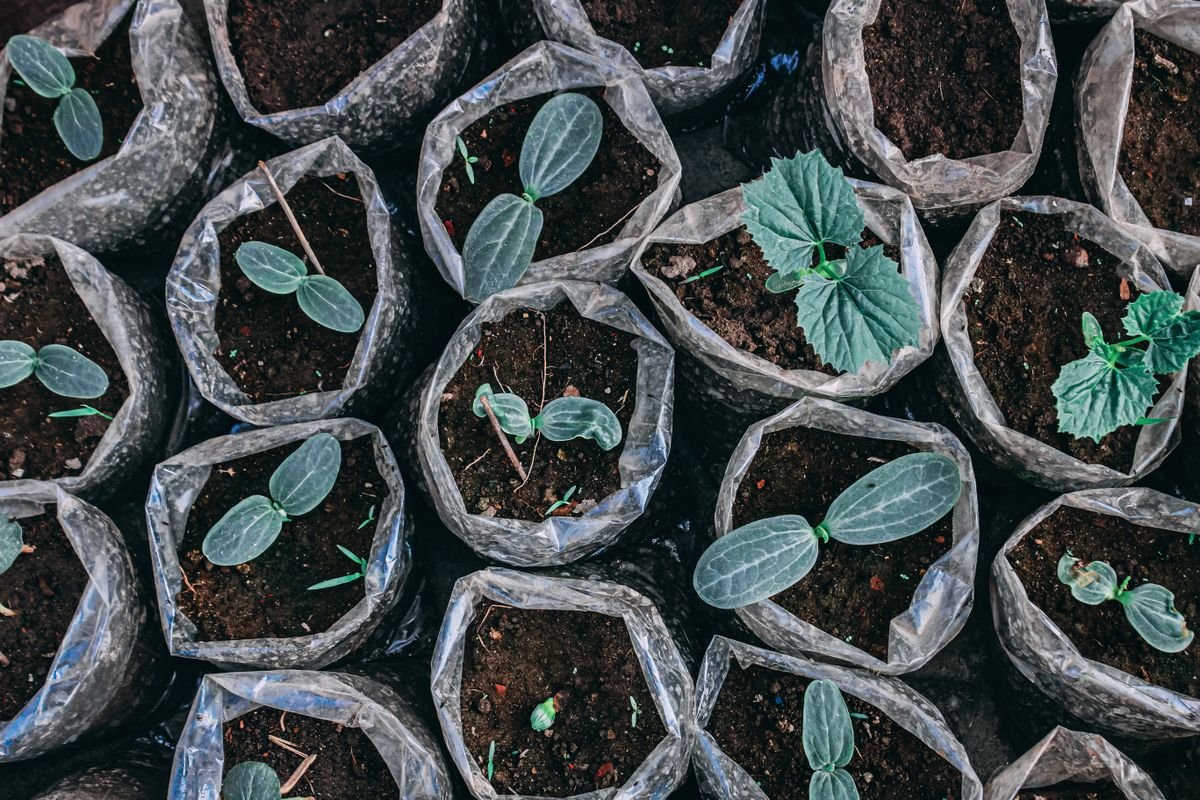
1. Why a Peperomia Humidity Tent Works (VPD)
A severed cutting lives on internal water until roots form. Room air often sits near 40–60% RH — fine for established P. obtusifolia, aggressive for a leafless vascular supply. High VPD pulls vapour through stomata; without roots, turgor collapses.
Inside a sealed bag the air saturates quickly. VPD falls toward zero, transpiration slows, and metabolic energy can go to root initials instead of replacing lost water. That is why Clemson and most soil-propagation protocols cover cuttings with clear plastic out of direct sun.
Water propagation can skip a tent entirely for easy green stems, since the water itself already keeps the cut end from drying out; substrate leaf cuttings and dry winter rooms benefit most from the enclosure (best season). If the parent already has multiple stems at the base, division avoids the whole rooting question, tent included, since it separates already-established growth rather than waiting for new roots.
2. Four Myths That Kill a Peperomia Humidity Tent
Myth 1 — “Set and forget.” Stagnant near-100% RH is a Botrytis incubator. Daily burping is part of the method.
Myth 2 — “Direct sun warms roots faster.” Plastic focuses heat; tissue cooks above ~38 °C. Warmth should be ambient 18–24 °C, not solar oven.
Myth 3 — “The bag can rest on the leaves.” Condensation pools at contact points and starts rot. Stakes create clearance.
Myth 4 — “Yank the bag the day you feel roots.” Abrupt drop from tent RH to dry indoor air shocks new roots. Harden off over several days.
Opinion: An unvented humidity tent is not safer than open air — it trades desiccation risk for fungal risk. Burp or do not bother.
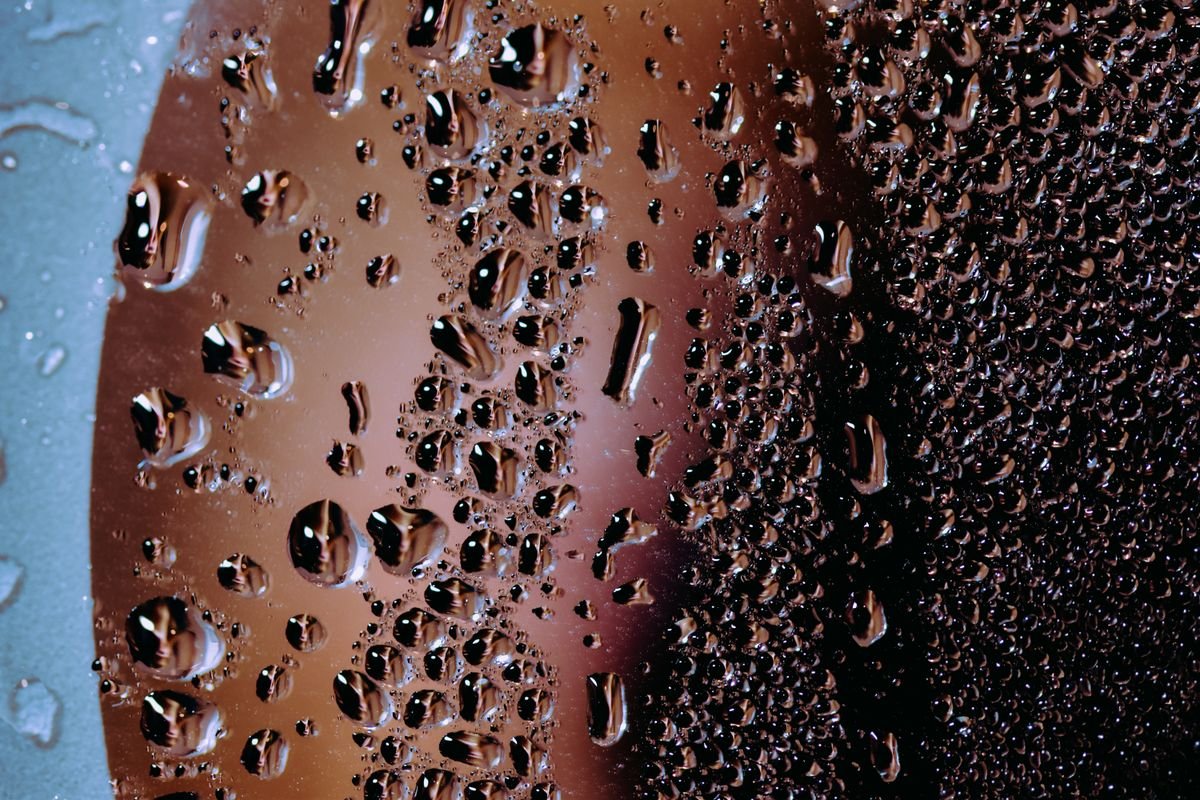
3. Build the Peperomia Humidity Tent in Four Steps
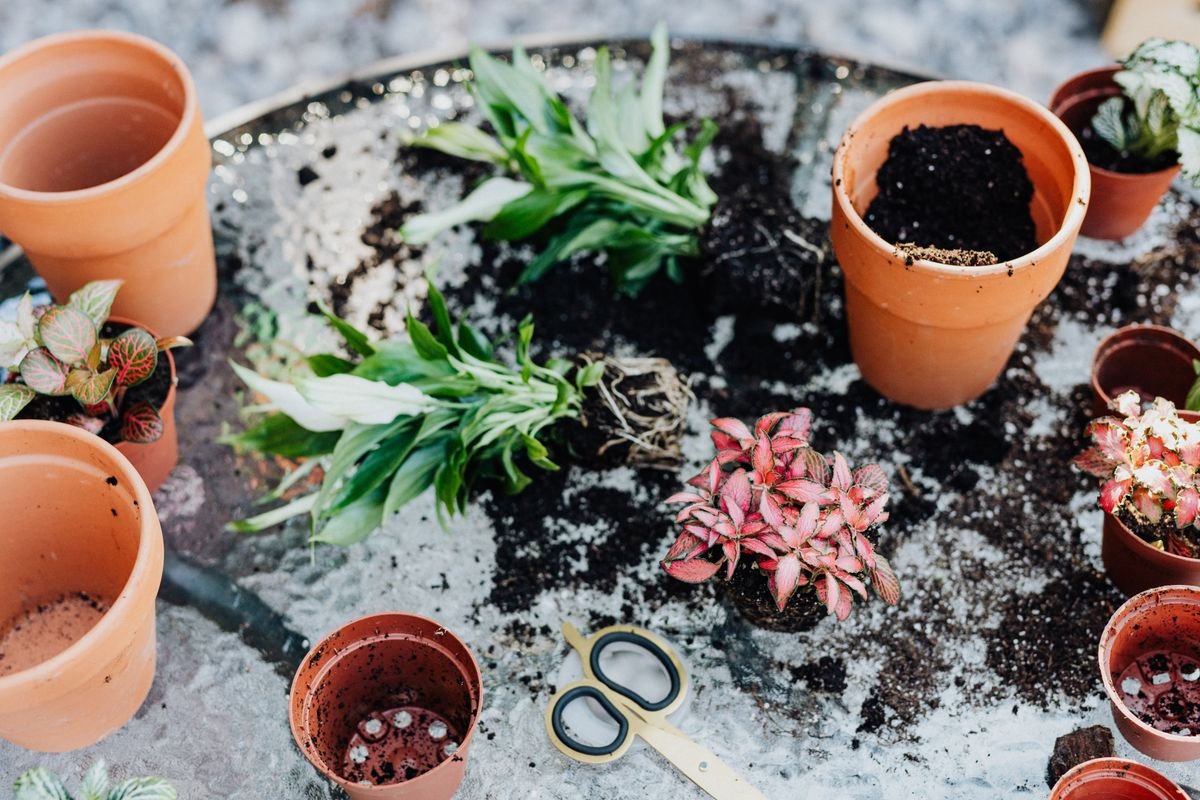
-
Cutting + medium. Use a firm stem cutting with ≥1 node, or a leaf with petiole for all-green forms (variegated cultivars need stem nodes — leaf regenerants revert). Optional brief callus before inserting. Mix: moist, aerated — ≥30% perlite/bark by volume (soil recipe); wrung-sponge wet, not waterlogged.
-
Stakes. Insert 3–4 bamboo skewers or chopsticks around the pot rim as poles.
-
Bag. Invert a clear plastic bag over the stakes. Plastic clears the foliage. A light rubber band at the rim is enough — a hermetic seal is unnecessary.
-
Place. Bright indirect light (2,000–4,000 lux). Never direct sun on the bag.
4. Daily Burp and Condensation Checks
Once daily, lift the bag 10–15 minutes for O₂/CO₂ exchange and to interrupt fungal bloom. Fine fog on the plastic is normal. Running droplets mean the mix is too wet — extend the vent.
| Problem | Likely cause | Fix |
|---|---|---|
| Fuzzy grey mould on leaf/mix | No burping / plastic on leaf | Burp daily; raise stakes; discard mushy tissue |
| Soft black petiole | Waterlogged mix | Vent longer; drier mix next cycle |
| Wilt inside tent | Medium bone-dry or heat spike | Remoisten lightly; move off hot glass |
| No roots at 6+ weeks | Cold mix / wrong season | Raise to ~20–24 °C; see best time |
| Cutting collapses into mush | Rot from the start, not a tent-humidity issue | See the why cuttings rot guide — a tent cannot rescue tissue already rotting |
Other failure modes (wrong node, variegated leaf reversion): why cuttings rot.
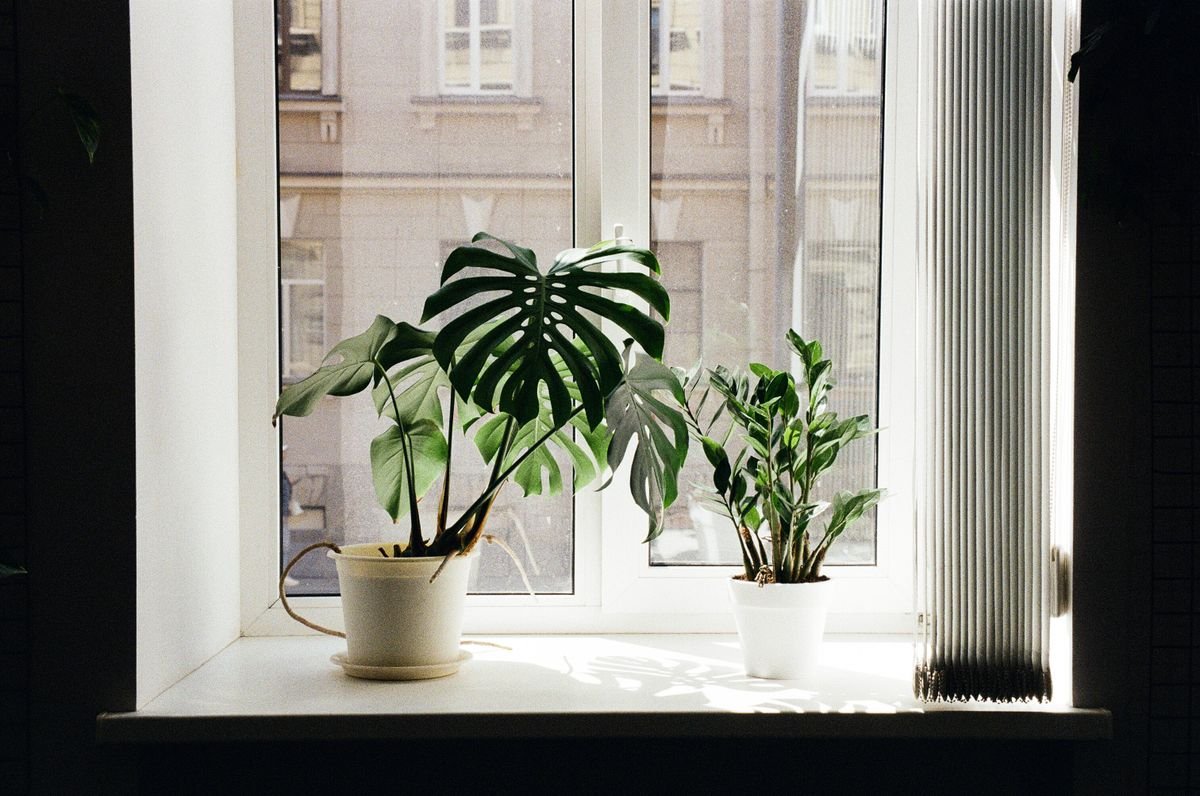
5. Harden Off Before Room Air
When a gentle tug meets resistance or new basal growth appears (usually within a few weeks for stems; leaf cuttings are much slower):
| Days | Action |
|---|---|
| 1–2 | Unseal / crack the bag base |
| 3–4 | Fold bag halfway up the stakes |
| 5 | Remove bag; keep mix slightly moist another 1–2 weeks, then return to top 2–3 cm dry-down |
After harden-off, the plant goes back to normal household humidity — do not keep a mature plant permanently under plastic (humidity guide). Species context: NC State; Missouri Plant Finder.
Conclusion
A peperomia humidity tent is a VPD tool: stakes, clear bag, clearance from leaves, daily burp, shade from direct sun, then staged harden-off. Skip the myths of sealed permanence and solar heat. For how to take the cutting itself, use the propagation method guides; use this page to keep that cutting alive until roots exist.
Care FAQ
Do Peperomia cuttings need high humidity to root?
Unrooted cuttings have no root system to replace water lost through the cuticle. A peperomia humidity tent raises local RH so vapour pressure deficit falls and the cutting stays turgid while adventitious roots form. Mature plants are fine in normal household humidity — the tent is for the rooting window, not lifelong culture.
How long does it take a Peperomia cutting to root in a humidity tent?
Stem cuttings in aerated mix under a tent usually root within a few weeks in warm conditions. Leaf cuttings are much slower to root and can take months to produce a plantlet. Gentle tug resistance or new basal growth is the check — not calendar alone.
How do I prevent mold in my propagation humidity tent?
Burp daily: lift the bag 10–15 minutes so stale air and spores exchange. Keep mix moist like a wrung sponge, not waterlogged. If heavy droplets run down the plastic, vent longer. Plastic must not touch leaves — pooled condensation at contact points invites rot.
Can I put a humidity tent in direct sun?
No. Clear plastic under direct sun acts as a solar oven; internal air can exceed ~38°C within minutes and cook the cutting. Use bright indirect light at about 2,000–4,000 lux at the leaf.
When do I remove the peperomia humidity tent?
After roots or new growth appear, harden off over about five days — crack the seal, then fold the bag up, then remove — rather than stripping it in one step into dry room air.