Mold on Peperomia: Leaves vs Soil Diagnosis
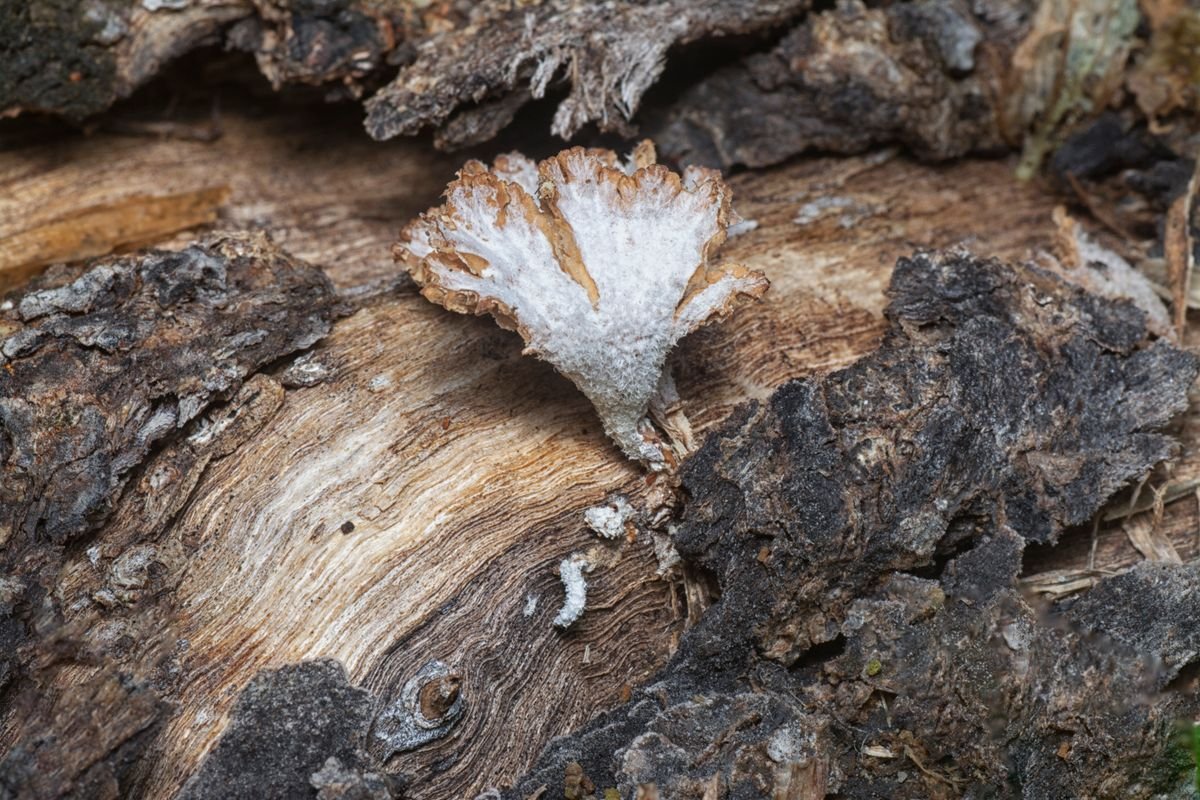
Peperomia mold (UK: mould) is not one organism. Location decides the response: dry flour on living leaves → usually powdery mildew; fuzzy white webbing only on the mix → usually a harmless saprophyte; black film on sticky leaves → sooty mold on honeydew from pests.
The short answer: quarantine and treat foliar powder; scrape and dry saprophytic soil fuzz; wipe sooty film only after killing the insects that feed it. Hard chalk on the rim is salt, not fungus (white crust). Full mildew chemistry lives in the powdery mildew guide.
1. Peperomia Mold: Four Critical Leaf vs Soil Tests
| Test | Leaf powdery mildew | Soil saprophyte | Sooty mold | Salt crust |
|---|---|---|---|---|
| Where | Living leaf/stem | Mix surface only | Leaf surface on sticky film | Mix / pot rim |
| Texture | Dry talc; smears | Cobweb / cotton fluff | Black greasy film | Hard chalk / crystals |
| Plant look | May yellow / distort | Usually healthy foliage | Shaded by film | Tip burn if severe |
| First move | Isolate + foliar programme | Scrape + dry-down | Kill aphids/mealybugs/scale | Flush salts |
Touch test: insects (mealybugs) feel sticky or move; mold does not crawl. Cottony pests: mealybugs.
2. Three Myths About Peperomia Mold
Myth 1 — “Any white fuzz means the plant is dying.” Soil saprophytes lack the enzymes to digest healthy living tissue. They recycle bark and peat fines.
Myth 2 — “Neem the soil and the fuzz is gone.” Foliar oils do not fix a wet-surface ecology. Scrape the top centimetre and let the mix dry.
Myth 3 — “Soil mold and leaf mildew are the same spray job.” Obligate leaf parasites and mix recyclers need different tools. Wrong chemistry wastes days.
Opinion: Surface peperomia mold on soil is a moisture telegraph, not a root infection by default. Correct dry-down; do not treat it like powdery mildew.
3. Mold on Leaves: Powdery Mildew and Sooty Mold
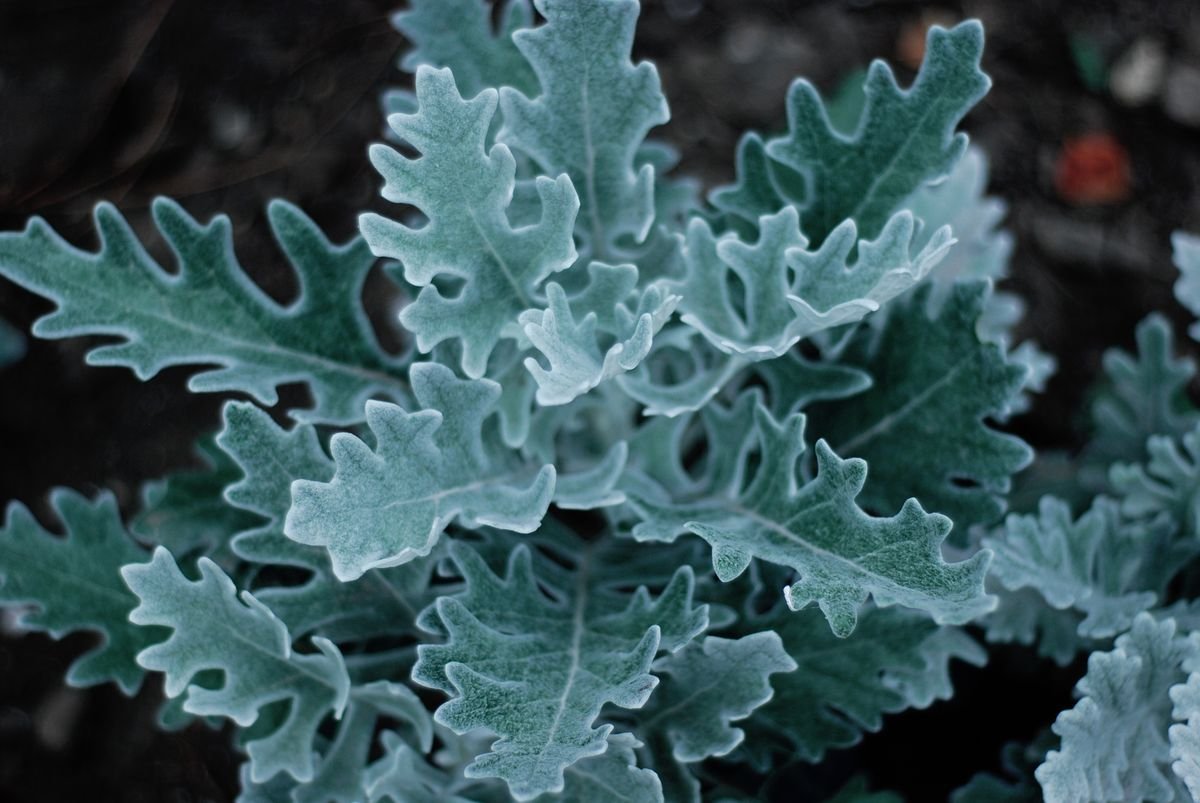
Powdery mildew appears as flour on glossy P. obtusifolia blades and axils where air stalls. It drives haustoria into living epidermis — contagious by spores, favoured by stagnant rooms more than free water on the leaf. Isolate; remove worst leaves; follow the powdery mildew protocol (airflow + correct foliar chemistry). Circular necrotic bullseyes are a different disease class (fungal vs bacterial leaf spot), and dark patches that are not mold at all belong in the black spots guide instead.
Sooty mold is black and greasy on honeydew. It does not invade the leaf; it blocks light until wiped after aphids, scale, or mealybugs are controlled (aphids).
4. Mold on Soil: The Saprophyte Signal
White webs on dark mix with clean leaves = saprophytic bloom on organic fines. Cause: top layer rarely dries — over-frequent water, sealed saucers, dense mix, or low light slowing evaporation (watering; soil recipe). Same wet top layer also favours fungus gnats.
Protocol
- Scrape and bin the top 1–2 cm of fuzzy mix.
- Water only when the top 2–3 cm are dry; empty saucers; add gentle airflow.
- Optional: thin dust of culinary cinnamon (cinnamaldehyde has in vitro antifungal activity) on the surface — secondary to dry-down, not a cure-all.
- If growth is slimy, smells of sulphur, and the crown softens, stop treating it as cosmetic fuzz — unpot and inspect for rot (overwatering rescue).
Hard white grit that will not fluff is salt — leach, do not cinnamon (white crust). Loose white beads in the mix may be perlite, not mold.
5. Preventing Peperomia Mold From Returning
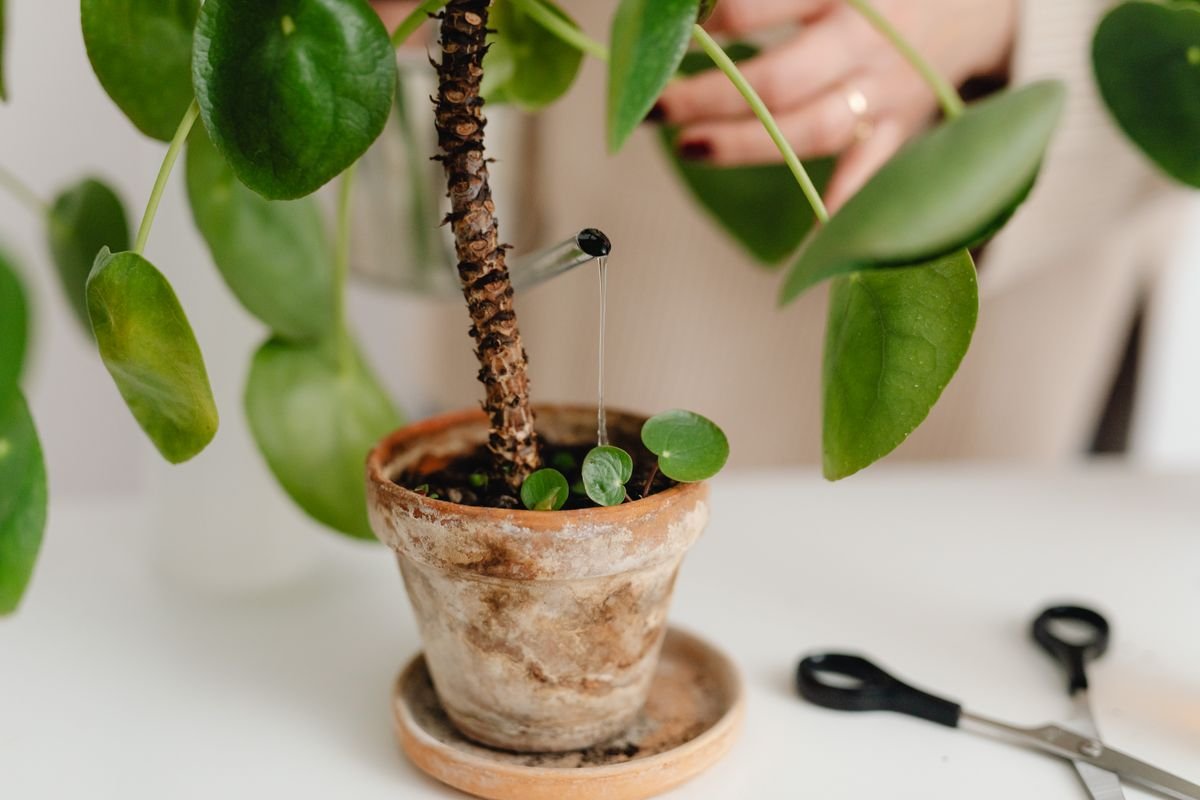
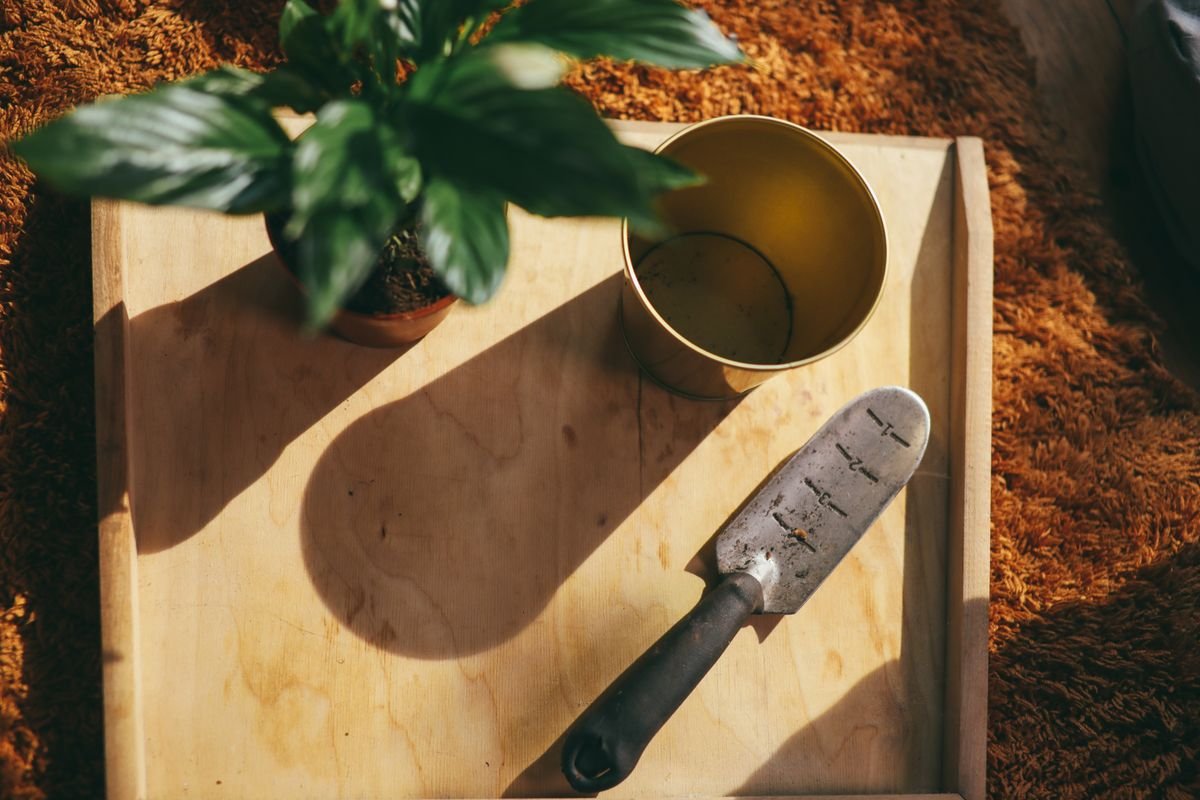
- Prefer an open mix (≥30% aeration) so the surface can dry between irrigations, and choose a pot material that supports that dry-down rather than working against it — unglazed terracotta wicks surface moisture away faster than plastic or glazed ceramic, which matters more once a mold bloom has already appeared.
- Hold room RH near 40–60%; stagnant air above ~75% raises both foliar mildew and surface saprophyte risk.
- Water the substrate, not the canopy; bottom-water if you splash foliage, but still top-flush periodically so salts do not crust.
- Give 2,000–4,000 lux so the pot actually dries — deep shade keeps the top wet for days.
- Quarantine new plants 2–3 weeks and check axils for early mildew before they join the shelf.
Species context: NC State; Missouri Plant Finder. A pot that dries reliably also reduces how often repotting is needed for reasons unrelated to mold — chronically wet mix compacts faster and signals a repot sooner than a well-aerated one does.
Conclusion
Peperomia mold splits cleanly: leaf flour → parasite programme; soil cobweb → scrape and dry; black film → pest honeydew; chalk → salt. Avoid the myths that every white patch is lethal, that neem on dirt replaces dry-down, or that one spray covers leaf and soil alike. Name the surface, then choose the matching fix.
Care FAQ
Is white mold on houseplant soil harmful to the plant?
Usually no. Fuzzy white peperomia mold confined to the potting-mix surface is typically a saprophyte feeding on dead organic matter, not living roots. It signals chronic surface wetness and poor airflow. Slimy, foul-smelling growth with soft crown tissue is a different, rarer problem — treat as urgent pathology, not cosmetic fuzz.
What causes fuzzy white mold on Peperomia soil?
Saprophytic fungi bloom when the top of the mix stays damp in stagnant air — frequent watering, dense peat, covered saucers, or low light that slows dry-down. Fix dry-down (top 2–3 cm dry before watering) and airflow rather than spraying fungicide into the soil.
How do I get rid of white mold on Peperomia leaves?
Leaf flour-dust is usually powdery mildew, an obligate parasite. Isolate, wipe or prune heavily coated leaves, apply a proper foliar programme (e.g. potassium bicarbonate or labelled fungicide), and break stagnant air. Full protocol: powdery mildew guide. Neem on soil will not treat leaf mildew.
Is soil mold the same as powdery mildew?
No. Powdery mildew sits on living leaf and stem surfaces as dry talc that smears. Soil saprophytes form cobwebby or cottony mats on the mix only while foliage stays clean. Location and texture separate them.
How do I tell mold from salt crust on Peperomia soil?
Mold is soft, fuzzy, or web-like and can be lifted. Mineral salt is hard, chalky, or crystalline on the surface or pot rim and scrapes like grit. Salt needs leaching, not fungicide — see the white-crust guide.