
Peperomia Air Purification: Avoid 3 NASA Myths
Peperomia air purification labels claim Peperomia obtusifolia removes indoor toxins. The claim rests on the 1989 NASA Clean Air Study — sealed chambers, not homes. Reanalysis by Cummings & Waring shows potted plants’ VOC removal cannot compete with ordinary building air exchange (PubMed; Nature JESEE article; Phys.org summary).
The short answer: Trace VOC uptake exists; room-scale effect is negligible. Expect on the order of 10–1,000 plants per m² to match typical ventilation CADR — not one pot. Ventilate and control sources; keep the plant for culture and biophilia (non-toxic profile; office placement).
1. Peperomia Air Purification and the NASA Study
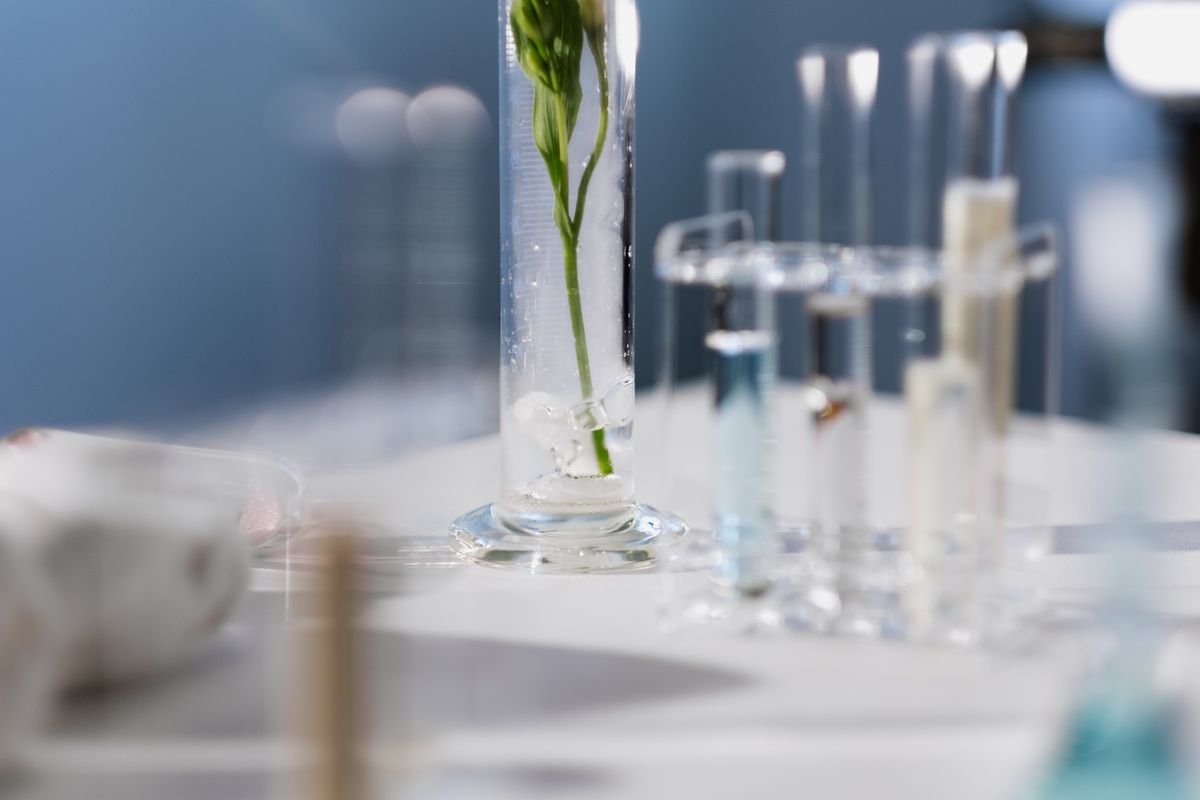
NASA asked how to scrub VOCs in airtight spacecraft volumes, not how to freshen a living room. Classic chamber work (often linked to Wolverton-era NASA testing) placed plants in small sealed boxes, spiked gases such as formaldehyde or benzene at high concentrations, and logged decline over many hours. Plants (and rhizosphere microbes) reduced those spikes under those constraints. That shows biological capacity. It does not show that a windowsill peperomia meaningfully lowers everyday indoor VOCs in a ventilated house (NC State species profile; Missouri Plant Finder).
Marketers skip the scale mismatch: chamber volume ≈ a box; bedroom volume ≈ tens of cubic metres with continuous outdoor air mixing.
2. Three Myths Behind Peperomia Air Purification Claims
Myth 1 — “Chamber results equal bedroom results.” Homes leak and exchange air continuously. Dilution outruns pot-scale uptake.
Myth 2 — “The leaves do all the filtering.” Chamber work often found soil microbes did much of the VOC work. A static nursery pot does not force room air through the rhizosphere the way an engineered biofilter would (active systems that pull air through substrate are a different technology class).
Myth 3 — “One plant replaces a filter or an open window.” Cummings & Waring translated chamber data into clean air delivery rates (CADR). Median single-plant CADR was tiny versus ~1 air change per hour from ordinary buildings — hence the 10–1,000 plants/m² order-of-magnitude estimate to match that exchange.
Opinion: The NASA Clean Air Study does not support everyday “air-purifying houseplant” wellness claims. Honest framing: modest stomatal gas exchange and trace VOC uptake, no measurable replacement for ventilation.
3. Why Room Air Exchange Beats a Single Pot
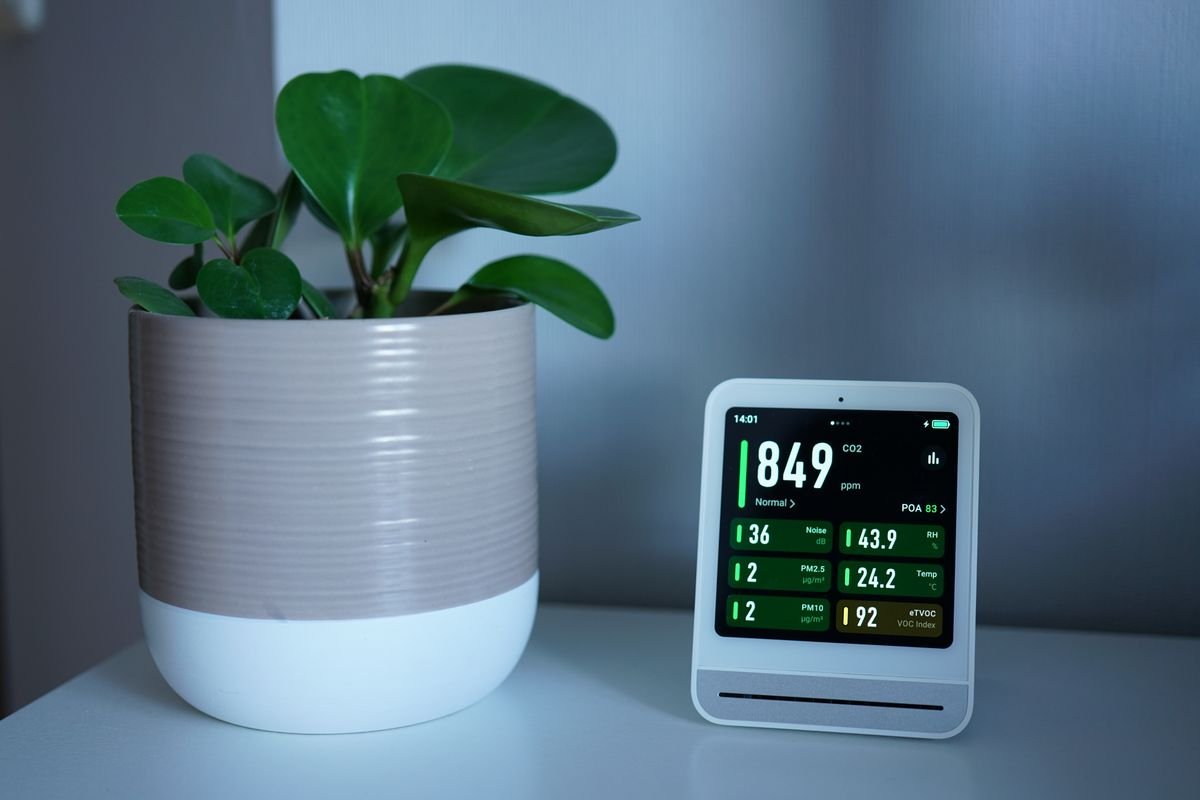
VOC sources indoors (furnishings, cleaners, cooking) are continuous. Outdoor air infiltration and HVAC dilute those concentrations on a timescale of minutes to an hour. A peperomia’s removal rate, scaled from sealed-box experiments, is orders of magnitude slower. Opening a window for a short period typically delivers more “clean air” than a shelf of foliage.
For a rough sense of scale: at 10 plants/m², a 10 m² room already implies ~100 pots packing the floor — still at the low end of the Cummings & Waring band. That is horticulture as dense planting, not décor.
Mechanical filtration targets particles (and some units adsorb gases); that is a different tool class from a plant. This article does not recommend products — only mechanisms: exchange, source control, filtration when needed.
This is a myth P. obtusifolia shares with essentially every houseplant marketed the same way, including genuinely unrelated genera. It is not a Peperomia-specific failing, and it does not distinguish this species from, say, Hoya or Ficus elastica sold under the same "air-purifying" banner — the sealed-chamber-to-living-room scale mismatch applies to any potted plant marketed this way, not to this species uniquely. Confirming you actually have P. obtusifolia in the first place, rather than a mislabelled relative, is a separate question covered in the identification guide.

4. What a Peperomia Actually Does Indoors
| Claim | Room-scale reality |
|---|---|
| Scrubs VOCs like a purifier | Negligible vs ventilation |
| “Oxygenates the room” at night | Species shows CAM-cycling under water stress; it is not a night-time oxygen machine for bedrooms |
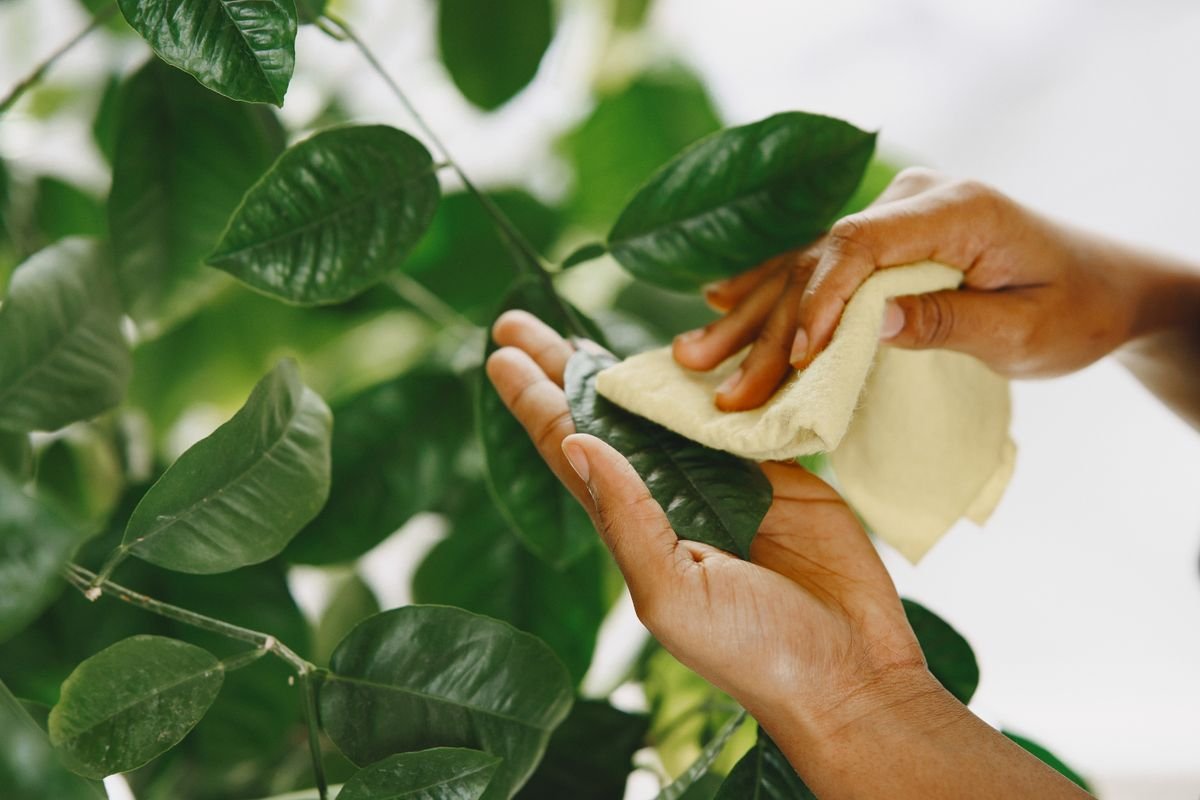
| Dust on leaves | Real surface trapping — wipe regularly (leaf gloss) |
| Raises humidity | Transpiration is real; one plant barely moves room RH — target 40–60% with room-scale methods (humidity; a dedicated humidifier reaches that target reliably where a single pot cannot) |
| Biophilia | Plausible wellbeing from living greenery (biophilia hypothesis) — separate from VOC CADR |
Buy or keep P. obtusifolia for form, ease of care, and pet-safety context — not because a sticker promised toxin removal. Light and placement still follow measured care (shadow test), unrelated to purification myths.
Conclusion
Peperomia air purification marketing mis-scales a sealed-chamber NASA protocol to leaky homes. Cummings & Waring’s CADR review is the corrective: plants remove VOCs too slowly to matter against air exchange. Keep P. obtusifolia for form, care practice, and non-toxicity — and treat indoor air with ventilation and source control, not nursery stickers.
Care FAQ
Are Peperomia plants good for cleaning the air?
Not as a practical air cleaner. Peperomia obtusifolia can take up trace VOCs in sealed chambers, but room air exchange dilutes VOCs far faster than one pot can remove them. Cummings & Waring estimate on the order of 10–1,000 plants per m² to match typical ventilation — not a single nursery plant.
Why do shops label Peperomia as an air purifier?
Marketing recycles the 1989 NASA Clean Air Study, which tested plants in small airtight chambers for spacecraft, not ventilated homes. Chamber VOC loss does not scale to a bedroom with doors, HVAC, and outdoor air leakage.
Do Peperomia leaves collect dust from the air?
Waxy leaves can trap household dust on the surface. That is physical deposition, not VOC scrubbing. Wipe leaves so stomata and light absorption stay clear — see the leaf-gloss care note.
Is the NASA Clean Air Study wrong?
The chamber chemistry was real for those sealed conditions. The error is applying spacecraft-scale results to leaky buildings without accounting for clean air delivery rate (CADR) versus air-exchange rate.
What actually improves indoor air quality?
Source control, outdoor air exchange (open windows or mechanical ventilation), and where needed a sized mechanical filter. A peperomia remains valuable as a non-toxic houseplant, not as an air-handling unit.