
White Mold on Peperomia Soil: Is it Dangerous to Your Plant?
Is white mold on houseplant soil dangerous? No, the fuzzy white mold found on Peperomia soil is almost always a harmless saprophytic fungus that feeds only on dead organic matter. While it will not eat your living plant, its presence is a critical biological warning that your soil is too wet and your air is too stagnant—conditions that will eventually trigger fatal root rot if left uncorrected.
You walk by your Peperomia obtusifolia and notice an alarming sight: the top layer of dark potting soil is covered in a fuzzy, bright white bloom. It looks as if a miniature snowstorm has hit your pot or a cotton ball has been shredded across the surface. For many growers, the immediate reaction is panic, associating mold with disease and decay. However, in the world of soil microbiology, this "white fuzz" is a diagnostic signal rather than a primary threat.
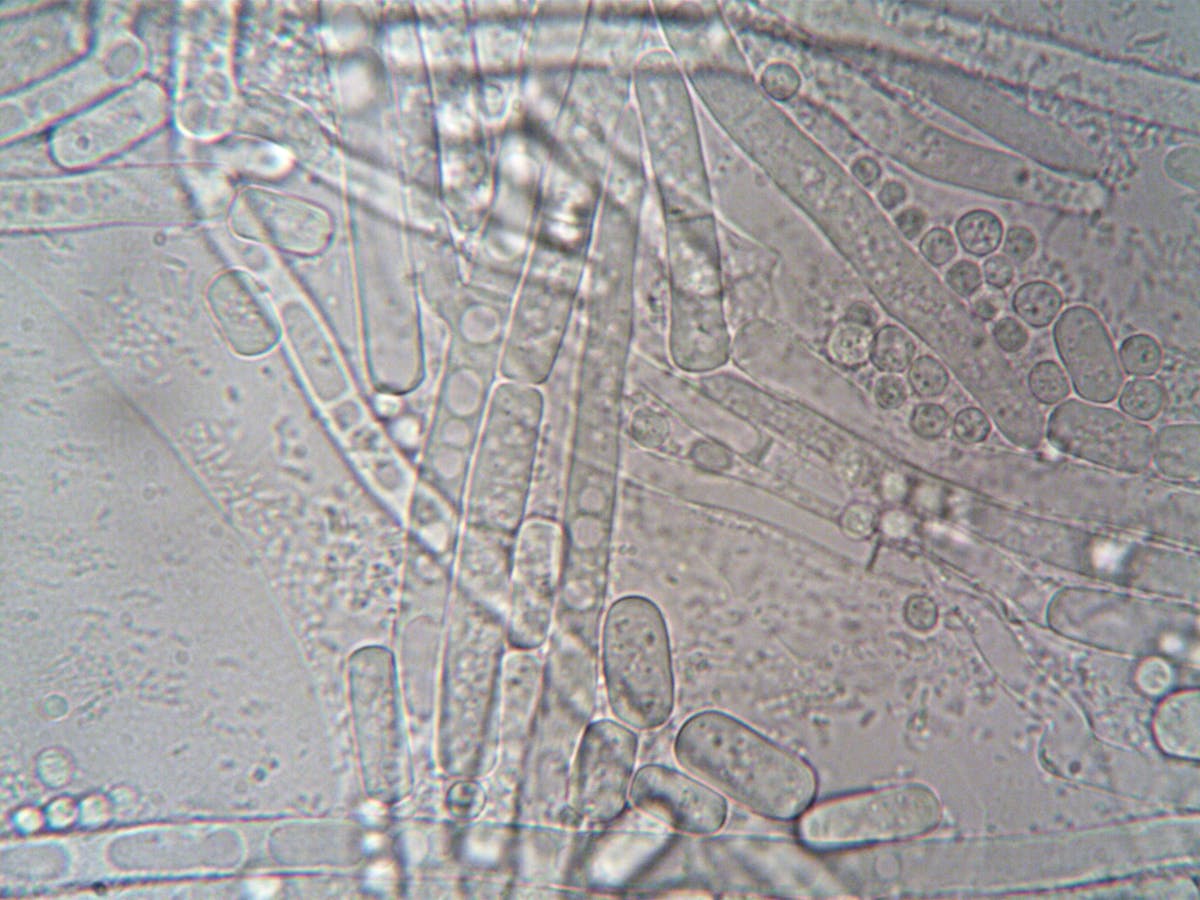
1. The Biology of Saprophytic Fungi: The Cleanup Crew
In 99% of cases, surface mold in container-grown plants is a saprophytic fungus. These organisms are "decomposers" rather than "parasites."
- The Diet: Saprophytes feed exclusively on dead organic matter. They are busy digesting the peat moss, bark chips, and decaying leaf litter in your Aroid soil mix.
- The "No-Eat" Policy: Because they lack the enzymes required to break down living plant tissue, they will not attack your Peperomia’s stems or roots. They are an essential part of the soil ecosystem, recycling complex organic molecules into simple nutrients your plant can eventually absorb.
- The Pathogen Distinction: Unlike the fungi that cause root rot (Pythium or Phytophthora), which operate invisibly beneath the soil surface, saprophytes are opportunistic surface dwellers. They only "bloom" when the environmental conditions—specifically moisture and airflow—are perfectly calibrated for their growth.
2. Why Mold is a "Red Flag" for Your Peperomia
If the mold is harmless, why should you intervene? Because the mold is a biological indicator. It is a neon sign flashing: "The foundation is waterlogged and the air is stagnant."
Peperomia obtusifolia is a semi-succulent with a shallow root system that requires high oxygen levels for aerobic respiration. If the soil surface is wet enough to support a fungal colony, it means the entire soil column is likely saturated.
Furthermore, Peperomia’s low-growing habit means its stems sit in close proximity to the soil line. While the saprophytic mold won't eat the stem, the high humidity trapped beneath the foliage creates a "micro-swamp" that invites secondary bacterial infections and stem rot. The mold isn't the killer; the environment that produced the mold is.
3. Identifying the Intruder: Mold vs. Mineral Crust
Before you treat the pot, ensure you are actually dealing with a fungus. Many growers confuse white mold with Mineral Salt Buildup.
- White Mold: Fuzzy, soft, and three-dimensional. It often disappears if you touch it or stir the soil. It smells "mushroomy" or earthy.
- Mineral Crust: Hard, chalky, and crystal-like. It is a deposit of calcium and magnesium from tap water. It does not smell and feels like sandpaper when rubbed between fingers.
If you have a mineral crust, your solution is a soil flush. If you have mold, your solution is the following remediation protocol.
4. The Remediation Protocol: Scraping and Sanitizing
If you find a fungal bloom, follow this three-step protocol to reset the soil surface and protect your Peperomia.
- Physical Removal: Use a clean spoon to scrape away the top 1 inch of the affected soil. Throw it in the trash outside—do not compost it, as you want to remove the concentrated spore mass from your home.
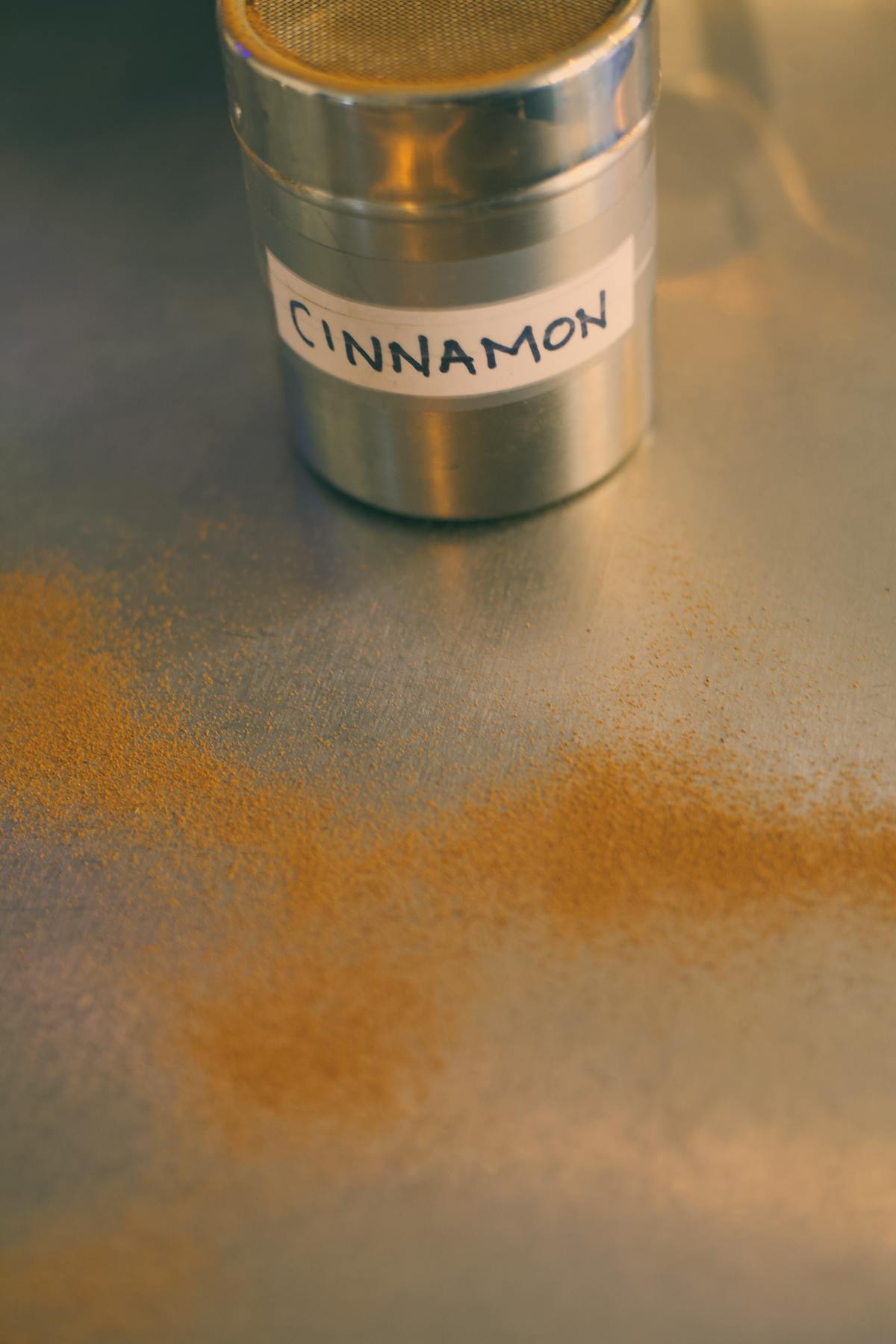
- The Cinnamon Shield: Sprinkle a generous layer of standard household cinnamon powder over the fresh soil surface. Cinnamon contains cinnamaldehyde, a natural antifungal agent that disrupts fungal cell membranes. It acts as a biological "no-fly zone" for spores.
- Tool Sanitization: This is the step most growers miss. After scraping the soil, sanitize your spoon and any nearby gardening tools with 70% isopropyl alcohol. Fungal spores are resilient and can easily be transferred to other pots in your collection.
5. Long-Term Prevention: Airflow and Bottom Watering
Killing the mold is a temporary fix. To prevent a recurrence, you must alter the environmental variables that allowed the fungus to thrive.
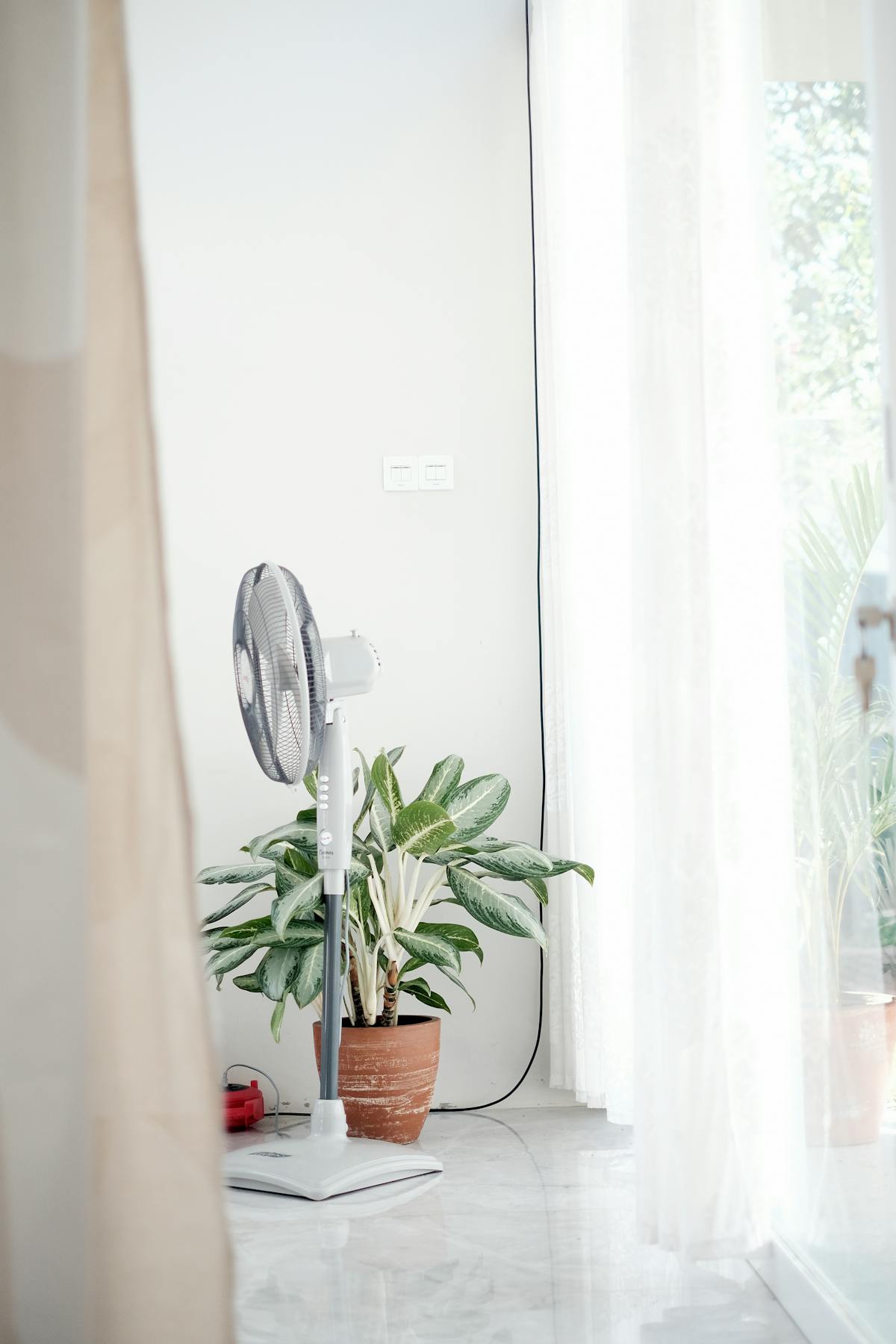
- Increase Airflow: Stagnant air is a fungus’s best friend. Place a small fan in your plant room to create gentle, consistent air movement. This helps the soil surface dry out faster and prevents the buildup of humid "pockets" under the leaves.
- Switch to Bottom Watering: This is the ultimate preventative measure. By placing the pot in a saucer of water and letting it wick upward, you hydrate the root zone while keeping the top 2 cm of soil bone-dry. Fungal spores cannot germinate on a dry substrate surface.
- Audit the Substrate: If your soil takes more than 10 days to dry, it is too dense. A healthy Peperomia mix should be chunky and fast-draining, allowing for the rapid gas exchange that both roots and saprophytes compete for.
Conclusion
White mold is not an infection; it is a symptom of a stagnant environment. It is the earth’s natural cleanup crew thriving in a "swampy" pot. By scraping away the fuzz, applying a cinnamon shield, and—most importantly—correcting your watering habits and airflow, you can send the cleanup crew packing. Treat the mold as a helpful warning from the soil, and your Peperomia obtusifolia will reward you with a long, rot-free life.
Care FAQ
Is white mold on houseplant soil dangerous to humans?
In most cases, no. These are saprophytic fungi that feed on dead organic matter. However, for individuals with severe mold allergies or asthma, the spores can trigger respiratory distress. It is always best to remove surface mold and improve airflow to prevent spore accumulation.
How do I get rid of white mold on my plant soil?
Scrape away the top inch of affected soil, sprinkle the surface with cinnamon powder (a natural fungicide), and immediately improve airflow. Switching to bottom watering will keep the soil surface dry, preventing the mold from returning.
Can I just scrape the mold off my plant soil?
Yes, physical removal is the first step. However, scraping only removes the visible "bloom." To prevent it from returning, you must address the underlying environmental causes: overwatering and stagnant air.
What causes white mold on indoor plant soil?
White mold is caused by a combination of constant moisture, stagnant air, and decaying organic matter in the soil. It is a sign that the substrate is staying wet for too long, often due to overwatering or poor drainage.
Is white mold on soil a sign of overwatering?
Yes. While the mold itself is harmless, its presence indicates that the soil surface remains perpetually damp—a condition that eventually leads to fatal root rot in Peperomia obtusifolia.