
Mealybugs on Peperomia: Stop Them in 4 Weeks
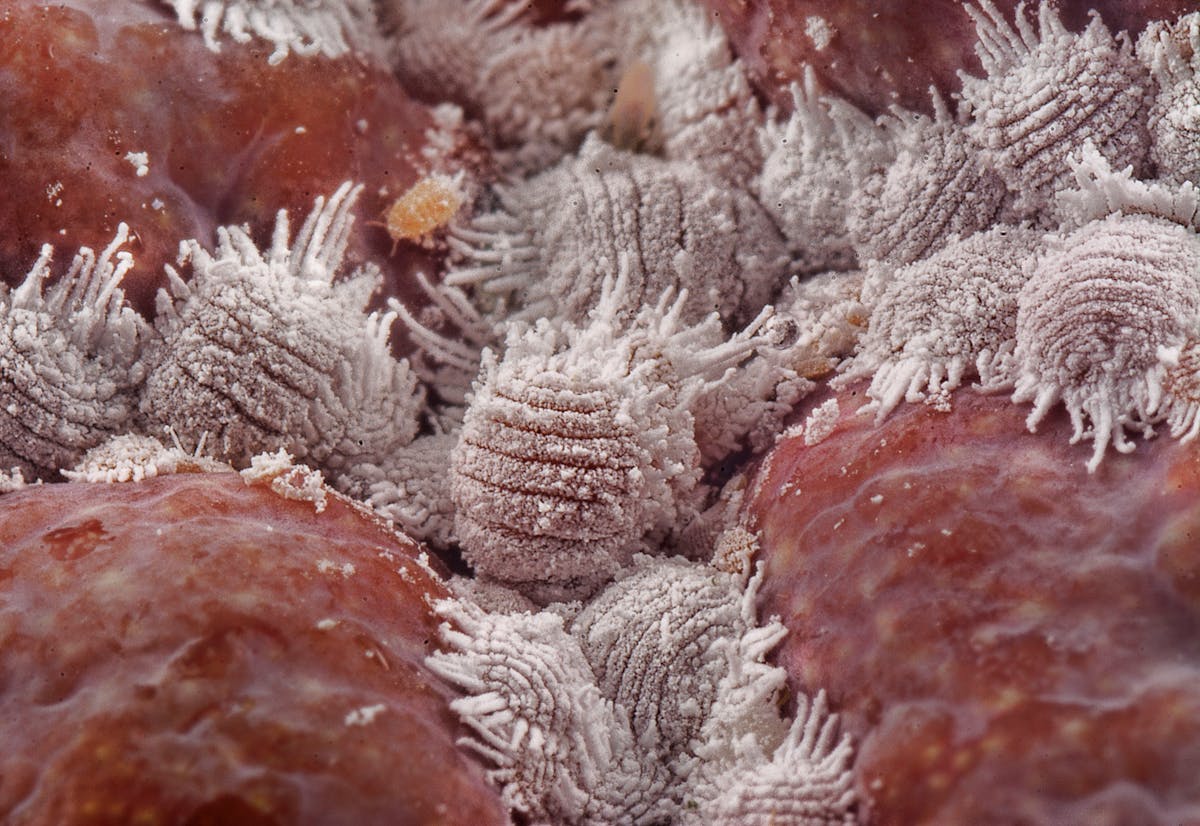
Mealybugs on peperomia (Pseudococcidae on Peperomia obtusifolia) appear as white cottony clusters in leaf axils and nodes. Kill visible insects with 70% isopropyl alcohol swabs plus thorough insecticidal soap (or horticultural/neem oil) coverage, then repeat weekly for at least 4 weeks so hatching crawlers are caught — contact agents do not reliably destroy wax-sealed ovisacs (UC IPM mealybugs; RHS mealybug).
Differential white residue (oedema, mildew, minerals) belongs in the white-spots guide. Spider mites and scale have separate protocols (spider mites; scale). This article is mealybug ID and eradication only.
| Agent | Best target | Limitation |
|---|---|---|
| 70% isopropyl alcohol (swab) | Waxed adults / juveniles | No residual; miss eggs |
| Insecticidal soap / oil | Crawlers + light coverage | Contact only; test phytotoxicity |
| Systemic drench (escalation) | Feeding stages via sap | Optional; follow label; pollinator caution |
1. Mealybugs on Peperomia: How to Identify Them
Primary signs on P. obtusifolia:
- Cottony masses in the V-shaped leaf axils (preferred shelter)
- Clusters at nodes and leaf undersides
- Sticky honeydew on lower leaves; black sooty mould on that film
- Pale, puckered leaves from sustained phloem feeding
- Tiny mobile crawlers (wax-free, yellow–orange) on stems
- Ants farming honeydew on the pot rim
UC IPM notes confusion with cottony cushion scale, woolly aphids, and some soft scales — examine the insect under the wax before committing to a protocol. If the colony lacks the cottony wax coat and instead shows small, soft-bodied insects clustered on new growth, check the aphid guide instead. Houseplant pest overviews also list mealybugs among common soft-bodied axil pests (Clemson: common houseplant insects); for a broader symptom-first triage across all common issues on this species, see the problems guide.
On glossy obtusifolia leaves, colonies often start as a single axil tuft and spread downward along the stem before the canopy looks “dusted.” Early detection at one node is far cheaper than a multi-stem outbreak. Check every axil on a plant before deciding it is clean — a single missed cluster tucked against the stem is enough to repopulate the whole canopy once treatment stops.
2. Why Water Alone Fails: Wax and Ovisacs
The white coat is hydrophobic wax (long-chain fatty acid esters). Water and weak dish-soap sprays often bead off. 70% isopropyl balances solvency and dwell time better than anhydrous alcohol for dissolving that coat on contact. Insecticidal soap (potassium salts of fatty acids) and oils suppress crawlers and lightly waxed stages by contact; neither leaves lasting residue once dry.
Opinion: Contact-only “one-and-done” sprays fail because ovisacs protect eggs. Adults are the visible fraction; the hatch window drives the 4-week schedule.
Female mealybugs typically deposit large egg batches in cottony sacs (species vary; longtailed mealybug is an exception that retains eggs). At indoor temperatures, plan on a ~28-day treatment horizon so every crawler flush meets a treated surface.
Do not confuse alcohol’s instant kill of dabbed adults with eradication. Within a week of a clean-looking plant, newly hatched crawlers can recolonise the same axils if you stopped spraying.
3. Stop Mealybugs on Peperomia in 4 Weeks: Protocol
- Isolate immediately. Crawlers move pot-to-pot and on tools.
- Manual kill. Dab each colony with a cotton swab soaked in 70% isopropyl alcohol. Prefer swabs over wholesale alcohol drench on thick glossy leaves; test one leaf 24 hours first.
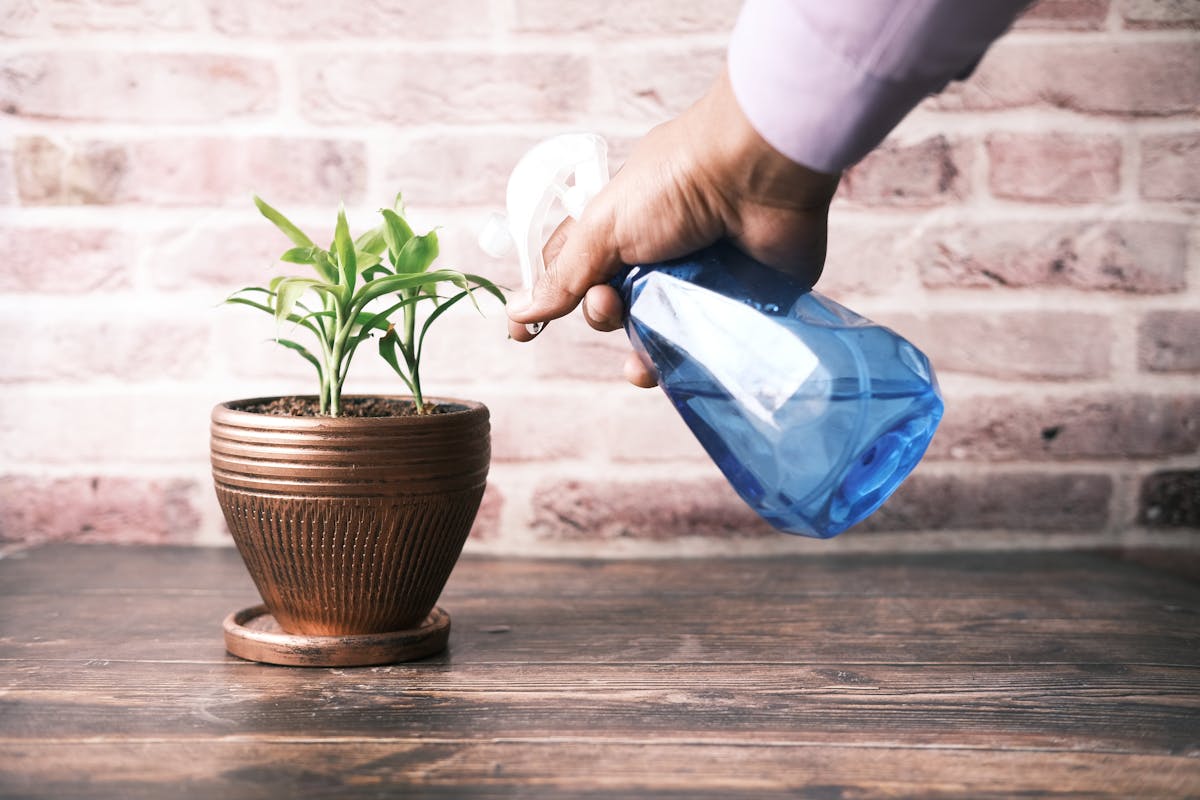
- Full-coverage contact spray. Apply labelled insecticidal soap or horticultural/neem oil to stems, undersides, and axils until wet (not dripping into chronically soggy mix).
- Repeat weekly for 4 weeks with no skipped week. Inspect axils with a hand lens between rounds.
- Escalate only if needed. If colonies rebound after a full contact cycle, consider a label-rate systemic houseplant product (imidacloprid or similar where legal) as soil treatment — UC IPM treats neonics as limited tools with natural-enemy/pollinator concerns, not automatic week-one chemicals. Azadirachtin drenches are a slower moulting-disruption alternative.
- Discard severely infested, collapsing specimens rather than endless pesticide cycles (UC IPM guidance for hopeless indoor cases).
| Week | Action |
|---|---|
| 1 | Isolate + alcohol swabs + soap/oil spray |
| 2 | Soap/oil + axil inspection |
| 3 | Alcohol on any new colonies + soap/oil |
| 4 | Final spray + confirm no crawlers; continue watch 2 more weeks |
During treatment, keep the plant out of harsh direct sun while foliage is wet with soap or oil — wet cuticle plus high light raises burn risk. Resume normal dry-down watering; do not leave the mix swampy under the guise of “pest stress care.”
Yellowing from sap drain often lags (yellow leaves); new clean growth is the recovery signal. Sooty mould growing on honeydew can superficially resemble the white bloom of powdery mildew at a glance — mould on honeydew wipes away to reveal sticky residue underneath, while powdery mildew's white coating is dry and grows directly from the leaf tissue itself.
4. Extra: Root Mealybugs and Prevention
Root mealybugs (Rhizoecus and allies) stay below the soil line. Clues: wilt or stall with moist substrate and clean foliage; white cottony patches on roots at unpotting.
- Unpot; rinse roots under running water.
- Discard all old media and scrub the pot (or replace it).
- Optional contact oxidiser: dilute 3% hydrogen peroxide 1:4 with water as a brief root-zone rinse where you accept the practice — then drain well.
- Repot into fresh free-draining mix; continue aerial monitoring; escalate to labelled systemic only if colonies persist.
Prevention: Quarantine new plants 14 days; keep pot rims from touching; weekly axil checks; clean tools with 70% alcohol; avoid chronic root stress from waterlogged mix (root oxygen). The same 14-day quarantine window also catches thrips, which similarly arrive on new stock and only become visible on the newest growth several weeks in — one inspection routine covers both.
Conclusion
Mealybugs on peperomia are controlled by matching biology: dissolve wax on contact, cover crawlers weekly for 4 weeks, and treat sealed eggs as the reason one spray never finishes the job. Use systemic chemistry as escalation, not theatre. Persistence across the hatch window — not a stronger single dose — is what ends the colony.
Care FAQ
What do mealybugs look like on Peperomia obtusifolia?
Small (about 2–3 mm) white cottony or powdery clusters in V-shaped leaf axils, at stem nodes, and on leaf undersides. Sticky honeydew, sooty mould, and ants on the pot rim are secondary signs. Confirm an insect body under the wax before treating.
Does rubbing alcohol kill mealybugs instantly?
70% isopropyl alcohol kills contacted adults and juveniles by dissolving wax and desiccating soft bodies. It has no residual activity and does not reliably destroy sealed ovisacs, so weekly repeats for about 4 weeks are required. Test one leaf 24 hours first for phytotoxicity.
Why do mealybugs keep coming back after treatment?
Contact sprays miss eggs in wax-sealed ovisacs. Eggs hatch days later as crawlers on a clean plant surface. Stopping when adults disappear is the usual failure point — continue the full multi-week cycle.
Can mealybugs hide in the soil?
Yes. Root mealybugs (e.g. Rhizoecus spp.) feed on roots. Suspect them when the plant wilts with moist substrate and no aerial colonies. Unpot, wash roots, discard old media, and treat before repotting.
How long does eradication take?
Plan at least 28 days of weekly contact treatment at typical indoor temperatures so every crawler flush is hit. Severe or root infestations may need longer monitoring after the visible colony collapses.
Do I need imidacloprid for mealybugs on Peperomia?
Not as first-line. UC IPM prioritises alcohol spot treatment, soaps/oils, and cultural control; systemic neonics are optional escalation for stubborn indoor cases and are less reliable than many assume. Prefer label-rate products only when contact cycles fail.
Can I use neem oil on Peperomia mealybugs?
Yes as a contact/foliar or drench option where labelled. Azadirachtin mainly disrupts moulting in juveniles. Emulsify properly, test for leaf burn, and still repeat on a weekly schedule through the hatch window.