
The 10 Most Photogenic Peperomia Varieties: A Botanical Ranking
In the digital ecosystem of modern horticulture, a plant's visual "authority" is determined by its architectural symmetry and color complexity. Peperomia obtusifolia and its close relatives offer a diverse palette of textures that are biologically optimized for high-contrast photography. From the specular highlights of the waxy adaxial cuticle to the complex venation patterns of the Peperomia argyreia, these plants represent a masterclass in botanical aesthetics. This guide ranks the top 10 varieties based on three scientific criteria: leaf architecture, pigment distribution (anthocyanins and carotenoids), and light-reflection physics.
Understanding the science behind why a plant looks "good" allows you to style your space with botanical precision, ensuring your lighting and placement highlight the plant's true genetic potential.
1. Peperomia argyreia (Watermelon Peperomia)
The undisputed star of the genus. Its leaves feature a peltate attachment (the stem connects to the center of the leaf), which creates a shield-like geometry. The silver stripes are actually zones of air-filled tissue beneath the epidermis that reflect light differently than the green, chlorophyll-rich veins, creating a high-contrast pattern that is exceptionally sharp on camera.
2. Peperomia obtusifolia 'Golden Gate'
This variety showcases chimeral variegation, where two genetically distinct tissues grow side-by-side. The random "marbling" of cream, lime, and deep green creates a high dynamic range in photographs. To maintain this "Instagrammable" look, it requires higher light intensities than solid green varieties.
3. Peperomia polybotrya 'Raindrop'
Prized for its teardrop-shaped leaves, the 'Raindrop' is the minimalist’s choice. The deep green, glossy surface is a result of a high density of chlorophyll-a and a thick protective wax layer. This surface produces sharp specular highlights, making the plant look perpetually "wet" and vibrant.
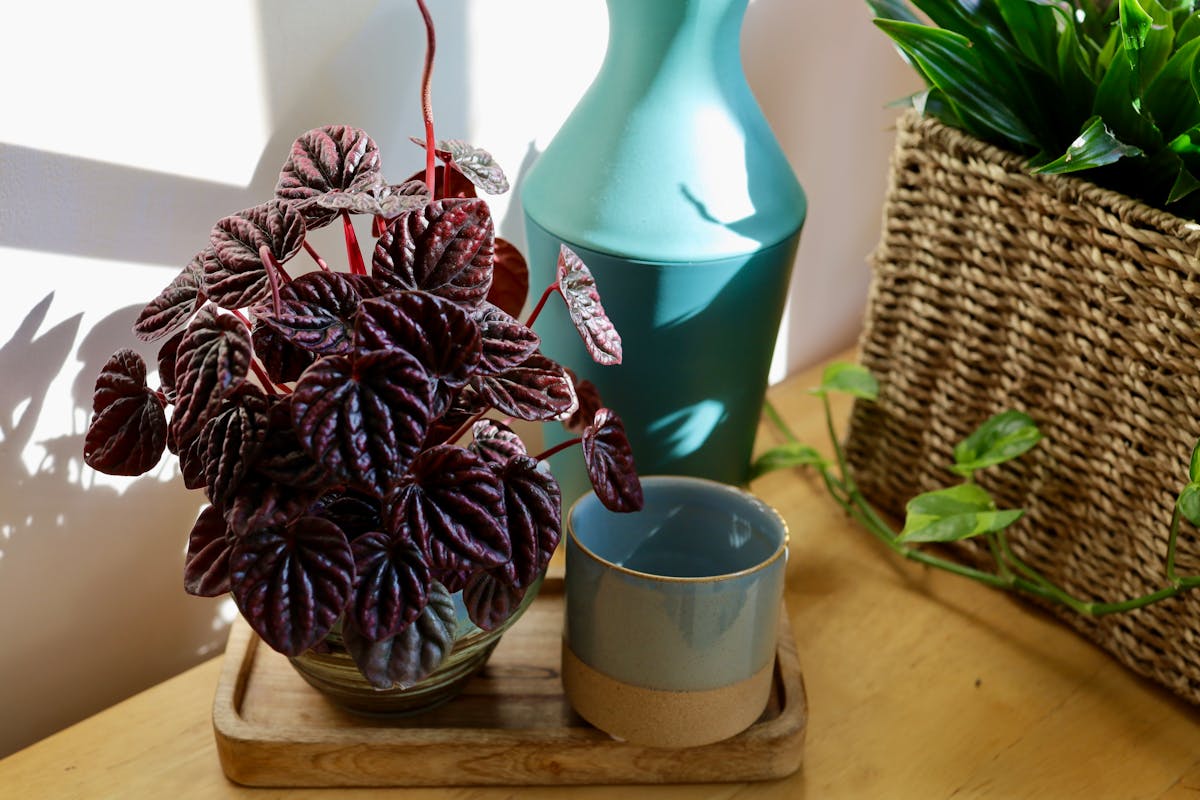
4. Peperomia caperata 'Red Luna'
This variety leverages anthocyanins—pigments that produce deep red and purple hues. The "rippled" texture of the caperata species increases the total surface area for light to hit, creating dramatic shadows and highlights that add three-dimensional depth to any plant shelfie.
5. Peperomia obtusifolia 'Red Edge'
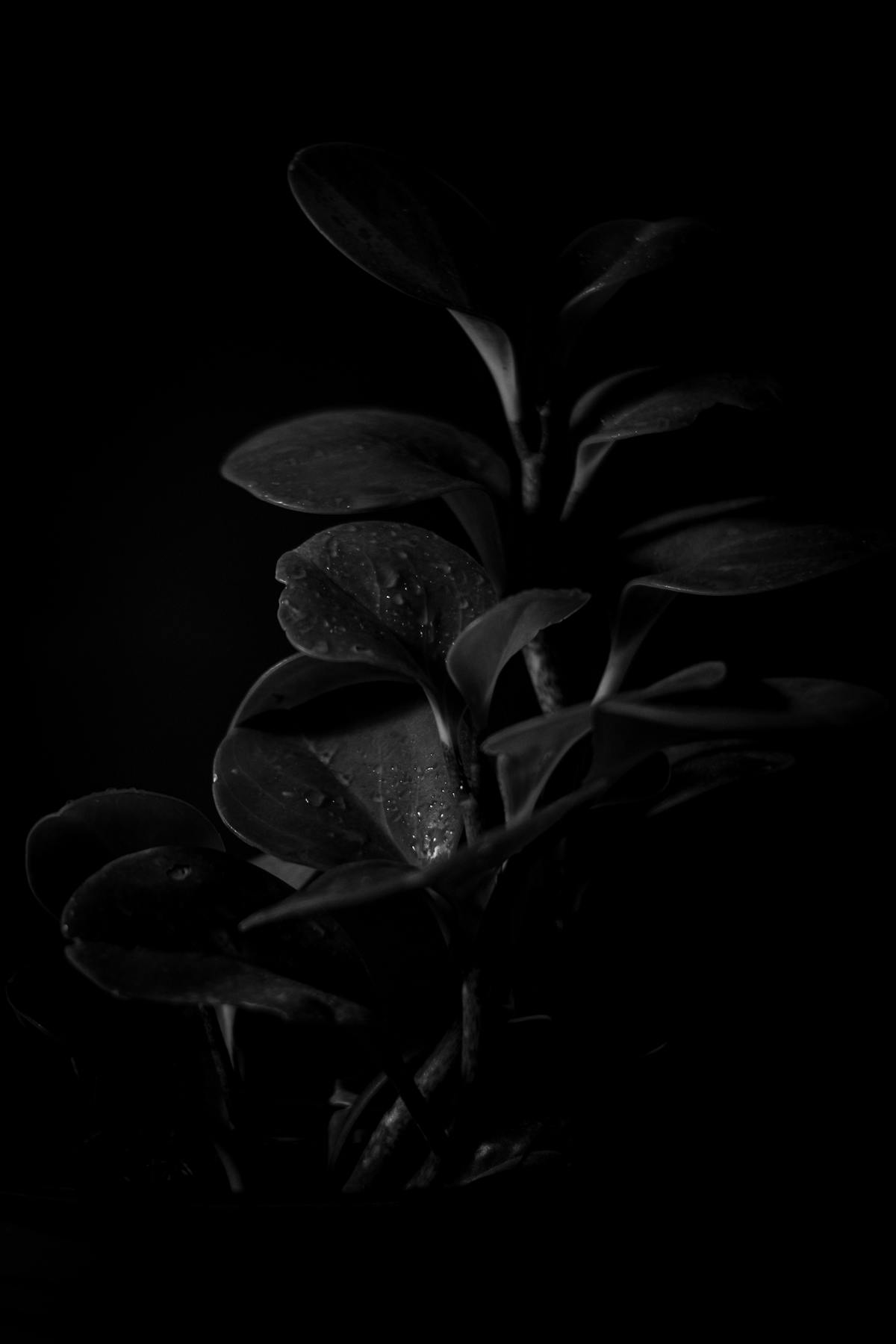
A subtle but powerful variety. The margins of the leaves contain concentrated anthocyanins, creating a thin red line that defines the leaf's silhouette. This "outlining" effect makes the 'Red Edge' pop against neutral backgrounds, a favorite technique in professional interior landscaping.
6. Peperomia prostrata (String of Turtles)
A trailing species that offers a completely different architectural vibe. The tiny, succulent leaves feature intricate "shell" patterns. When photographed with a macro lens, the complexity of these 1cm leaves rivals that of much larger plants.
7. Peperomia hope (P. deppeana × quadrifolia)
A hybrid variety known for its perfect circular leaves and thick, succulent stems. The mathematical symmetry of its growth habit (arranged in whorls of four) appeals to the human eye's preference for geometric patterns, making it a "stable" anchor in complex plant arrangements.
8. Peperomia metallica
As the name suggests, this variety has a metallic, copper-green sheen. This is not due to actual metal, but to structural coloration—the microscopic arrangement of leaf cells that causes light interference, resulting in a shimmering effect that changes as the camera moves.
9. Peperomia albovittata 'Piccolo Banda'
Similar to the Watermelon but with a more compact habit and deeper, silver-blue tones. The contrast between the dark purple stems and the silver leaves provides a sophisticated color palette that works well in "Dark Academia" style home decor.
10. Peperomia obtusifolia 'Marble'
A variation of the 'Jade' that features fine, white speckling. This "high-frequency" variegation creates a soft, textured look in photos, acting almost like a botanical "filter" that softens the visual weight of the plant's thick stems.
6. Authoritative Insights
According to the International Aroid Society (IAS), the diversity of the Peperomia genus is largely driven by its adaptation to micro-climates, resulting in the vast array of textures and colors we see today. The Royal Botanic Gardens, Kew, maintains records for over 1,500 species of Peperomia, highlighting its status as one of the most evolutionarily diverse genera in the Piperaceae family.
Conclusion
Photogenic appeal is more than just "looking good"—it is the result of pigment chemistry, leaf geometry, and surface physics. By selecting varieties like the Watermelon for its peltate architecture or the Red Luna for its anthocyanin depth, you are building a collection that is as scientifically fascinating as it is visually stunning. Style your Peperomias with intention, and watch your indoor garden become a botanical masterpiece.
Care FAQ
Which Peperomia is the most photogenic?
While subjective, Peperomia argyreia (Watermelon Peperomia) is widely considered the most photogenic due to its high-contrast silver and green venation and unique peltate leaf attachment.
Why do Peperomia leaves look so glossy in photos?
Peperomias possess a thick, waxy cuticle (the adaxial epidermis) designed to reduce transpiration. In photography, this surface creates specular highlights, reflecting light in a way that emphasizes the leaf's three- dimensional curvature and turgidity.
What causes the red edges in some Peperomia varieties?
The red coloration is caused by anthocyanins—water-soluble vacuolar pigments. These pigments protect the plant's photosynthetic machinery from UV damage and create a striking aesthetic contrast in varieties like P. obtusifolia 'Red Edge.'
Does variegation affect how a plant looks on camera?
Yes. Variegation (specifically chimeral variegation) creates high- frequency visual patterns that draw the viewer's eye. On camera, variegated sections (white or yellow) reflect more light than green sections, creating a dynamic range that adds depth to a photograph.