
Peperomia Lux Foot Candles: 3 Critical Meter Rules
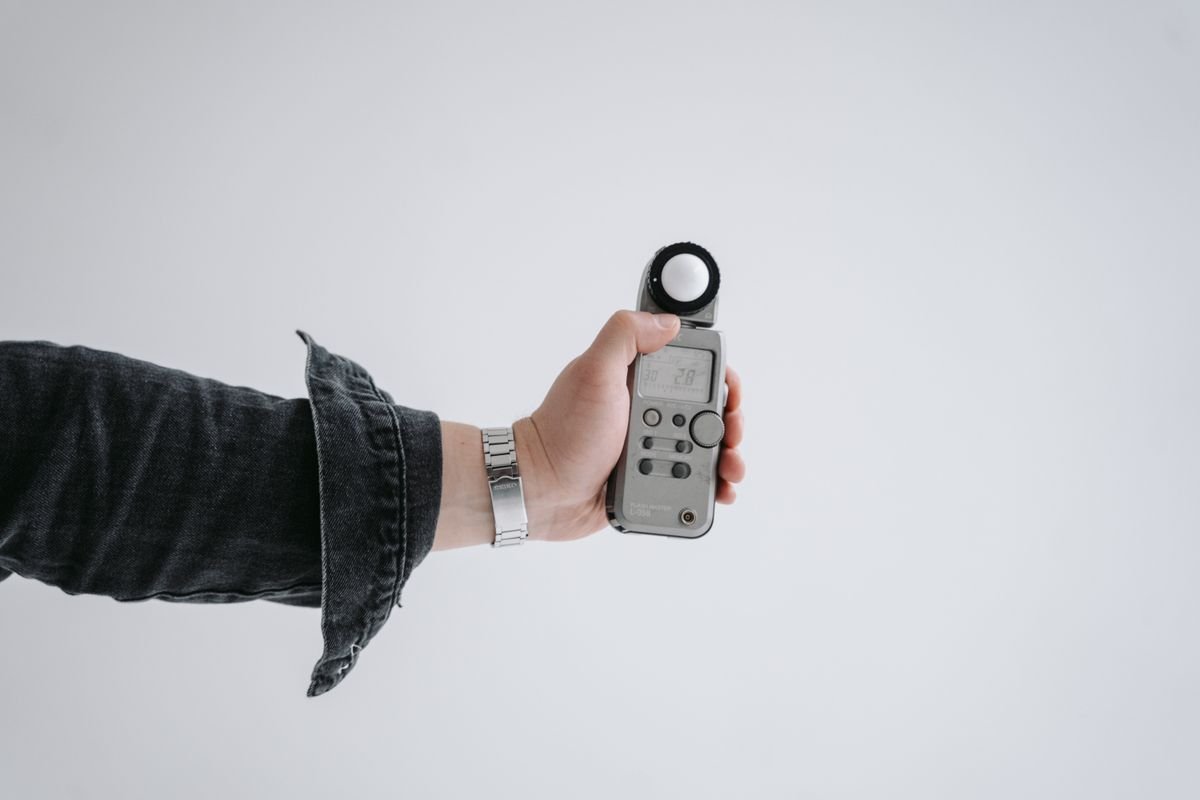
Peperomia lux foot candles are how you replace “bright indirect” with a number. For Peperomia obtusifolia, hold a lux or FC meter (or a careful phone app) at the leaf and aim for about 2,000–4,000 lux (≈185–370 fc). Eyes adapt; meters do not (lux; foot-candle; species context: NC State; Missouri).
Biology and window strategy live in light requirements and filtered vs indirect. This article is how to measure.
| Factor | Optimum / protocol | Risk threshold |
|---|---|---|
| Leaf illuminance | 2,000–4,000 lux (~185–370 fc) | <800 lux → etiolation risk |
| Survival band | ~800–1,000 lux | Growth stalls |
| Scorch (unfiltered) | Avoid hot direct glass | >~40,000 lux |
| Sensor position | At top leaf, toward source | Floor / far wall readings |
1. Peperomia Lux Foot Candles: Units and Conversion
Lux (lx) is the SI illuminance unit (lumens per square metre). Foot-candles (fc) are the imperial cousin (lumens per square foot).
- 1 fc ≈ 10.76 lx
- Practical plant math: lux ÷ 10 ≈ fc (or fc × 10 ≈ lux)
Both describe how bright the surface looks to a human-weighted sensor, not a full PAR spectrum. That is still enough to map windows and catch chronic shade. For LED shelves, intensity in µmol·m⁻²·s⁻¹ (PPFD) is the better grow-light language (grow lights).
Opinion: “Bright indirect light” without a lux number is unactionable. The same phrase can mean 500 lux or 5,000 lux indoors.
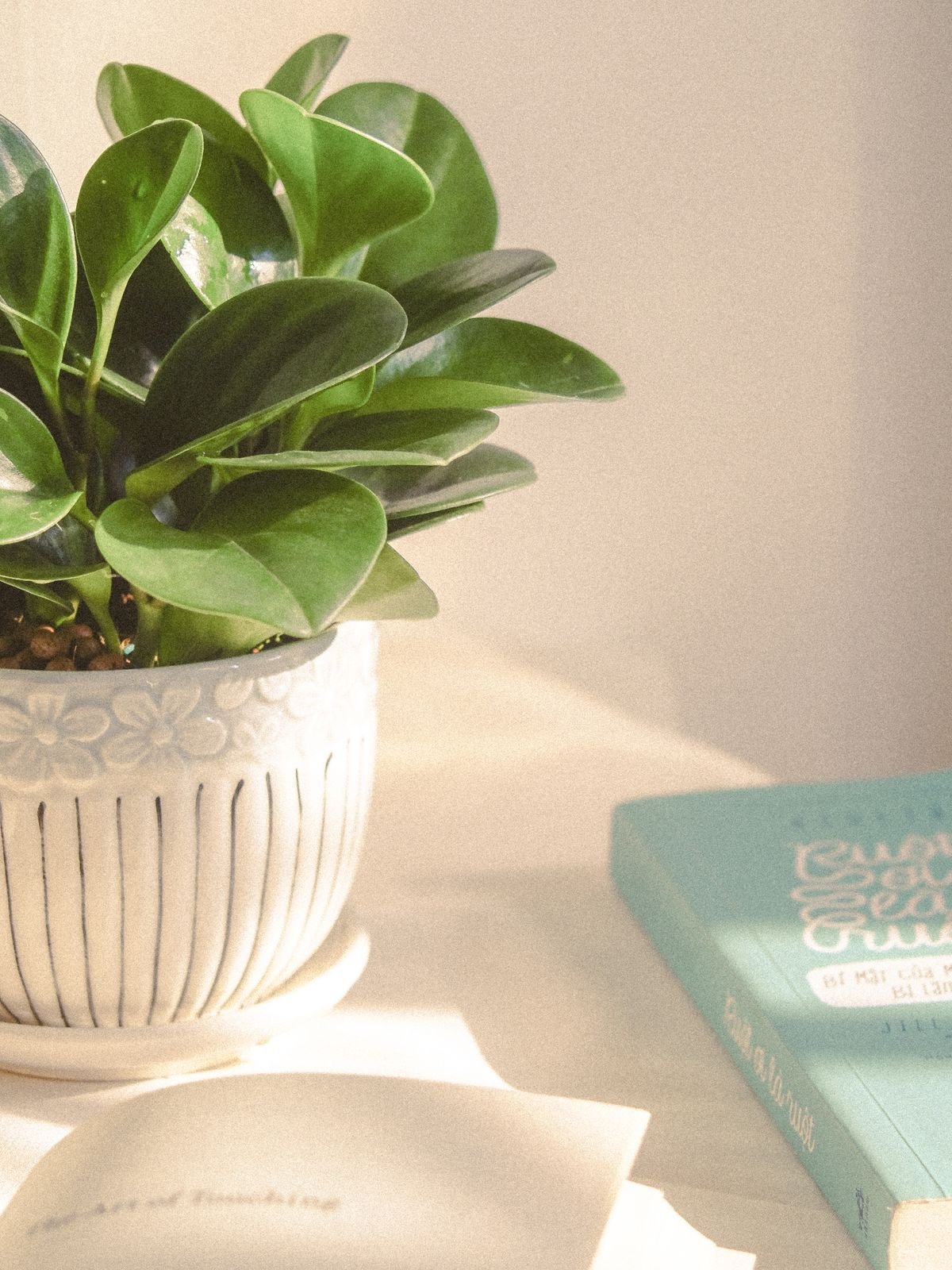
Site targets for green P. obtusifolia: 2,000–4,000 lux. Variegates often need the upper band / roughly 30–40% more usable light to reduce reversion pressure (increase variegation).
2. Three Critical Meter Rules for Peperomia Lux Foot Candles
Rule 1 — Measure where the leaf lives. Place the white dome (or phone sensor per app instructions) on or just above the upper canopy, aimed at the window or lamp. A reading on the floor 1 m back describes the carpet, not the plant.
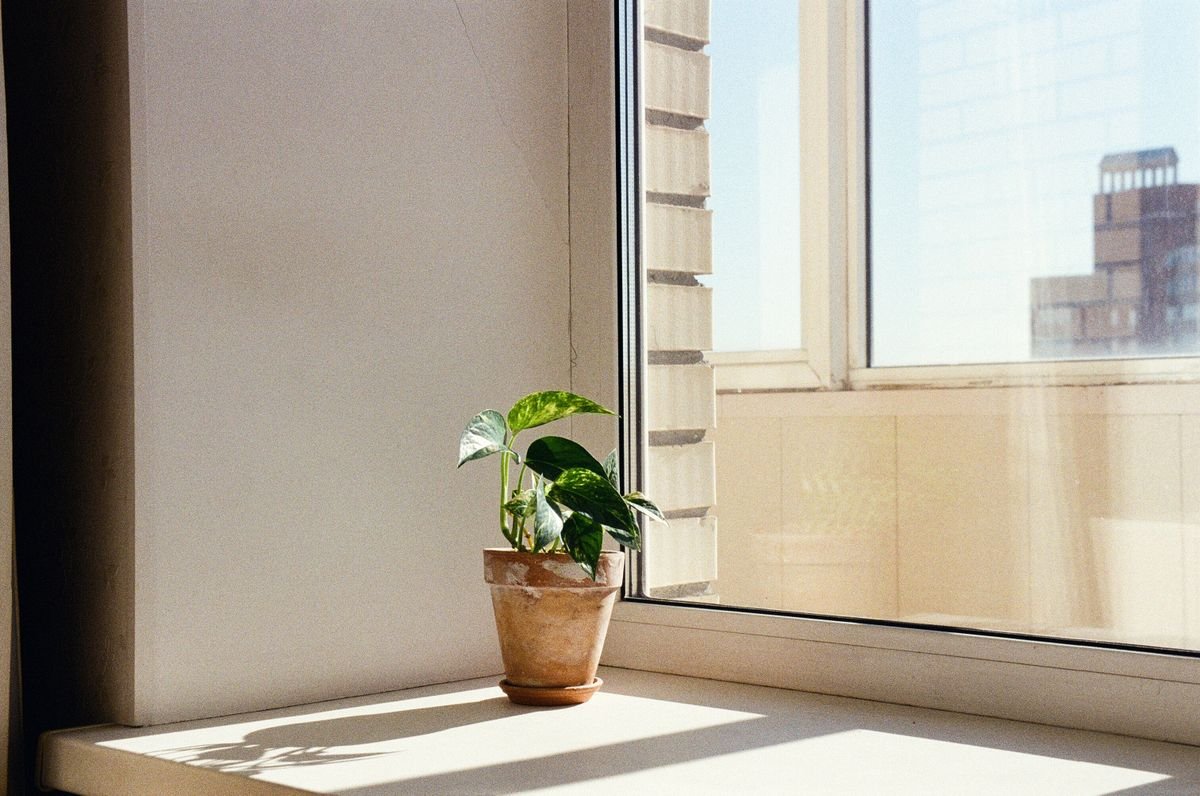
Rule 2 — Respect the inverse-square drop. Illuminance falls roughly with the square of distance from a compact source (inverse-square law). Doubling distance from a window hotspot can slash intensity far more than “half.” Walk the meter out in 30–50 cm steps; many “bright rooms” die below 1,000 lux within a couple of metres.
Rule 3 — Sample time and season. Take morning, midday, and late-afternoon reads on a clear day; recheck in winter when solar altitude and day length crash. Peak noon lux with a six-hour dark afternoon is not the same daily dose as a steady east window — duration matters as much as a single spike (MSU on measuring light / DLI concepts).
3. Phone Apps vs Dedicated Lux Meters
| Tool | Best use | Limit |
|---|---|---|
| Phone lux app | Compare spots; triage | Sensor/software bias; model-to-model drift |
| Dedicated lux/FC meter | Repeatable leaf readings | Still human-weighted (not PPFD) |
| PAR / PPFD meter | Grow-light dosing | Overkill for simple window maps |
Use apps to decide “closer to glass vs shelf.” Use a dedicated meter when you are fixing leggy growth, small new leaves, or variegation greening. Pair numbers with plant behaviour: stretch and pale internodes still mean too little usable light even if the room “feels” bright (low-light shadow test; window direction).
4. Extra: What the Number Does Not Fix
A correct lux reading will not repair wet roots, pests, or a sealed glass cook. It also will not turn a north-facing alcove into 3,000 lux without a lamp. If the leaf reads <1,000 lux for weeks, move the pot or add a full-spectrum light — measuring without acting only documents starvation.
A single reading also does not replace a habit. Log the leaf-surface number the same way you would log a watering date — a quick note each time you check the plant is enough to catch a slow seasonal drift that a one-off reading from last spring would miss entirely.
Conclusion
Peperomia lux foot candles turn placement into a protocol: 2,000–4,000 lux (~185–370 fc) at the leaf, convert with ≈×10, honour distance and time of day, and treat phone apps as triage rather than gospel. When the meter and the internodes disagree, believe the plant — then move it until the number and the growth both sit in band.
Care FAQ
What peperomia lux foot candles range should I target?
Site optimum for Peperomia obtusifolia is about 2,000–4,000 lux at the leaf surface (roughly 185–370 foot-candles). Below ~800–1,000 lux the plant may persist without useful growth; sustained under ~800 lux drives etiolation. Unfiltered direct sun above ~40,000 lux risks bleach and scorch.
How do I convert lux to foot candles?
1 foot-candle ≈ 10.76 lux. For houseplant work, divide lux by 10 (or multiply FC by 10) for a close-enough conversion. Example: 3,000 lux ≈ 300 fc.
Where do I hold the light meter for Peperomia?
At the top leaf surface, sensor facing the main light source (usually the window). Floor, wall, and empty windowsill readings do not describe what the canopy receives.
Are smartphone light meter apps accurate enough?
Useful for ranking spots and catching “bright room, dim leaf” errors. Phone cameras and ambient sensors are not lab instruments — use one phone consistently, or a dedicated lux meter when you are troubleshooting etiolation or variegation loss.
Is lux the same as PAR or PPFD?
No. Lux and foot-candles weight light for human vision. PAR/PPFD count photosynthetic photons. For window mapping, lux/FC meters are practical; for LED grow-light dosing, prefer PPFD-capable tools — see the grow-lights guide.