
Peperomia Obtusifolia Companion Plants: Best Pairings
The best Peperomia companion plants share its dry-down watering cycle and bright-indirect light needs rather than simply looking good beside it. Hoya carnosa, snake plant (Sansevieria), and ZZ plant are the strongest matches because all three tolerate the same soak-and-dry substrate rhythm; ferns, calatheas, and other moisture-loving species are the main plants to avoid, since their damp-soil requirement pushes the shared micro-environment wetter than Peperomia's roots can handle.
Why Watering Compatibility Matters More Than Looks
Grouping houseplants is usually treated as a purely visual decision, but the biological reason it works — or fails — comes down to the root zone, not the leaves. Every plant releases water vapour through its stomata via transpiration, and a cluster of plants sitting close together modestly raises the local humidity in the air between them, since that moisture doesn't disperse as fast as it would around a single isolated plant. This is a genuine but small effect — a few percentage points of local humidity, not a replacement for a humidifier in an otherwise dry room, and not the primary reason to choose a companion.
The primary reason is substrate moisture. If two plants share a saucer, a shelf, or a pot, whichever one needs more frequent watering effectively sets the schedule for both. Pair a drought-tolerant Peperomia with a plant that wants consistently damp soil, and one of them is being watered wrong every time.
Decision Table: Compatible vs Incompatible Pairings
| Candidate | Watering match | Verdict |
|---|---|---|
| Hoya carnosa | Same dry-down cycle, same 2,000-4,000 lux range | Strong match |
| Snake plant (Sansevieria) | Same dry-down cycle, similarly drought-tolerant | Strong match |
| ZZ plant | Rhizome water storage, tolerates the same interval | Strong match |
| Pothos | Slightly more moisture-tolerant, but survives the same interval fine | Workable match |
| Boston or maidenhair fern | Needs consistently damp soil | Avoid — raises local humidity past tolerance |
| Calathea | Needs 60%+ humidity and frequent watering | Avoid — mismatched schedule causes root stress in Peperomia |
The Best Matches, and Why Each One Works
Hoya carnosa. The closest physiological match available. Both species carry thick, waxy cuticles that reduce water loss during the dry-down period, and both do well in the same 2,000-4,000 lux bright, indirect light band, so a shared spot rarely under-serves either plant.
Snake plant (Sansevieria). Sansevieria runs a full CAM photosynthetic cycle, opening its stomata mainly at night to conserve water — a more pronounced version of the water-conserving strategy Peperomia obtusifolia shows only under stress. The two share enough drought tolerance and light preference to sit side by side without either needing special accommodation.
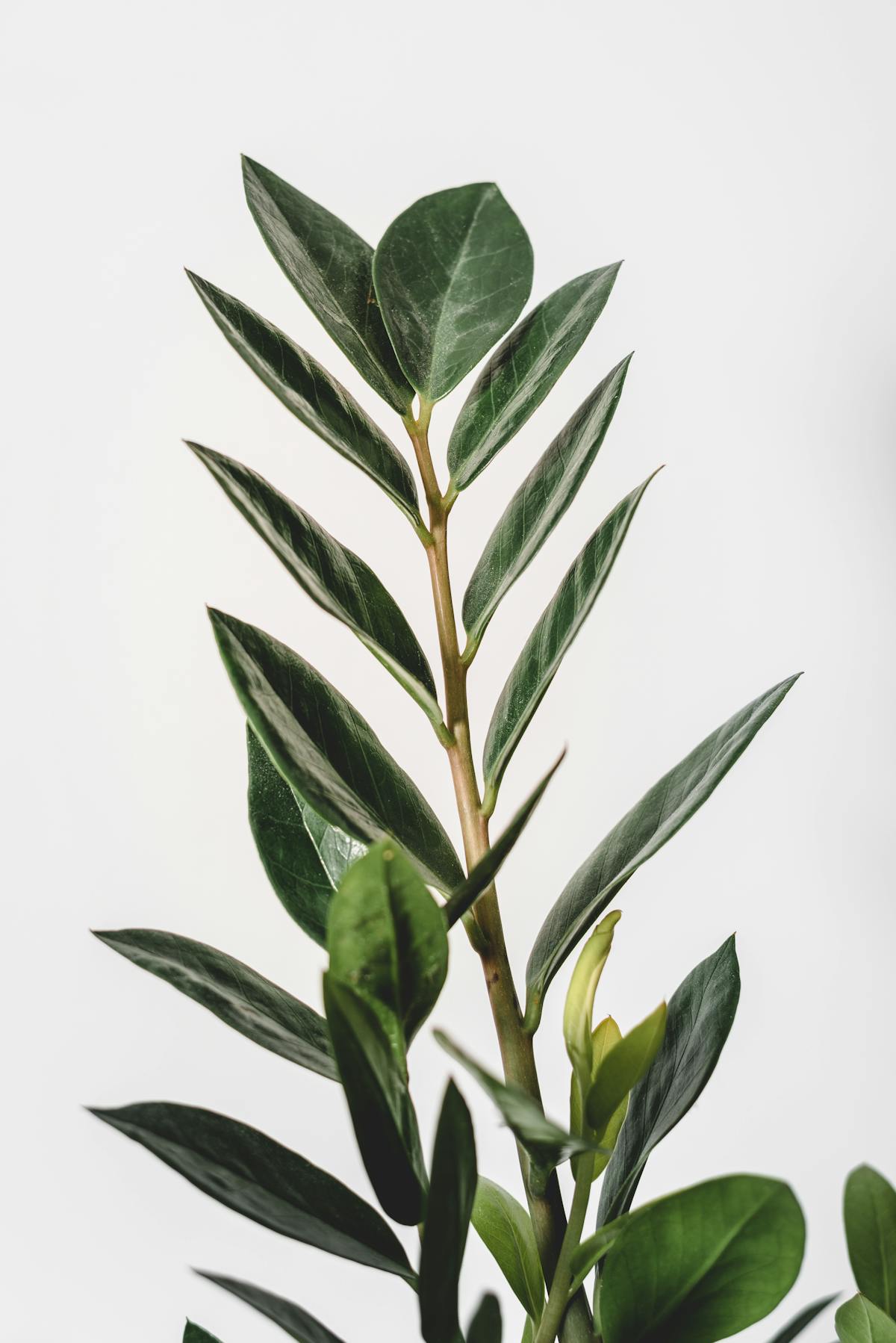
ZZ plant. Stores water in underground rhizomes rather than leaves, but the practical result is the same patience with missed waterings that Peperomia shows through its succulent foliage. Both tolerate the dry air of a heated room reasonably well.
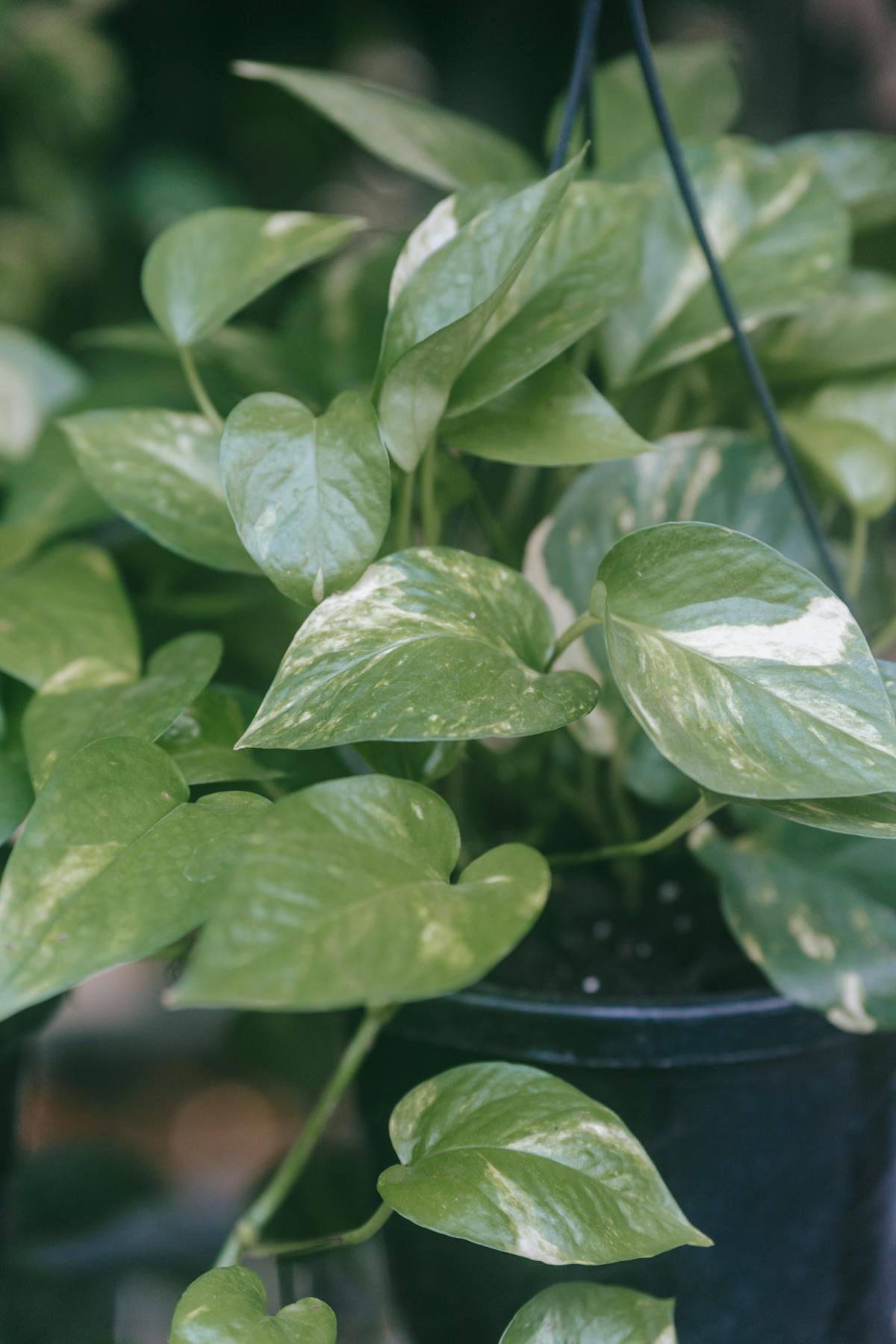
Pothos, with some caution. It tolerates slightly wetter soil than Peperomia prefers, but survives comfortably on the same watering interval, so it works as a companion without requiring a watering compromise — its faster growth and higher transpiration can also add a small amount of ambient humidity to the group.
What to Avoid
Ferns such as Boston or maidenhair need substrate that stays consistently damp. Standing one next to a Peperomia in the same tight grouping raises the local humidity around both root zones, and if they end up sharing a saucer or drip tray, water pools where the Peperomia's roots don't want it — a common contributor to the kind of root stress covered in the black spots and edema guide.
Calatheas carry a similar mismatch: they want 60%+ humidity and frequent watering, conditions the Peperomia tolerates only briefly before its own watering rhythm gets disrupted by the shared environment. Neither plant is at fault — the mismatch is simply in how often each one wants the soil rewetted.
Why Is Peperomia Called the Radiator Plant?
The nickname traces to a real historical habit rather than marketing: Peperomias were commonly placed on windowsills directly above cast-iron radiators in older European homes, and their thick, waxy leaves tolerated the dry heat there far better than thinner-leaved tropicals did. That is a tolerance, not a preference — optimal growth still sits at 18-24°C, and prolonged heat above roughly 30°C stresses the plant regardless of what it's standing next to.
Substrate for a Shared Pot
Pairing plants in separate pots on the same shelf needs no substrate change at all. A true dish garden — multiple species sharing one pot — is different, since every plant in it is stuck with the same mix. The standard well-draining soil recipe — roughly 50% peat-free compost, 30% perlite or pumice, and 20% fine bark — gives enough air-filled porosity that an occasional overwatering of the group doesn't immediately compromise the Peperomia's share of the pot, though a genuine dish garden still only works if every species in it tolerates the same dry-down interval.
Common Mistakes
- Choosing companions purely by leaf colour or shape rather than by watering compatibility — the visual pairing can look right and still fail within weeks.
- Sharing one saucer between a Peperomia and a moisture-loving plant, which lets standing water reach roots that need to dry out between waterings.
- Expecting a plant grouping to functionally replace a humidifier — the local humidity boost from clustering is real but modest, not a fix for a room that reads consistently below 40% RH.
For the general watering and light baseline every pairing decision here sits on top of, see the complete care guide; for where a grouped display works best in a room, see the feng shui placement guide; if a specimen in the group needs reshaping to fit the display, the pruning guide covers that without disturbing its neighbours; and for a substrate-free alternative that removes the shared-soil risk entirely, LECA lets each plant's water schedule be managed independently even within a visually grouped display.
Care FAQ
What is the best companion plant for Peperomia obtusifolia?
Hoya carnosa is the closest match. Both are semi-succulent, tolerate the same 2,000-4,000 lux bright indirect light, and follow the same dry-down-between-waterings cycle, so grouping them does not force either plant into a watering compromise.
Why is Peperomia obtusifolia called the radiator plant?
It reflects a historical habit of placing the plant on windowsills above cast-iron radiators, since its waxy, water-storing leaves tolerate the dry, warm air near a heat source noticeably better than thin-leaved tropicals do. It describes heat tolerance, not a preference for heat.
Can I put Peperomia obtusifolia in the same pot as another plant?
Only if the other species shares its dry-down watering needs — a Hoya, snake plant, or ZZ plant, for instance. Sharing a pot with a moisture-loving species keeps the substrate wetter than Peperomia tolerates, since one root zone cannot be watered on two different schedules at once.
Does grouping plants together actually raise humidity?
Modestly, yes. Each plant releases water vapour through transpiration, and a cluster of plants raises the local humidity in the immediate space between them compared to a single plant standing alone. The effect is a few percentage points at most, not a substitute for a humidifier in a genuinely dry room.