Peperomia Guttation: Why Droplets Form & Is It a Problem
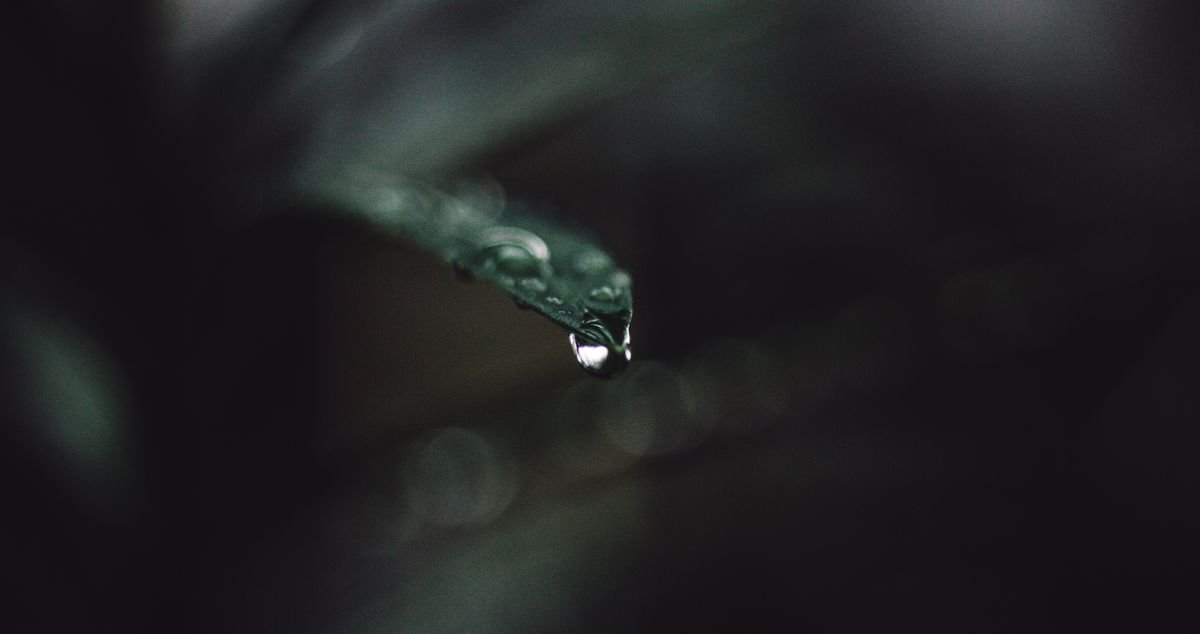
Clear droplets at the tips of Peperomia obtusifolia leaves, typically noticed in the morning, are guttation — root pressure pushing excess water out through dedicated pores when the roots take up more water than the plant can use overnight. This is usually a normal, harmless process rather than a sign of overwatering, though guttation happening every single morning over an extended period is worth checking against substrate moisture directly.
How to Identify It
Guttation appears as clear, often relatively large droplets confined to the leaf tips and margins, where the plant's water-transport tissue terminates — not spread evenly across the whole leaf surface. This distinguishes it from dew, which forms from atmospheric moisture condensing on a cool surface and appears as smaller, more uniform droplets across the entire leaf. Guttation is most commonly noticed in the morning, since the pressure driving it typically builds overnight while the plant's water-loss pores are closed.
Why It Happens
During the day, water evaporates from the leaves through stomata, creating a "pull" that draws water up from the roots — this is transpiration. At night, those pores largely close to conserve moisture, but the roots continue drawing in water regardless, and with nowhere for that water to evaporate, pressure builds in the plant's internal water-transport tissue. Dedicated pores called hydathodes, located at the leaf tips and margins, act as a pressure-relief point, releasing the excess as visible droplets rather than letting pressure build to a point that could damage cells.
Unlike stomata, which open and close in response to guard-cell turgor, hydathodes are structurally permanent openings — always physically present, functioning passively as pressure rises rather than actively regulating gas exchange the way stomata do. This is also why guttation concentrates specifically at leaf tips and margins rather than appearing anywhere across the blade: hydathodes sit at the terminal ends of the leaf's vein network, the natural endpoint of the water-transport pathway running from root to leaf edge.
Normal Variation vs a Care Problem
| Observation | Likely explanation | Action |
|---|---|---|
| Occasional droplets, especially after humid nights | Normal guttation | No action needed |
| Droplets every morning for a week or more | Possibly substrate staying too wet | Check substrate moisture; confirm proper dry-down between waterings |
| Droplets plus yellowing lower leaves or a sour smell | Root rot risk, not just guttation | See the overwatering rescue guide |
| White crusty residue where droplets dried | Normal mineral residue from guttation fluid | Wipe with a damp cloth; not a pest or disease |
What to Do Now
In most cases, nothing — guttation on its own, appearing occasionally, is a sign of a functioning, well-hydrated root system, not a problem to correct. If it's happening consistently every morning over an extended stretch, check the substrate directly with the top-2-3cm-dry method rather than assuming based on the guttation alone, since persistent guttation can coincide with (though doesn't guarantee) substrate staying wetter than ideal. Improving airflow in a still, humid room can also reduce how often it occurs, since it's partly a function of how slowly the plant loses water through normal transpiration.
What Not to Do
Don't assume occasional guttation means you're overwatering and respond by withholding water — that response isn't supported by guttation alone and risks genuine underwatering if the substrate wasn't actually wet in the first place. Don't ignore guttation that's paired with other overwatering symptoms (yellowing, soft stems, a sour smell) on the assumption that it's "just guttation" — in that combination, the guttation is incidental and the other symptoms are what need addressing.
How It Connects to Watering and Humidity
Guttation frequency is influenced by the same two variables that govern most of this species' watering-related symptoms: substrate moisture and ambient humidity. A substrate that's consistently more saturated than the standard dry-down cycle calls for gives the roots more water to push through than usual, and a still, humid room slows the daytime transpiration that would otherwise relieve pressure gradually rather than through overnight buildup. Neither factor needs correcting purely because of guttation — but if guttation is one symptom among several pointing toward excess substrate moisture, address the watering routine as the root cause rather than the guttation itself.
Sources
Mechanism references: guttation and root pressure. For the related condition caused by a similar pressure mechanism under different conditions, see the oedema guide; for general watering practice, see the watering guide.
Care FAQ
Why is there water on the tips of my Peperomia leaves?
This is guttation. When roots absorb more water than the plant can use or lose through the leaves overnight, internal pressure builds in the water-transport tissue. Dedicated pores at the leaf tips and margins, called hydathodes, release the excess as clear droplets to relieve that pressure.
Is guttation a sign of overwatering?
Not necessarily on its own. It reflects high internal water pressure, which can happen in a perfectly healthy plant during humid, still conditions when the leaves lose water slowly. If it happens every single morning over an extended period, it is worth checking substrate moisture directly, but occasional guttation alone is not a reliable overwatering signal.
Are the water droplets harmful to touch or ingest?
No. The fluid is mostly water with small amounts of dissolved minerals and sugars from the plant's internal transport tissue. It is not toxic to people or pets, though it can leave behind mineral spots on the leaf surface once it evaporates.
What are the white crusty spots left after the droplets dry?
Mineral residue from the guttation fluid itself, similar in nature to the mineral deposits left by hard tap water. Wipe them off with a damp cloth; frequent, heavy residue can be a sign fertiliser concentration or tap water hardness is higher than ideal.