Peperomia Obtusifolia Oedema: Blistered Leaves, the Hydraulic Cause & Fix
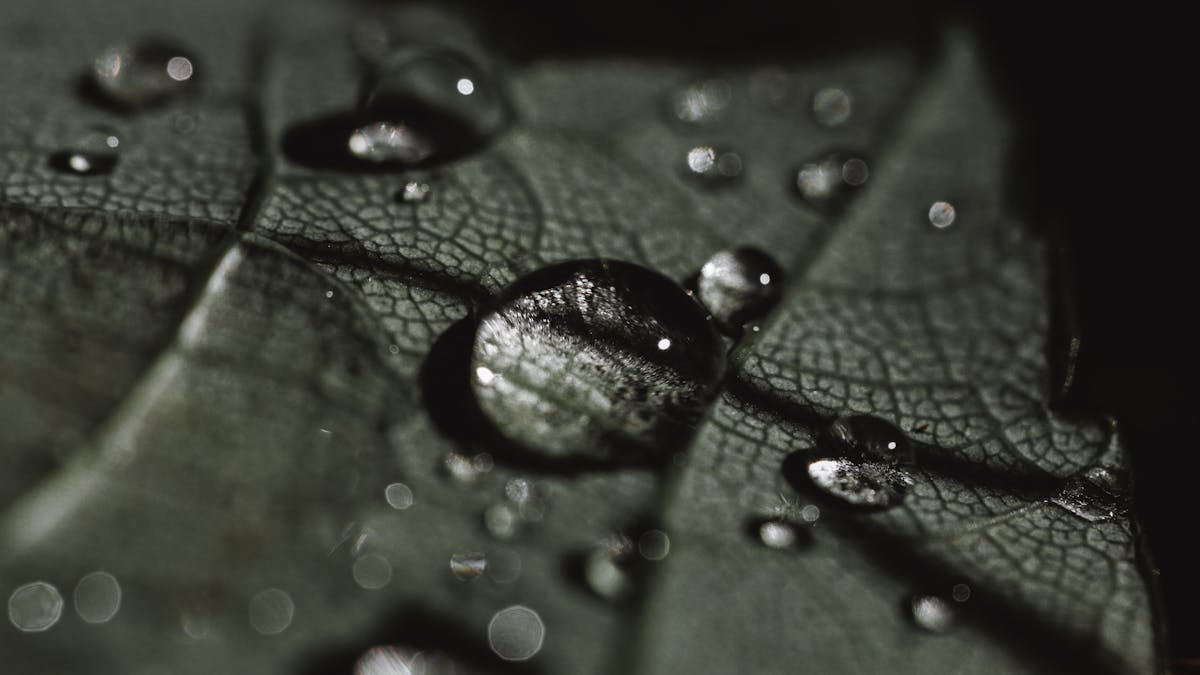
Oedema (also spelled edema in US English; the URL of this article retains edema for search continuity) is the most common physiological disorder in Peperomia obtusifolia. It is neither a disease, a fungus, nor a pest infestation. It is a mechanical rupture event in the plant's vascular system, where water absorbed at the roots exceeds the rate of release through the leaves' stomata. Internal turgor pressure builds beyond the structural limit of individual mesophyll cells, the cells burst, and the plant heals the microscopic wounds with corky suberin scabs that remain visible as small, hard, sandpaper-textured bumps on the leaf underside.
The short answer: Existing oedema scars cannot be reversed — the suberised scab is permanent. The fix is environmental, not horticultural: increase airflow with a fan to restore the VPD gradient at the leaf surface, lower ambient humidity to the species' optimum 40–60% RH, water in the morning rather than at night so transpiration is active when roots take up water, and ensure substrate moisture does not swing between bone-dry and saturated. New growth emerging after the correction will be smooth and glossy. The scarred leaves stay scarred and remain functional.
For the foundational care framework that prevents most oedema events, see the complete care guide.
Diagnostic Table: Oedema vs Lookalikes
Before treating for oedema, confirm the diagnosis against the differential lookalikes. Each has a distinct discriminator.
| Feature | Oedema | Scale insects | Spider mites | Bacterial leaf spot |
|---|---|---|---|---|
| Bump texture | Hard, corky, sandpaper-rough | Smooth, waxy, turtle-shell shape | N/A — stippling, not bumps | Soft, water-soaked, then necrotic |
| Detachable? | No — tears the leaf if forced | Yes — flicks off with a fingernail | N/A | Lesion expands; cannot be removed |
| Distribution | Underside, along secondary veins | Random or along veins, mobile colonies | Underside, fine webbing visible | Random; spreads in days |
| Honeydew | None | Yes — sticky, glossy droplets below | None | None |
| New growth | Smooth once environment fixed | Continues to bear pests | Continues to be stippled | Continues to be lesioned |
| Contagious | No | Yes — to other plants | Yes — RH-driven outbreaks | Yes — wet-leaf entry |
1. The Mechanism: Hydrostatic Pressure Exceeds Cell-Wall Integrity
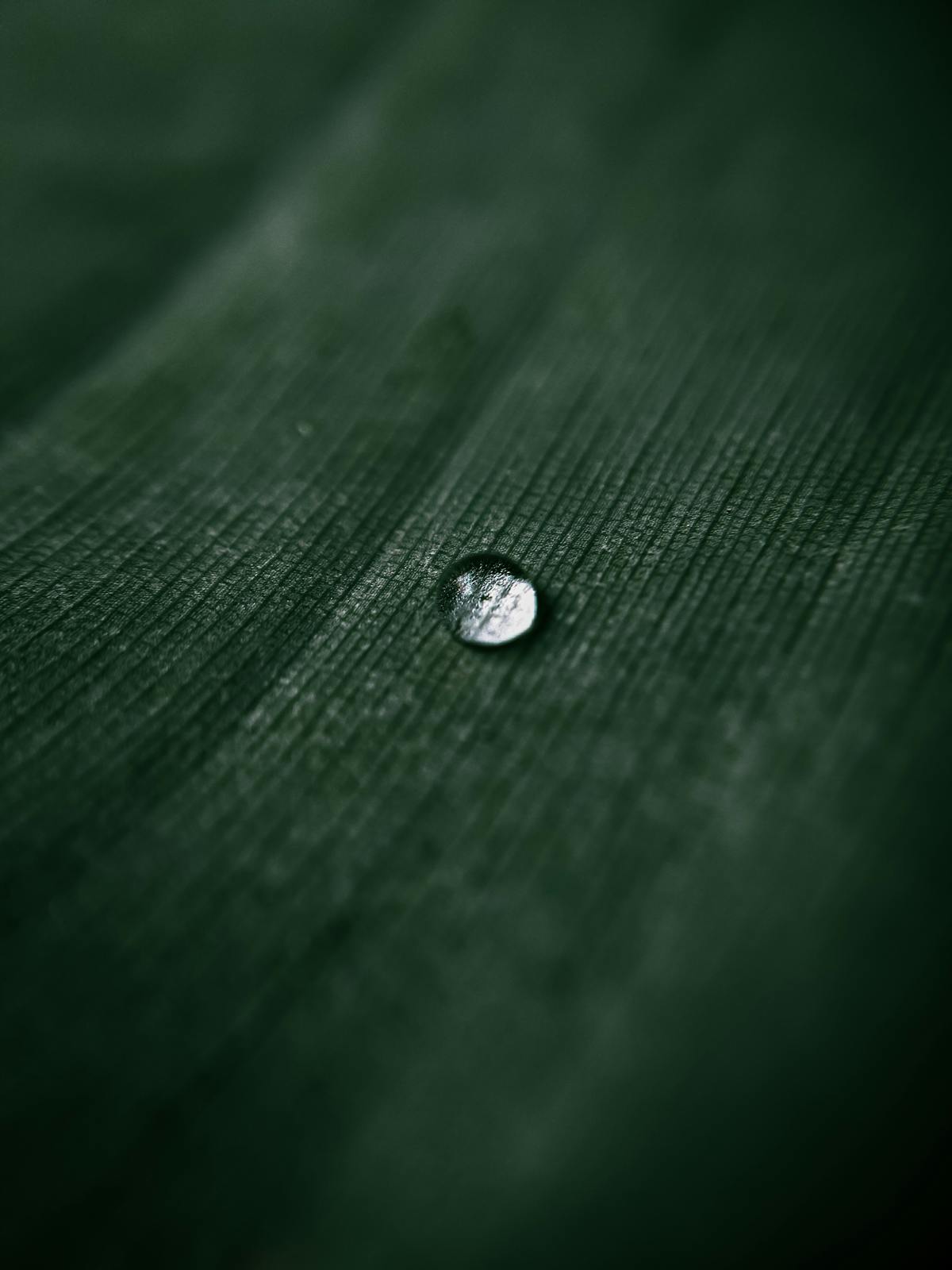
Peperomia obtusifolia is a semi-succulent with thick, water-storing parenchymal tissue in its lamina — an adaptation to the seasonal drought of its native Venezuelan and Colombian understorey. Each leaf is, in effect, a pressurised reservoir. Water enters the roots via osmosis, is pushed upward through the xylem by root pressure, and accumulates in the leaf's mesophyll cells as turgor pressure. Under normal conditions, the turgor is balanced by water release at the stomata through transpiration.
The balance fails when input exceeds output. The progression is mechanical:
- Over-hydration. Substrate is wet; root absorption is active; ambient conditions suppress transpiration.
- Cellular distension. Internal turgor exceeds the elastic limit of the cellulose cell walls in individual mesophyll cells.
- Catastrophic rupture. The cells physically burst, spilling their contents into the surrounding intercellular space. This is visible as translucent, water-soaked patches on the leaf underside — the only stage at which the damage is potentially reversible.
- Suberisation. The plant heals the wounded tissue by producing suberin, the same waxy biopolymer that lines cork bark. The wound seals as a hard, corky, raised scab — permanent and harmless to the rest of the leaf.
The thick, succulent leaves of P. obtusifolia make it particularly oedema-prone compared to thinner-leaved houseplants. The same water-storage adaptation that protects against drought also creates a larger reservoir to over-pressurise when the transpiration gradient fails. For the underlying leaf anatomy, see the leaf-anatomy and succulence reference.
2. The VPD Gate: Why Stagnant Air Is the Real Catalyst
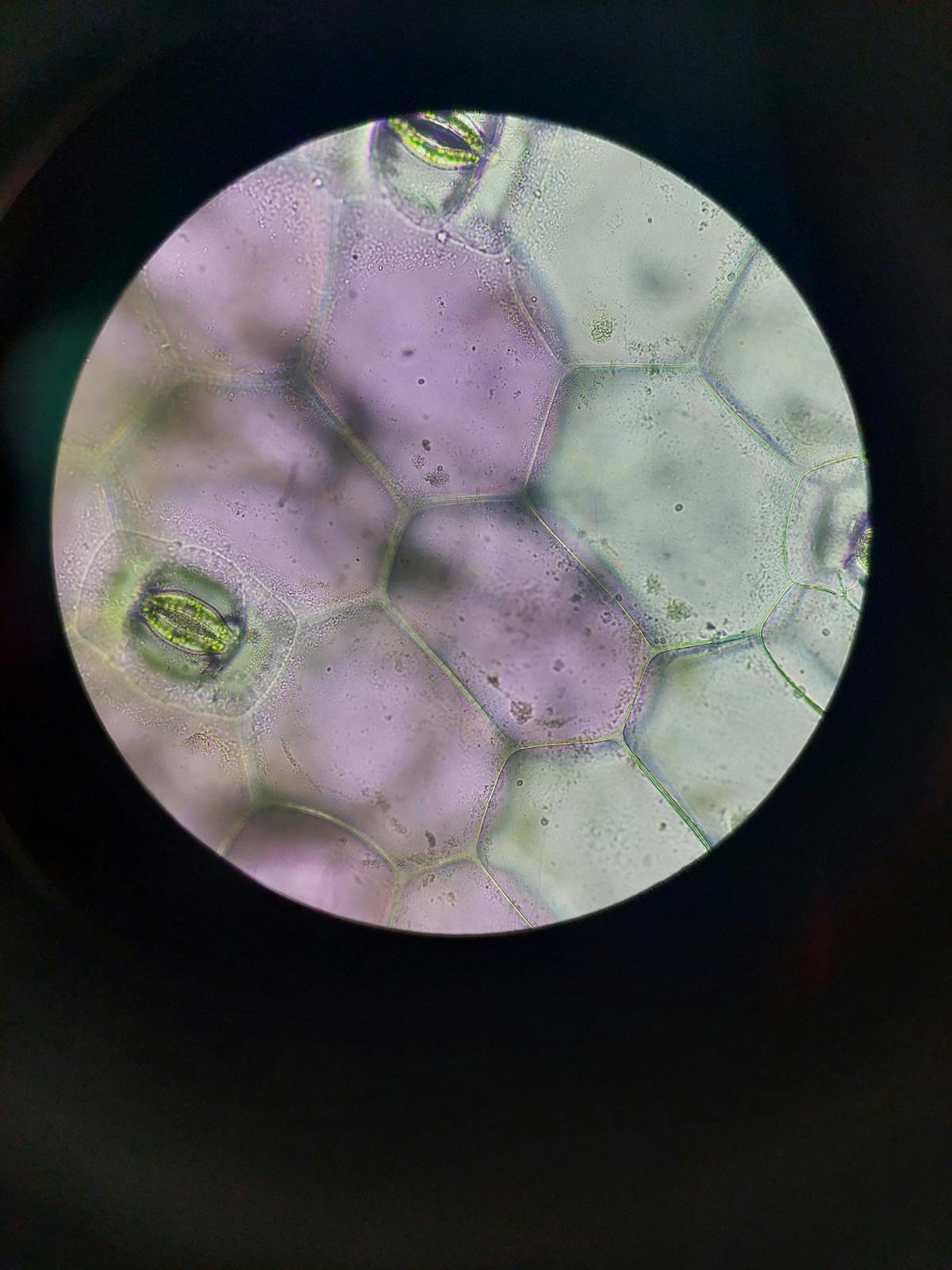
Overwatering is the most-named cause of oedema. The real catalyst is low vapour pressure deficit (VPD) at the leaf surface — the condition that closes the stomatal gate even while roots continue to absorb.
VPD is the difference between the moisture content of the air and the maximum it can hold at that temperature. When VPD is high, air at the leaf surface aggressively "pulls" water vapour out through the stomata. When VPD is low — RH above 70%, or air completely stagnant against the leaf — the air at the leaf surface saturates with the plant's own transpired moisture and forms a quiet boundary layer. The stomata close; transpiration halts; turgor accumulates with nowhere to release.
The mechanism plays out in three common indoor configurations:
- Bathroom or laundry room placement — high ambient RH plus stagnant air. See the bathroom placement guide for the airflow correction.
- Night-watering — stomata are closed in darkness; transpiration is at its diurnal minimum; root absorption continues. Water entering the plant has nowhere to go.
- A still corner with no fan or open window — the same stagnation that produces transpiration-limited calcium delivery in deformed new growth (Pattern 7) also predisposes the lamina to oedema during a watering event.
For the broader humidity calibration, see the humidity guide, and for the stomata-respiration mechanism that drives the gate, see the stomata reference.
3. The Two Stages of Oedema: Catch It in Stage 1
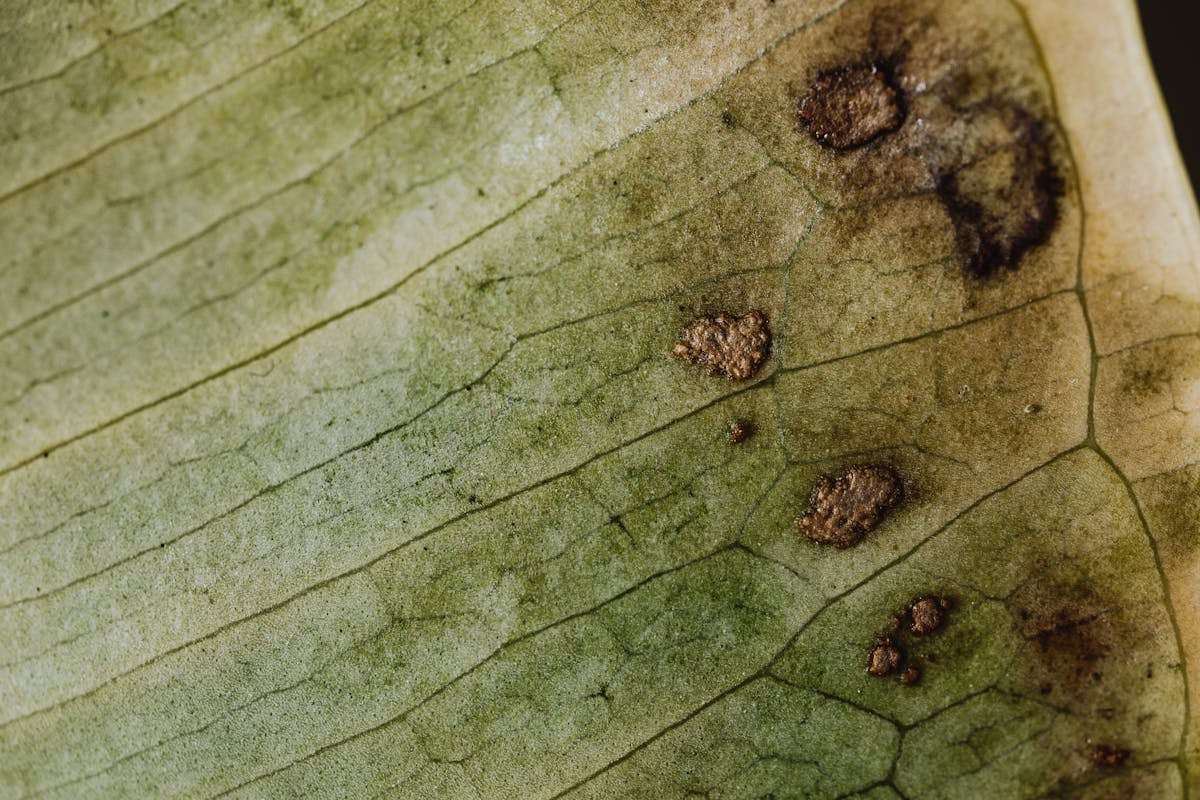
Oedema progresses through two distinct chronological stages. The window for actual reversal is narrow — the cellular state before suberisation can still relax if internal turgor drops within hours.
Stage 1 — Water-Soaking (24–72 hours after the pressure event)
Before cells burst, they are over-saturated and visibly distended. Symptoms:
- Translucent or water-soaked patches on the underside of mature leaves.
- Patches look slightly darker green than the surrounding tissue and feel soft to gentle pressure.
- No corky texture yet; the surface remains smooth.
At this stage, if airflow is increased and ambient RH lowered immediately, the over-pressurised cells can decompress as the transpiration gradient is re-established. Water moves back from the swollen mesophyll into the vascular system, and no permanent damage occurs.
Stage 2 — Suberisation (after 72 hours)
Once cells have burst, the damage is sealed permanently:
- Hard, raised, tan-to-corky-brown bumps with a sandpaper texture.
- Distributed along secondary veins on the leaf underside.
- The plant has deposited suberin around the ruptured cells, producing the characteristic scab.
The visible scab is the plant's wound-healing response, not the failure itself. The failure already happened 24–72 hours earlier. From this point, the goal of intervention is exclusively to ensure the next-emerging leaves form smooth.
4. The Winter Cold-Snap Pattern
A specific recurring scenario worth naming, because it accounts for the majority of late-autumn oedema cases on this site. A specimen kept on a windowsill experiences a sudden overnight temperature drop — radiator off, single-glazed window, an unexpectedly cold night. Within 24–72 hours, the underside of the lowest leaves develops small water-soaked blisters, which later burst to leave the characteristic corky brown patches.
The mechanism is hydraulic, not pathological. At low ambient temperature the stomata close and transpiration stalls. The substrate, sitting in a still-warm room or near a heat source, retains its previous watering temperature; the roots remain active and continue to absorb water at the prevailing rate. Water uptake exceeds water loss, hydrostatic pressure spikes, and epidermal cells rupture on the lower (cooler) leaf surface where the stomata sit. The damaged tissue is permanent; new growth under stable conditions will be normal.
Diagnostic key: blister-like marks on the underside of older leaves, following a specific cold-water-warm-substrate event, with no further progression in the days after stable conditions are restored = oedema, not a developing pathology. This is not a pest, not a fungal disease, not a nutrient issue, and it does not require chemical intervention.
Fix: Move the plant away from cold windows in winter — ≥50 cm from single-glazed glass, never directly above an active radiator. Hold ambient temperature stable: 18–24°C day, 15–18°C night, with no overnight drop below 15°C at leaf level. Water during morning hours so the warmer leaves and active stomata can accept the uptake.
5. The Environmental Fix Protocol
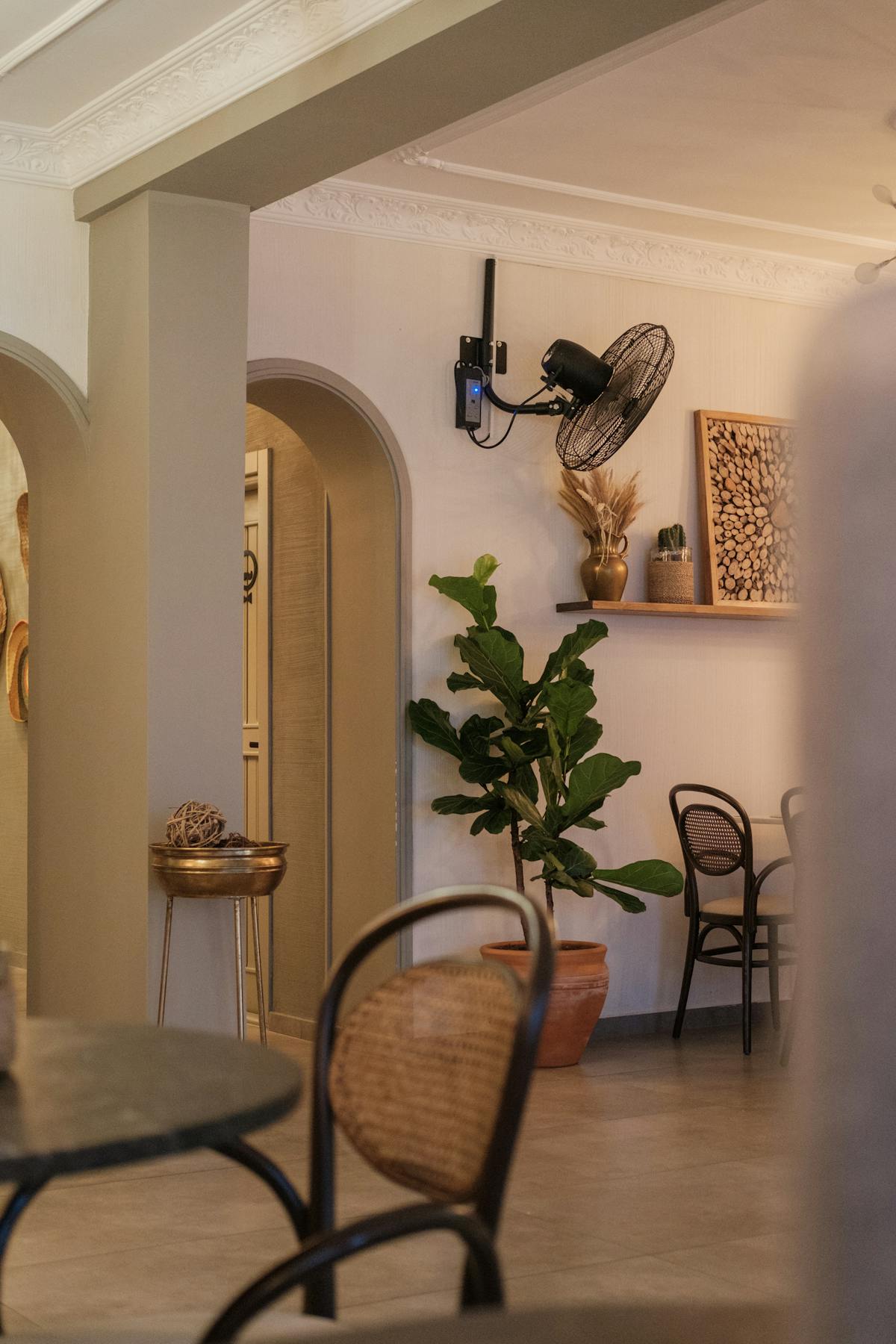
Existing oedema scars cannot be undone. The fix is environmental calibration so the next leaves form smooth.
Step 1 — Restore the transpiration gradient with airflow
Stagnant air is the proximate cause. A small oscillating fan running on its lowest setting for 4–6 hours per day, positioned 1–2 m from the plant, raises the VPD at the leaf surface enough to keep stomata functional. Pebble trays do less than the literature claims. Controlled measurements show pebble trays raise localised RH at the leaf surface by ~3–5% in still indoor air — useful as a marginal addition, never as a primary humidity intervention. Oedema, which is caused by too much moisture at the leaf surface rather than too little, is the case in which pebble trays are actively counterproductive. A room humidifier paired with a hygrometer is the only intervention that reliably holds RH in the 40–60% target band; combined with a fan, it produces stable VPD without the surface-condensation that pebble trays create.
Step 2 — Stabilise the watering rhythm
Most cases of P. obtusifolia oedema follow a "drought-then-flood" cycle: substrate left bone-dry for three or more weeks, then deeply soaked. The thirsty roots absorb at an aggressive rate; the contracted leaves cannot release fast enough; oedema follows within 24–72 hours. The corrective is consistency, not abundance: water when the top 2–3 cm of substrate is fully dry and the pot weight has dropped — typically every 10–14 days in summer and every 21–28 days in winter for a 12 cm container. The detailed protocol is in the watering guide.
Step 3 — Water in the morning
Stomata open at first light and reach peak conductance within 2–3 hours of dawn. Watering at this time aligns root uptake with active transpiration. Watering at night, when stomata are closed and transpiration is at its diurnal minimum, sends water into a system with the exhaust gate shut.
Step 4 — Free-draining substrate
A substrate that holds water for more than 5 days keeps the root pump under continuous pressure. The canonical mix is 50% peat-free coir-based compost, 30% perlite, 20% fine orchid bark — with at least 30% inorganic component by volume. For the formulation, see the soil mix recipe.
Step 5 — Optimum light
Transpiration is light-driven. The species' target is 2,000–4,000 lux measured at the leaf surface. Below 1,000 lux, stomatal conductance drops and oedema risk rises in any humid micro-environment.
6. Cultivar Sensitivity
Not all P. obtusifolia cultivars are equally oedema-prone:
- 'Jade' and other all-green cultivars with thicker, more succulent lamina hold more water per unit area. The reservoir is larger; a pressure spike produces more dramatic ruptures.
- 'Variegata', 'Albo-Marginata', 'Alba' — the white and cream tissue carries 30–40% less functional chlorophyll, which reduces metabolic transpiration in those zones. Oedema scabs frequently appear preferentially in the variegated regions where the gradient is weakest.
The corrective is the same for all cultivars: airflow, VPD management, stable watering. Variegated cultivars additionally benefit from 30–40% more light than the green form, both to support reversion-resistance and to drive stronger transpiration in their lower-chlorophyll tissue.
7. Differential Diagnosis: When It Is Not Oedema
If the suspected oedema fails the fingernail-scrape test (the bumps lift off cleanly), the cause is scale insect, not oedema. If the bumps are accompanied by sticky honeydew or sooty mould on lower leaves, the cause is sap-sucking pest, not oedema. If the marks expand over days into water-soaked lesions with yellow halos, the cause is bacterial leaf spot (Pseudomonas cichorii), not oedema — see the brown leaves diagnostic and the curling-leaves hub for the broader symptom map.
Oedema is static and harmless. If the marks are progressing, the diagnosis is different.
Recommended Products
- Digital hygrometer and thermometer — confirms whether ambient RH sits in the
40–60%target band; required before blaming humidity for an oedema event. - USB oscillating fan — the corrective for stagnant air. Low speed, 4–6 hours per day, positioned 1–2 m from the plant.
- Cool-mist room humidifier — for the dry-air case (RH below 30%) where humidity supplementation is needed without surface condensation.
Sources and Related Reading
- Wikipedia — Oedema in plants (definition and mechanism reference)
- Wikipedia — Suberin (the polyester that produces the permanent corky scab)
- Wikipedia — Turgor pressure (the internal pressure that ruptures the cells)
- Wikipedia — Transpiration (the exhaust valve mechanism)
- NC State Extension — Peperomia obtusifolia (species profile and indoor cultivation reference)
Internal mechanism references on this site:
- Peperomia obtusifolia care guide — parent reference for thresholds.
- Leaf anatomy and succulence — mesophyll and water-storage tissue reference.
- Stomata, respiration and humidity — gas-exchange mechanism behind the VPD gate.
- Watering guide — stable rhythm protocol.
- Humidity guide — RH calibration.
- Best peperomia soil mix recipe — free-draining substrate formulation.
- Bathroom placement guide — high-RH-room airflow correction.
- Curling leaves diagnostic — sibling symptom that often co-occurs with oedema.
- Brown leaves diagnostic — for bacterial-leaf-spot differential.
Care FAQ
What are the tiny hard bumps on my Peperomia leaves?
Hard, raised, sandpaper-textured bumps on the underside of Peperomia obtusifolia leaves — usually 0.5–1 mm, tan to corky-brown, often clustered along secondary veins — are oedema (also spelled edema). They are not a pest, fungus, or contagious disease. They are the visible scar tissue that forms after individual mesophyll cells inside the leaf physically rupture when water uptake at the roots exceeds the rate the leaves can release through their stomata.
Is Peperomia oedema contagious?
No. Oedema is a physiological disorder, not a pathogen. It cannot spread from one plant to another. However, multiple plants kept in the same environmental conditions — low airflow, RH above 70%, cold ambient air with warm root zone — may all develop oedema simultaneously, which is sometimes mistaken for contagion.
Should I cut off leaves with oedema bumps?
Generally no. The suberised corky scabs are permanent scar tissue but the leaf around them is fully functional and still photosynthesises. Removing too much foliage further reduces the canopy's transpiration capacity and worsens the hydraulic imbalance. Remove a leaf only if the scarring is so extensive it has compromised the leaf's structural integrity, or if it sits at the lowest senescent whorl already on its way to abscission.
How do I tell oedema apart from scale insects?
The fingernail-scrape test. Run a fingernail over a bump: oedema is part of the leaf tissue and will not detach without tearing the epidermis; scale lifts off cleanly as a small turtle-shell-shaped insect cover. Oedema bumps are also distributed along leaf veins on the underside and never produce honeydew or sticky residue, whereas scale and aphids both excrete honeydew that pools on lower leaves below them.
Does high humidity cause oedema?
High humidity is a primary catalyst — but the underlying mechanism is low vapour pressure deficit (VPD). When air RH is above ~70% and airflow is stagnant, the air at the leaf surface saturates with the plant's own transpired vapour. The leaf can no longer release water. Roots continue to absorb water at the prevailing rate, internal turgor exceeds the cell-wall structural limit, and the cells rupture. The corrective is not just lower RH — it is moving air with a fan to restore the VPD gradient at the leaf surface.
Will oedema scars heal if I fix the environment?
No. Once cells have ruptured the plant produces suberin — a waxy, waterproof polyester — to seal the wound. Those scabs are permanent. The diagnostic measure of recovery is the form of new leaves emerging after the environment is corrected: smooth, glossy, scar-free.
Why did oedema appear right after a cold night?
A specific recurring scenario: a windowsill specimen experiences a sudden overnight temperature drop (radiator off, single-glazed window). The cold air closes stomata and stops transpiration. If the substrate was watered recently and the roots remain active, water uptake continues to exceed water loss. Pressure ruptures epidermal cells on the leaf underside within 24–72 hours. Damaged tissue is permanent; new growth under stable conditions will be normal.