Peperomia Obtusifolia 'Boie': Safe Care & ID Guide
We could not verify 'Boie' as an established Peperomia obtusifolia cultivar name against the standard reference lists, nursery catalogues, or breeder records available to us, and this guide says so upfront rather than presenting unverified specifics as settled fact. If you have a plant labelled this way, the safest approach is to care for it using standard P. obtusifolia practice and judge authenticity by comparing its actual traits against well-documented cultivars, rather than trusting the name alone.
Is This Cultivar Name Verified?
No — and that distinction matters. Cultivars like 'Marble', 'Variegata', 'Golden Gate', and 'Jade' are widely and consistently documented across nurseries and cultivar references in the P. obtusifolia trade. 'Boie' does not appear with the same consistency in the sources available to us, and we were not able to confirm it against a nursery registry, breeder record, or herbarium source. This does not necessarily mean no such plant exists — cultivar naming in the houseplant trade is often informal, regional, or seller-specific — but it does mean any specific claims about this name (a distinct leaf shape, a particular pattern mechanism, a defined care profile) should be treated with more scepticism than an established cultivar's would warrant.
What to Check Before Treating It as a Distinct Cultivar
Ask the seller directly where the name comes from — a specific breeder, a named nursery line, or a plant society registry are all reasonable sources; "that's just what it's labelled" is not. Compare the plant's actual observable traits against well-documented cultivars first: a silver-washed or diffused variegation pattern, for instance, could plausibly be an unusual expression of a known cultivar, a genuinely distinct but undocumented sport, or a mislabelled specimen entirely. Photograph the plant clearly and compare it against verified reference photos of established cultivars before assuming it's something unique.
Safe General Care Regardless of Cultivar Identity
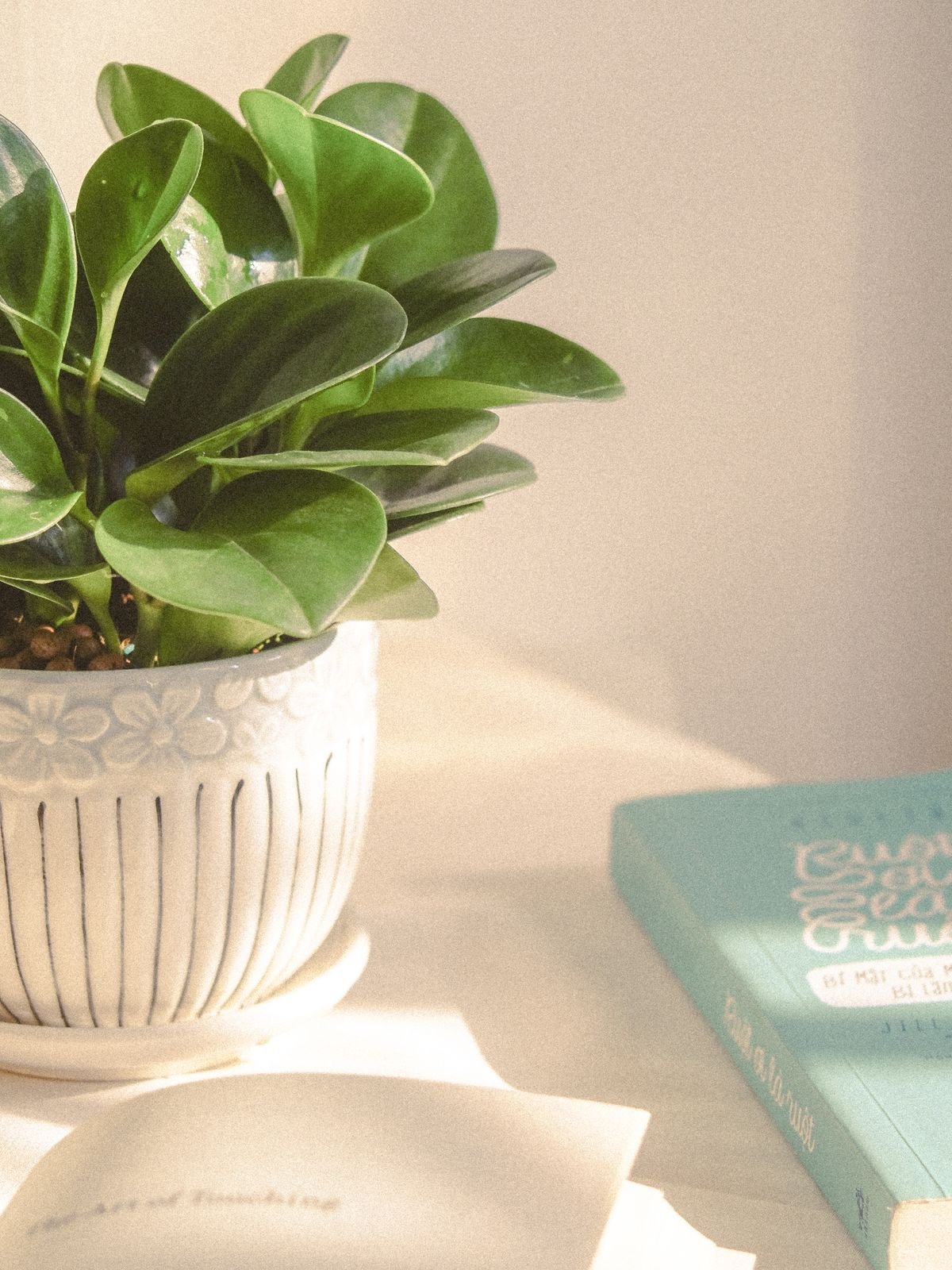
Whatever the specimen actually is, standard P. obtusifolia care applies safely: 2,000-4,000 lux bright indirect light, water when the top 2-3 cm of substrate is dry, and a free-draining substrate with roughly 30% perlite or bark by volume. If the plant shows any visible variegation or lighter leaf colouring, apply the same principle that holds across every documented variegated cultivar in this species: provide light toward the upper end of that range, since chlorophyll-reduced tissue needs more light than solid green tissue to avoid fading toward green under low light — the same reversion mechanism documented for confirmed cultivars.
Common Problems
The problems this species develops don't depend on cultivar name — root rot from overwatering, light-deficit stretching, and salt-related leaf-tip browning are the same regardless of what the plant is labelled. Treat any symptom using the standard diagnostic guides for the species rather than searching for cultivar-specific advice that may not actually exist for an unverified name.
Sourcing and Authenticity Checklist
Buy from a seller who can point to a specific, checkable source for the name, and be willing to walk away from a listing that can't substantiate an unusual or rare-sounding cultivar claim, particularly if it carries a price premium over well-documented alternatives. If in doubt, it is entirely reasonable to treat and price the plant as an unnamed or generically variegated P. obtusifolia rather than paying extra for an unverified name.
Care FAQ
Is Peperomia obtusifolia 'Boie' a real, verified cultivar?
We could not confirm it against the standard reference lists of named P. obtusifolia cultivars or a nursery registry, breeder record, or herbarium source. It may be a genuine but less-documented trade name, a regional or seller-specific label, or a misapplied name — treat any specimen sold under this name with the same identification caution you would apply to an unfamiliar label generally.
How do I verify a cultivar name before buying?
Ask the seller for the source of the name — a breeder, a specific nursery catalogue, or a plant society registry — rather than accepting a label at face value. Cross-check the described traits (leaf shape, pattern, growth habit) against well-documented cultivars first, since retail mislabelling across Peperomia cultivars generally is common.
Is it safe to buy a plant labelled 'Boie' even if the name is unverified?
The plant itself is very likely safe to grow using standard P. obtusifolia care regardless of what the specific pattern turns out to be — the caution here is about the name and any specific claims tied to it, not about plant safety. Judge the specimen on its actual observable traits and general vigor rather than the label.
What care should I use if I have a plant labelled this way?
Standard Peperomia obtusifolia care applies safely regardless of the exact cultivar identity: 2,000-4,000 lux bright indirect light, water when the top 2-3 cm of substrate is dry, and a free-draining mix. If the specimen shows any variegation or unusual leaf colour, treat it like other variegated cultivars and provide light toward the upper end of that range.