
Peperomia Leaf Propagation: Best Method & Why It Fails
Peperomia obtusifolia leaf propagation works, but it is the slower, less reliable option compared with a stem cutting, and it will almost always fail to preserve variegation. The biggest failure risk is treating a leaf cutting like a faster shortcut — it needs a longer timeline, warmer conditions, and more patience than a stem cutting, and it only makes sense when preserving the exact variegated pattern isn't the goal.
When to Use This Method
Leaf propagation suits a solid green specimen, or a situation where no spare stem section is available to cut but healthy mature leaves are. It is the wrong choice for a variegated cultivar where preserving the pattern matters — use a stem cutting with a node instead, since a leaf cutting reliably reverts variegated material to solid green. It is also slower than most alternatives, so it isn't the right choice if a fast result matters more than maximising the number of plants produced from limited material.
Spring and summer suit this method better than autumn or winter, since the parent plant's more active growth state translates into faster cell division at the wound site and a shorter overall timeline. It can still be attempted in the cooler months, but expect the already-long process to stretch out further, and be more conservative with medium moisture given the plant's naturally slower water use during that season.
Tools, Medium, and Cutting Selection
- Tools: clean, sharp scissors or a sterile blade, wiped with 70% isopropyl alcohol before cutting.
- Medium: a 50/50 perlite-and-peat-free-compost mix works well, kept consistently moist but never waterlogged.
- Cutting selection: choose a mature, healthy leaf with its full petiole (the leaf's own short stem) intact — a leaf without its petiole is much less likely to root, since much of the regenerative activity happens at the petiole base.
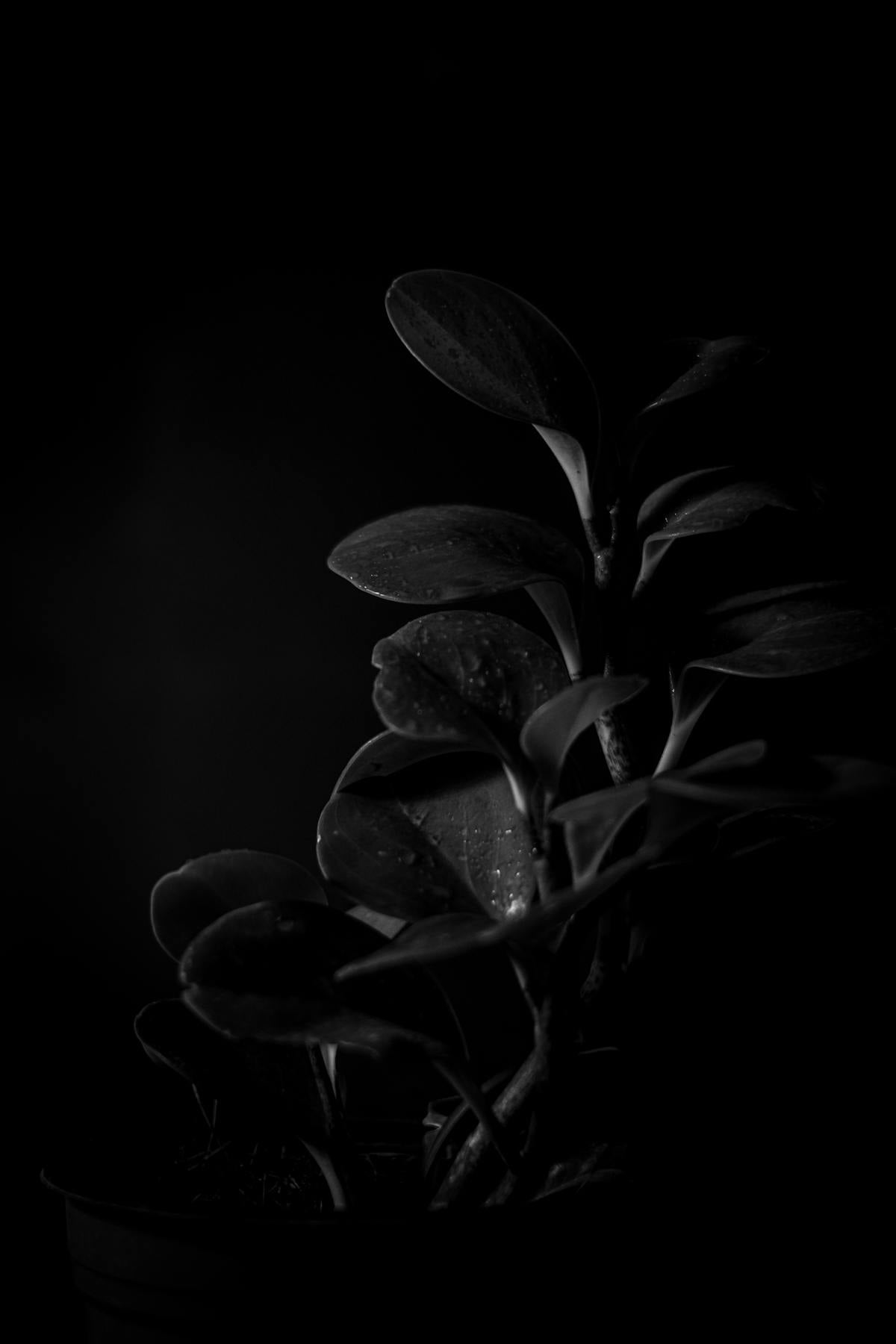
Step-by-Step Method
- Select and remove a mature leaf, cutting cleanly at the point where the petiole meets the main stem, keeping the full petiole attached to the leaf.
- Let the cut end callus on a dry surface for several hours to a full day, which reduces the risk of the wound rotting once it's inserted into moist medium.
- Insert the petiole into the rooting medium at a shallow angle, burying enough of the petiole that its base makes good contact with the moist mix, while the leaf blade itself stays above the surface.
- Keep humidity elevated around the cutting — a loosely covered container or a humidity dome that keeps the air more humid than a normal room helps prevent the leaf drying out before it has any root system to draw on. Vent briefly each day rather than sealing it completely, to avoid a stagnant, disease-prone microclimate.
- Keep the medium at a warm, steady temperature, ideally in the low-to-mid twenties Celsius — cold substrate slows the cell division this process depends on considerably.
- Provide bright, indirect light, roughly 2,000-4,000 lux as a working target, since the leaf still needs to photosynthesise to fuel the new tissue it's building.
Rooting and New-Growth Signs
Roots often begin appearing at the petiole base after a month or two, though cooler rooms or a less-than-ideal season can extend this considerably. The more meaningful milestone is a small new leaf (a "pup") emerging from the base of the original leaf, which can take several months — a much longer wait than a stem cutting's typical timeline, and part of why this method suits patient collectors more than anyone wanting a quick result.
Transition and Aftercare
Once a pup has developed a few small leaves of its own, it can be separated from the original leaf and potted into its own small container with a standard free-draining mix. The original leaf can be left in place — it sometimes produces a second pup — or removed once it starts to yellow and decline, which is normal once it has spent most of its stored reserves supporting the new plantlet. Hold off on fertiliser until the new plantlet is established with its own root system, and then follow the standard half-strength monthly feeding schedule through the growing season.
Failure Diagnosis
- Leaf turns mushy or dark at the petiole with no roots: most likely rot from excess moisture or insufficient callusing time — see the cuttings-rotting guide for the full rescue protocol.
- Leaf stays firm with no visible progress for months: check that the medium temperature isn't too cool and that light is adequate — this is normal for a while, since roots often form before any visible above-surface sign appears.
- New pup emerges solid green from a variegated parent leaf: this is the expected outcome for this method, not a fixable error — see the increasing variegation guide for why stem cuttings are the reliable way to preserve pattern instead.
- Leaf shrivels and collapses before any roots form: likely too little humidity around the cutting, letting the leaf lose water faster than an unrooted cutting can tolerate.
FAQ and Comparison With the Main Alternative
Stem cutting propagation is the faster, more reliable alternative for most purposes, rooting sooner and reliably preserving variegation where a leaf cutting cannot — see the main propagation guide for the full method comparison and the water propagation guide for that specific technique. Where an established specimen already has multiple stems at the base, division is a faster route to a new plant than either cutting method, since it separates already-rooted growth rather than waiting for new roots to form from scratch.
Care FAQ
How can a single Peperomia leaf grow into a whole new plant?
Certain cells at the base of the petiole and along the primary veins are capable of dedifferentiating back into a meristematic state once the leaf is severed from the parent plant. Driven by the plant's own auxin and cytokinin signalling, these cells build a new root system first, then adventitious buds that develop into new shoots.
Why does a variegated Peperomia leaf usually produce an all-green plantlet?
Variegation in this species is chimeric, held in an outer meristem layer rather than distributed through every cell. A leaf cutting regenerates from a single point of tissue that typically lacks that specific layer, so the new plantlet reverts to solid green regardless of how variegated the original leaf looked.
How long does Peperomia leaf propagation take?
Roots often take a month or two to appear, and it can be several months before a visible new leaf (a pup) emerges from the base — considerably slower than a stem cutting, and fewer leaf cuttings succeed, so patience and a willingness to lose some cuttings are part of the method.
Is leaf propagation better than stem cutting propagation for Peperomia obtusifolia?
Not generally. Stem cuttings root faster, succeed more often, and reliably preserve variegation. Leaf propagation is worth using specifically when a stem isn't available to spare, or simply as a way to get more plants from a single healthy leaf without disturbing the parent's shape.