
The Anoxia Rescue: Saving a Waterlogged Peperomia
An overwatering rescue for Peperomia begins at the roots, not the leaves. In the anatomy of a Peperomia obtusifolia, the roots are the most sensitive organ. While the leaves are built for water storage, the roots are built for Gas Exchange.
When you overwater, you aren't just giving the plant "too much drink"—you are creating a state of Anoxia (zero oxygen). This guide provides a clinical protocol for reversing root rot and re-engineering a healthy rhizosphere.
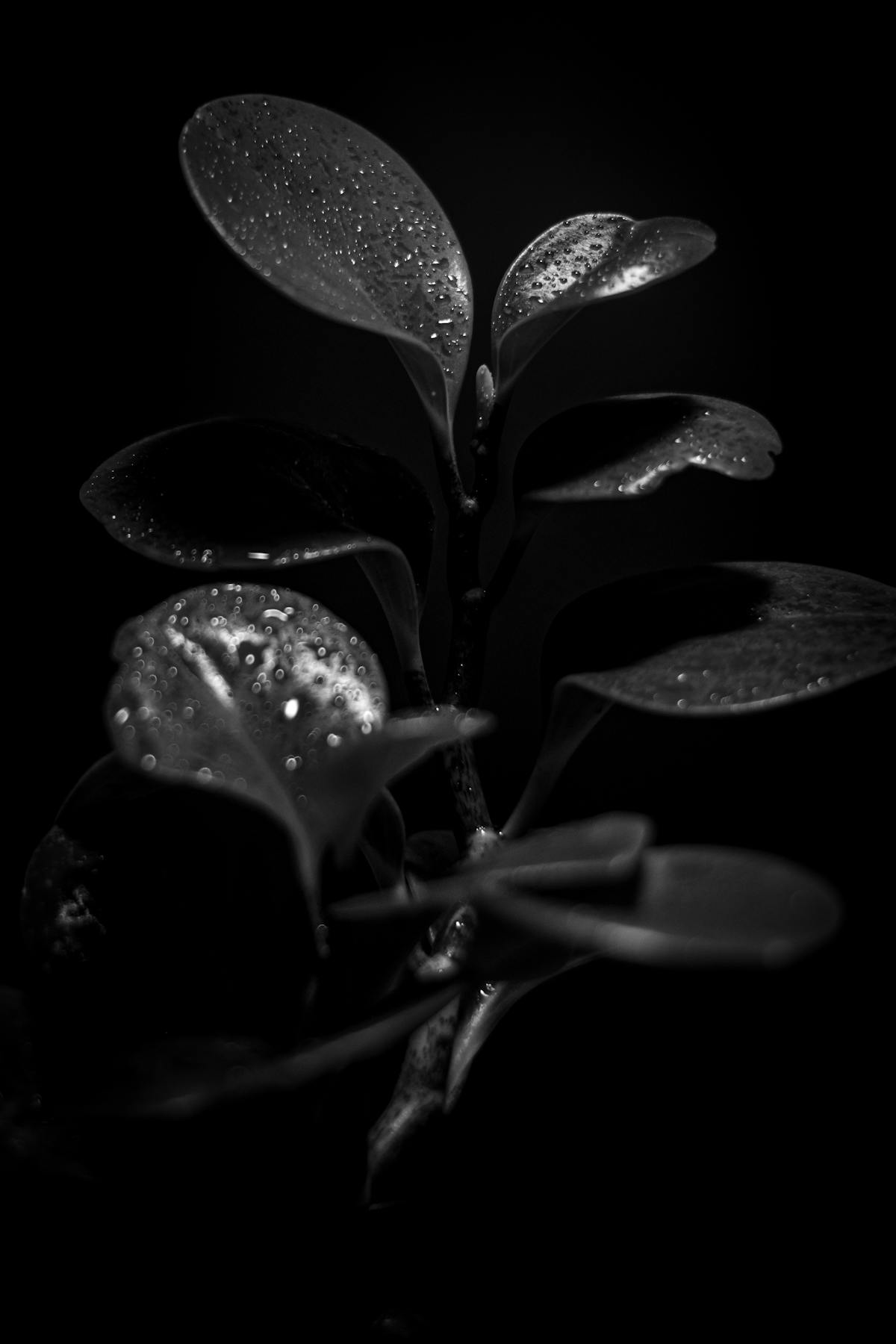
1. Peperomia Overwatering Rescue: The Science of Anoxia and Pathogenesis
Roots require oxygen to perform Cellular Respiration. Without it, the "engine" of the plant stops.
- Hypoxia to Anoxia: As water fills the Macro-Pores in the soil, the oxygen is squeezed out. Within 24 hours, the root zone becomes anaerobic.
- The Opportunists: Anaerobic bacteria and fungi (like Phytophthora and Pythium) thrive in this low-oxygen environment. They release enzymes that dissolve the root's protective cuticle, leading to the "mushy" black texture of Root Rot.
- The Signal: The plant responds by producing Ethylene, which triggers the Abscission of lower leaves as it tries to reduce its energy load.
2. Step 1: The Surgical Debridement
You cannot "dry out" rot. You must physically remove the infection.
- Extraction: Remove the plant from the pot and wash the soil away completely using lukewarm water.
- The Cut: Using sterilized shears, cut away every root that is brown, black, or soft. Healthy Peperomia roots should be white or light tan and firm.
- Oxidative Wash: Soak the remaining healthy roots in a solution of 1 part 3% Hydrogen Peroxide to 2 parts water for 10 minutes. The peroxide releases pure oxygen, which kills anaerobic bacteria and "cleans" the root surface.
3. Step 2: Medium Re-Engineering
If your plant rotted once, your Soil Mix is likely too dense.
- The Porosity Target: Replant in a mix that is at least 50% Inorganic. Use perlite, pumice, or coarse sand. This ensures that even when the soil is wet, there are still "Air Pockets" (macro-pores) available for root respiration.
- The Pot Shift: If you used plastic or ceramic, consider switching to Terracotta. The porous walls allow for "Lateral Evaporation," which pulls water out of the root zone 3x faster than non-porous materials.
4. Step 3: The Recovery Ward
A recovering plant has a severely reduced "Hydraulic Capacity."
- Low Light/High Humidity: Move the plant to a spot with lower light. High light increases the Transpiration Rate, which the damaged roots cannot keep up with. High humidity reduces the "Pull" on the leaves, giving the roots time to heal.
- The Wait: Do not water again until the soil is 100% dry to the bottom of the pot. Utilize the Chopstick Test daily.
Conclusion
A rescue succeeds or fails on root condition, not on how quickly the leaves recover. Overwatering is a biological emergency, but it is not a death sentence. By understanding the science of Root Anoxia and performing a Surgical Debridement, you can stop the infection and trigger the growth of new, healthy Adventitious Roots. A Peperomia that survives rot is a plant that has been "re-oxygenated" by a scientifically literate grower.
Recovery Resources:
Care FAQ
Why does an overwatered plant wilt?
This is the 'Hydraulic Paradox'. When roots are deprived of oxygen (Anoxia), they lose their ability to perform Active Transport. This means they physically cannot drink, even if they are submerged in water. The leaves wilt because they are 'thirsty' despite the wet soil.
Can I save a plant with black, mushy roots?
Yes, but you must be aggressive. Black roots are infected with Anaerobic Pathogens like Pythium. You must surgically remove all dead tissue and treat the remaining root system with an oxidizing agent like 3% Hydrogen Peroxide to kill the bacteria and re-oxygenate the zone.
How long does recovery take?
The development of new Adventitious Roots takes 2 to 4 weeks. During this time, the plant will not grow new leaves, as it is redirecting all its glucose toward root-zone repair.
Should I fertilize a recovering plant?
No. Fertilizer is a salt. Adding salts to damaged roots causes Osmotic Stress, which can kill the tiny new root hairs as they emerge. Wait until you see new leaf growth before resuming a nutrient schedule.