Peperomia Outdoor Summer: Avoid Sunburn & UV Damage
Peperomia obtusifolia can spend the warmer months outdoors and often grows more vigorously there than it does inside, but only if it is moved into brighter, wind-exposed conditions gradually — an indoor-grown leaf has a thinner cuticle than an acclimated one, and skipping the transition is the single most common cause of outdoor sunburn. The main limiting factor is light intensity, not temperature: this species tolerates outdoor warmth easily but burns quickly in unfiltered direct sun it hasn't been acclimated to.
Quick Suitability Checklist
| Factor | Outdoor suitability |
|---|---|
| Light | Bright, dappled, or filtered shade — yes; unfiltered midday sun — no, even after acclimation |
| Temperature | Comfortable within 18-24°C day; damage risk below 10°C sustained |
| Airflow | Beneficial — encourages sturdier growth, but increases water demand |
| Humidity | Tolerates typical outdoor summer humidity without issue |
| Watering access | Needs more frequent checking than indoors — substrate dries faster |
| Duration | Full growing season is fine; bring in before autumn nights approach 10°C |
The Main Risks, Ranked
- Sunburn from an abrupt move into direct or unfiltered light. This is by far the most common outdoor failure. Indoor glass filters a substantial share of incident UV, so a plant moved straight from a windowsill into open sun is exposed to a light intensity and spectrum its leaves are not yet built for — chloroplasts are damaged above roughly
40,000 luxunfiltered, producing bleached, papery patches that do not reverse. - Underwatering from misjudging the faster dry-down. Higher temperature and constant air movement increase transpiration well beyond the indoor rate, and a watering interval that was correct indoors will leave the plant dry for longer than intended outside.
- Pest introduction, discovered only when moving the plant back indoors in autumn. Outdoor exposure brings contact with aphids, mealybugs, and other pests that an indoor-only plant rarely encounters.
Best Placement and Setup
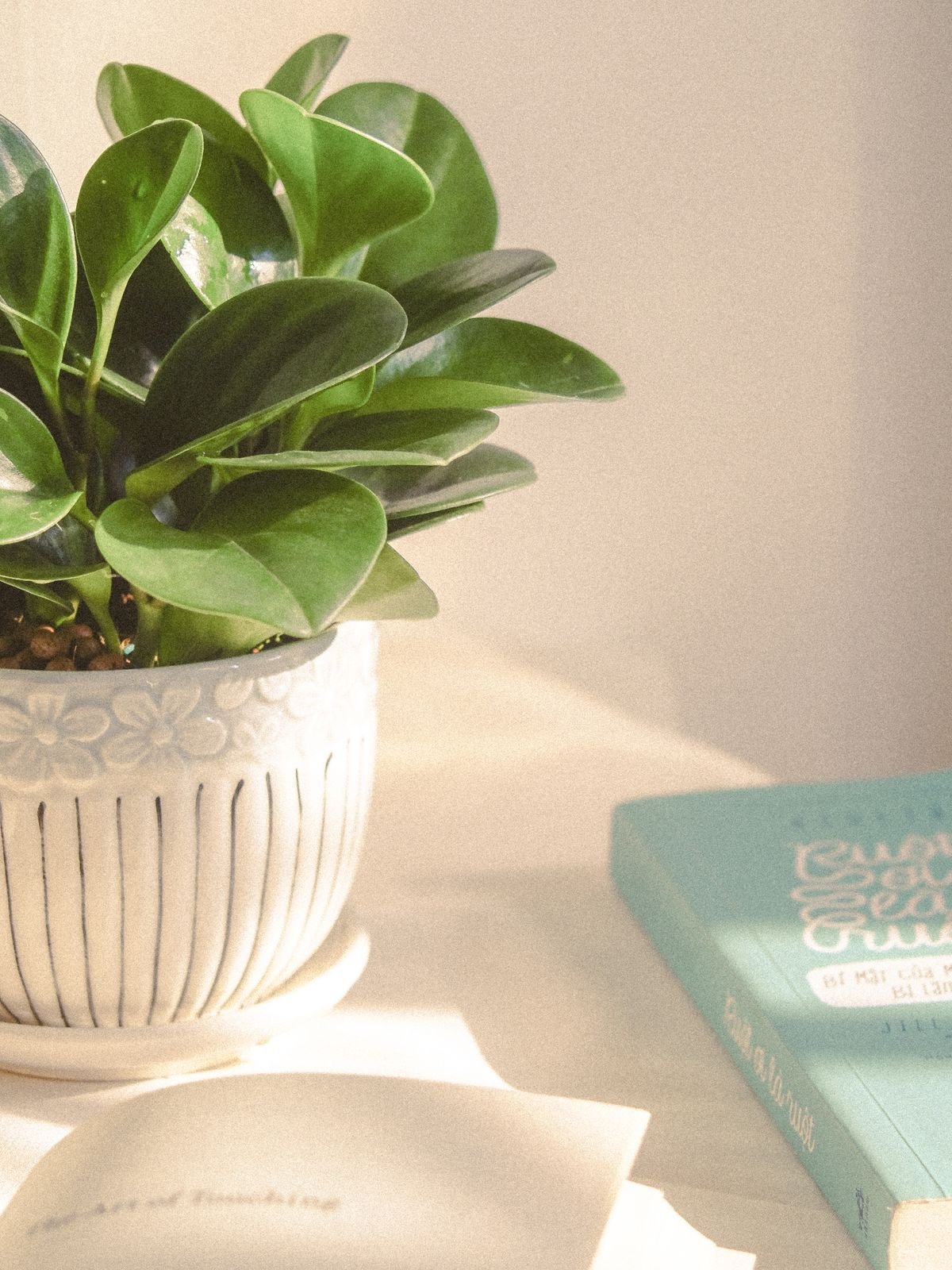
Choose a spot with bright, dappled, or filtered shade — under a porch roof, beneath taller plants, or on the shaded side of a patio — rather than a position that receives several hours of direct midday sun. Begin with short exposure and increase it gradually over about 7-10 days: an hour or two of gentle morning light on the first few days, extending toward a full day in filtered shade by the end of the transition period. This gradual approach lets the plant thicken its waxy cuticle and adjust its internal water balance before facing sustained outdoor conditions, rather than being shocked into it.
How Watering and Light Must Change
Once outdoors, check the substrate directly rather than relying on the indoor interval — a wooden skewer at mid-pot or a pot-weight comparison, the same checks used indoors, still apply. Expect to water noticeably more often than the 10-14 day summer indoor interval; exact timing depends on temperature, wind, and pot material, so treat the indoor schedule as a starting reference to abandon quickly once outdoor conditions establish their own rhythm. Light should stay in the dappled-to-filtered range throughout the season — moving the plant to catch "a bit more sun" later in summer risks the same sunburn a rushed initial transition does.
Warning Signs the Setup Is Failing
- Bleached, papery, or white-grey patches on leaves facing the light source — sunburn from light intensity the plant has not adjusted to.
- Wilting or softened leaves despite recent watering — the substrate is likely drying faster than expected; confirm with a direct check rather than assuming recent watering was sufficient.
- New growth emerging thin and pale rather than thicker and more compact — a sign the plant has not received enough graduated light exposure to trigger the sturdier outdoor growth habit.
- Visible pests on leaves or stems, especially before bringing the plant back indoors — treat and quarantine before reintroducing it to an indoor collection.
What Not to Do
Do not move a Peperomia straight from an indoor windowsill into full, unfiltered outdoor sun expecting it to "toughen up" quickly — this is the most common single mistake behind outdoor sunburn, and the damage does not reverse once it happens. Do not assume the indoor watering schedule still applies once the plant is outside; checking the substrate directly matters more outdoors than it does indoors, precisely because conditions change so much faster.
How This Connects to Broader Care
The light and watering adjustments here sit on top of, not instead of, the plant's standard thresholds — see the complete care guide for the full baseline this seasonal move is adjusting. If the room the plant returns to in autumn runs low on ambient humidity compared to a humid outdoor summer, the humidity guide covers the reverse transition. For a sealed, humidity-stable alternative to outdoor exposure altogether, see the terrarium guide, and for a different seasonal draft risk indoors once the plant comes back in, see the air conditioning guide.
Existing sunburn does not reverse once it happens — for a plant that's already showing bleached patches from a rushed transition, the sunburn treatment guide covers what can and can't be recovered.
Care FAQ
Can Peperomia obtusifolia go in full sun outdoors?
Not unfiltered direct sun. Above roughly 40,000 lux unfiltered, chloroplasts are damaged and leaves develop bleached, papery patches regardless of acclimation. Bright, dappled, or filtered shade is the safe outdoor target, not open midday sun.
Do I need to water more often outdoors?
Yes, often substantially more. Higher temperatures and moving air increase transpiration well beyond indoor rates, so substrate that took 10-14 days to dry indoors may dry in a fraction of that time outside. Check the substrate directly rather than assuming the indoor schedule still applies.
When should I bring it back inside for the year?
Before nighttime temperatures approach the species' cellular damage threshold — sustained exposure below 10°C causes tissue damage, and this species has no frost tolerance at all. Bring it in well before overnight lows get close to that point, not after the first cold snap.
What is hardening off, and is it required?
Hardening off is the gradual, staged increase in light and wind exposure that lets a plant develop a thicker cuticle and sturdier stems before facing full outdoor conditions. It is required for a plant that has spent the winter indoors — skipping it is the most common cause of outdoor sunburn.