Peperomia Office Plant: Best Low-Light Survivor
Peperomia obtusifolia as an office plant holds up better than most common desk species because its specific traits happen to match office conditions: water-storing leaves that tolerate irregular watering, a genuinely low light-compensation point that survives (not thrives) under fluorescent or LED lighting, and a waxy cuticle that resists the drying effect of HVAC-conditioned air. It is not universally low-maintenance — a desk with no light at all will still see it decline over months, just more slowly than it would a fern or a calathea.
Why It Tolerates Office Conditions Better Than Most Desk Plants
Three environmental factors define a typical office, and this species happens to be built for exactly that combination:
Artificial, often marginal light. Standard office fluorescent or LED fixtures deliver roughly 300-500 lux at desk height — below the 800-1,000 lux tolerated minimum this plant needs to hold steady, and well under the 2,000-4,000 lux optimum for active growth. It survives that gap longer than most tropicals because of a genuinely low light-compensation point — the light level at which photosynthesis output equals the plant's own respiration cost — but "surviving longer" is not the same as thriving, and growth will be slow to absent without at least some natural or supplemental light reaching the desk.
Dry, conditioned air. Office HVAC systems often keep relative humidity below 30%, sometimes below 20% in winter. The plant's thick, waxy cuticle limits water loss through the leaf surface far better than thinner-leaved office plants like ferns or calatheas, which routinely develop crisp brown edges in the same conditions.
Irregular watering. Water-storing tissue in the leaves lets the plant go 14-21 days between waterings without stress, which matches a typical Monday-to-Friday office rhythm and survives the gap created by a long weekend or a week away far better than a plant that expects consistently damp soil.
Where Office Light Actually Falls Short
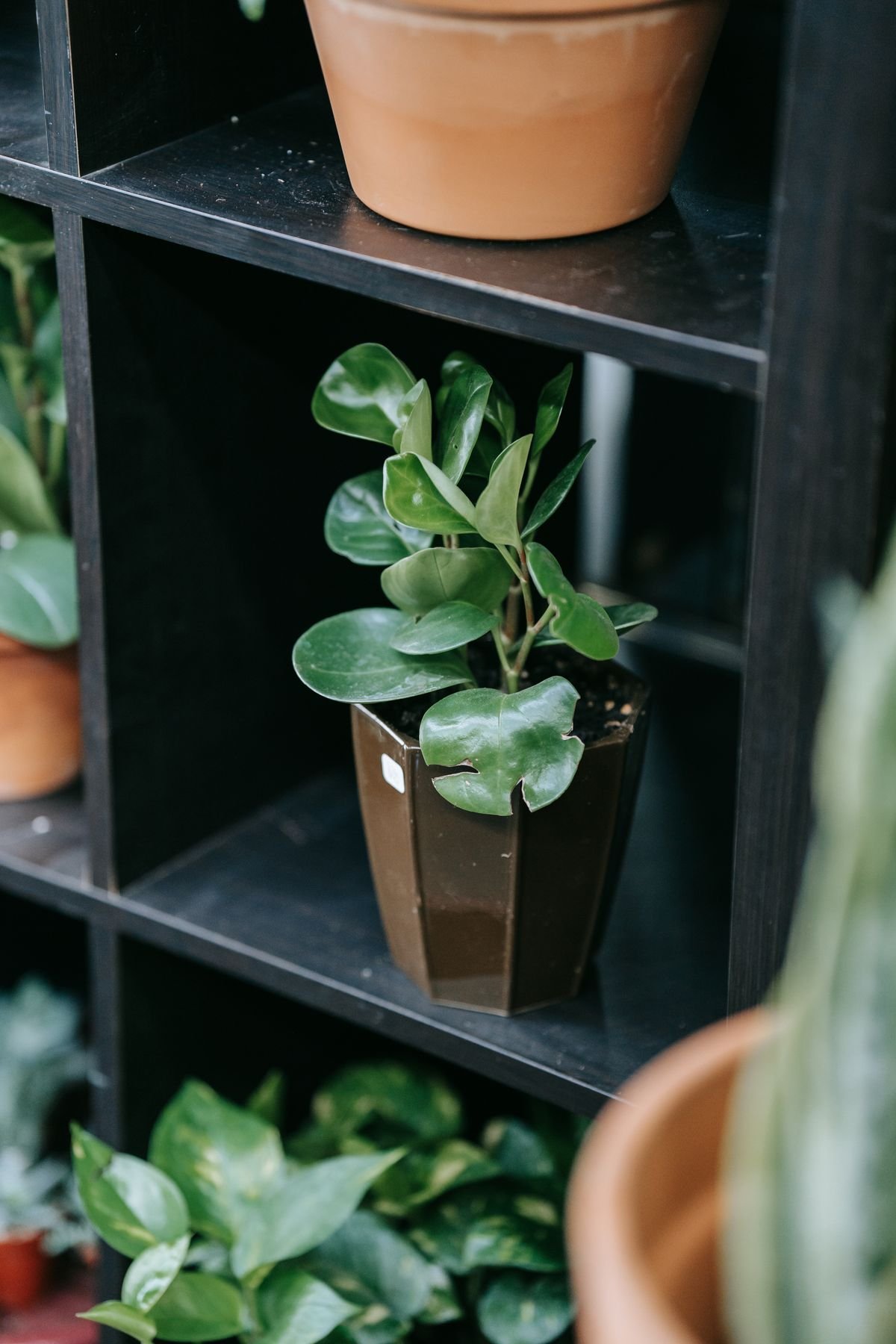
A desk with no natural light at all is a genuine limitation, not something this species simply shrugs off. Below the 800-1,000 lux tolerated minimum, the plant draws down stored energy reserves rather than replacing them, and growth stalls entirely over weeks to months even though the plant may still look presentable. If the desk sits more than a couple of metres from any window, a small supplemental LED grow light does more for long-term appearance than any amount of watering discipline — light, not water, is the actual limiting factor in most office placements. The full light-versus-lux breakdown for different room types is covered in the light requirements guide.
What to Do: Setting Up a Desk Specimen
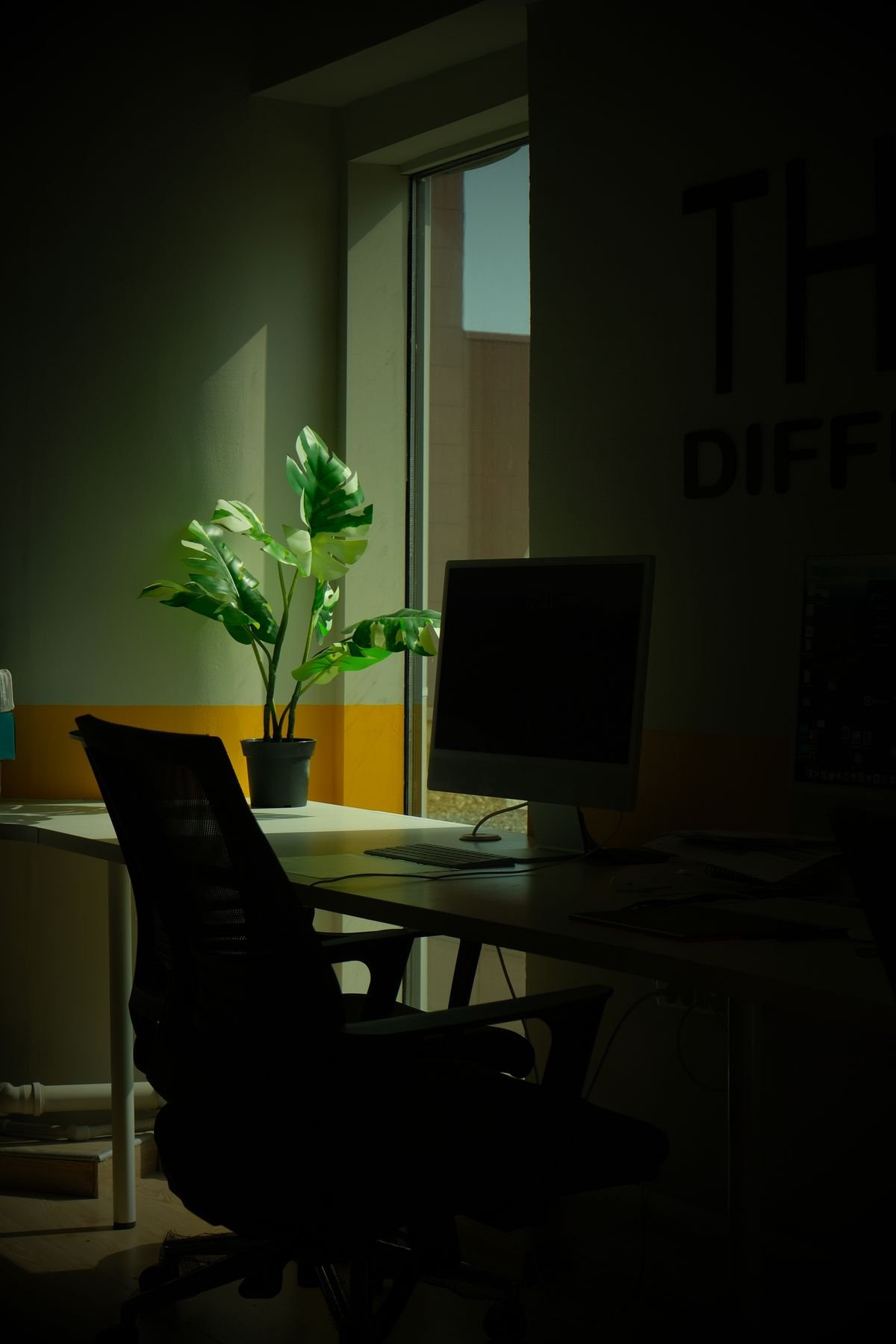
- Position it as close to any natural light source as the desk layout allows, even indirect light through a distant window — every bit narrows the gap toward the 800-1,000 lux minimum.
- Water on a fixed weekly or biweekly check rather than a strict calendar, using the same top-2-3-cm-dry test recommended in the complete care guide — office watering habits drift easily without a physical check to anchor them.
- Choose a compact pot that suits the desk footprint rather than sizing up for faster growth; a snug pot also tolerates the uneven watering rhythm of office life better than an oversized one.
- Wipe dust off the leaves occasionally. Office air carries more dust than a typical home room, and a dust film on the leaf surface reduces the little light the plant is already working with.
What Not to Do
Do not assume a single desk plant will meaningfully change the room's air quality or humidity — the effect exists but is too small in an open, ventilated office to notice. Do not skip watering entirely because the plant "seems fine" after weeks of neglect; visible decline from cumulative under-watering shows up well after the stored reserves are already spent. And do not treat a thriving windowsill specimen and a windowless desk specimen as needing identical care — the desk plant is running a permanent light deficit that watering cannot compensate for.
How This Connects to Broader Care
An office Peperomia is subject to the same watering, light, and pest fundamentals as any indoor specimen — it simply operates nearer the tolerated-minimum end of the range rather than the optimum. For placement decisions once you know the desk's light level, the feng shui placement guide covers positioning logic beyond just light; if the plant becomes leggy from months under marginal light, the pruning guide restores a compact shape once conditions improve; and growers who travel frequently for work sometimes find a desk specimen easier to manage in LECA, since a full reservoir buys more days of neglect-tolerance than soil does over an extended trip.
Care FAQ
Can Peperomia obtusifolia survive in a windowless office?
It can survive, not thrive. Standard office fluorescent or LED lighting typically provides somewhere in the 300-500 lux range at desk height, well below the 800-1,000 lux tolerated minimum this species needs just to hold steady, let alone the 2,000-4,000 lux it needs to grow actively. A windowless desk keeps it alive longer than most tropicals, but it will slowly decline without at least occasional supplemental light.
Does a desk Peperomia meaningfully improve office air quality?
Not in a way you would notice. A single potted plant's CO2 and volatile-compound processing is real but too small in a normally ventilated office to change measurable air quality — the oft-cited NASA clean-air findings were from sealed test chambers, not open rooms. The more noticeable effect is a small, localised rise in humidity near the plant from transpiration.
Is Peperomia obtusifolia safe for a shared workspace?
Yes. It is non-toxic to people and pets, unlike Pothos or Philodendron, which contain calcium oxalate crystals that irritate skin and mouths on contact. It produces no noticeable scent and rarely flowers indoors, so allergy risk from pollen is minimal.
How long can an office Peperomia go without watering?
Comfortably 14-21 days thanks to its water-storing leaf tissue, which is why it tolerates a typical Monday-to-Friday office schedule and even a missed watering over a long weekend or short trip far better than thinner-leaved plants.