
Mealybugs on Peperomia: Identification, Biology & Treatment
Mealybugs (family Pseudococcidae) are among the most damaging soft-bodied insects to infest Peperomia obtusifolia. The three-mechanism treatment protocol requires: 70% isopropyl alcohol to dissolve the hydrophobic wax cuticle, potassium fatty-acid insecticidal soap to block spiracular respiration, and a systemic insecticide (imidacloprid or azadirachtin) applied as a soil drench to reach the chemically impervious ovisac from within the plant's phloem. Contact treatments alone cannot eradicate an established colony. A minimum 28-day treatment cycle, timed to the complete Pseudococcidae lifecycle at indoor temperatures of 22–26°C, is required.
The white cottony masses in the leaf axils are visible only after a colony has been established for several weeks. By that point, egg sacs containing 100–500 eggs are already sealed against both alcohol and soap. The visible adults represent the expendable fraction of the population — the ovisacs are the part that conventional treatment cannot reach.
| Treatment agent | Target | Kill mechanism | Residual activity |
|---|---|---|---|
| 70% isopropyl alcohol | Adults, juveniles with wax coat | Cuticle dissolution → desiccation | None |
| Potassium fatty-acid soap | Crawlers, soft-bodied adults | Spiracle blockage → suffocation | None |
| Imidacloprid (soil drench) | All feeding stages via phloem | nAChR binding → nerve paralysis | 4–8 weeks |
| Azadirachtin / neem (drench) | Juveniles | Ecdysone disruption → no moulting | 3–4 weeks |
1. Identification: Confirming the Pest Before Treatment
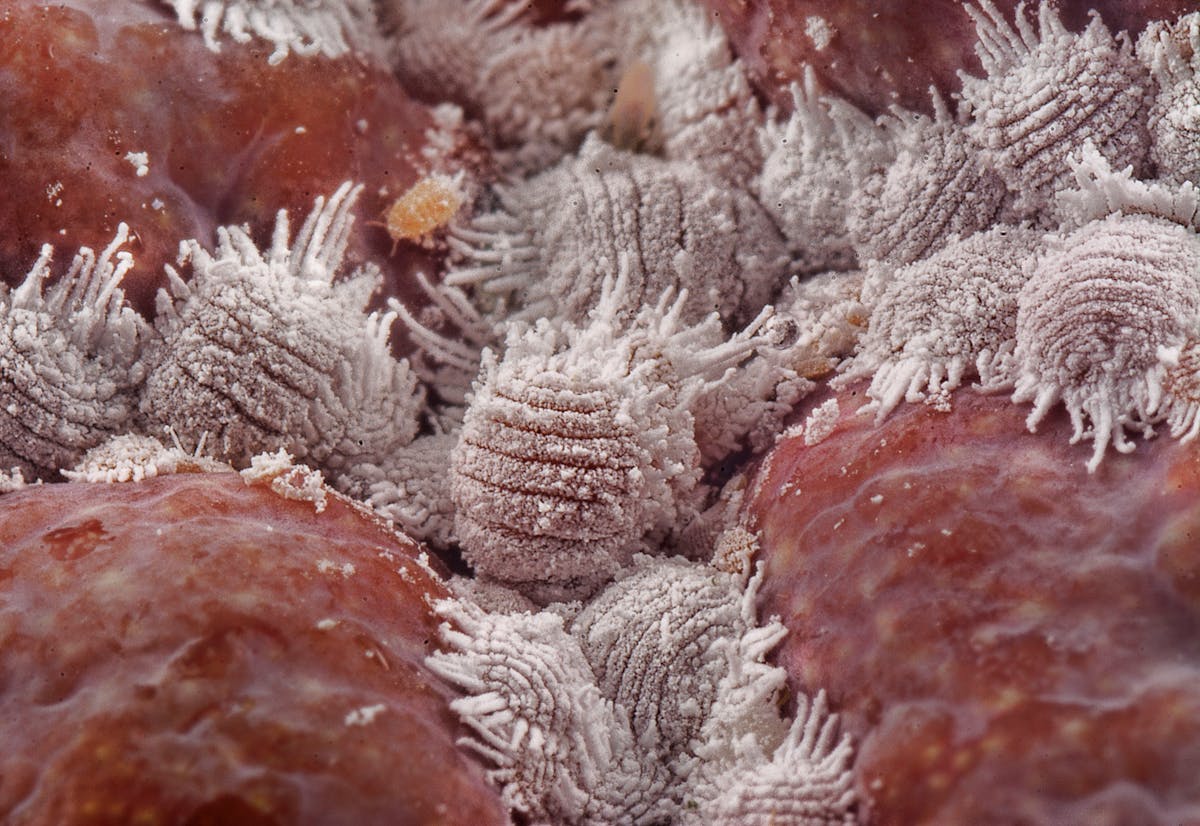
Misidentification risks phytotoxic overtreatment. Woolly aphids, scale insects, and fungus gnat egg masses all produce white residue that superficially resembles mealybug colonies.
Primary indicators on Peperomia obtusifolia:
- White cottony masses in V-shaped leaf axils — the junction where leaf meets stem is the plant's most sheltered microhabitat and the colony's preferred breeding site.
- Sticky honeydew residue on lower leaves — excreted by feeding adults and juveniles; the primary substrate for black sooty mould (Capnodium spp.) which films over leaf surfaces, blocking stomata and inhibiting photosynthesis.
- Pale, puckered leaves — sustained phloem sap removal reduces turgor pressure in the succulent leaf tissue; this is the first visible growth symptom and typically indicates a colony several weeks old.
- Translucent crawlers on stems — first-instar nymphs (0.5 mm, yellow-orange, lacking wax) are the most mobile stage and the primary vector of spread between plants.
- Ants on the plant or pot rim — ants actively farm mealybug colonies, consuming the honeydew and defending the insects from predators. Ant activity on a houseplant is a reliable secondary indicator of a sap-feeding infestation.
According to the UC IPM Statewide Program, mealybugs may be confused with cottony cushion scale, woolly aphids, and some soft scales — all of which require slightly different treatment approaches. Examine the insect beneath the wax before committing to a protocol.
2. The Wax Biology: Why Water and Weak Solutions Fail
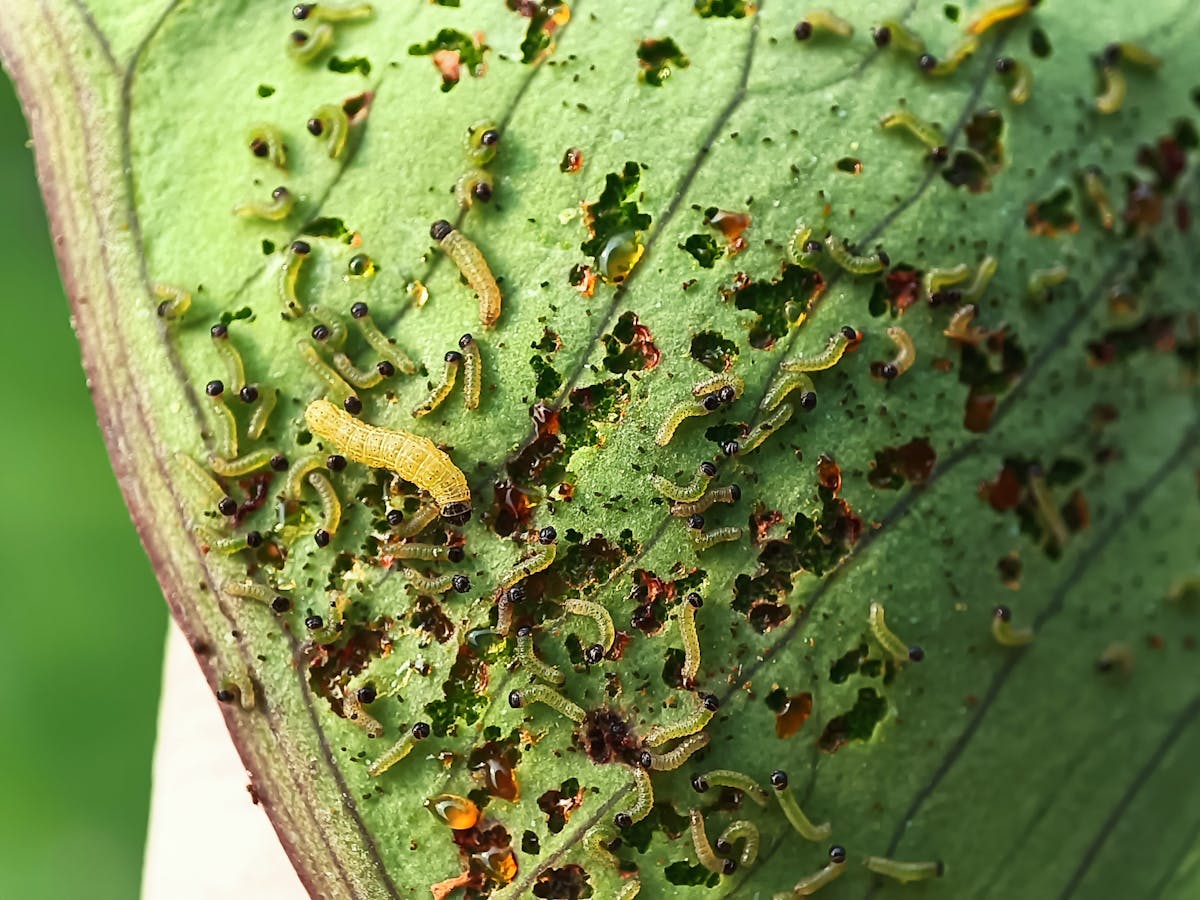
The mealybug's white coating is a functional biological defence, not a passive accumulation.
The wax layer is composed of long-chain fatty acid esters — a hydrophobic matrix that repels water-based sprays entirely. Simple water misting, dish soap dilutions below effective concentration, and most foliar fertiliser sprays bead off the insect's surface without contact. The wax also functions as thermal insulation, stabilising the insect's body temperature against environmental fluctuations that would otherwise cause desiccation.
The chemical vulnerability of this wax is specific: it is highly soluble in alcohols. 70% isopropyl alcohol is the optimal contact agent because it achieves the balance between surface tension reduction, solvency, and dwell time. At 100% concentration, alcohol evaporates before full penetration. Below 50%, solvency is insufficient to dissolve the ester bonds. At 70%, it strips the wax on contact and the insect desiccates within seconds.
Insecticidal soap operates on a different mechanism entirely: potassium fatty-acid soap penetrates the insect's spiracles — the lateral breathing pores along the thorax and abdomen — blocking gas exchange and causing suffocation. This makes it particularly effective against crawlers that have not yet developed full wax coverage.
Neither alcohol nor soap has residual activity. Both are inert within minutes of application. Any egg that hatches after treatment encounters an uncontaminated plant surface — which is the mechanism behind reinfestation.
3. The Lifecycle Problem: Why One Treatment Never Works
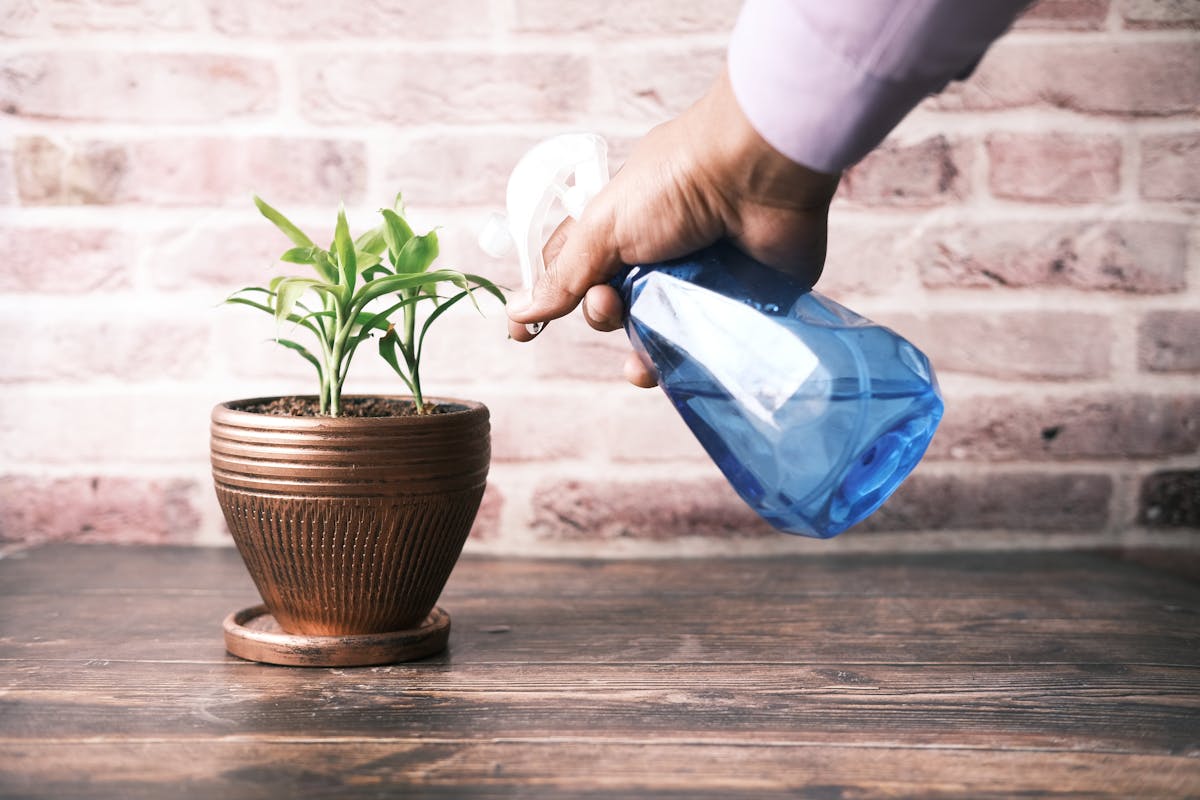
The Pseudococcidae lifecycle at 22–26°C runs 28–45 days. The ovisac — not the adult — is the reason eradication fails.
- Egg stage: A single female deposits 100–500 eggs in a cottony ovisac whose wax composition makes it chemically impervious to both alcohol and soap. Eggs hatch in 7–14 days.
- Week 1 (crawler stage): Newly hatched nymphs are yellow-orange, wax-free, and highly mobile. This is the most vulnerable stage and the primary target of contact treatments.
- Week 2 (juvenile stage): Crawlers settle on feeding sites, begin secreting their own wax coat, and become progressively more resistant to contact agents.
- Week 3 (maturation): Females reach reproductive maturity.
- Week 4 (oviposition): Females deposit a new generation of eggs in sealed ovisacs, restarting the cycle.
The treatment window is narrow: contact insecticides are most effective during the crawler stage (week 1) and on adults before full wax coat formation. A single week of missed treatment allows the egg reservoir to replenish the entire visible colony. This is why a 4-week minimum treatment cycle — with no gaps — is the operational standard confirmed by the RHS Glasshouse Mealybug guidance and the Clemson Extension houseplant pest factsheet.
4. The 28-Day Eradication Protocol: Contact + Systemic
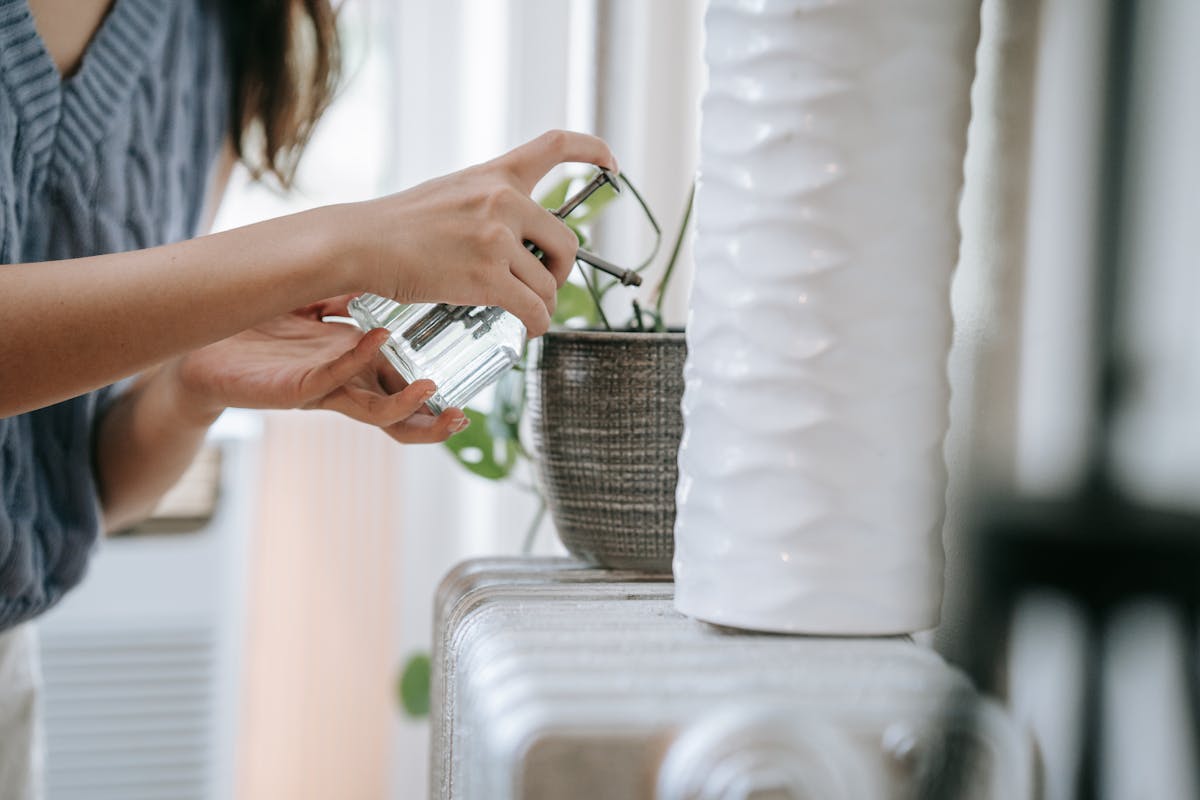
Step 1 — Isolation: Quarantine the infested specimen immediately. First-instar crawlers migrate between pot rims in under 24 hours and transfer on clothing and tools.
Step 2 — Manual removal: Using a cotton swab soaked in 70% isopropyl alcohol, dab each visible colony directly. Do not spray alcohol broadly — targeted application on individual colonies minimises the risk of leaf-surface phytotoxicity. The leaf axils and stem nodes require individual attention; the plant's own architecture shelters colonies from general spray coverage.
Step 3 — Insecticidal soap spray: After manual removal, apply a potassium fatty-acid insecticidal soap as a full-coverage spray targeting all stem surfaces, leaf undersides, and axils. This covers crawlers in concealed locations that the swab cannot reach.
Step 4 — Systemic soil drench (Week 1): Apply imidacloprid as a soil drench at the label dosage (typically 0.24 g active ingredient per litre). Imidacloprid binds to nicotinic acetylcholine receptors (nAChRs) in the insect nervous system, causing continuous nerve firing, paralysis, and death. It is absorbed by roots, transported through the xylem, and concentrated in the phloem — the precise tissue mealybugs feed on. Any crawler that pierces the phloem and feeds receives a lethal dose within hours. Systemic protection begins within 7–14 days and persists for 4–8 weeks.
| Week | Contact treatment | Systemic status |
|---|---|---|
| 1 | Alcohol swab + soap spray | Imidacloprid drench applied |
| 2 | Soap spray + inspect all axils | Imidacloprid active |
| 3 | Alcohol swab on any new colonies | Imidacloprid active |
| 4 | Soap spray + final inspection | Azadirachtin drench (rotation) |
For those avoiding neonicotinoids, azadirachtin (cold-pressed neem oil) soil drench at 5–10 ml per litre of water is the systemic alternative. It disrupts ecdysone synthesis, preventing crawlers from moulting into reproductive adults. It is slower-acting than imidacloprid but carries no resistance risk. Rotate the two systemic agents between treatment cycles to prevent resistance development in surviving populations.
For confirmed Peperomia leaf yellowing that accompanies an active infestation, the yellowing will not resolve until the colony is eliminated and the plant has completed at least one full leaf growth cycle post-treatment.
5. Root Mealybugs: The Subterranean Variant
Several Rhizoecus species feed exclusively below the soil line on the root hairs of Peperomia obtusifolia. Their presence is not detectable from above-soil inspection.
Diagnostic signs:
- Wilting and growth stagnation despite adequate soil moisture — the root hair damage severs water uptake capacity
- White cottony patches visible on roots during repotting
- Progressive decline despite absence of visible above-soil pests
Treatment:
- Remove the plant from its pot and inspect the root zone.
- Rinse the roots under running water to dislodge the colony mechanically.
- Apply a soil drench of 3% hydrogen peroxide diluted 1:4 with water — the oxidising reaction kills mealybugs on contact at the root surface without damaging the plant at this concentration.
- For established subterranean infestations, follow with an imidacloprid soil drench at full label dosage after 48 hours.
- Repot into fresh, sterile substrate. Do not reuse the contaminated growing medium.

6. Prevention: Conditions That Reduce Establishment Risk
Mealybug colonies establish most readily on plants experiencing physiological stress — reduced turgor from underwatering, light deficiency causing lower metabolite production, or root hypoxia from waterlogged substrate. A specimen in optimal condition is not immune to infestation but presents less favourable conditions for colony expansion.
- Quarantine new acquisitions for 14 days before introducing them to an existing collection. First-instar crawlers are too small to be reliably visible during a purchase inspection.
- Maintain pot-to-pot separation — crawlers walk between rim-to-rim contact within hours.
- Inspect leaf axils and stem nodes weekly, using a hand lens for early detection. A single colony at week one represents a fraction of the treatment burden of a colony discovered at week four.
- Avoid overwatering — root stress from waterlogged substrate directly creates the conditions for root mealybug establishment. See Peperomia obtusifolia spider mite and pest comparison for a full differential diagnosis of white residue on the plant.
- Clean tools between plants with 70% isopropyl alcohol after each use.
Conclusion
Mealybug control on Peperomia obtusifolia requires operating against two separate defensive systems simultaneously: the wax cuticle (breached by 70% alcohol on adults) and the ovisac (bypassed by systemic imidacloprid or azadirachtin delivered through the phloem). Contact treatments alone address the visible population; systemic treatment addresses the protected reproductive population. The 28-day campaign structure is not arbitrary — it maps precisely onto the lifecycle from egg to reproductive adult at indoor temperatures. The single most common reason eradication fails is stopping treatment when adults are no longer visible. At that point, eggs sealed in ovisacs are 7–10 days from producing a new generation of crawlers on an untreated plant.
Care FAQ
What do mealybugs look like on Peperomia obtusifolia?
Mealybugs (family Pseudococcidae) appear as small (2–3 mm), white, cottony or powdery clusters concentrated in the V-shaped leaf axils where leaves join the stem, along stem nodes, and on leaf undersides. The white 'fluff' is a hydrophobic wax secreted by the insect to protect itself from desiccation and repel water-based treatments. Sticky honeydew residue on lower leaves and black sooty mould on leaf surfaces are secondary indicators of an established colony.
Does rubbing alcohol kill mealybugs instantly?
70% isopropyl alcohol kills adult mealybugs on direct contact by dissolving the fatty acid ester wax cuticle, causing rapid desiccation. The 70% concentration is optimal — 100% alcohol evaporates too quickly for full penetration, while concentrations below 50% lack sufficient solvency. Alcohol has no residual activity and cannot penetrate sealed ovisacs, which is why repeat treatments over 4 weeks are required. Test on one leaf 24 hours before full treatment to check for phytotoxic sensitivity.
Why do mealybugs keep coming back after treatment?
Contact insecticides (alcohol, insecticidal soap) cannot penetrate the waxy egg sac (ovisac). A female Pseudococcus deposits 100–500 eggs inside a wax-sealed cottony ovisac that is chemically impervious to both agents. Eggs hatch 7–10 days after adults are killed, producing a new crawler generation. Without a systemic insecticide (imidacloprid or azadirachtin) absorbed through the plant's roots and delivered via the phloem, the egg reservoir will continue repopulating the colony indefinitely.
Can mealybugs hide in the soil?
Yes. Root mealybugs (several Rhizoecus and Praelongorthezia species) live entirely below the soil line, feeding on root hairs. Signs include wilting despite adequately moist soil, and white cottony patches visible on roots during repotting. A soil drench of 3% hydrogen peroxide diluted 1:4 with water provides contact-kill oxidation at the root zone. For established subterranean infestations, imidacloprid soil drench is the most reliable systemic option.
How long does a complete mealybug eradication campaign take?
A minimum of 28 days, timed to the full Pseudococcidae lifecycle at indoor temperatures of 22–26°C. Weekly applications of contact treatments combined with a systemic soil drench applied in week one provides coverage across every lifecycle stage: egg, crawler, juvenile, and reproductive adult. Stopping treatment when adults are no longer visible is the primary reason infestations recur — eggs in sealed ovisacs are 7–10 days from hatching at that point.
Is imidacloprid safe to use on indoor Peperomia?
When applied as a soil drench rather than a foliar spray, imidacloprid remains within the plant's vascular system and is not volatilised into the air, presenting minimal inhalation risk to humans and pets in a normal indoor environment. Avoid using imidacloprid spray formulations near flowering plants or where pollinators may be present. Rotate imidacloprid with azadirachtin (neem) between treatment cycles to reduce the risk of resistance development.
Can I use neem oil as a soil drench for mealybugs on Peperomia?
Yes. Azadirachtin (the active compound in cold-pressed neem oil) used as a soil drench is absorbed via the roots and translocated into the phloem, where it disrupts ecdysone (moulting hormone) synthesis and prevents crawlers from maturing into reproductive adults. Dosage: 5–10 ml of 100% cold-pressed neem oil emulsified in 1 litre of warm water with 2–3 drops of castile soap as an emulsifier. Apply monthly. It is slower-acting than imidacloprid but carries no resistance risk and is safe for a bioactive soil ecosystem.