
Spider Mites on Peperomia: Identification, Biology & Eradication
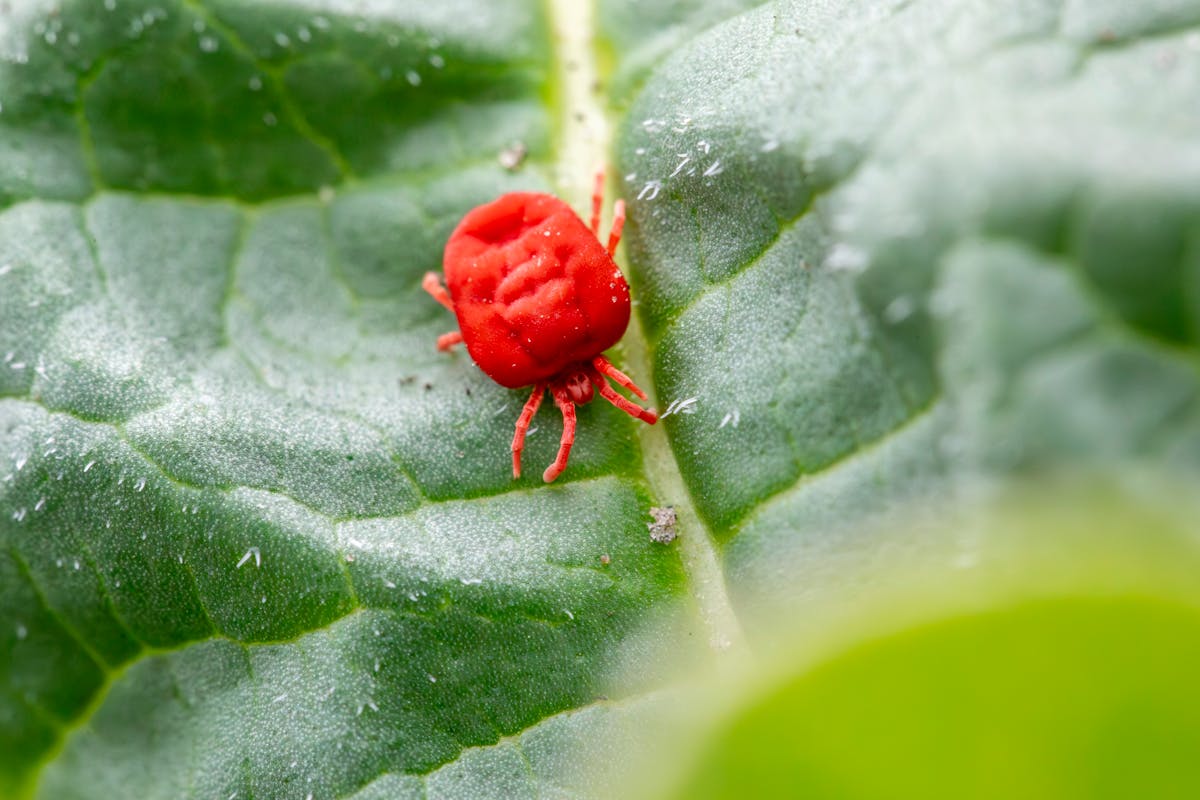
Spider mites (family Tetranychidae, order Acari) are arachnids — eight-legged relatives of spiders and ticks, not insects. This classification determines treatment: conventional insecticides including pyrethroids are largely ineffective against them and eliminate their natural predators, frequently worsening infestations. On Peperomia obtusifolia, Tetranychus urticae (two-spotted spider mite) is the dominant species. It pierces individual leaf cells with cheliceral stylets and drains the chloroplast-containing cytoplasm, leaving permanent white stippling marks. Eradication requires three sequential mechanisms: physical dislodgement (water pressure), contact kill (potassium fatty-acid soap), and growth disruption (azadirachtin). Maintaining relative humidity above 60% is the primary long-term suppressor of population growth.
The damage typically precedes visible detection of the pest. Stippling on the upper leaf surface, fine silk webbing in leaf axils, and progressive leaf bronzing appear as the colony expands. At 0.5 mm body length, adult spider mites are at the limit of naked-eye visibility. A colony can reach several thousand individuals on a single Peperomia within 2–3 weeks under warm, dry indoor conditions — a consequence of the 5-day generation cycle at 27°C.
| Indicator | Appearance | Significance |
|---|---|---|
| White/grey stippling | Pinpoint dots on upper leaf surface | Permanent cell destruction — active feeding |
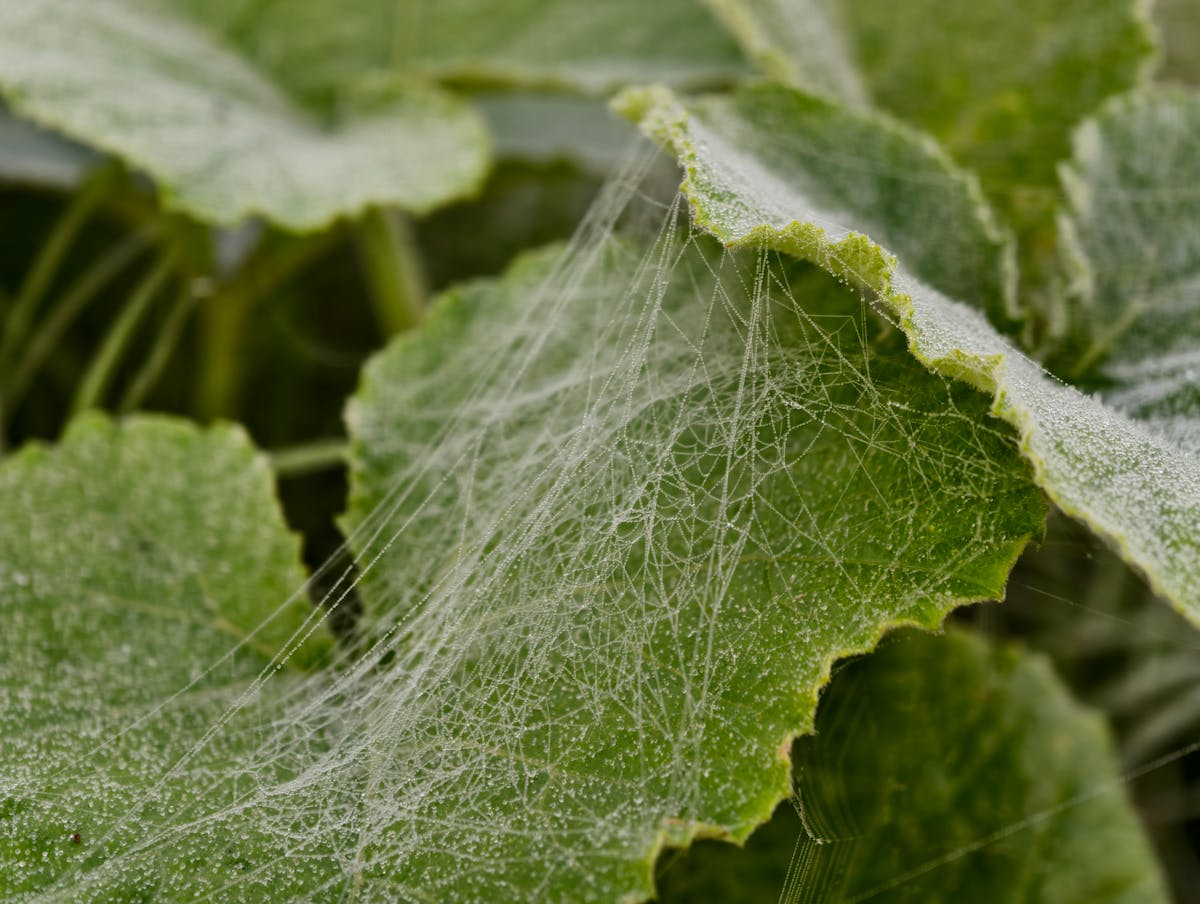
| Fine silk webbing | Thread-like strands between leaves/axils | Established colony; eggs inside the silk |
| Bronze leaf discolouration | Widespread grey-bronze tone | Advanced infestation — large-scale cell loss |
| Paper tap test | Moving specks on white paper | Tetranychus spp. confirmed |
1. Identification: Three Diagnostic Signals
Signal 1 — Stippling: Fine white, yellow, or grey pinpoint dots distributed across the upper leaf surface. Each dot marks the site of a destroyed plant cell — a permanent wound from the mite's cheliceral stylets piercing the chlorenchyma (green, energy-producing tissue) and draining its contents. Unlike fungal leaf spots, stippling has no halo, no water-soaked margin, and the surrounding tissue feels slightly rough rather than soft. New dots appear as the colony continues feeding; existing dots do not enlarge.
Signal 2 — Webbing: Fine silk threads between leaves, along stem internodes, and in the warm sheltered axils. The webbing functions both as a protective nursery — eggs are deposited within the silk — and as a migration highway between feeding sites on the plant. Visible webbing indicates a colony that has been established and expanding for several weeks and numbers in the hundreds at minimum.
Signal 3 — The Tap Test: Hold a sheet of white paper beneath a suspect leaf and tap the leaf firmly. If tiny specks (0.5 mm, barely visible to the naked eye) fall onto the paper and begin to move, Tetranychus spp. is confirmed. The Tap Test detects infestations before webbing becomes visible and is the most reliable early-detection method available without magnification.
According to the UC IPM Statewide Program, regular monitoring with a hand lens or the paper tap test is recommended to detect colonies before populations reach damaging levels, as early-stage infestations are significantly easier to control than established ones.
2. The Arachnid Distinction: Why Classification Changes Treatment
Spider mites belong to the class Arachnida — the same class as spiders, scorpions, and ticks — and possess eight legs rather than six. The cheliceral stylets used for piercing plant cells are analogous to arachnid fangs, not insect mandibles.
This distinction has direct treatment consequences. Pyrethroids (deltamethrin, cypermethrin, lambda-cyhalothrin) — the most common household insecticide class — target sodium channels in insect nerve membranes. Spider mites lack these specific receptors and are largely unaffected. Critically, pyrethroids eliminate the predatory mites (Phytoseiidae) that naturally suppress spider mite populations, often triggering a population rebound that exceeds the original infestation.
The correct treatment agents are:
- Potassium fatty-acid soap — disrupts the mite's lipid cuticle and blocks spiracles; effective against adults and mobile nymphs
- Azadirachtin (neem oil) — disrupts ecdysone (moulting hormone); prevents nymphs from maturing into reproductive adults
- True acaricides (bifenazate, spiromesifen) — mite-specific for severe infestations; rotate classes to manage resistance
Unlike mealybugs, spider mites possess no hydrophobic wax cuticle requiring solvent dissolution. Insecticidal soap reaches the mite body surface on direct contact without a preceding alcohol treatment.
3. The Lifecycle: Why the 5-Day Generation Cycle Demands Weekly Treatment
Tetranychus urticae at 27°C and 40% relative humidity completes a generation from egg to reproductive adult in 5–7 days. A single female lays approximately 5–7 eggs per day — up to 200 over her lifetime. The population doubling rate under these conditions is among the fastest of any common plant pest.
- Egg stage: Deposited within protective silk webbing; not killed by contact insecticides at standard concentrations
- Larval/nymphal stage (days 1–4): Wax-free, mobile, most vulnerable to contact treatments
- Reproductive adult (day 5+): Full cuticle formation; begins laying eggs immediately
At relative humidity above 60%, generation time extends to 14–21 days and egg viability decreases. This is the mechanistic basis for humidity management as a suppression strategy — not merely general plant care. A colony experiencing 60% RH reproduces at less than half the rate of one in 30% RH conditions.
Any treatment gap longer than 5–7 days allows eggs laid after the previous application to hatch and begin a new reproductive cycle on an untreated plant. Weekly applications for a minimum of 4 consecutive weeks are required to cover four full generations.
4. Treatment Protocol: Three-Phase Eradication
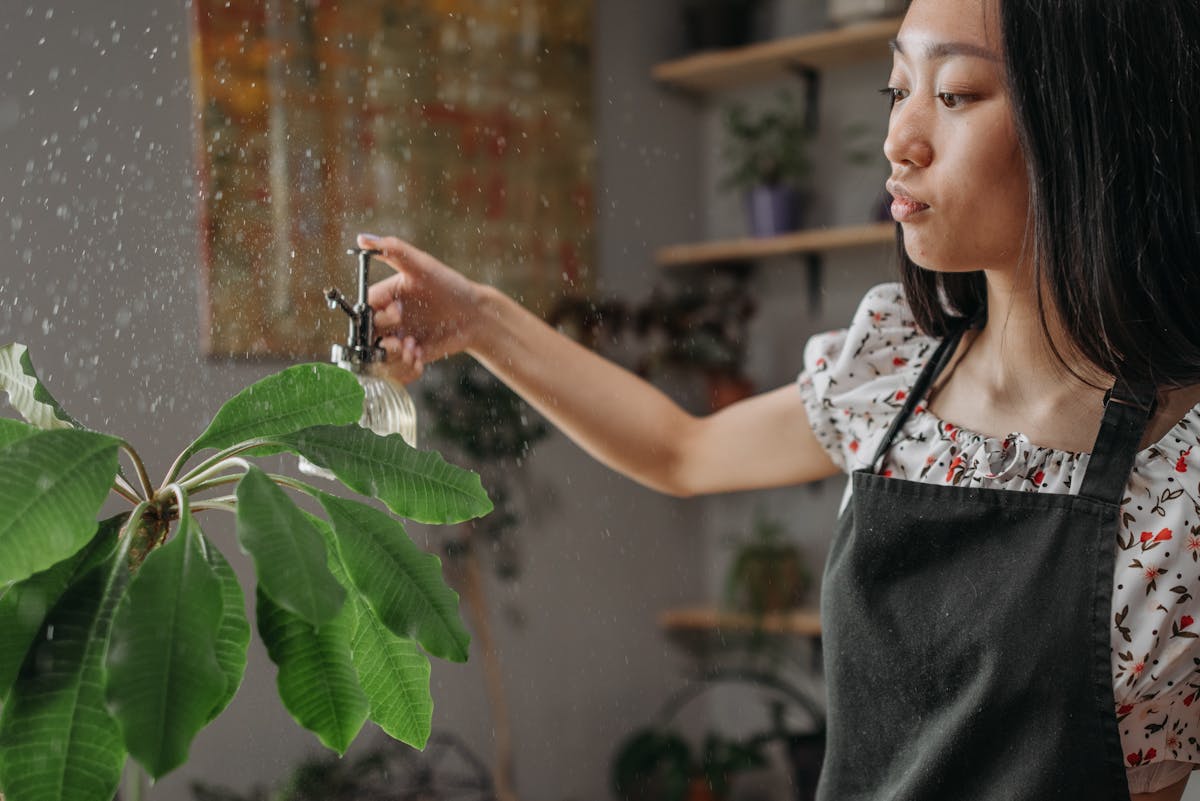
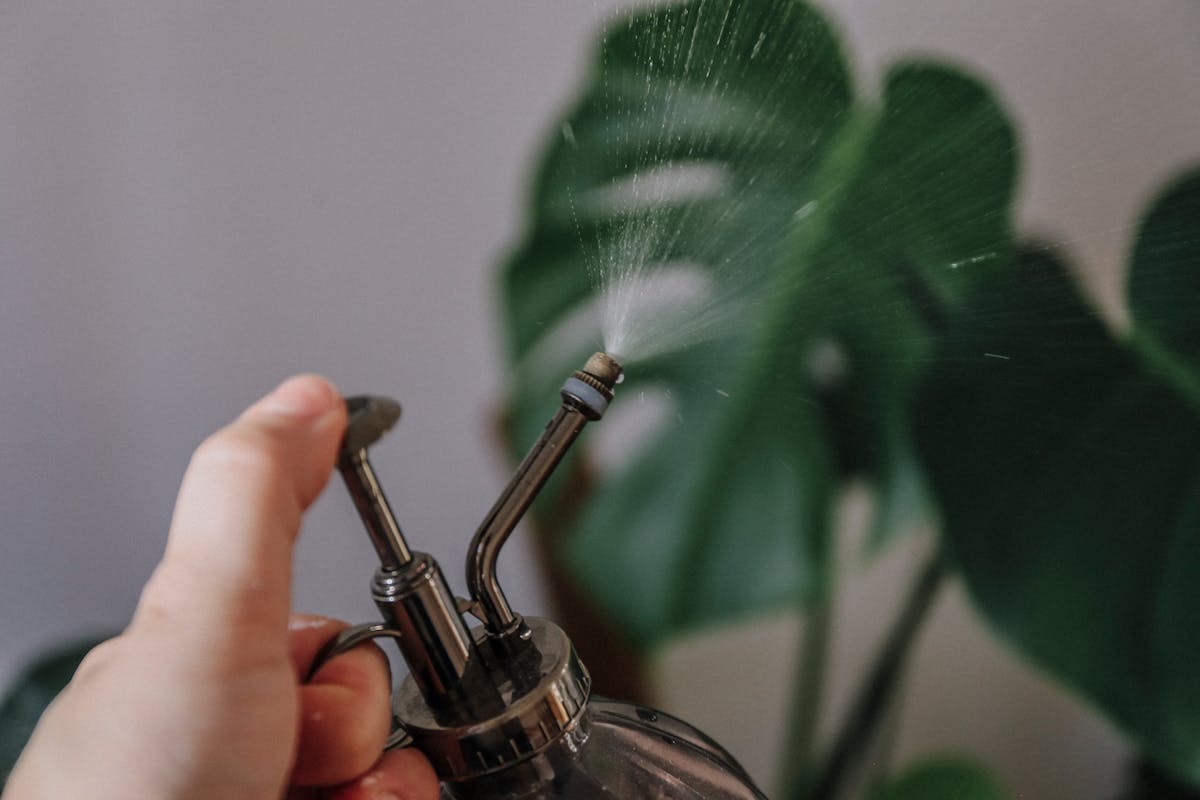
Phase 1 — Physical disruption: Using a showerhead or spray bottle, blast the undersides of all leaves with firm water pressure. This physically dislodges adults, nymphs, and unanchored eggs, and removes the silk webbing that shields eggs from subsequent chemical contact. This step must precede chemical application — applying soap to webbing-covered eggs reduces efficacy significantly.
Phase 2 — Contact kill: Apply a potassium fatty-acid insecticidal soap as a full-coverage foliar spray, targeting every leaf underside and stem surface. The soap disrupts the mite's lipid cuticle and blocks the spiracles, causing rapid desiccation and suffocation. Apply within 2 hours of the water blast while eggs and nymphs are still exposed and the webbing is cleared. Do not substitute pyrethroid-based insecticides.
Phase 3 — Growth disruption: Apply a 0.5% azadirachtin (neem oil) spray 24 hours after Phase 2. Azadirachtin mimics ecdysone (the moulting hormone), preventing nymphs from completing development into reproductive adults. It does not kill eggs on contact, but prevents them from producing viable offspring. For severe infestations, a dedicated acaricide spray can replace or supplement Phase 2 in the first week. Repeat all three phases every 5–7 days for 4 weeks.
| Treatment | Targets | Kill mechanism | Residual |
|---|---|---|---|
| Water blast | Adults, nymphs, loose eggs | Physical dislodgement | None |
| Potassium soap | Adults, mobile nymphs | Cuticle disruption + spiracle blockage | None |
| Azadirachtin (neem) | Nymphs, eggs (via IGR) | Ecdysone disruption → no moulting | 3–4 weeks |
| Pyrethroids | Not effective — wrong receptor class | — | — |
The RHS glasshouse red spider mite guidance and the Clemson Extension IPM factsheet both recommend rotating chemical classes between treatment cycles to reduce the risk of acaricide resistance in surviving populations.
5. The Stippling Permanence Problem
Stippled tissue does not recover. Each white dot on the leaf surface marks a cluster of cells whose chloroplasts have been drained and destroyed. The cell walls remain intact but are empty of functional content — photosynthetic capacity in those areas is permanently lost.
Two practical implications follow:
- Do not assess treatment success by stippling disappearance. The white dots persist on damaged leaves long after the colony is eliminated. The correct assessment criteria are: absence of new stippling on new growth, and negative Tap Test results on three consecutive weekly checks.
- Prune heavily stippled leaves once the active infestation is controlled. Removing them reduces the available feeding surface for any surviving mites and improves the plant's overall photosynthetic output during recovery. Pruning during an active infestation is counterproductive — physical disturbance disperses mites to adjacent plants.
New growth that emerges after successful eradication will develop clean, undamaged leaf surfaces. Full visual recovery of the specimen requires 6–10 weeks depending on growth rate.
6. Environmental Management: Humidity as the Primary Suppressor
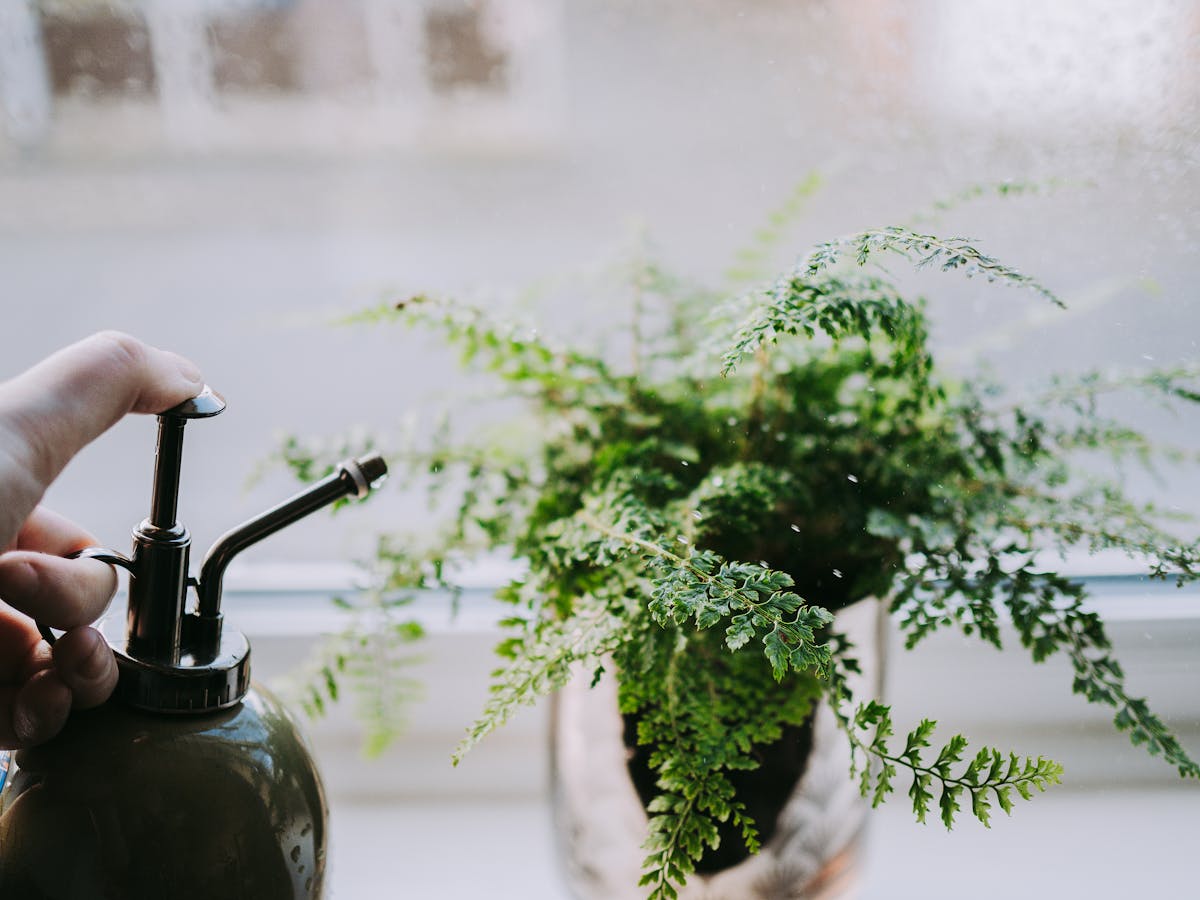
Maintaining relative humidity above 60% in the plant's microenvironment is the single most effective long-term control measure. At that threshold, Tetranychus generation time more than doubles and egg viability decreases materially.
Peperomia obtusifolia is frequently kept in dry, air-conditioned or centrally heated rooms where indoor RH during winter heating season can fall to 20–30%. This environmental condition — not the plant's inherent vulnerability — is the primary driver of spider mite outbreaks on houseplants. An outbreak pattern that is seasonal (worse in winter, resolving in summer) almost always indicates an RH problem.
Practical humidity management:
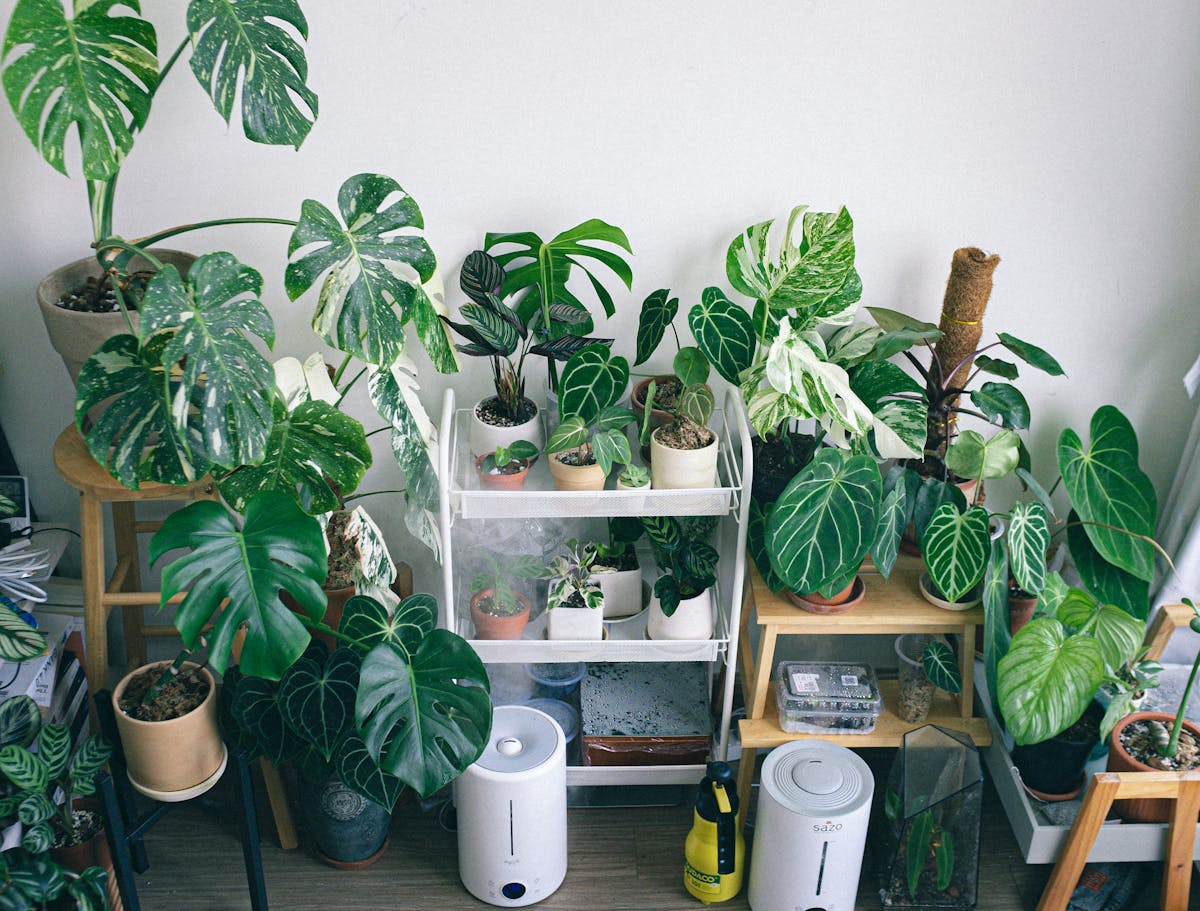
- Electric humidifier: The only method that consistently maintains RH above 60% in a room. See the Peperomia obtusifolia humidity guide for target ranges and equipment options.
- Pebble tray with water: Raises localised RH by 5–10% directly above the evaporating surface — sufficient for mild risk reduction, insufficient alone for active outbreak suppression.
- Plant grouping: Transpiration from grouped plants raises the local air humidity of the shared space.
- Avoid positioning near heating vents or air-conditioning units: Both reduce RH to levels that directly accelerate the mite lifecycle.
Additionally, a plant with adequate turgor pressure — properly watered and not under drought stress — presents greater mechanical resistance to stylet penetration. Dehydrated tissue with reduced turgor pressure is physically easier for the mite to pierce and provides higher solute concentrations, making it the preferred feeding site in a mixed collection.
Conclusion
Spider mite control on Peperomia obtusifolia requires operating across three dimensions: correct treatment classification (acaricide mechanisms, not pyrethroids), consistent 5–7 day treatment intervals timed to the generation cycle, and humidity management above 60% RH to suppress population growth between treatments. The most common eradication failures are applying pyrethroid-based products, stopping treatment when stippling stops increasing on visible leaves (while eggs are still present), and not addressing the underlying dry-air conditions that enabled the outbreak. Stippling on existing leaves is a permanent record of past feeding damage; clean new growth is the only valid indicator of successful eradication.
Care FAQ
How do I know if my Peperomia has spider mites?
Three diagnostic signals confirm spider mites: (1) white, yellow, or grey stippling — pinpoint dots on the upper leaf surface where individual cells have been pierced and drained; (2) fine silk webbing between leaves and in the leaf axils, particularly in warm sheltered areas; (3) the Tap Test — hold a white sheet of paper beneath a suspect leaf and tap firmly; if tiny moving specks (0.5 mm) appear on the paper, Tetranychus spp. is confirmed. The Tap Test works before webbing becomes visible and is the most reliable early-detection method.
Why are spider mites worse in dry conditions?
Spider mites (Tetranychidae) are arachnids adapted to arid environments. At 27°C and 40% relative humidity, a single Tetranychus urticae female can complete a generation in 5–7 days and lays approximately 5–7 eggs per day over her lifetime. At relative humidity above 60%, the generation cycle extends to 14–21 days and egg viability decreases materially. This is why indoor heating season (which drops RH to 20–30% in many homes) consistently triggers spider mite outbreaks on houseplants.
Does neem oil kill spider mite eggs?
Azadirachtin (the active compound in cold-pressed neem oil) does not kill eggs on contact. It disrupts ecdysone — the moulting hormone — preventing eggs and nymphs from developing into reproductive adults. By blocking maturation before the adult stage, it breaks the reproductive cycle within 2–3 weekly treatment cycles. It must be applied after physical removal (water blast) and contact soap treatment, not as a standalone measure.
Is the stippling damage on my Peperomia permanent?
Yes. Each white or grey stippling dot marks a cluster of cells whose chloroplasts have been permanently drained. The cell walls remain but contain no functional content. The affected tissue will not regain its green colour or photosynthetic capacity. Assess treatment success by the absence of new stippling on new growth and by negative Tap Test results, not by disappearance of existing marks. Heavily stippled leaves can be pruned once the active infestation is eliminated.
Can I use the same treatment for spider mites as for mealybugs?
Only partially. Potassium fatty-acid insecticidal soap is effective against both. However, spider mites are arachnids — not insects — so pyrethroid-based insecticides (the most common household product class) are largely ineffective against them and eliminate their natural predatory mite populations (Phytoseiidae), often causing a worse rebound infestation. For spider mites, use soap and azadirachtin (neem), or a dedicated acaricide for severe infestations. Isopropyl alcohol swabs, effective against mealybugs, are not the primary treatment for spider mites.
Do spider mites make webs on Peperomia?
Yes. Spider mites produce fine silk webbing that functions as both a protective nursery — eggs are deposited within the silk — and a migration highway between feeding sites. If webbing is visible on your Peperomia, the infestation has been established for at least 1–2 weeks and the colony is likely in the hundreds. Removing the webbing mechanically with a water blast before applying contact treatments is critical, as the silk physically shields eggs from chemical contact.
How often do I need to treat my Peperomia for spider mites?
Every 5–7 days for a minimum of 4 consecutive weeks. At indoor temperatures of 22–27°C, Tetranychus urticae completes a generation in 5–7 days. Any treatment gap longer than this allows eggs laid after the previous application to hatch, mature, and begin laying a new generation before the next treatment reaches them. Each of the 4 weekly applications covers a different cohort: the first kills adults and nymphs; subsequent applications eliminate each newly hatched generation before it reaches reproductive age.