
Peperomia Sphagnum Moss: Best CEC, pH & Rot Control
Use sphagnum moss with Peperomia obtusifolia loosely, never packed, and blend it with an inorganic component like perlite rather than using it alone as a long-term substrate. Its high water-holding capacity is a genuine asset for propagation and short-term humidity control, but the same property causes root anoxia if the moss is compressed, and its naturally acidic pH needs buffering, since NC State Extension gives a neutral pH of 6.0–8.0 for this species.
Quick Decision Checklist
- Worth doing: using sphagnum as the rooting medium for a cutting, or as a minority component (roughly 20-30%) blended into a free-draining potting mix.
- Optional: a thin layer of moss as a decorative or moisture-retentive topper on an established pot's surface.
- Not needed: using sphagnum as the sole, unblended substrate for a mature potted specimen long-term.
- Harmful: packing moss tightly into a pot, which eliminates the air-filled pore space roots need and creates the same anoxia risk as any waterlogged substrate.
What to Inspect or Prepare First
Check whether you're using long-strand sphagnum (loose, fibrous, ideal for propagation and blending) or compressed sphagnum peat (finer, denser, retains water even more aggressively and is easier to accidentally over-pack). Rehydrate dry moss fully before use — dry sphagnum resists rewetting and can leave patchy dry pockets if used before it's properly saturated and then squeezed to damp rather than dripping.
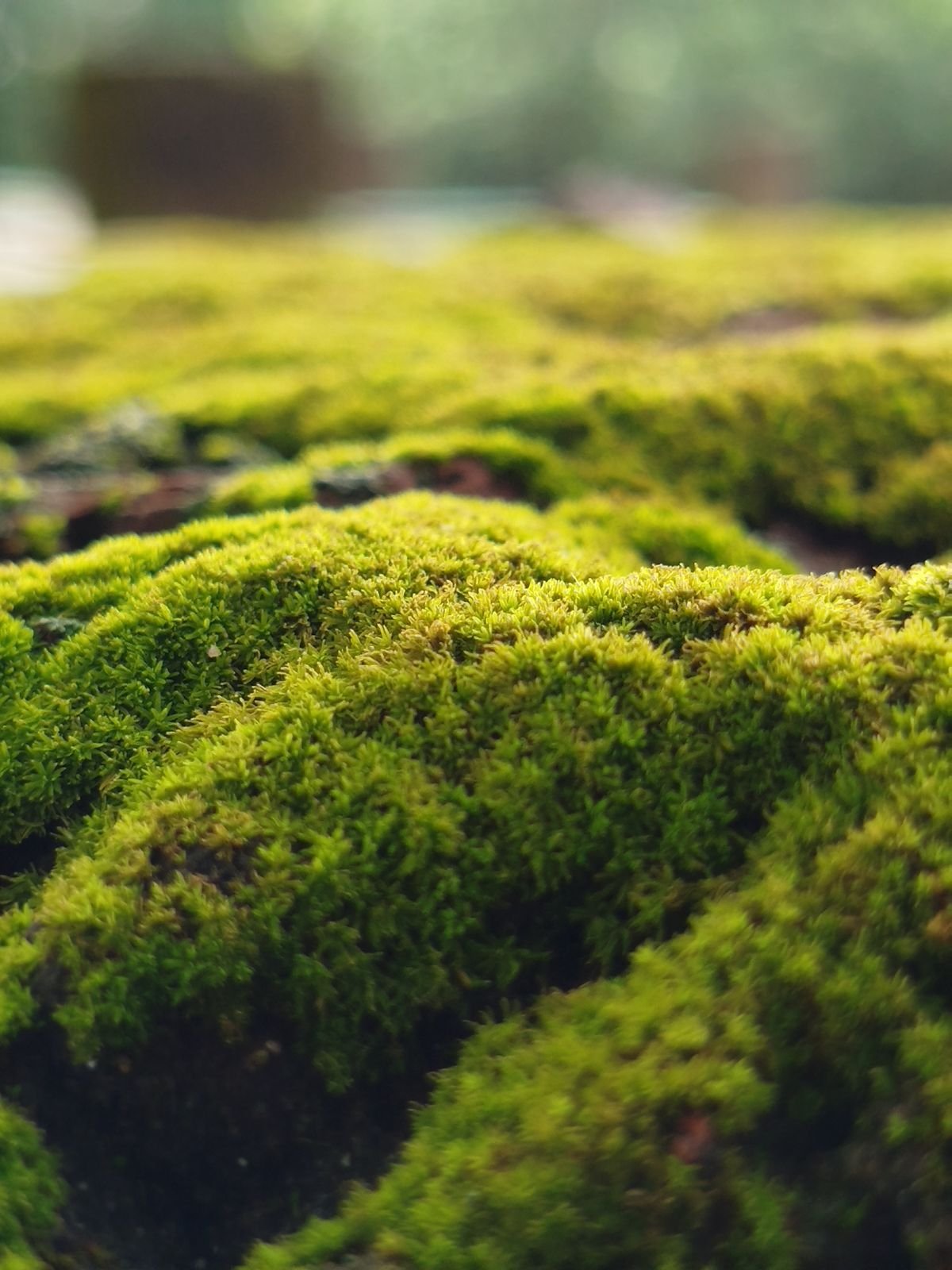
Why Sphagnum Moss Affects the Root Zone
Sphagnum cell walls carry a high density of negatively charged sites that bind positively charged nutrient ions — calcium, magnesium, potassium — a property called cation exchange capacity (CEC). This gives the moss a genuine nutrient-buffering role: it holds minerals in the root zone rather than letting them wash straight through with each watering, releasing them gradually as roots draw from the exchange sites. The same cell structure, built from large reinforced "hyaline" cells that pull in water by capillary action, is what gives sphagnum its exceptional water-holding capacity — useful for keeping a rootless cutting hydrated, but the same property becomes a liability in a packed pot, where those water-filled cells out-compete roots for the oxygen they need to respire.
Sphagnum is also naturally acidic, typically pH 4.0-5.0, well below the neutral 6.0–8.0 range NC State Extension gives for this species. Used as a minority blended component this is rarely an issue, since the other substrate materials buffer it; used as the sole substrate, it can push the root zone more acidic than optimal and affect nutrient availability over time.
Step-by-Step Method
- Rehydrate the moss fully in room-temperature water, then squeeze out excess until damp rather than dripping.
- For propagation: wrap the moss loosely around a node or cutting base, or lay a bare node horizontally in contact with the moss inside a humidity-holding container — see the sphagnum propagation guide for the complete method.
- For blending into potting substrate: combine roughly 20-30% rehydrated, fluffed moss with the remaining mix of perlite or bark and coir — see the soil mix recipe for the base ratios this blends into.
- Never compact the moss into the pot. Fluff it loosely by hand as you add it, checking that air pockets remain rather than pressing it down to fit more in.
Adjustments for Season and Use Case
In winter, when the plant's water demand drops, a moss-containing mix takes noticeably longer to dry between waterings than a purely mineral mix — extend the watering interval accordingly rather than watering on the same summer schedule. For propagation specifically, moss-based rooting benefits from slightly warmer conditions (18-24°C) to keep root initiation on pace despite the consistently damp environment. For a mature, already-established plant not being propagated, there's little reason to introduce sphagnum at all if the existing free-draining mix is already working — this is a component to add deliberately for a specific benefit, not a default upgrade.
Warning Signs and Troubleshooting
Substrate stays wet far longer than expected between waterings: the moss fraction is likely too high, or it has been packed rather than fluffed — reduce the proportion or repot into a looser mix. Yellowing lower leaves with a sour smell from the pot: classic root anoxia signs — see the overwatering rescue guide and consider whether packed moss is the underlying cause. Moss has compressed into a dense, matted layer: it has broken down past its useful structural life, typically after one to two years — refresh it rather than leaving compacted, oxygen-starved organic matter in the pot.
Aftercare and Monitoring
Check a moss-containing mix's moisture at depth rather than judging by the surface, since moss can look and feel damp on top while the deeper substrate dries — or the reverse, staying wet at depth after the surface appears dry. Replace or refresh the moss fraction every one to two years as part of a routine repot, rather than waiting for visible compaction or a rot problem to force the issue.
Common Mistakes
- Packing moss tightly to "fit more in the pot." This is the single most common cause of moss-related root problems — always fluff, never compress.
- Using pure sphagnum as a permanent substrate for a mature plant rather than a propagation medium or minority blend component.
- Ignoring the acidic pH when using a moss-heavy mix long-term, which can gradually push the root zone well below the neutral range this species is usually grown in.
- Letting old, compacted moss sit in the pot for years rather than refreshing it once it has broken down and lost its air-holding structure.
Care FAQ
Is sphagnum moss good for Peperomia obtusifolia?
As a component, yes — it has a high cation exchange capacity that helps hold nutrients in the root zone, and its sterile, antimicrobial properties make it useful for propagation. As the sole substrate long-term, it is less suitable: it holds more water than this species tolerates well if packed, and its naturally acidic pH needs buffering with an inorganic material.
Can I propagate Peperomia cuttings in sphagnum moss?
Yes, and it works well for this. Moss provides a relatively sterile, humidity-buffered environment for a rootless cutting, reducing rot risk during the vulnerable early rooting period — see the dedicated sphagnum propagation guide for the full method.
Does sphagnum moss cause root rot?
It can, if packed tightly. Sphagnum can hold many times its own weight in water, and when compressed into a pot it eliminates the air-filled pore space roots need to respire. Used loosely, fluffed rather than compacted, this risk drops considerably.
How long does sphagnum moss last in a pot?
Roughly one to two years before it breaks down enough to lose structure and compact, at which point it should be refreshed rather than left to compress further and starve the roots of oxygen.