Peperomia Obtusifolia Curling Leaves: 10 Causes & Fixes
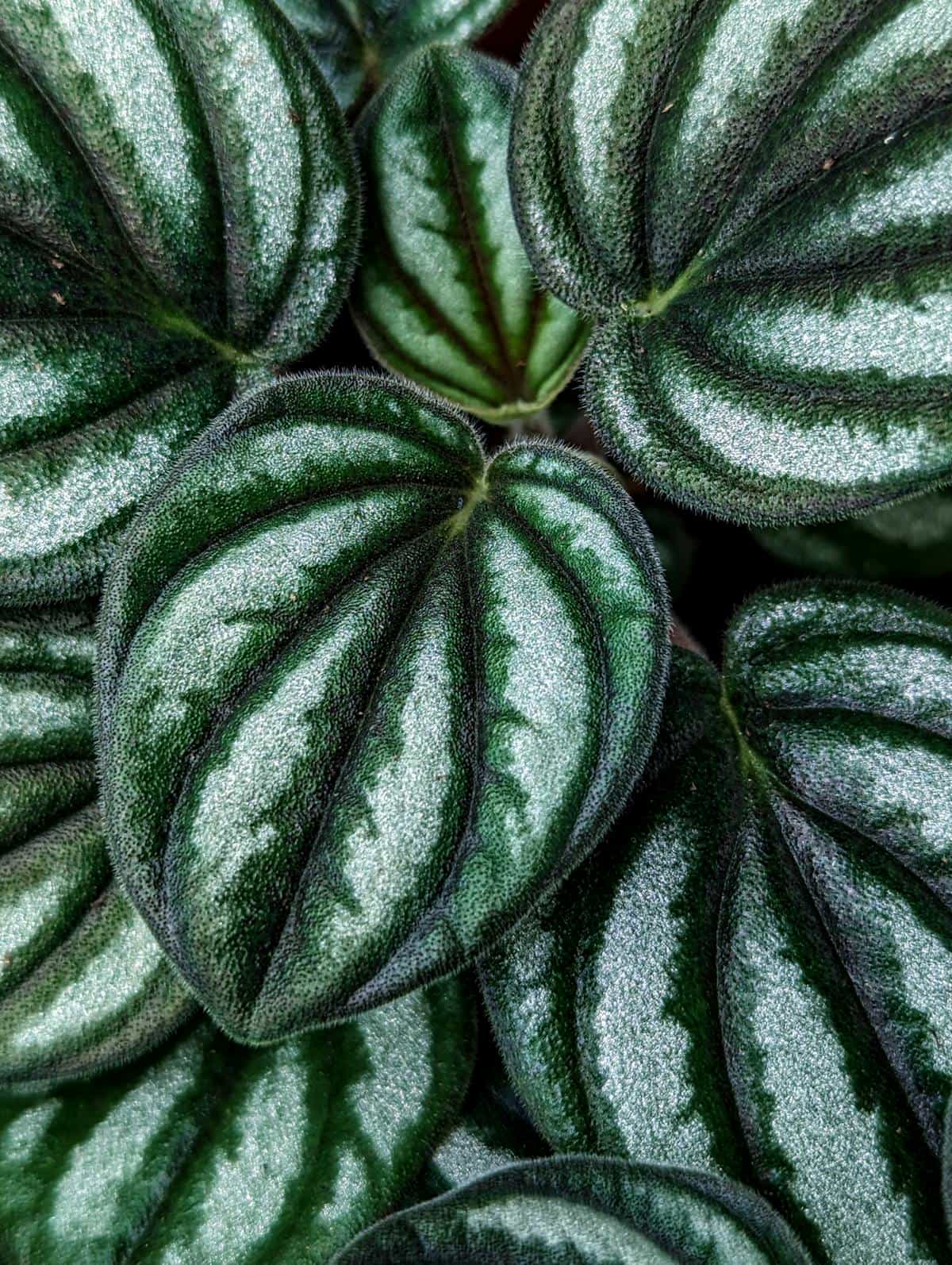
When Peperomia obtusifolia — commonly sold as the Baby Rubber Plant or radiator plant — begins to curl its leaves, the plant is signalling a specific biological failure, not general unhappiness. The direction of the curl is the diagnostic key: downward wilting indicates a loss of turgor pressure from underwatering or root dysfunction; upward or inward cupping is a defence against high vapour pressure deficit; and twisted new growth points directly to pest activity in the meristem. This guide maps each curl pattern to its mechanism and gives the exact intervention required to correct it.
Quick Diagnostic Table: Match Your Curl to Its Cause
Before applying any treatment, identify the curl pattern against this table. The location and shape narrow the cause within seconds.
| Curl Pattern | Location | Most Likely Cause |
|---|---|---|
| Downward, soft, wilted | All leaves | Underwatering or root rot |
| Inward "taco" cupping | All mature leaves | Severe drought or RH below 30% |
| Upward bowl/cupping | All leaves | High VPD — radiant heat above 28°C |
| Twisted, distorted, crinkling | New growth only | Thrips or cyclamen mites |
| Downward hook ("clawing"), firm | Consistent across all growth | Nutrient toxicity (phosphorus excess) |
| Curling inward + weak stems | Youngest leaves first | Calcium delivery failure (airflow) |
| Curling + yellowing at base | Older leaves first | Overwatering or root anoxia |
| Curling + etiolation | All growth | Light deficit below 1,000 lux |
The Taco Test: Diagnosing Turgor Versus Structure
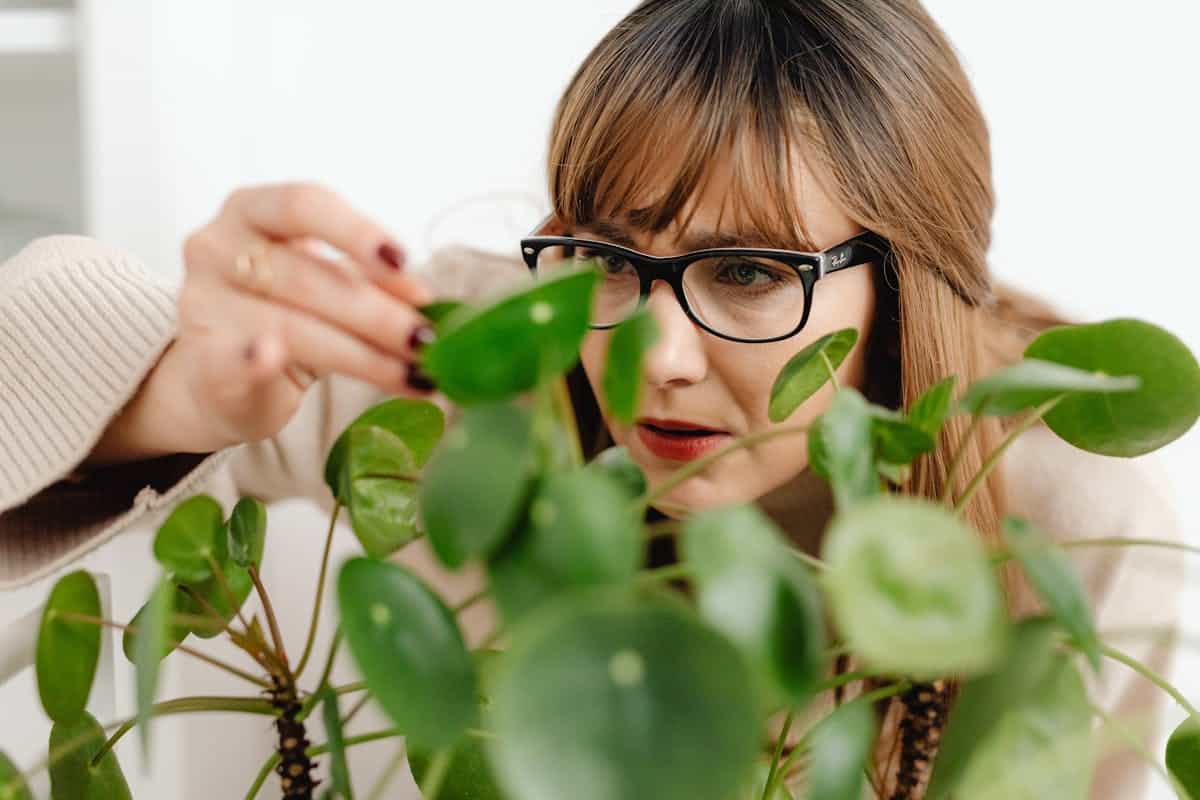
Two completely different mechanisms produce a downward curl, and the wrong intervention accelerates damage in both. Before reaching for the watering can, perform the Taco Test on a mature leaf.
- Gently fold the leaf between thumb and forefinger, as if closing a taco shell.
- Firm resistance: Turgor pressure is intact. The curl is structural — caused by light deficit, salt accumulation, or phosphorus toxicity. Watering will not help and may worsen the substrate chemistry.
- Soft, pliable, folds easily: Turgor has collapsed. Now read the substrate before doing anything else.
- Substrate dry, pot lightweight: drought. Water immediately.
- Substrate moist or wet: root failure. Stop watering. Unpot and inspect. Adding water at this stage is the single fastest way to kill the plant.
This test takes ten seconds and resolves the most damaging diagnostic ambiguity in Peperomia obtusifolia care — wilting in wet soil. The pot-weight cross-check (a recently watered 12 cm pot in moist condition weighs roughly twice an identical pot whose substrate has fully dried down) confirms the substrate reading without unpotting.
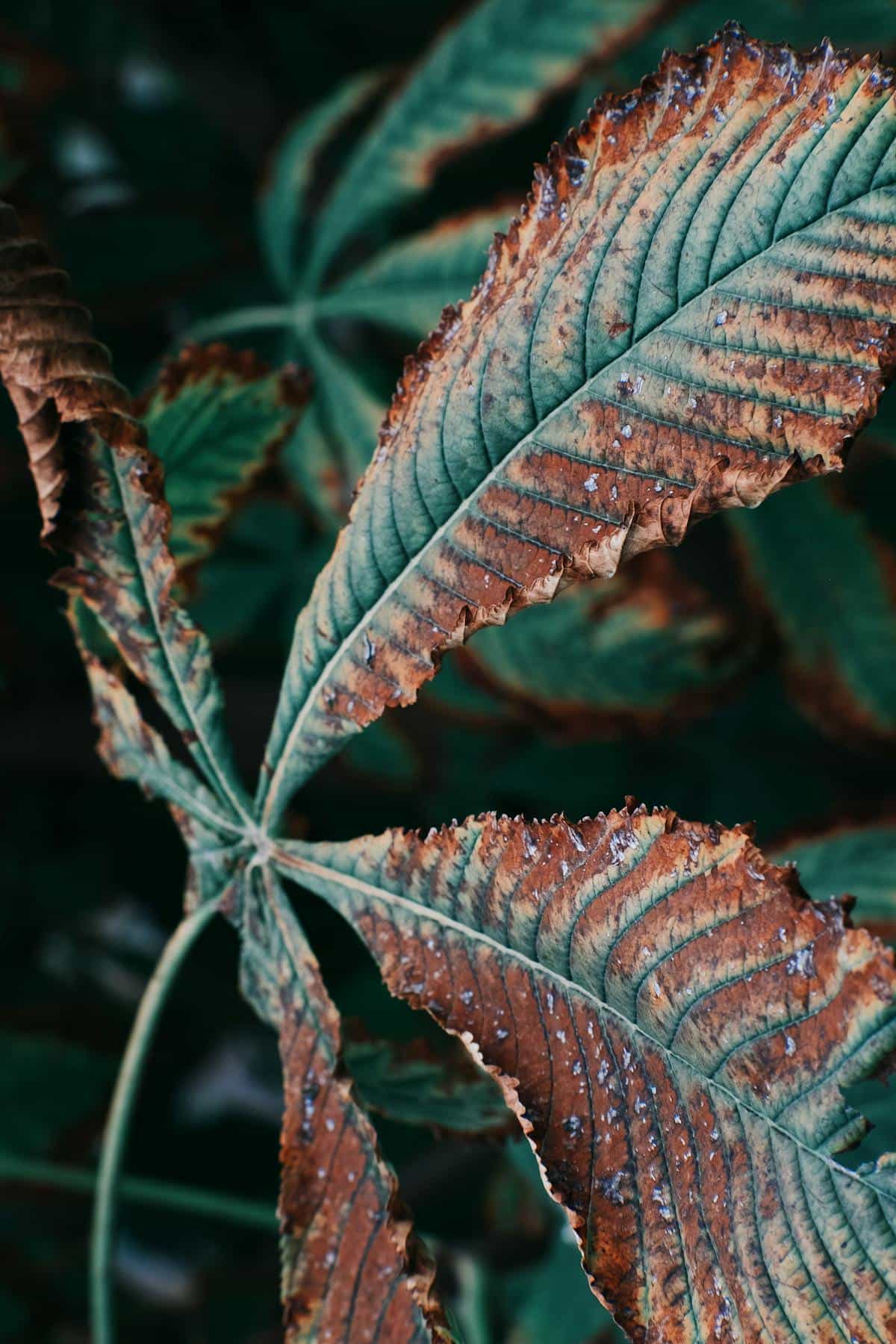
1. Underwatering — The Hydraulic Collapse
Peperomia obtusifolia is a semi-succulent with parenchymal water-storage tissue in its thick, glossy leaves — an adaptation to the seasonally dry forest floors and tree bark of its native Venezuelan and Colombian understorey. When water deficit is sustained, the vacuoles within the leaf cells shrink as water is mobilised to maintain basic cellular function. Internal pressure drops; the leaf loses structural rigidity and rolls downward and inward in the characteristic "taco" or "claw" shape. This is not decorative — it is a mechanical failure of the hydraulic system that keeps the lamina flat and firm.
The curl serves a secondary function: by reducing the surface area exposed to air, the plant slows transpiration and stretches its remaining reserves.
How to diagnose it: The substrate is bone-dry beyond the top 2–3 cm. The pot feels noticeably lighter than usual. Leaves are soft, limp, and easily fold (the pliable Taco Test response). No sour smell from the substrate.
The fix: If the peat or coir component of the substrate has become hydrophobic — a common outcome of a missed watering cycle of 3+ weeks — top-watering channels straight down the pot wall and out the drainage holes, leaving the root core entirely dry. The corrective intervention is bottom watering: place the pot in 3–5 cm of lukewarm water for 20–30 minutes until the substrate surface darkens with moisture, then drain fully. Turgor restores within 12–24 hours. Going forward, the watering interval should be every 10–14 days in summer and 21–28 days in winter in a 12 cm container under standard indoor conditions — driven by the top 2–3 cm of substrate fully drying, not the calendar.
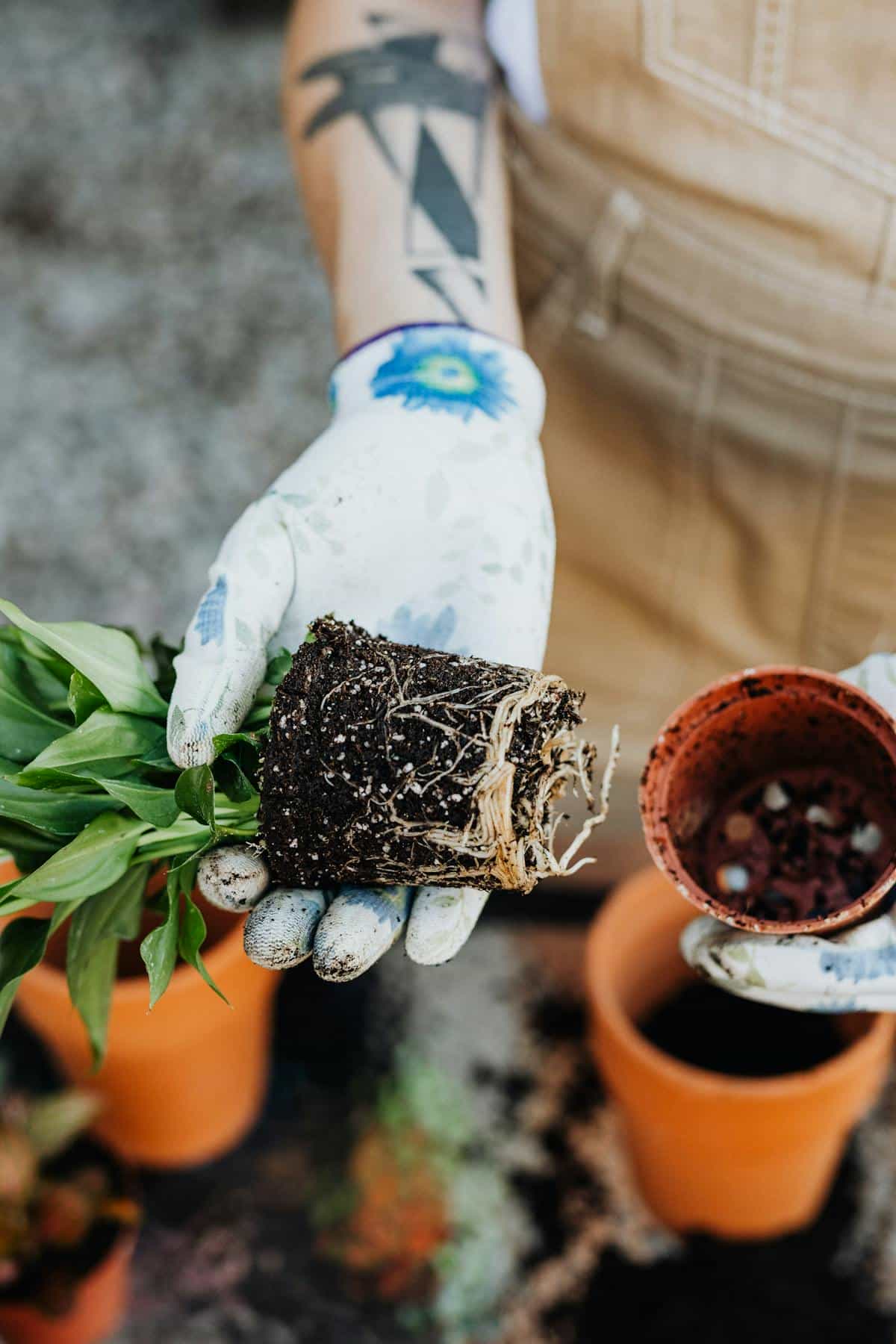
2. Overwatering and Root Rot — The Paradox Curl
The most counterintuitive scenario in Peperomia obtusifolia care: leaves curl downward as if the plant is thirsty — in a pot of wet soil. This is root dysfunction, not drought, and it is the proximal cause of decline in the majority of indoor specimens.
A recurring diagnostic case: a grower reports leaf yellowing beginning at the lower whorl and progressing upward, with the substrate moist on inspection. The plant has been watered on a fixed weekly schedule for several months. What has happened is sequential: continuous saturation has eliminated air-filled porosity in the substrate; root respiration fails; Pythium or Phytophthora colonises the anoxic root zone; functional root mass collapses from the tips upward. The plant cannot draw water even though water surrounds it. Lower-leaf yellowing reflects mobile-nutrient remobilisation as the plant scavenges from older tissue. Saturation tolerance for this species is roughly five days — beyond that, the failure cascade is largely irreversible without intervention.
Diagnostic indicators: A sour or foul smell from the substrate; yellowing lower leaves that detach easily with no resistance; a soft, sometimes mushy stem base; substrate that feels wet and heavy despite the plant looking parched. The Taco Test returns pliable — leaves soft — while the substrate is wet.
The fix: Unpot the plant. Trim all black, soft, or foul-smelling roots back to clean white tissue with sterilised scissors. Repot into a free-draining mix — 50% coir-based compost, 30% perlite, 20% fine orchid bark — in a container only 2–3 cm larger than the surviving root mass. Terracotta dries the substrate roughly 30–40% faster than equivalent plastic, which is useful here but not universally preferable in dry indoor environments. Withhold water for 7–10 days. For the full triage protocol, see the overwatering rescue guide.
3. Low Humidity and High Vapour Pressure Deficit — The Defensive Cup
If the leaf edges are curling upward — a shallow bowl — or rolling inward toward the midrib in a tight taco, the cause is atmospheric, not substrate-related.
The stomata of Peperomia obtusifolia are concentrated on the underside of the leaf. In conditions of high vapour pressure deficit — RH below 30% or sustained temperature above 28°C — the atmosphere draws moisture through the stomata faster than the roots can resupply. The plant cups the leaf in response, trapping a boundary layer of humid air against the lower surface. This stagnant layer is saturated with the plant's own transpired moisture and reduces the VPD gradient at the stomatal interface, slowing further loss. The mechanism is the same whether the curl reads as a shallow upward bowl or a tight inward roll — only the severity differs.
This is a functional adaptation. It will not resolve until the underlying atmospheric pressure is corrected.
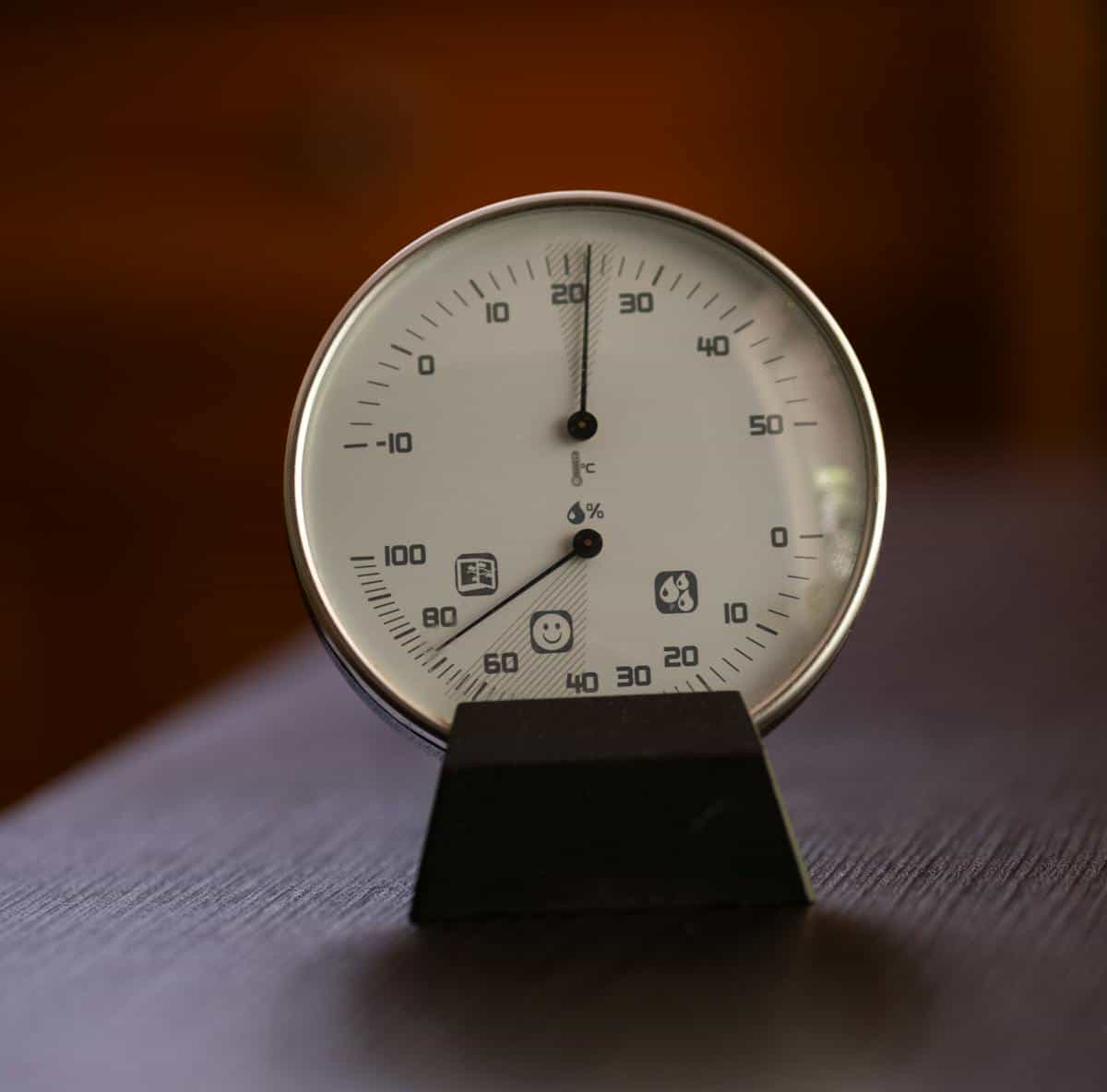
The fix: Move the plant away from direct afternoon sun, heating vents, and radiators. Target an ambient humidity of 40–60% RH, measured with a hygrometer at leaf level — not estimated by feel. The reliable interventions in descending order of effect: a room humidifier with a hygrometer, grouped planting, pebble tray, tray of water on the radiator. Misting is a cosmetic action; it does not alter the fundamental climate of the room, and the 5–15 minute spike in localised RH returns to ambient before the plant registers it. For the long-form mechanism, see why misting fails for this species. For the broader humidity calibration, see the humidity guide.
4. Excessive or Insufficient Light — Two Paths to the Same Symptom
Light extremes at both ends of the spectrum cause structural leaf changes, though through different mechanisms.
Too much light (above 40,000 lux in direct summer sun): Intense radiation heats the leaf surface, accelerating transpiration faster than the vascular system can supply water. The leaf curls upward to reduce exposed area and regulate internal temperature. Pale or bleached patches develop on the upper surface — this is irreversible chloroplast destruction in the affected tissue.
Too little light (below 1,000 lux sustained): The photosynthetic rate drops below the compensation point — the plant consumes more energy in respiration than it produces. New growth becomes etiolated, internodes elongate from the species' typical 1–2 cm to 4–6 cm over 4–6 weeks, and leaves curl or orient at extreme angles to capture stray photons. The structural deformity in existing tissue is permanent; only new growth under corrected light will be compact.
The fix: Target 2,000–4,000 lux measured at the leaf surface with a light meter or a calibrated phone app. Direct morning sun from an east-facing window is appropriate; direct afternoon sun through south- or west-facing glass in summer is not. In winter, when ambient light falls below 1,500 lux, a supplemental grow light positioned 30–40 cm above the canopy maintains compact form. Variegated cultivars — 'Variegata', 'Albo-Marginata', 'Alba' — need 30–40% more light than the green form because their tissue contains correspondingly less chlorophyll.
5. Temperature Stress and Cold Drafts — Cellular Shutdown
Peperomia obtusifolia is calibrated to an optimum daytime range of 18–24°C and a night range of 15–18°C. Exposure to leaf-surface temperatures below 10°C causes membrane damage and a loss of turgor regulation — sudden, widespread wilting and curling within hours of cold exposure. More insidiously, brief cold drafts from single-glazed windows or air-conditioning vents impair stomatal guard-cell function even where the substrate stays warm. Stomata lose the ability to close properly; uncontrolled water loss follows; the leaves curl without the dramatic sudden onset of acute cold shock.
A related event is oedema — blistering on the underside of the leaf following a cold-water-on-warm-substrate mismatch. At low ambient temperature the stomata close and transpiration stalls, but if the roots remain active, water uptake exceeds water loss until pressure ruptures epidermal cells. The blistered tissue is permanent; new growth under stable conditions is normal. For differential diagnosis with bacterial leaf spot, see the oedema guide.
How to diagnose it: Curling appeared suddenly, correlated with a seasonal window change, relocation, or proximity to an air-conditioning vent or single-glazed pane. The affected leaves may feel cool to the touch.
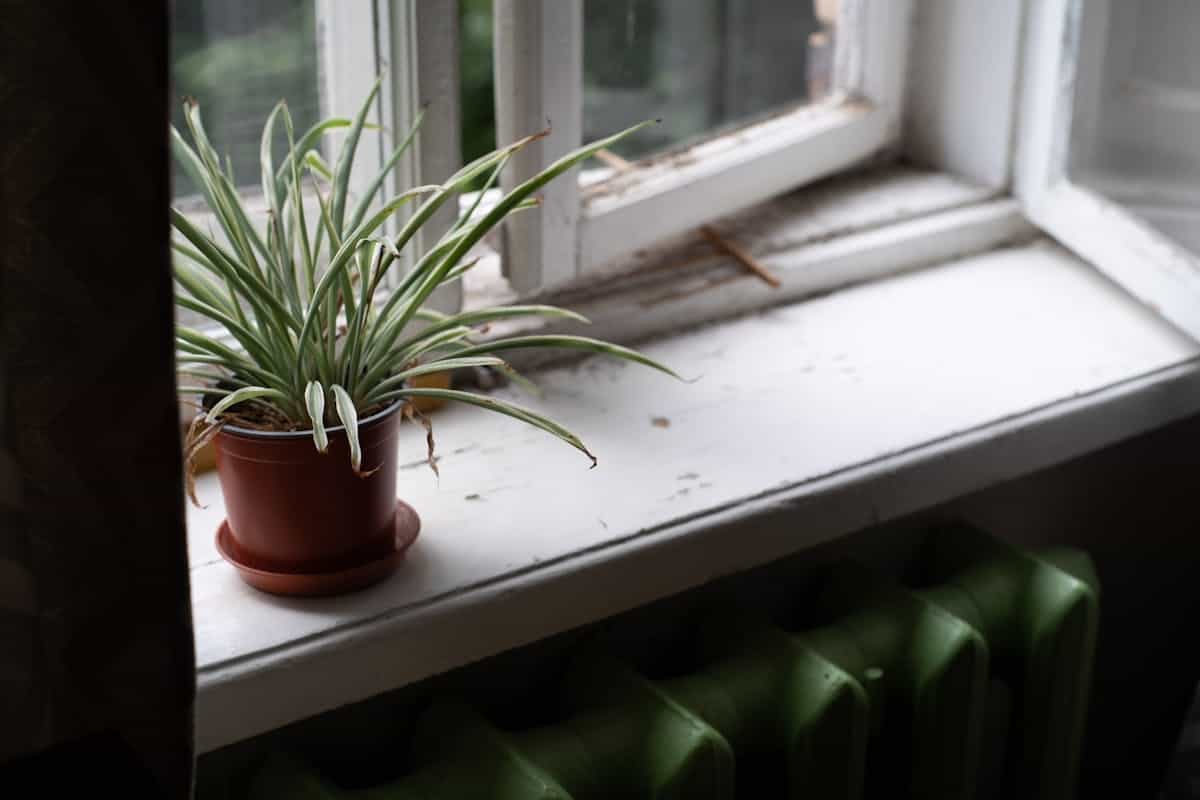
The fix: Maintain 18–24°C by day and 15–18°C by night. The tolerated minimum is 15°C at leaf level; below this, stomatal function is impaired even without visible cellular damage. Keep the plant at least 50 cm from exterior walls in winter and never directly above an active radiator.
6. Repotting Shock — Temporary Disruption of Water Uptake
When Peperomia obtusifolia is repotted, the fine root hairs that perform most of the actual water absorption are damaged during root-ball disturbance. Until new root hairs regenerate — typically 2–4 weeks — water uptake is reduced. The leaves may curl downward in a response that mimics drought stress.
Repotting into an oversized container compounds the problem. A root ball occupying a 12 cm root zone surrounded by a 20 cm pot of fresh substrate cannot regulate moisture across that expanded volume. The surrounding substrate stays wet between waterings because there is no root activity to draw it down, producing the same anaerobic conditions described in Section 2 — root rot in a plant that was perfectly healthy before the repot.
The fix: Repot into a container only 2–3 cm larger in diameter than the current root mass. Use a free-draining peperomia mix with at least 30% inorganic component — see the soil mix recipe for the recommended formulation. Withhold fertiliser for four weeks post-repot to avoid chemical stress on compromised roots. Resume normal watering only once new growth resumes — a visible signal that root function has been restored.
7. Pest Infestation — Structural Damage to Developing Leaves
When curling affects only new growth — and the older, established leaves remain flat — the cause is biological rather than environmental.
Thrips (Frankliniella occidentalis and related species) rasp at the meristematic tissue of developing leaf buds. As the leaf expands, the punctured cells fail to enlarge normally; healthy cells around them buckle, producing permanent twisting and crinkling. The signature is twofold: silvering on the leaf surface from collapsed parenchymal cells, plus dark frass deposits along leaf veins. Damage is permanent in affected tissue; only treatment of the population restores normal new growth.
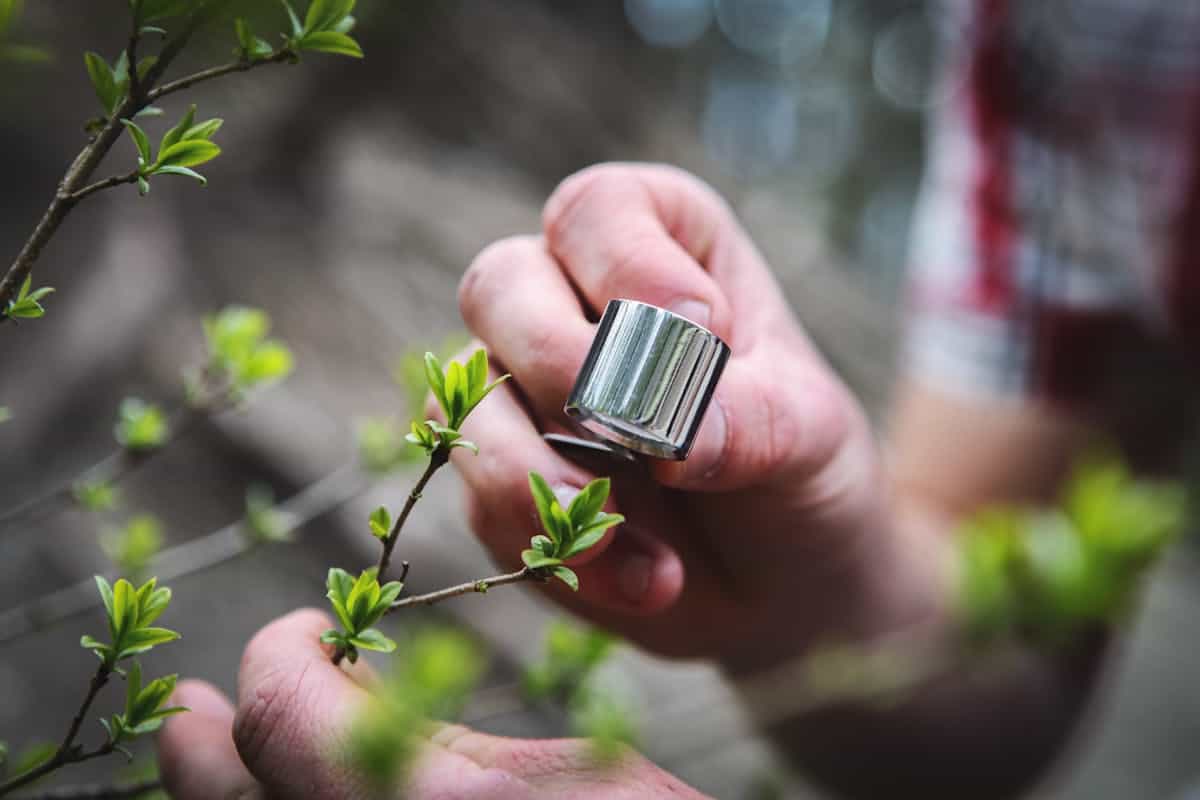
Cyclamen mites (Polyphagotarsonemus latus) are smaller than spider mites and frequently invisible without 30× magnification. They inject growth-disrupting compounds into the growing tip, producing stunted, brittle, compressed new growth — a presentation often misdiagnosed as a viral infection. The University of Illinois IPM reference on Peperomia diseases documents the full structural-damage pattern in the Piperaceae family.
Spider mites (Tetranychus urticae) produce a different curl signature — fine webbing in leaf axils, stippled chlorotic dots across the lamina, and outbreaks driven by RH below 40%.
How to diagnose it: Inspect the undersides of expanding new leaves and the growing tip under at least 10× magnification. Fine webbing indicates spider mites; silver stippling plus dark frass indicates thrips; a compressed, distorted growing tip without visible insects points toward cyclamen mites.
The fix: Isolate the plant immediately. Apply a neem oil solution (2 ml neem per litre of water, plus a drop of mild soap as emulsifier) every 5–7 days for three treatment cycles to interrupt the pest life-cycle. Severely affected growing tips should be pruned away. Quarantine all plants within 1 m of the infested specimen.
8. The Calcium-Transpiration Loop — A Frequently Missed Cause
One of the most overlooked causes of curling in Peperomia obtusifolia is calcium "deficiency" — but the substrate is not deficient. This is a delivery failure.
Calcium is phloem-immobile. It moves exclusively through the transpiration stream — the flow of water drawn from roots to leaves by evaporation through the stomata. In stagnant indoor conditions — low airflow, chronically high humidity, a still corner with no fan or open window — the transpiration rate drops. When transpiration drops, calcium stops reaching the youngest, most actively dividing meristematic cells. Cell walls in new growth form weakly; leaf edges collapse inward as the lamina expands, producing cupped, hooked, or twisted new leaves on an otherwise healthy plant.
The signature is distinct: deformity in new growth only, established older leaves perfectly flat, no pest signs under magnification, substrate moisture and pH in range, fertiliser schedule correct. It is commonly misdiagnosed as a pest issue because the damage appears only in developing tissue.
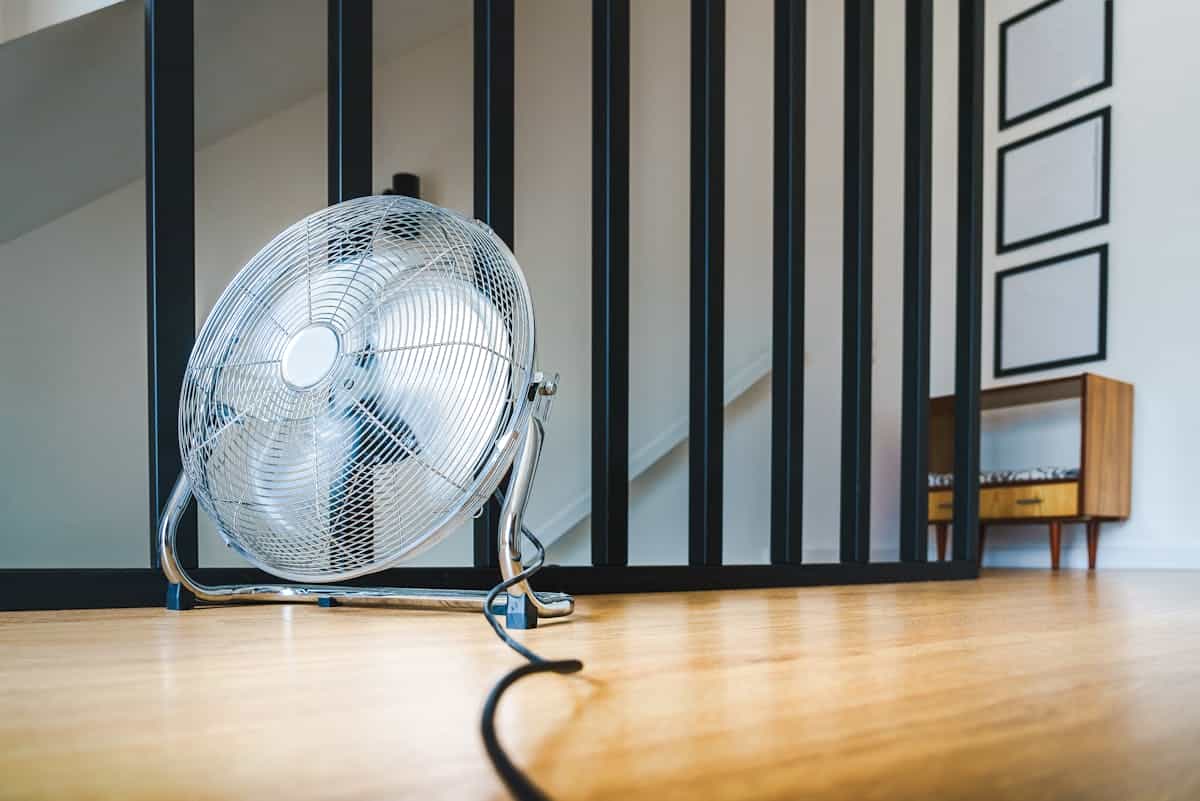
The fix is increased airflow, not calcium fertiliser. Adding calcium to the substrate does not resolve a delivery failure. An oscillating fan running 4–6 hours per day at low speed, positioned 1–2 m from the plant, restores the transpiration gradient. Within 2–3 weeks of corrected airflow, new leaves emerge with normal flat form.
9. Water Quality and Salt Accumulation — Substrate Chemistry Failure
Tap water in many urban areas contains dissolved chlorine, fluoride, and mineral salts. Over months of routine watering in a small container without periodic flushes, these accumulate — especially in plants watered exclusively from below, where moisture only ever moves upward through capillary action and salts are never washed downward. As substrate ionic concentration rises, the osmotic potential against which the roots must work increases. At high concentrations, water moves out of root cells rather than in (reverse osmosis); leaf tips brown and curl simultaneously.
How to diagnose it: A white crusty deposit on the substrate surface or rim of the pot. Brown, crispy leaf tips that progressively extend inward. The plant shows drought symptoms within days of watering — not weeks.
The fix: Flush the substrate thoroughly with low-mineral water — distilled, filtered, or rainwater — applying 3–5× the pot volume from above over 20–30 minutes, allowing free drainage. Repeat seasonally. Switch routine watering to low-mineral water where possible. The substrate flush protocol covers the procedure in detail.
10. Phosphorus and Nitrogen Toxicity — The Clawing Response
If the curling presents as a sharp, hook-like downward curve — often called "clawing" — rather than a soft wilted roll, and the leaves remain firm to the touch (the rigid Taco Test response), the cause is nutrient excess rather than deficit.
Excessive phosphorus or nitrogen from over-application of fertiliser disrupts the osmotic equilibrium within the leaf. Upper mesophyll cells expand faster than the lower cells, pushing the tip sharply downward into the characteristic claw. Crucially, the leaves retain their firm texture — this distinguishes toxicity-driven clawing from the soft limpness of water deficit. In waterlogged anaerobic substrates, roots also produce ethylene as a stress hormone; ethylene triggers epinasty — the downward bending of the petiole and the lamina — which presents as a similar claw but always co-occurs with the wet-substrate signature.
The fix: Cease fertilisation immediately. Flush the substrate with distilled or rainwater to dilute accumulated minerals (the same protocol as Section 9). When resuming, apply a balanced NPK 20-20-20 at 50% of label rate, once per month during spring and summer only. Do not fertilise in autumn or winter — slow uptake combined with low light produces salt accumulation, not growth.
Will Curled Leaves Straighten Out?
Whether recovery is possible depends entirely on the mechanism.
- Reversible within 12–24 hours: turgor-based curling from underwatering, brief VPD spikes, or temporary cold exposure — once the cause is corrected.
- Reversible over 2–4 weeks: repotting shock, water-quality salt accumulation after a thorough flush, calcium-delivery failure after airflow correction.
- Permanent in affected tissue: structural damage from thrips or cyclamen mite feeding, heat bleaching from direct sun above 40,000 lux, oedema blisters from cold-water events, etiolated elongation from sustained low light.
The correct measure of success is not whether the affected leaves themselves flatten out. It is the form of the new growth that emerges after the cause is corrected: compact, flat, glossy, with internodes of 1–2 cm. That is the characteristic form of Peperomia obtusifolia in optimum conditions and the only reliable indicator that the underlying mechanism has been resolved.
Recommended Diagnostic Products
These are the instruments referenced throughout the diagnostic flow. Specific calibration matters more than brand.
- Digital hygrometer and thermometer — the only honest way to confirm whether ambient RH sits in the
40–60%target band, rather than estimating. - Light meter or lux meter — verifies leaf-surface light against the
2,000–4,000 luxtarget. A calibrated phone app is acceptable for indoor readings under 10,000 lux. - USB oscillating fan — the corrective tool for the calcium-transpiration loop (Section 8); a slow oscillation at low speed for 4–6 hours per day is sufficient.
Sources and Related Reading
- Wikipedia — Turgor pressure (mechanism reference)
- Wikipedia — Vapour-pressure deficit (VPD mechanism)
- NC State Extension — Peperomia obtusifolia (species profile and indoor cultivation)
- ASPCA — Baby Rubber Plant (toxicity reference: non-toxic to cats, dogs, horses)
- University of Illinois IPM — Peperomia diseases (pest and pathogen reference)
Internal mechanism references on this site:
- Peperomia obtusifolia care guide — the parent reference for thresholds.
- Why peperomia leaves curl downward — the focused sub-article on direction-of-curl diagnostics.
- Overwatering rescue protocol — the triage procedure for Section 2.
- Bottom-watering guide — the rehydration method for Section 1.
- Why misting fails for this species — the long-form mechanism behind Section 3.
- Best peperomia soil mix recipe — the substrate formulation for repotting.
Care FAQ
Why are my Peperomia leaves curling downward?
Downward curling is primarily a loss of turgor pressure within the leaf cells. This is caused by underwatering — but can equally result from root rot, where the plant cannot absorb moisture even if the substrate is wet. Always check substrate moisture and root condition before adding water.
What causes upward cupping in Peperomia obtusifolia?
Upward cupping — where leaf edges rise like a bowl — is a defensive response to high Vapour Pressure Deficit (VPD). The plant curls its leaves to protect the stomata on the leaf underside from excessive moisture loss caused by low humidity (below 30% RH) or temperatures above 28°C.
Why are my Peperomia leaves curling inward like a taco?
Inward "taco" cupping is a water-conservation response. By rolling the margins toward the midrib, the plant traps a boundary layer of humid air against the lower leaf surface — slowing transpiration through the stomata. It is triggered by severe underwatering, sustained RH below 30%, or radiant heat from a nearby window or radiator.
Can thrips cause leaf curling?
Yes. Thrips feed on the meristematic tissue of developing new leaves. The physical damage causes the leaf to grow unevenly — healthy cells buckle around the damaged ones — resulting in permanent twisting, crinkling, or stunted growth in the affected leaves. Older leaves remain flat.
Does calcium deficiency cause curling?
Yes, but the mechanism is often misunderstood. Calcium is immobile — it moves only through the transpiration stream. In stagnant, low-airflow conditions, transpiration slows and calcium stops reaching the newest growth. The fix is increased airflow, not calcium fertiliser.
Will curled leaves ever straighten out?
Turgor-based curling (from underwatering or VPD stress) resolves within 12–24 hours once the cause is corrected. Structural deformation from pest damage, calcium deficiency during leaf development, or heat bleaching is permanent in those specific leaves. The measure of recovery is the quality of new growth after the cause is fixed.
Why is my Peperomia curling after repotting?
Repotting damages fine root hairs, temporarily reducing the plant's ability to absorb water. This produces a curl that mimics underwatering. It typically resolves within 2–4 weeks as new root hairs develop. Repotting into an oversized container compounds the problem by keeping the substrate wet around an undersized root zone.
Does misting help Peperomia curling?
No. Misting deposits water droplets on a thick, waxy leaf surface where they sit and evaporate within 5–15 minutes without meaningfully raising ambient humidity. It also creates conditions for fungal spore germination and bacterial leaf spot. For persistent VPD stress, use a pebble tray, group plants together, or run a humidifier.
How do I know if root rot is causing the curl?
Root rot presents as downward wilting in soil that is already wet or damp. Additional diagnostic signs: a sour or foul odour from the substrate, yellowing lower leaves, and a soft or mushy stem base. Unpot the plant to confirm — healthy roots are white and firm; rotted roots are brown, soft, and break apart easily.