Substrate Physics: Terracotta vs. Plastic
Terracotta and plastic pots change how fast a Peperomia substrate dries, and neither is universally correct. In the engineering of a Peperomia obtusifolia growth environment, the pot is the "Engine Block." It determines the rate of Gas Exchange, the stability of the Rhizosphere temperature, and the height of the Perched Water Table.
This guide explores the Substrate Physics of terracotta and plastic, helping you choose the mechanical filter that best supports your plant's metabolic needs.
1. Peperomia Obtusifolia Terracotta: Gas Permeability
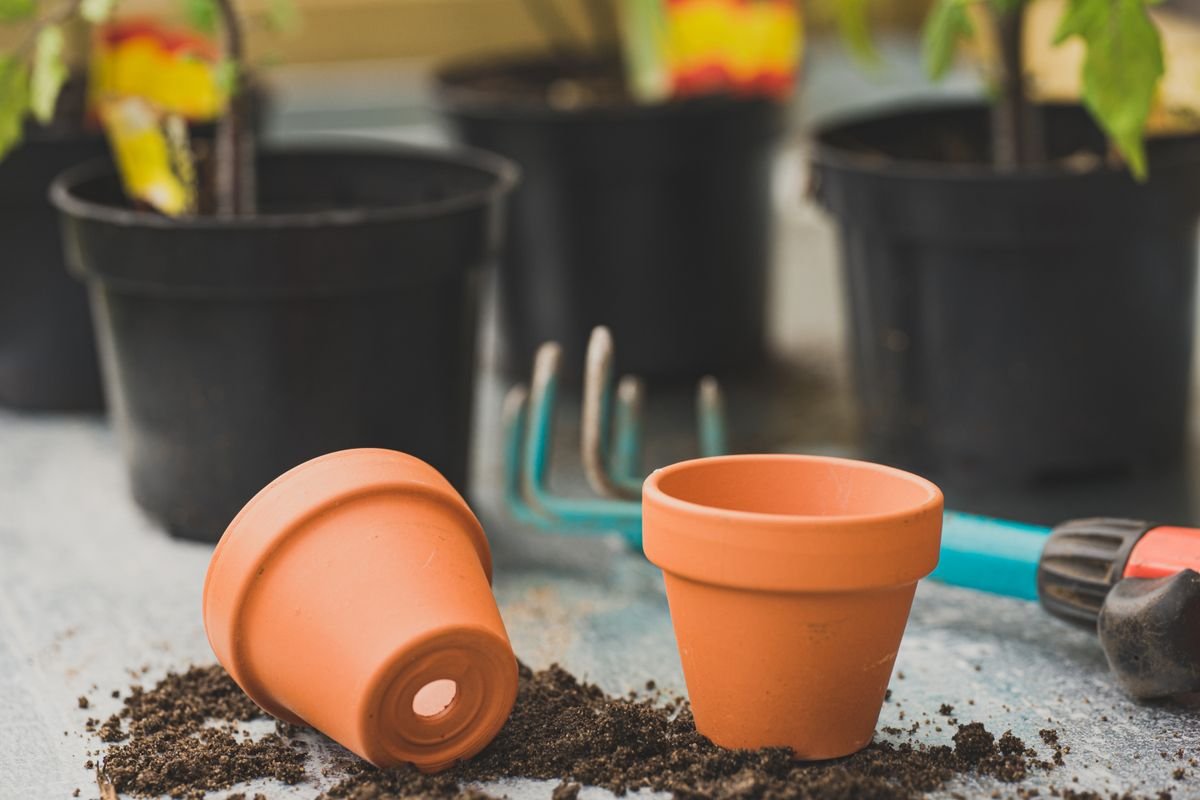
The primary advantage of Terracotta is its porosity.
- Micro-Pores: Unglazed clay is a network of microscopic tunnels. These tunnels allow for Lateral Aeration—oxygen moves from the room, through the pot wall, and directly to the roots.
- The Aerobic Advantage: This constant supply of oxygen makes it nearly impossible for Anaerobic Pathogens to thrive. Plastic, by contrast, is a total gas barrier, forcing the roots to rely entirely on the air that can enter from the top surface of the soil.
2. Evaporative Cooling: The Natural Radiator
Terracotta performs a mechanical process called Evaporative Cooling.
- Phase Change: As water moves through the clay walls and evaporates into the air, it consumes heat energy. This can keep the soil inside a terracotta pot 3 to 5 degrees cooler than the surrounding room.
- Thermal Stability: This protects the sensitive roots from the Thermal Kinetics of a hot afternoon sun. Plastic pots have no such cooling mechanism and can actually "trap" heat, leading to cellular stress.
3. The Perched Water Table: Hydraulic Management
The height of the Saturation Zone at the bottom of the pot is determined by the material.
- Wicking Power: Terracotta acts as a secondary "wick." It pulls water out of the soil through the sides, effectively "lowering" the perched water table and reducing the risk of root rot.
- Plastic Retention: In a plastic pot, water can only leave through the bottom drainage hole or through the plant's own Transpiration. This is why plastic is often the cause of overwatering in Peperomias; the soil at the bottom stays saturated for days longer than the soil at the top.
4. Mineral Management and Efflorescence
The "white crust" often found on terracotta is a biological safety feature.
- Osmotic Cleaning: Terracotta pulls dissolved minerals and salts (from fertilizers and tap water) out of the soil and deposits them on the outside of the pot. This is called Efflorescence.
- Salt Protection: In a plastic pot, these salts have nowhere to go. They build up in the soil, eventually reaching toxic levels that cause Osmotic Stress. Terracotta acts as a sacrificial filter, keeping the root zone chemically clean.
Conclusion
Choosing between terracotta and plastic is a choice of Hydraulic Management. For the Peperomia obtusifolia—a plant that prizes oxygen and drainage above all else—terracotta is the scientifically superior vessel. By utilizing Lateral Aeration and Evaporative Cooling, you create a resilient, high-performance environment that mimics the fast-drying crevices of the plant's native habitat.
Pot Selection Resources:
Care FAQ
Is terracotta better for Peperomias?
For most indoor growers, yes. Terracotta is Gas-Permeable, meaning oxygen can move through the walls of the pot directly into the roots. This prevents Root Anoxia and helps the soil dry out faster.
Why does my terracotta pot have a white crust?
This is Efflorescence. As water evaporates through the porous clay, it leaves behind dissolved mineral salts from your Tap Water. It is a sign that the pot is working to pull harmful salts away from your plant's roots.
When should I use plastic?
Plastic is ideal if you live in a very dry climate or if you use a 100% inorganic substrate like LECA. Because plastic is non-porous, it prevents 'Lateral Evaporation', keeping the roots hydrated for longer periods.
Does the pot color matter?
Yes, in terms of Thermal Absorption. A black plastic pot in a sunny window will absorb massive amounts of infrared radiation, potentially 'cooking' the roots. Terracotta's light color and evaporative properties keep the root zone significantly cooler.