Peperomia Obtusifolia Travel Care: Avoid Leaf Drop
Peperomia obtusifolia is one of the more forgiving houseplants to leave for a trip of two to three weeks, provided it gets one correct, thorough watering and a slightly reduced-light position before you go — not extra water "just in case." Its semi-succulent leaves and stems hold a genuine water reserve, but that reserve is a buffer against normal drying, not protection against a substrate left saturated the whole time you're away.
Quick Decision Checklist
- Worth doing: a single deep watering with full drainage, 24 hours before departure, plus moving the plant back slightly from a very bright window for the duration of the trip.
- Optional: grouping it with other plants to create a modestly more humid microclimate, and wiping dust from the leaves so the plant can read light levels accurately.
- Not needed: a self-watering spike, a plastic bag "greenhouse," or watering it again just before leaving if the substrate is still damp from a recent watering.
- Harmful: watering heavily right before departure on top of an already-moist substrate, or placing the plant in full darkness rather than simply reduced light.
What to Inspect or Prepare First
Confirm the substrate is genuinely due for water using the same top-2-3cm-dry check used for routine care — watering a pot that is still damp from a few days ago adds risk without any benefit. Check the current light position: a spot receiving several hours of direct or strong indirect light will dry faster and lose more water to transpiration than a slightly dimmer spot, which matters more when nobody is checking in for two or three weeks.
Step-by-Step Method
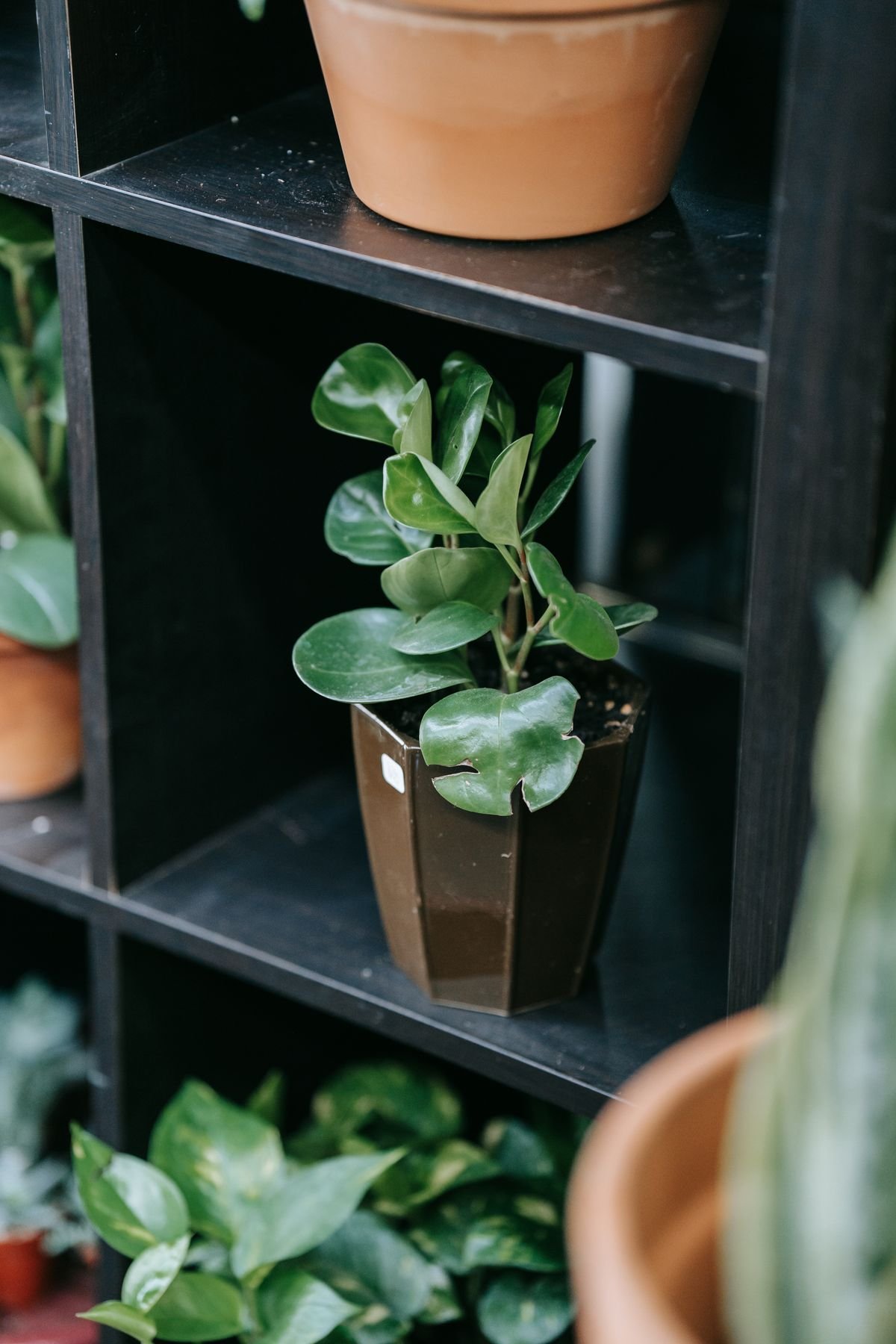
- Water thoroughly 24 hours before leaving, using the standard soak-and-drain method — water until it runs from the drainage hole, then let it drain fully. Discard any runoff left in the saucer; stagnant water in the saucer is one of the more common causes of rot during an unattended trip.
- Move the plant back from its usual bright spot, a metre or so further from the window if it normally sits in strong light. Reduced light lowers the rate of transpiration and slows substrate drying, extending how long the single pre-departure watering lasts.
- Wipe the leaves free of dust with a damp cloth before you go — a dusty leaf surface reduces the light actually reaching the plant, compounding the effect of the dimmer spot more than intended.
- Group it with other plants if convenient. Several plants transpiring together raise the local humidity slightly through their combined water release, which marginally slows moisture loss from all of them.
- Do not add a self-watering spike or wicking system unless you already use one routinely and know it keeps the substrate appropriately dry-cycling for this species — most such systems are designed for continuous-moisture plants and keep P. obtusifolia's substrate wetter than it tolerates over an extended, unsupervised period.
Adjustments for Season and Setup
In summer, higher ambient light and heat mean the substrate dries faster than in a cooler month, so a trip approaching three weeks in peak summer benefits more from the reduced-light repositioning than the same length trip in winter, when the plant's metabolism has already slowed. If leaving during winter, be aware the same watering trigger applies as always — top 2-3 cm dry — and that overwatering is a bigger risk than underwatering at this time of year regardless of travel. For a very long absence beyond three weeks, arranging for someone to check the substrate once partway through is more reliable than relying entirely on the plant's own water reserve.
Warning Signs and Troubleshooting
Substrate still soggy when you return, with soft or yellowing lower leaves: stop and check the roots before watering again — this points to root failure from excess moisture, not thirst; see the overwatering rescue guide. Leaves noticeably limp and the pot very light on return: the plant drew down its water reserve further than expected, most likely from a longer trip or brighter light than planned; water thoroughly and expect firmness to return within a day or so once the substrate rehydrates. Leaning or floppy growth on return: temporary turgor loss from the drawn-down water reserve, not permanent damage; a light stake for a week while it rehydrates is a reasonable, low-disruption fix.
Aftercare and Monitoring
Don't flood the plant immediately if it looks dry on return — check the substrate first, since a plant that still has some reserve moisture doesn't need a full soak on top of what's already there. If light was reduced before departure, move the plant back to its normal spot gradually over a couple of days rather than immediately, avoiding the kind of sudden light-intensity jump that can scorch tissue acclimated to a dimmer spot. Resume the normal watering and monitoring routine from the complete care guide once the plant has settled back in.
Common Mistakes
- Watering extra "for safety" right before leaving. One thorough watering with full drainage is correct; a second one on top of undried substrate is the most common cause of a rot problem discovered after the trip.
- Placing the plant in total darkness. Reduced light slows water loss usefully; full darkness stalls the plant's normal function without adding any real benefit over a moderately dim spot.
- Relying on a self-watering system without prior testing. If you haven't already confirmed a wicking pot or spike keeps this species' substrate appropriately dry-cycling, don't introduce it for the first time right before a trip.
- Flooding the plant the moment you're back, without first checking whether the substrate genuinely needs it.
Care FAQ
How long can Peperomia obtusifolia go without water while I travel?
A healthy, well-hydrated specimen typically manages two to three weeks without attention, drawing on the water-storage parenchyma in its leaves and stems as a buffer. This is longer than most tropical houseplants tolerate, but it depends on the plant being properly watered and positioned before you leave, not just left as-is.
Should I water more heavily than usual right before I leave?
No. A single thorough watering with proper drainage is correct; watering more than that "to be safe" leaves the substrate saturated for longer than the roots tolerate, and with no one present to notice early signs of a problem, that extra moisture is more likely to cause rot than to help.
Should I move my Peperomia to a darker spot before travelling?
Moving it slightly further from a very bright window is reasonable, since lower light reduces transpiration and slows how quickly the substrate dries. This is not the same as full darkness, which the plant does not need and which stalls its normal function rather than simply conserving water.
Are self-watering pots or wicking spikes a good idea for a trip?
Generally no, for this species. Most self-watering systems keep the substrate wetter than P. obtusifolia tolerates for a two- to three-week absence, and the risk of root rot from constant moisture is higher than the risk of the plant running dry on its own water reserves.