Peperomia in the USA: Best USDA Zones 10b-12
Peperomia in the USA grows outdoors year-round only within USDA hardiness zones 10b-12 — a narrow band covering South Florida, the Keys, and similar frost-free pockets of Southern California and Hawaii. Outside that range, which covers the vast majority of the country, the plant needs to be grown strictly indoors, with light and humidity managed deliberately rather than left to the local climate.
Quick Suitability Checklist
| Factor | What it means for US growers |
|---|---|
| Zone 10b-12 | Outdoor, year-round culture is genuinely possible |
| Zone 3-10a | Indoor culture only; treat any outdoor time as seasonal, not permanent |
| Winter heating | Typically drops indoor humidity well below the 40-60% optimum |
| Summer sun (hot, high-UV states) | Direct exposure risks scorch even where winters are mild |
| Native range | Florida, tropical America, and the Caribbean — this is a genuinely native US plant, just to a small part of it |
The Main Risks, Ranked
- Winter cold outside zones 10b-12. This is the dominant risk for the majority of American growers. Sustained temperatures below 10°C cause cellular damage, and the species has no frost tolerance — a first frost is a terminal event for any tissue left outdoors.
- Low indoor humidity from winter heating. Forced-air heating common across the Midwest and Northeast can pull indoor relative humidity down to 15-20%, well under the plant's 40-60% comfort band, increasing the vapour pressure deficit and pulling moisture out of the leaves faster than the plant replaces it.
- Unfiltered summer sun in high-UV states. In Texas, Arizona, or similar climates, direct midday sun — especially through unfiltered glass — can scorch leaves even though the plant otherwise tolerates the region's warmth well.
Best Placement and Setup by Region
Zones 10b-12 (South Florida, the Keys, coastal Southern California, Hawaii): Outdoor culture in bright shade or filtered light is genuinely an option year-round, echoing how the plant grows natively in Florida hammocks — often at the base of live oaks or on cypress roots, using a fast-draining, bark-heavy substrate that mirrors its epiphytic habit there.
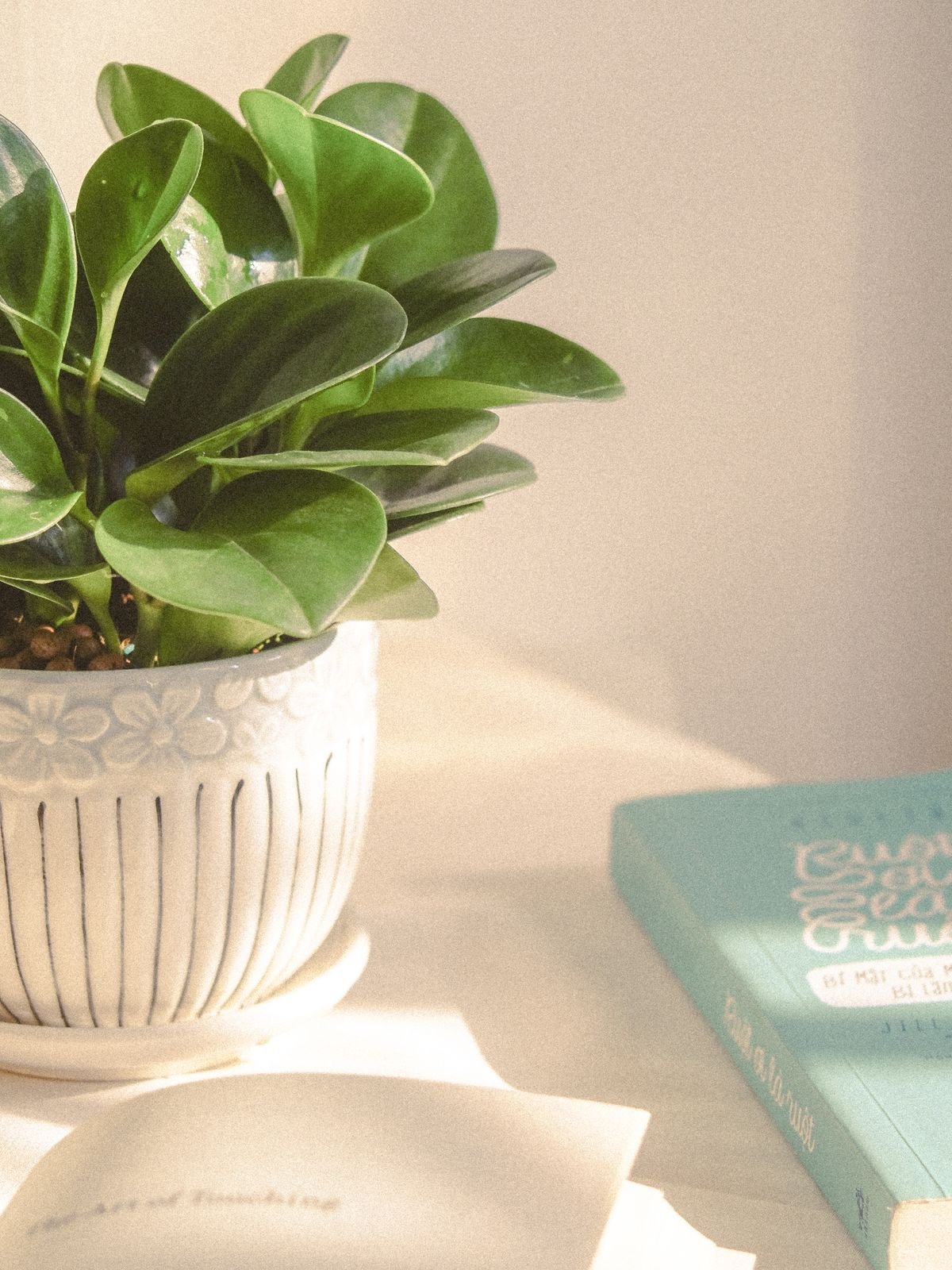
Zones 3-10a (most of the country): Treat the plant as fully indoor. Position it near a bright, indirect-light window rather than relying on ambient room light, and expect to add a room humidifier during the heating season rather than assuming indoor air will stay in range on its own.
Hot, high-UV states regardless of zone (Texas, Arizona, inland California): Even where winters are mild enough to flirt with outdoor culture, protect the plant from direct midday sun — bright shade or an east-facing exposure avoids scorch without sacrificing the light the plant needs.
How Watering and Light Must Change
Indoors under artificial heating, substrate dries faster than the standard 10-14 day summer interval would suggest, since forced-air systems dry both the room and the pot; confirm with a skewer or the pot-weight method rather than assuming the calendar interval still applies unchanged. Where a grower in a cold-winter state gives the plant a seasonal outdoor summer, the outdoor summer guide's gradual acclimation protocol applies without modification — the regional difference here is really about what happens the rest of the year, not the summer transition itself.
Warning Signs the Setup Is Failing
- Leaf curling or crisping tips during the heating season — almost always a humidity deficit from indoor heating rather than a watering problem.
- Sudden, sharply defined bleached or brown patches on sun-facing leaves in hot, high-UV states — sunburn from unfiltered direct exposure, not disease.
- Blackened, mushy tissue after an unexpected cold snap — irreversible cold damage; remove affected growth and move the plant indoors immediately if any part of the plant survives.
Step-by-Step Correction Plan
- Confirm your actual USDA zone, not just a general sense of your regional climate — zone 10a and 10b differ meaningfully in this decision even though they sound similar.
- If outside zones 10b-12, commit to indoor culture as the default rather than a fallback, and treat any outdoor time as a deliberate, temporary summer measure.
- Add a hygrometer during the heating season to catch a humidity drop before it shows up as leaf damage.
- In hot, high-UV states, confirm the plant's exposure is filtered or shaded, regardless of how mild the winter climate is.
- After any cold exposure, inspect thoroughly before deciding whether to prune damaged tissue or bring the whole plant back indoors.
Seasonal and Regional Adjustments
The core risk profile flips by region and season rather than staying constant: a Florida grower in zone 10b worries mainly about hurricane-driven flooding and occasional cold snaps, while a Minnesota grower worries about indoor humidity every winter and never faces the outdoor question at all. For the general care thresholds this regional guidance sits on top of, see the complete care guide; for placement decisions once the plant is settled in its region, see the feng shui placement guide; if a specimen needs reshaping after storm or cold damage, the pruning guide covers structural recovery; and growers battling persistently dry winter air indoors sometimes find LECA culture easier to keep consistent than soil, since the reservoir schedule is unaffected by how dry the room's heating makes the air.
Care FAQ
Where can Peperomia obtusifolia grow outdoors year-round in the USA?
Only in USDA hardiness zones 10b through 12 — parts of South Florida, the Florida Keys, and similar frost-free pockets of Southern California and Hawaii. Zone 10a's occasional dips near freezing still carry real risk; 10b and warmer is the safer cutoff.
Is Peperomia obtusifolia actually native to the USA?
Yes. It is native to Florida as well as tropical America and parts of the Caribbean, growing as a facultative epiphyte in hammocks and swamp margins on tree bark and limestone outcrops.
Can Peperomia obtusifolia survive outdoors in a cold-winter state?
Not year-round. Outside zones 10b-12, it needs to come indoors before nights approach 10°C, since sustained cold below that point causes irreversible cellular damage and the species has no frost tolerance at all.
Does a hot, sunny state like Texas or Arizona suit it better?
Not without shade. Heat itself isn't the problem — unfiltered, high-intensity summer sun is. Direct midday sun in those climates can scorch leaves well before winter cold ever becomes a factor, so bright shade or filtered light matters as much as warmth.