How to Save Rotted Peperomia Stem Cuttings
Save rotted peperomia stem cuttings with surgery, not hope: sterilise the blade, cut 1–2 cm above the visible rot margin, confirm a firm, cream or pale-green, odourless cross-section, callus 24–48 hours, then re-root in fresh perlite or clean water at 18–24 °C. Foul, liquefying soft rot is usually a discard — pathogens can ride the vessels ahead of what you see (Pythium; soft rot; species context: NC State; RHS Phytophthora).
Prevention (why cuttings rot, callus first) belongs in peperomia cuttings rotting. Whole-plant stem rot belongs in stem rot. This article is triage for a cutting already failing in water or medium.
1. Diagnose Before You Cut
| Feature | Oomycete-type (Pythium / Phytophthora) | Bacterial soft rot |
|---|---|---|
| Look | Brown; firmer border; may advance over days | Translucent, water-soaked; melts in hours |
| Smell | Mild earthy or none | Distinctly sour / putrid |
| Rescue | Often yes if firm tissue remains above | Usually discard |
The soft-rot rule: if the stem smells foul and collapses under light pressure along most of its length, compost it. Chasing soft rot up the vine wastes time and contaminates tools and jars.
Common triggers on cuttings: skipped callus, leaves submerged, stagnant water, dense wet mix, sealed humidity with no airflow (why cuttings rot). Pattern on water props: a cloudy jar, slimy base, and one soft internode while the tip still looks green — that is local anoxia plus pathogen entry at the open wound, not “the whole cutting died overnight.”
Act the same day you notice softness. Waiting for “maybe it will push roots anyway” lets the border zone climb through the last usable node.
2. Save Rotted Peperomia Stem Cuttings: 5 Proven Steps
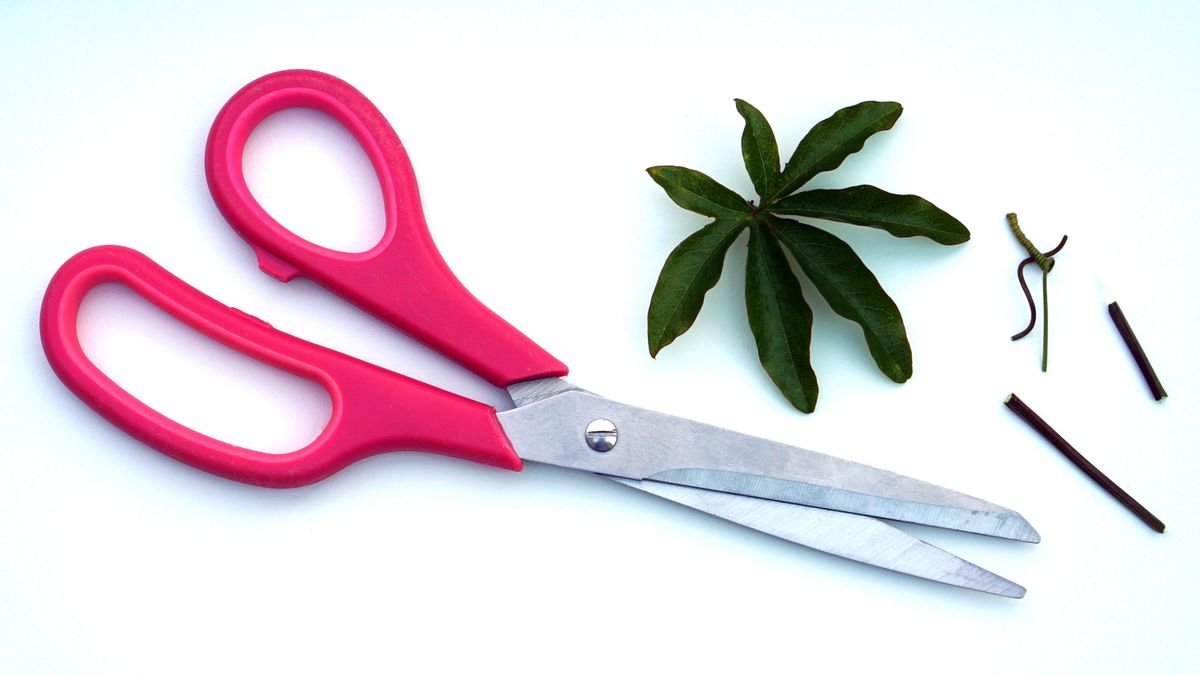
Step 1 — Isolate and sterilise. Move the jar or pot away from other props. Wipe the blade with 70% isopropyl alcohol; re-wipe between every cut.
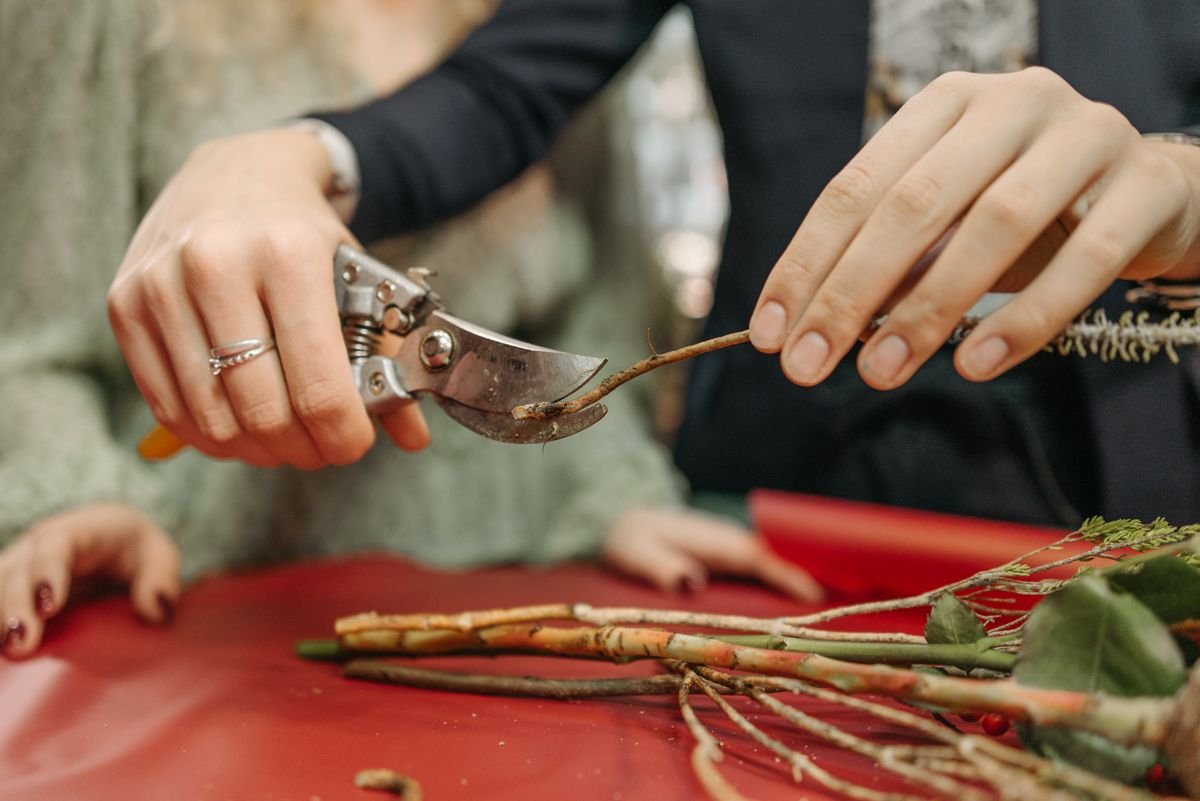
Step 2 — First clearance cut. Cut at least 1–2 cm above the highest visible soft or black margin. Surface colour underestimates internal advance.
Step 3 — Cross-section test. Healthy face is firm, cream/white or pale green, and odourless — no brown rings or central speck. If stained, re-sterilise and cut another centimetre higher. Repeat until clean.
Step 4 — Optional surface aid, then callus. A brief dab of 3% hydrogen peroxide on the clean face can oxidise surface residues; it does not replace excision (H₂O₂ root-rot chemistry is for pot drenches, not a cutting cure). Optional light cinnamon dust is an antifungal surface aid only — not a rooting hormone. Then air-dry 24–48 hours in shade so suberin can seal (callus timing).
Step 5 — Re-root clean. Fresh medium only — never the old water or contaminated mix. Prefer 100% damp perlite or clean water with only the basal node submerged. Hold 18–24 °C and bright indirect light (~2,000–4,000 lux at the leaf, no cooking sun on a jar).
If the first clean face is still long enough for two nodes, keep both: one bare for rooting, one leafy for photosynthate. A single-node rescue works but has less energy buffer if a leaf yellows during the restart (stem cutting basics).
3. Re-Root Without Re-Infecting
| Factor | Do | Avoid |
|---|---|---|
| Medium | Fresh perlite / pumice / clean water | Old jar water, reused soggy soil |
| Moisture | Damp; change water when cloudy | Standing slime; saturated peat |
| Humidity | ~40–60% RH + gentle airflow | Sealed dome >75% stagnant RH |
| Length | Keep ≥1 healthy node if possible | Potting a stained cross-section |
Opinion: Callus is the primary seal. Peroxide and cinnamon are optional surface aids; neither reverses established vascular infection. Excision quality decides the outcome.
When roots reach ~2–3 cm, pot into a free-draining mix (≥30% perlite by volume) and keep slightly more frequent moisture for 1–2 weeks (soil mix recipe; water-to-soil transition). Do not fertilise until a new leaf expands — early feed burns a restart that is still sealing and rooting.
Troubleshooting after restart
| Symptom | Likely cause | Action |
|---|---|---|
| Softness returns in 3–5 days | Cut was through stained tissue | Re-excise higher; longer callus |
| Wilted leaves, firm stem | High light / low RH on short stick | Bright indirect; slight humidity without a sealed dome |
| No roots at 4 weeks | Cool room / too wet | Hold 18–24 °C; refresh medium |
4. Extra: How Short Is Too Short — and When to Stop
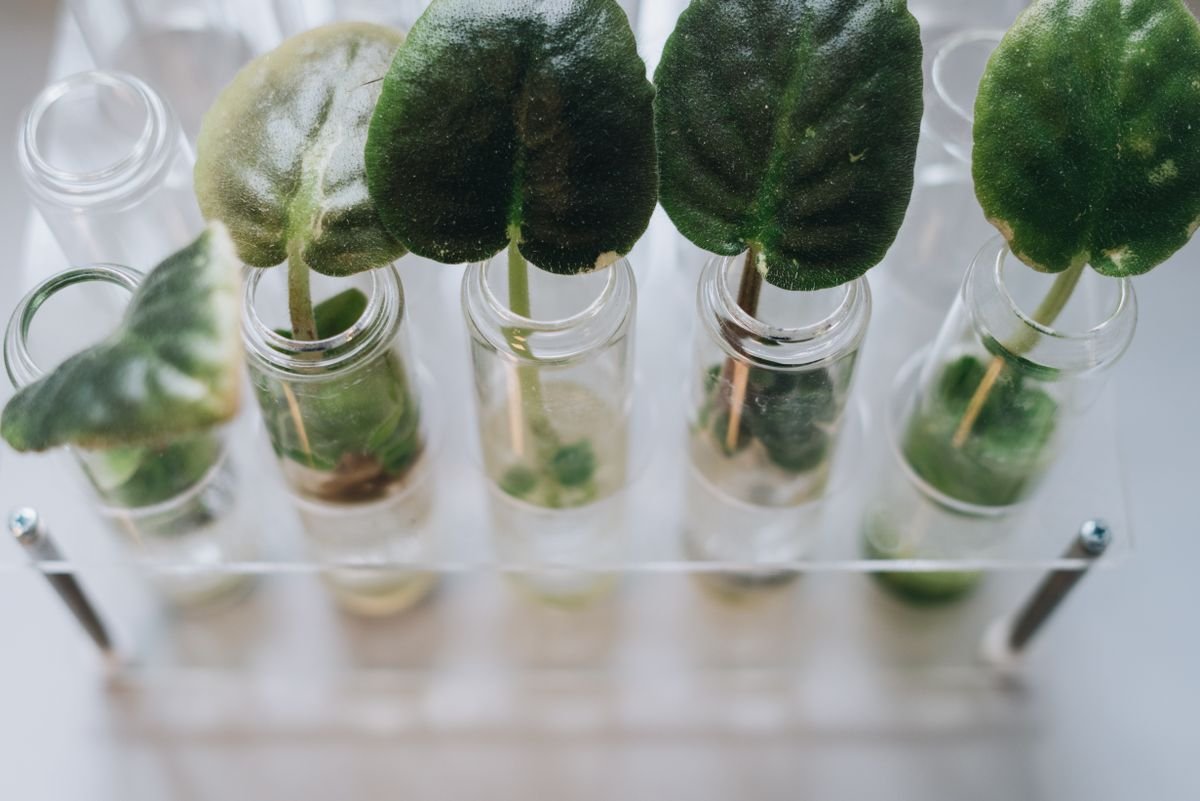
If repeated cuts leave only a short tip with one node and a leaf, still try — P. obtusifolia stores usable carbohydrate in semi-succulent stems (Missouri Botanical Garden; Clemson Peperomia). If every node is soft, stop. A healthy leaf can start a new plantlet, but variegated leaf cuttings usually regenerate all-green growth (variegated leaf prop).
Aftercare checklist: sterilise jars; discard contaminated medium; do not fertilise until new roots and a new leaf appear; return to dry-down watering once established (overwatering rescue for whole plants — different triage). Quarantine the tray from the rest of the collection until the restart shows firm new roots — splash and shared tools move zoospores.
Conclusion
Save rotted peperomia stem cuttings by outcutting the pathogen, verifying the cross-section, callusing, and restarting in a sterile, aerated setup. Soft rot that smells foul is a stop sign. Everything else is speed and sterility — delay lets the border zone win. Once the restart holds firm roots, treat it as a new plant under measured light and a dry-down watering cycle so the same anoxia that started the rot does not repeat in the pot.
Care FAQ
Can you save a Peperomia cutting that has started to rot?
Yes if rot is localised and you can reach a firm, cream or pale-green, odourless cross-section above it. Cut 1–2 cm above the visible margin with a sterile blade, callus 24–48 hours, then re-root in fresh perlite or clean water. Foul, rapidly liquefying soft rot usually means discard.
How do I tell fungal-type rot from bacterial soft rot on a cutting?
Oomycete-type decay (Pythium / Phytophthora) is often brown with a firmer border and slower advance. Bacterial soft rot is water-soaked, translucent, fast, and sour-smelling. Soft-rot cuttings are rarely worth chasing — pathogens can travel in vessels ahead of the visible front.
Does hydrogen peroxide save a rotted stem cutting?
Not by itself. Surgery removes infected tissue; callus seals the wound. A brief wipe of 3% H₂O₂ on a clean cut can oxidise surface residues, but it does not reverse vascular infection. Soil drenches for potted root rot are a different protocol.
Should I use cinnamon on a rescued cutting?
Optional. Ground cinnamon has documented antifungal activity in vitro and may be dusted lightly on a clean cut as a dry antifungal surface aid. It is not a rooting hormone and will not fix soft rot or dirty medium. The callus is the primary seal.
Should I put a rescued cutting in a humidity dome?
Usually no. Stagnant air above about 75% RH favours pathogen return on a compromised wound. Prefer room RH around 40–60% with gentle airflow, damp (not wet) perlite, and bright indirect light at 18–24 °C.
How short can a rescued cutting be and still root?
As long as one healthy node and firm stem remain, short sections can still root. If every node is soft or the tip has collapsed, take a leaf only as a last resort — knowing variegated leaf cuttings usually regenerate green.