Peperomia Deformed Leaves: Calcium Delivery vs True Shortage
Peperomia deformed leaves — cupped, hooked, twisted, or crumpled new growth with older leaves intact — almost always reflect calcium that never arrived at the meristem, not an empty bag of fertiliser. Calcium is phloem-immobile: it travels only in the transpiration stream. In still indoor air that stream stalls, cell walls in expanding leaves form weakly, and the lamina expands unevenly (calcium deficiency as a plant disorder; MSU on calcium deficiency).
The short answer: restore gentle airflow first (fan 1–2 m away, low speed, 4–6 hours/day), keep humidity at normal household levels, keep leaf-surface light at roughly 2,000–4,000 lux, and water when the top 2–3 cm are dry. Rule out thrips before any supplement. Existing twisted leaves will not un-twist; only the next flush measures recovery. Broader curl patterns live in the curling leaves guide.
1. Why Peperomia Deformed Leaves Hit New Growth Only
Calcium stiffens new cell walls as meristematic tissue expands. Once locked into older tissue it cannot be remobilised to feed the tip — unlike nitrogen, which can be pulled from lower leaves and shows as yellowing on mature foliage first.
| Signal | Calcium delivery / shortage | Typical lookalike |
|---|---|---|
| Tissue age | Youngest leaves only | Older leaves first → mobile nutrients / senescence |
| Form | Cupped, hooked, crumpled, small | Soft wilt → turgor / roots |
| Pests | None under magnification | Silvering + faecal specks → thrips |
| Environment | Still corner, high RH boundary layer | Direct heat / drought taco curl |
Peperomia obtusifolia is a semi-succulent facultative epiphyte from neotropical understorey (Missouri Plant Finder; NC State; Clemson Peperomia care). Indoor still air is foreign to that canopy microclimate; deformation appears before any soil test looks dramatic. For the broader symptom-first picture beyond calcium delivery specifically, see the problems guide.
2. Three Critical Calcium Myths Behind Peperomia Deformed Leaves
Myth 1 — “Deformed new leaves mean the soil has no calcium.” Most houseplant mixes still contain calcium salts. The recurring failure mode is delivery: stagnant air collapses the transpiration gradient, so calcium never reaches the tip even when the substrate is adequate.
Myth 2 — “Cal-Mag or dolomite is the first fix.” Supplementing a delivery failure leaves the symptom in place. Eggshell tea and milk add organic mess and fungus-gnat risk without restoring vapour movement at the leaf.
Myth 3 — “High humidity always helps calcium move.” Sustained RH above ~75% in stagnant rooms builds a humid boundary layer, slows stomatal drive, and can stall calcium the same way a sealed cabinet does. Normal household humidity with air that actually moves suits this species.
Opinion: Adding calcium fertiliser does not fix stagnant-air delivery failure. Restore airflow and a measurable transpiration gradient first; only then ask whether the substrate is truly short of calcium.
3. Airflow First: The Real Fix for Peperomia Deformed Leaves
A frequent diagnostic scenario: watering, mix, and fertiliser are within range; the plant sits in a still corner. New leaves emerge cupped or hooked. Older leaves look fine.
Calcium moved only with water evaporated at the stomata. Without air exchange, that pull weakens. Cell walls at the tip assemble poorly; the leaf expands into a permanent deformity.
Protocol
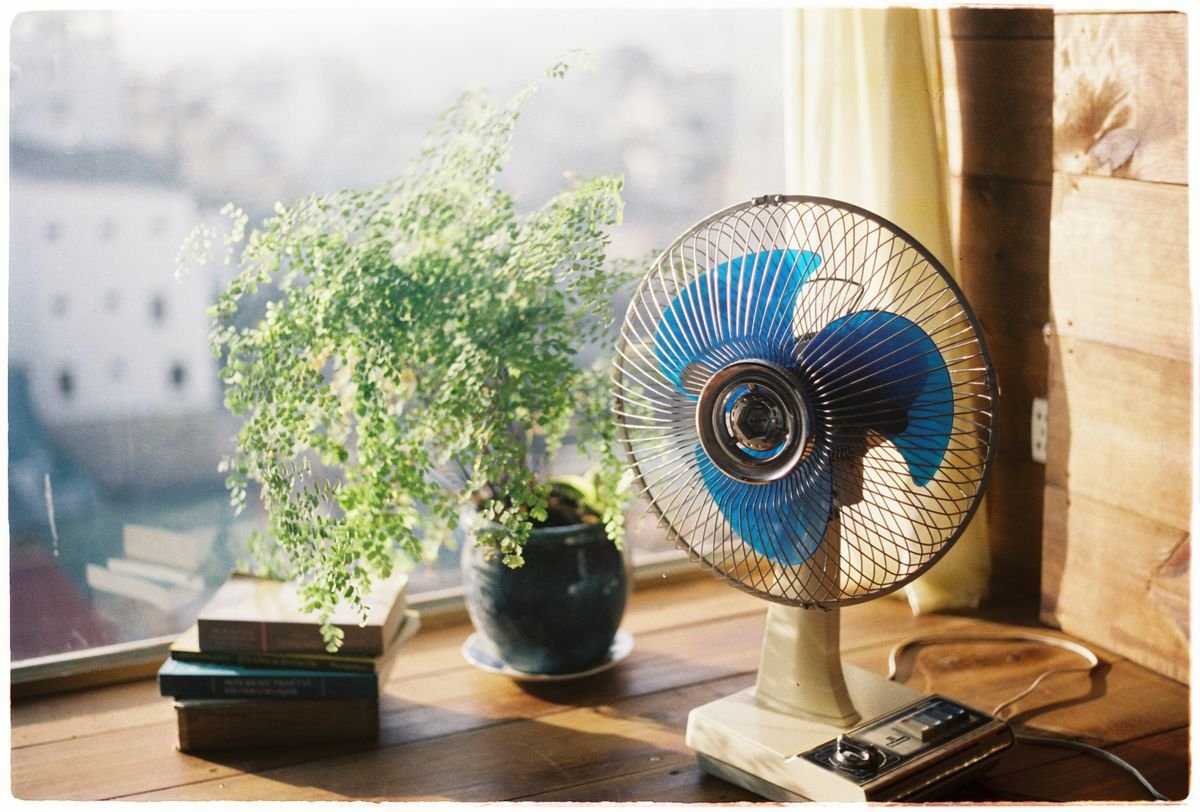
- Move the plant out of dead air, or run a gentle oscillating fan 1–2 m away on low 4–6 hours daily — enough to break the boundary layer, not enough to desiccate the lamina.
- Keep humidity at normal household levels; avoid sealed cabinets without ventilation.
- Aim for roughly 2,000–4,000 lux at the leaf surface so stomata have photosynthetic and evaporative drive (light meters).
- Water when the top 2–3 cm are dry — chronic bone-dry mix stops the conveyor; soil that stays wet for long periods rots the roots that must absorb any mineral (NC State Extension) (watering; soil mix).
Expect cleaner new growth within a few weeks if delivery was the limiter. Humidity calibration detail sits in the humidity guide.
4. Thrips vs Calcium: Do Not Guess on Peperomia Deformed Leaves
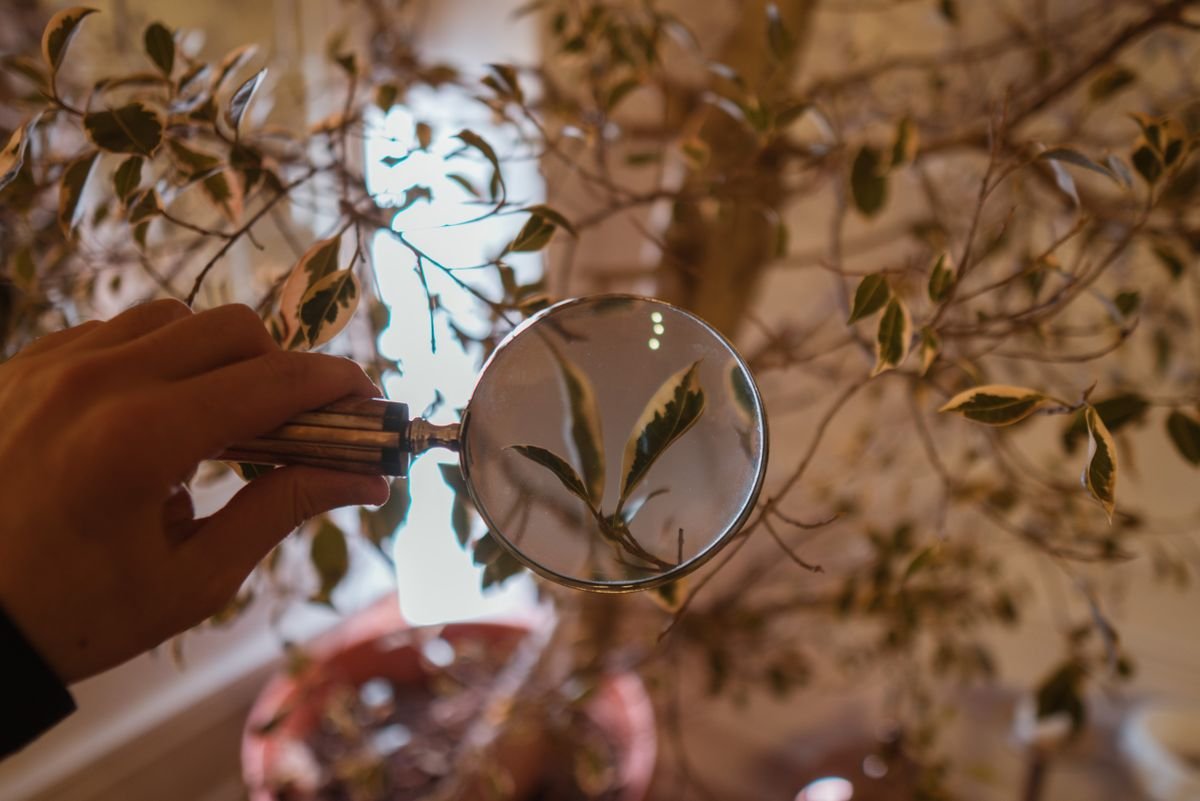
Thrips feed in expanding tissue and leave twisted, crinkled new leaves that mimic calcium deformity. Discriminators:
- Fine silvering or scarification on youngest leaves
- Tiny black faecal specks
- Narrow insects under magnification on buds and leaf undersides
No insects and no silvering → stay on the calcium-delivery path. Confirmed thrips → follow the thrips eradication protocol; mineral supplements will not stop feeding damage.
5. When True Calcium Shortage Is Plausible
After airflow, light, watering, and a clear pest check, true shortage becomes more likely if several of these stack:
- Exclusive distilled / RO water for many months (little dissolved calcium)
- Aged, acidic peat mix without a calcium-bearing fertiliser
- Heavy potassium or magnesium feeds that compete at the root surface
- Dead or anoxic roots that cannot absorb anything (overwatering rescue)
Then a moderate calcium-bearing liquid feed or a carefully measured dolomite adjustment can help future leaves. It still will not reshape tissue already expanded wrong. Prefer correcting roots and mix porosity over dumping lime onto a rotting rhizosphere.
6. What to Do With Leaves That Are Already Deformed
Structural damage is permanent. Keep green, still-functional leaves; they continue photosynthesis. Remove only severely non-functional or necrotic tissue with sterile tools. Recovery is scored on the next flush, not on un-twisting old lamina.
Conclusion
Peperomia deformed leaves are a delivery diagnostic more often than a shopping list for Cal-Mag. Calcium is immobile; stagnant air starves the tip; thrips imitate the shape; true substrate shortage is the minority case after airflow and roots are sound. Fix the transpiration gradient, confirm pests are absent, then — only if needed — address real mineral gaps. The authority measure is flat, even new growth, not a reshaped old leaf.
The same stagnant-air conditions behind calcium delivery failure often produce related symptoms worth checking alongside it: downward curling, sudden leaf drop, and wrinkled, soft leaves all share the same airflow-and-transpiration mechanism at their root, even though the visible symptom looks different in each case.
Care FAQ
Why are my new Peperomia leaves deformed?
Peperomia deformed leaves on new growth only usually mean calcium did not reach the meristem while the leaf expanded. Calcium is phloem-immobile and moves only in the transpiration stream, so stagnant indoor air is the most common cause when watering and fertiliser look adequate. Thrips produce a similar twist but leave silvering and black faecal specks. Older leaves stay normal in both cases.
How do I fix calcium deficiency in Peperomia?
Restore delivery before adding calcium. Place a gentle oscillating fan 1–2 m away on low for 4–6 hours daily, keep humidity at normal household levels, keep light at roughly 2,000–4,000 lux at the leaf, and water when the top 2–3 cm of mix are dry. Only after airflow and roots are sound should you consider whether exclusive RO or distilled water plus an acidic peat mix has left true substrate calcium low.
Can I fix already deformed Peperomia leaves?
No. Tissue that expanded with weak cell walls stays structurally wrong. Leave green deformed leaves if they still photosynthesise. Judge recovery by the next flush: flat, even new growth after a few weeks of corrected airflow.
Does calcium deficiency cause curling?
Yes — cupped or hooked new growth is a calcium-delivery pattern. Broader curl shapes (soft downward wilt, taco cupping from drought, upward heat cupping) belong in the curling-leaves differential, not this calcium article. The calcium fix remains airflow-driven delivery, not a first-line Cal-Mag drench.
Do I need Cal-Mag for peperomia deformed leaves?
Not as the opening move. Adding calcium fertiliser does not repair stagnant-air delivery failure. Use Cal-Mag or a calcium-bearing feed only after you have ruled out thrips, restored airflow, confirmed living roots, and still see distortion on exclusive low-mineral water or very acidic peat.